
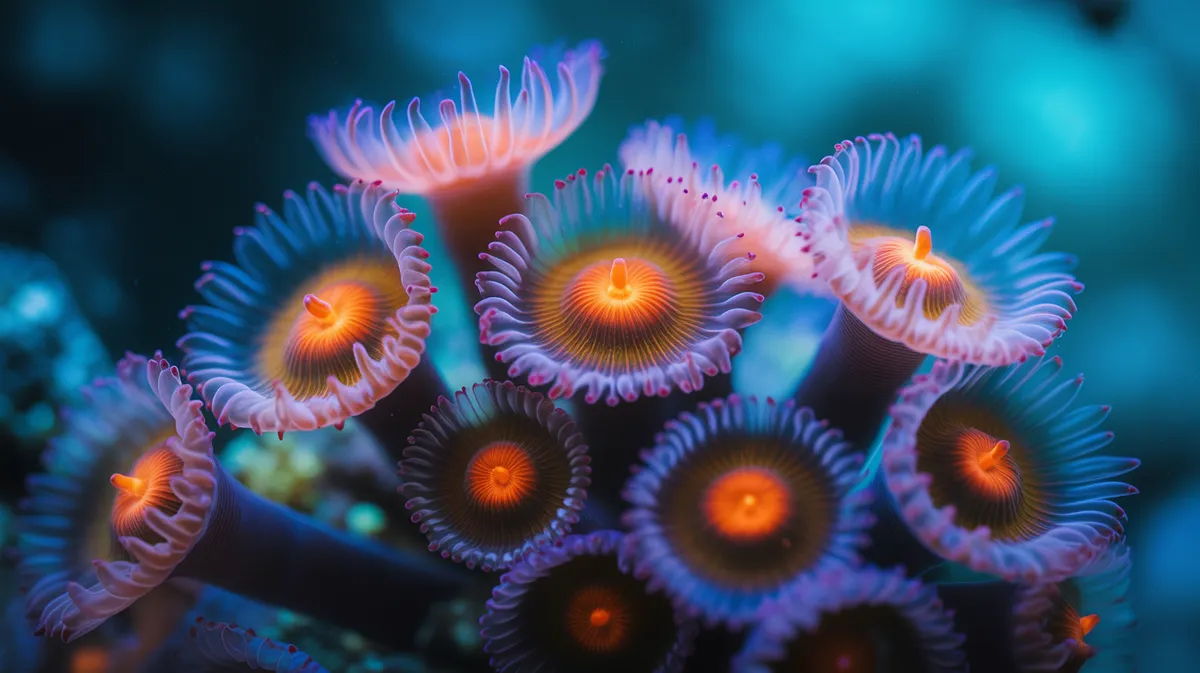
A coral reef looks like a landscape of colourful stone, but it's actually built by one of the most important partnerships on the planet — a partnership so small you'd need a microscope to see it. Each coral is an animal that shares its body with millions of tiny algae, and together they build the largest living structures on Earth. In this entry of our Nature's Odd Couples series, we explore the alliance between coral and its algae.
It's a quiet, microscopic deal on which an entire ocean ecosystem rests. See also the reef pairing of the clownfish and the sea anemone and the cleaning-station deal of the cleaner wrasse and its clients.
Two lives in one body
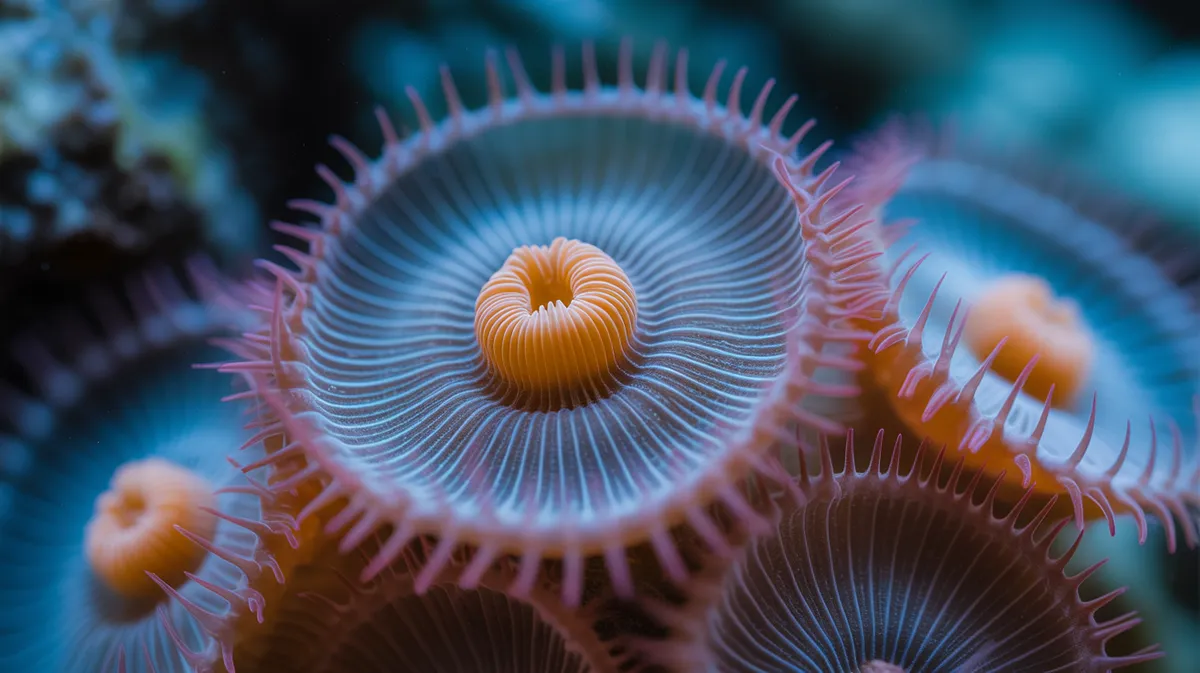
A coral may look like a plant or a rock, but each one is a colony of tiny animals called polyps, relatives of jellyfish and anemones. Living inside the tissues of each polyp are millions of microscopic algae, known as zooxanthellae.
The two are so intertwined that they function almost as a single organism, animal and alga sharing one body.
Neither, in a thriving reef, can do without the other.
A single square inch of healthy coral can house millions of these algal cells, which is why the partnership is invisible yet utterly vast.
Sunlight into food
The algae are the coral's power plant. Like other plants, they capture sunlight and turn it into sugars through photosynthesis, and they hand most of that food — by some estimates up to ninety per cent — straight to their coral host.
In return, the coral gives the algae a safe, sunlit home and a steady supply of the carbon dioxide and nutrients they need.
It's a clean energy deal: shelter and raw materials in exchange for food made from light.
This is also why reef-building corals are found mostly in clear, shallow, sunlit water — their algal partners need light to work.
Builders of reefs
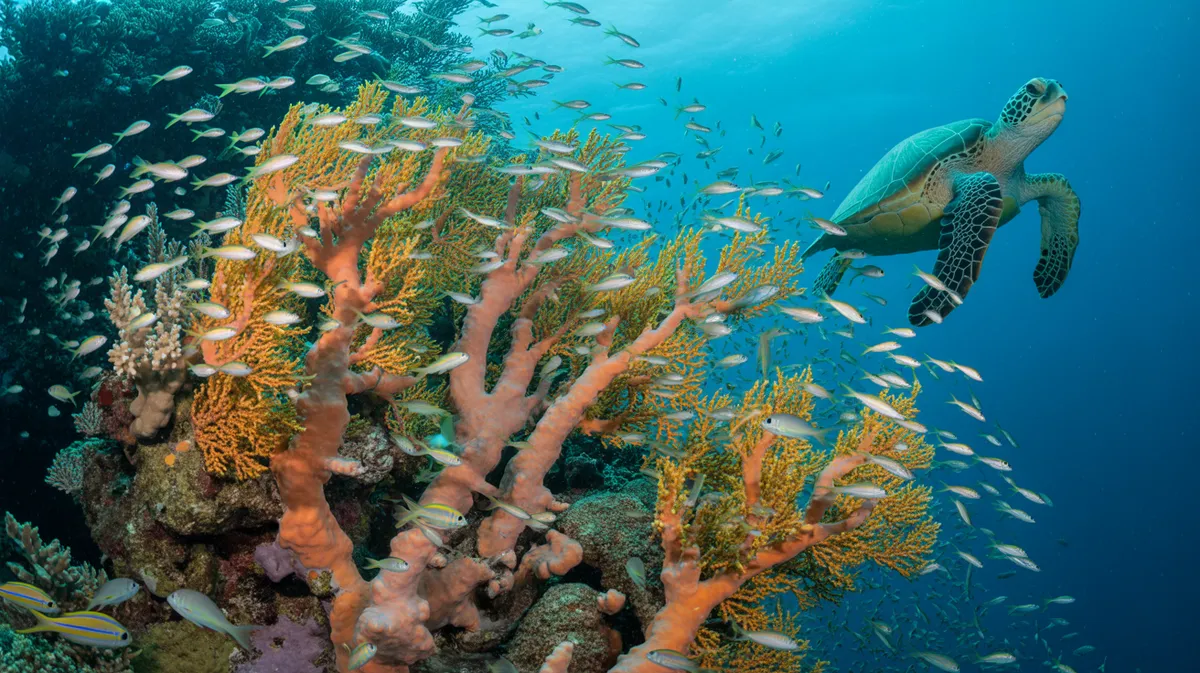
All that solar energy lets corals do something extraordinary: build. Fuelled by the algae, polyps secrete hard limestone skeletons, and over thousands of years the accumulated skeletons grow into vast reefs.
The Great Barrier Reef, the largest structure ever made by living things, is the product of this partnership repeated across countless billions of polyps.
The algae also give living coral much of its colour, painting the reef in its famous hues.
Some of these structures are so large they can be seen from space, all assembled grain by grain by soft-bodied animals no bigger than a pinhead.
When the partnership breaks
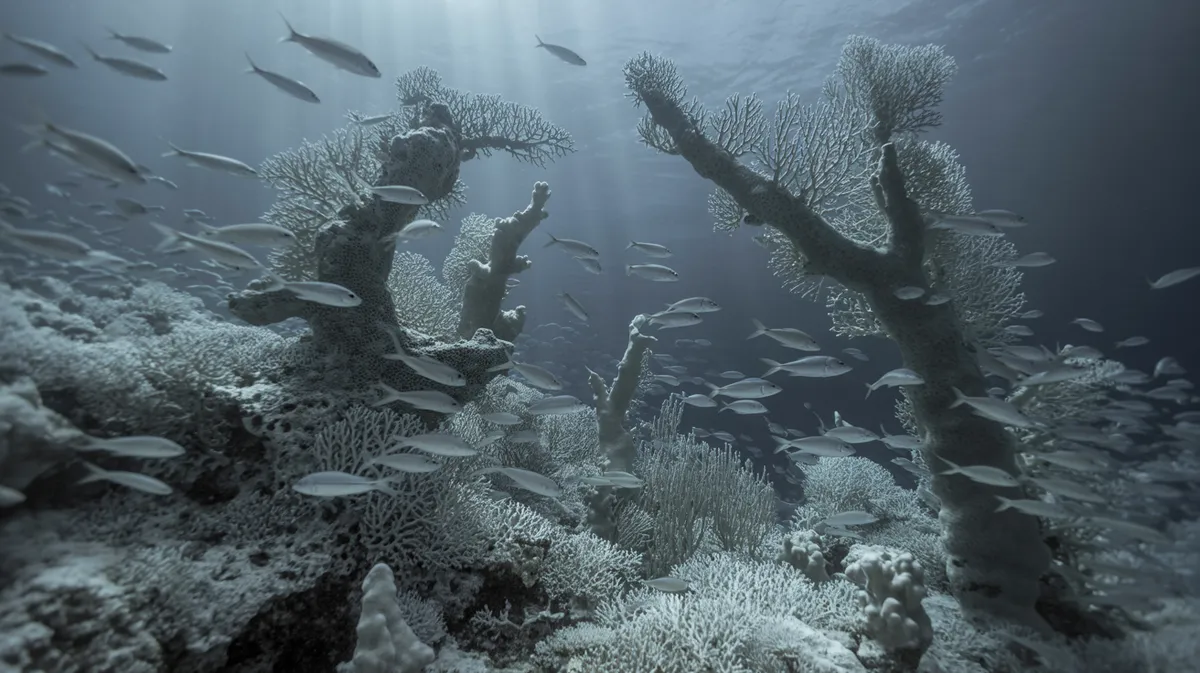
This alliance has a dangerous weak point: heat. When the water grows too warm, the relationship turns toxic, and the stressed coral expels its algae.
Without them the coral loses both its colour and its main food supply, turning ghostly white in what's known as coral bleaching. If the heat passes quickly the algae can return, but a long or severe bleaching event leaves the coral to slowly starve and die.
As the oceans warm, these bleaching events are striking more often and more severely than ever before.
Bleached coral isn't dead but starving, and a reef can sometimes recover if cooler water returns in time — a narrow window that warming seas keep closing.
The foundation of an ecosystem
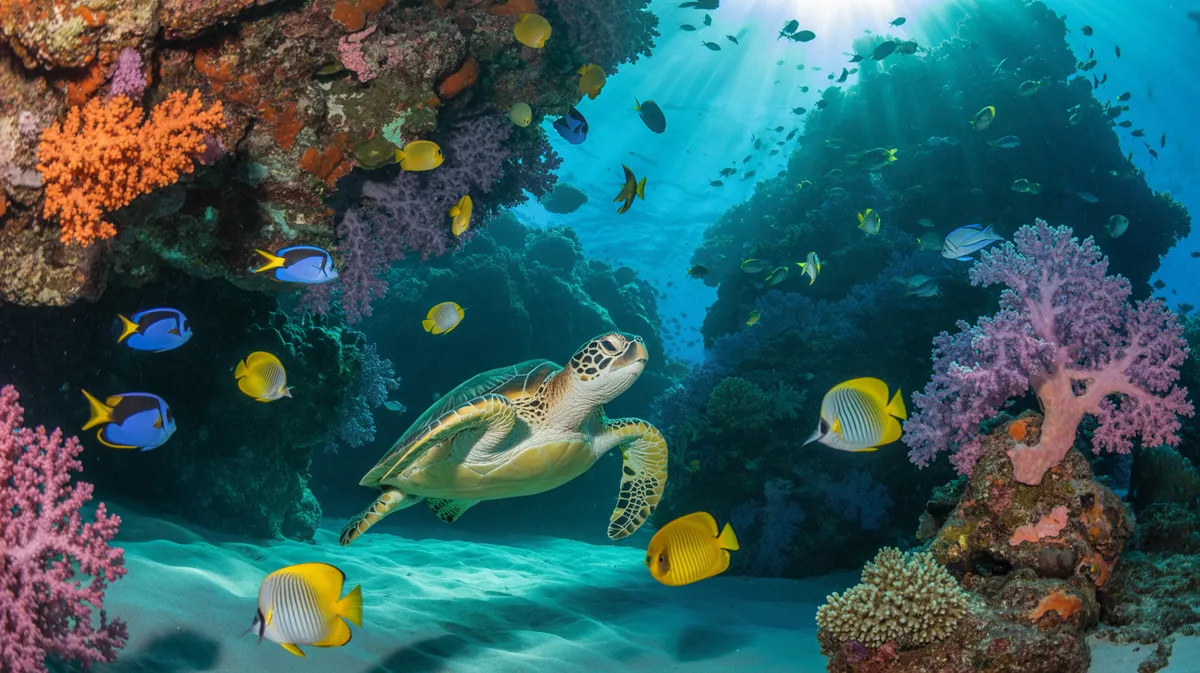
The stakes could hardly be higher. Coral reefs cover less than one per cent of the ocean floor, yet they shelter around a quarter of all marine species at some point in their lives.
Fish, turtles, crustaceans, and countless others depend on the habitat that this single partnership creates.
An entire underwater civilisation rests on a deal struck between an animal and an alga too small to see.
Reefs also shelter coastlines from storms and support the food and livelihoods of hundreds of millions of people, raising the stakes still higher.
Can Corals Swap Partners?
If heat drives a coral to expel its algae, an obvious question follows: could it simply take on a tougher partner instead?
Remarkably, some corals can. There are different strains of zooxanthellae, and a few are markedly more heat-tolerant than others. After a bleaching event, some corals have been found hosting a hardier strain than before — a process researchers call symbiont shuffling.
It is not a free lunch. The heat-tolerant algae often deliver less energy, so the coral grows more slowly. But it has become one of the most hopeful threads in reef science, and "assisted evolution" projects are now actively breeding corals with tougher partners.
The partnership that builds the sea's cities
Coral and its algae show that some of nature's grandest creations are built by its tiniest partners. The reefs that dazzle divers and sustain a quarter of ocean life all begin with sunlight, an animal, and an alga learning to live as one — a partnership we now have every reason to protect.
Frequently asked questions
Is coral a plant or an animal? An animal — each coral is a colony of tiny polyps that hosts photosynthetic algae inside its tissues.
What do the algae do for coral? They photosynthesise and supply most of the coral's food, and give it much of its colour.
What causes coral bleaching? Heat stress makes coral expel its algae, leaving it white and starving — often fatal if the warmth persists.
Is coral bleaching always fatal? No. If the heat passes quickly, corals can regain their algae and recover — but prolonged bleaching kills.
How much of a coral's food comes from algae? By many estimates up to 90%, with the rest caught by the polyp's tentacles.
Can reefs recover? Yes, given time and reduced heat stress — which is exactly what a warming ocean is taking away.
What are zooxanthellae? The microscopic algae living inside coral tissue that feed the coral through photosynthesis.
Why do corals need sunlight? Because their algal partners must photosynthesise, which is why reef-building corals grow in shallow, clear water.
What colour is coral without its algae? Bone white — you are seeing the coral's limestone skeleton through its now-transparent tissue.
Can reefs be helped? Yes — through restoration, protection, and above all by reducing the heat stress that causes bleaching.
That's three more of nature's odd couples. Revisit the fig and the fig wasp and ants and the acacia tree — and watch for more in the Nature's Odd Couples series.