
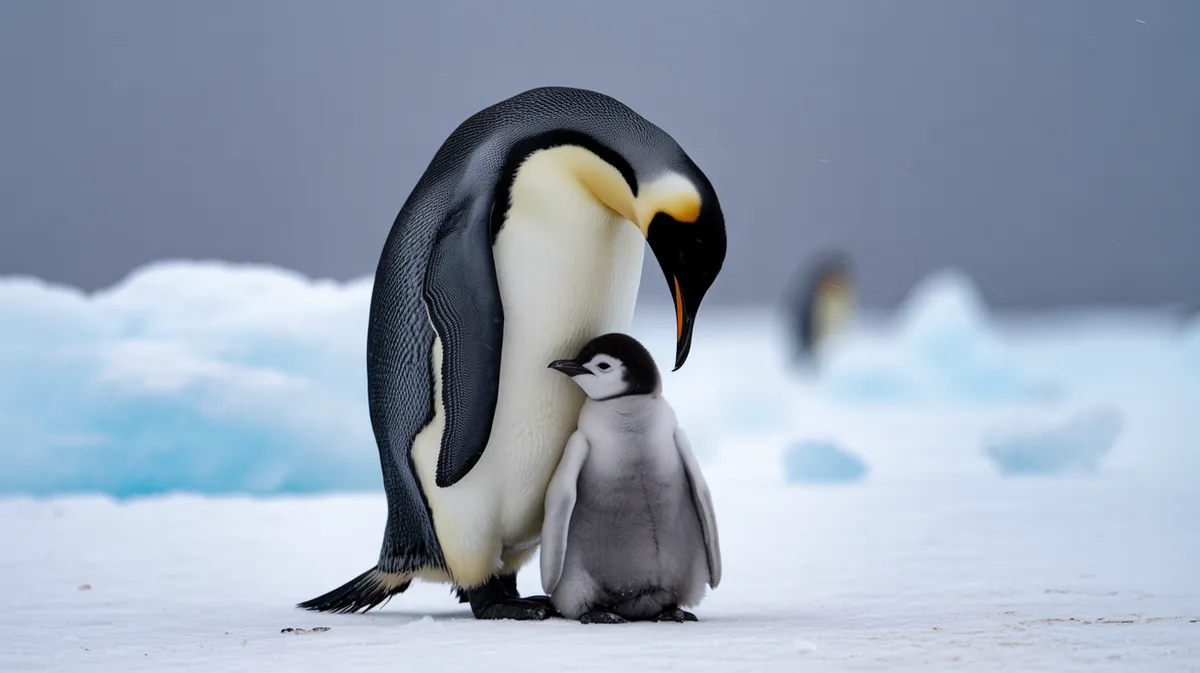
Parenthood in the wild is brutal, and most animals leave their young to fend for themselves. But a remarkable few invest everything — guarding, feeding, teaching, and sometimes dying for their offspring. This entry in our Nature's Record-Breakers series celebrates the best animal parents on Earth, and the extraordinary lengths they go to give their young a chance.
It joins the rest of the series, from the smartest animals to the rarest. Devotion, it turns out, takes wildly different forms — from a father who carries the babies to a mother who starves to death protecting her eggs.
1. Orangutan
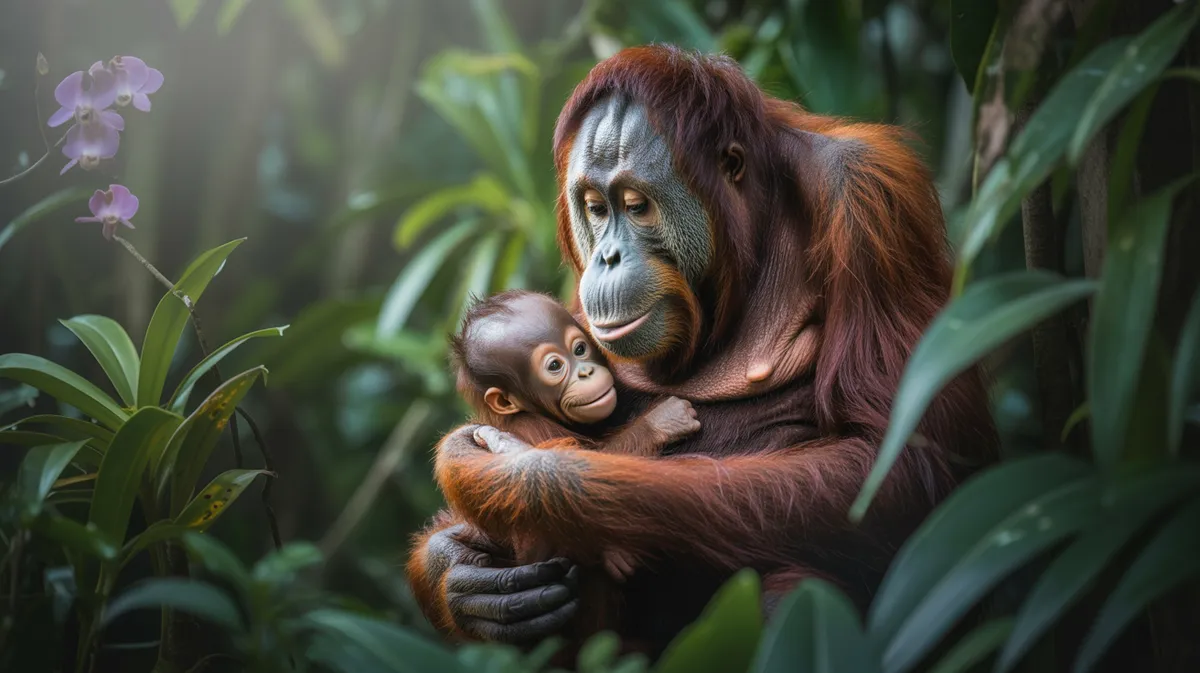
Orangutans have one of the longest childhoods in the animal kingdom — a young orangutan may nurse and stay with its mother for seven or eight years. During that time she teaches it which of hundreds of forest foods to eat and how to build a fresh sleeping nest every night, passing on a survival education no orangutan could manage alone.
This drawn-out apprenticeship means a female orangutan can raise only a handful of young in her whole life, one of the slowest reproductive rates of any mammal. It also makes the species terribly vulnerable: lose a mother, and an orphan rarely has anyone else to learn from.
2. Octopus
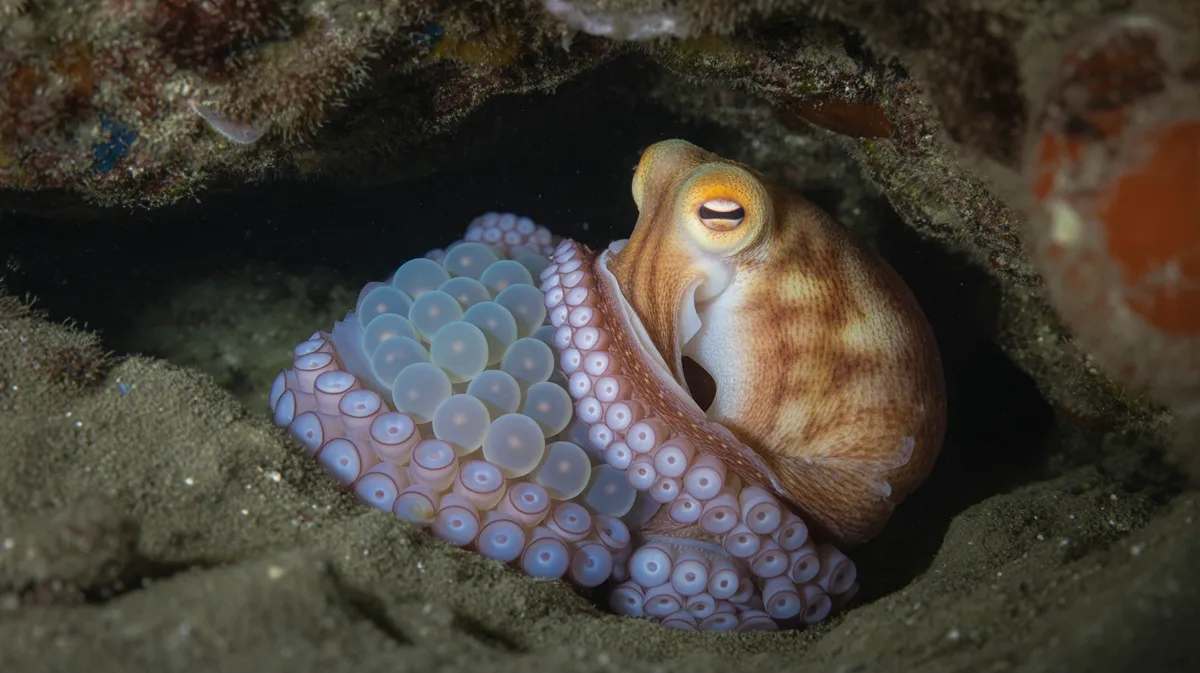
Few parents sacrifice more. A female octopus lays her eggs and then guards them without ever leaving to feed, gently blowing water over them to keep them oxygenated until they hatch. One deep-sea octopus was observed brooding her eggs for an astonishing four and a half years — after which, like nearly all octopus mothers, she died.
During her long vigil she stops eating entirely, slowly wasting away, and her own body chemistry triggers her death soon after the eggs hatch. Scientists have found that removing a particular gland can switch off this self-destruct programme, hinting at the hormonal machinery behind such sacrifice.
3. Emperor Penguin
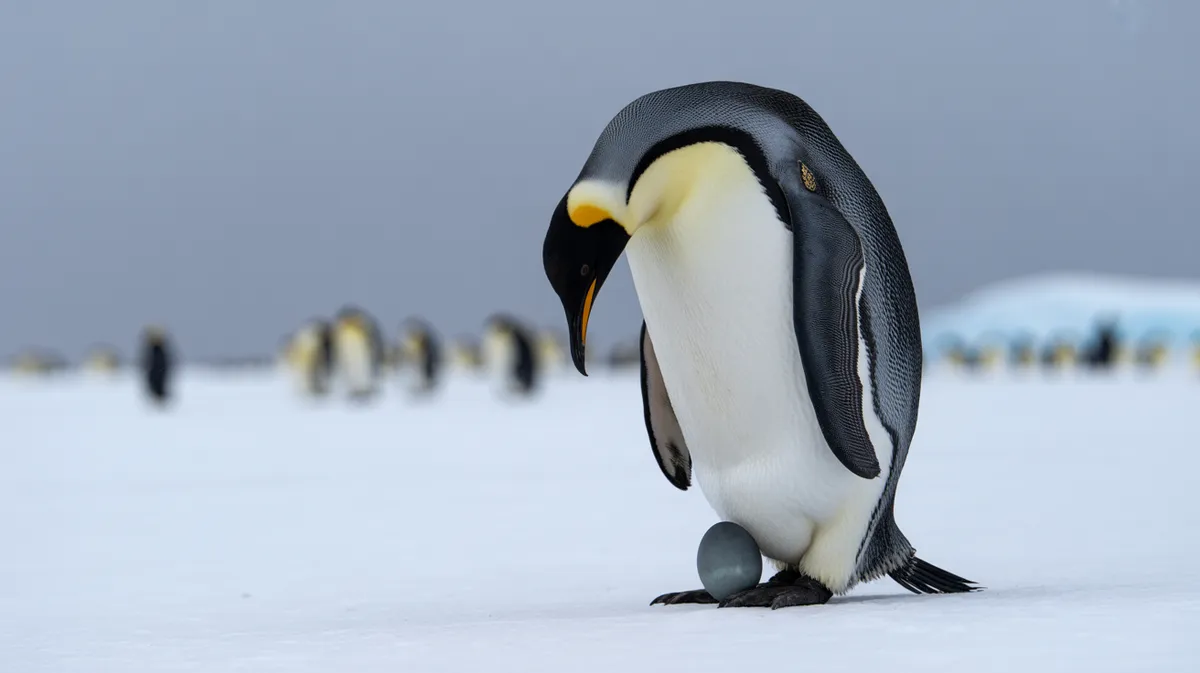
The emperor penguin endures one of the harshest parenting jobs on the planet. The male balances a single egg on his feet through the Antarctic winter, huddling against −40°C blizzards and going without food for over two months, losing nearly half his body weight before the female returns to take over.
To endure the −40°C cold, the fasting fathers huddle by the thousand, constantly rotating so each bird takes a turn sheltered at the warm centre of the group. By the time the female returns with food, the male has kept the chick alive on a special 'crop milk' secreted from his own throat.
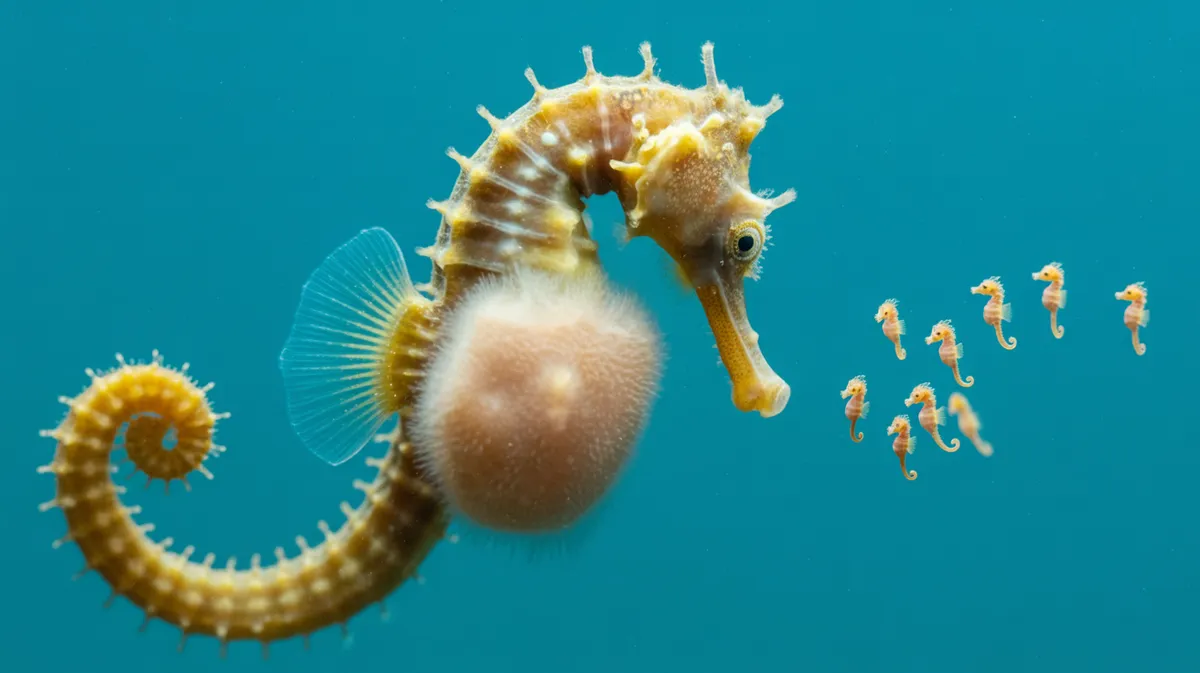
4. Seahorse
In one of nature's great role reversals, it's the male seahorse who gets pregnant. The female deposits her eggs into a pouch on his belly, where he fertilises them, regulates their environment, and eventually gives birth to hundreds of fully formed babies in a series of muscular contractions.
Carrying the young lets the female begin producing her next batch of eggs immediately, so the pair can breed faster as a team. Seahorses are also famously faithful, with many species pairing for a whole season and greeting each other each morning with an entwined 'dance'.
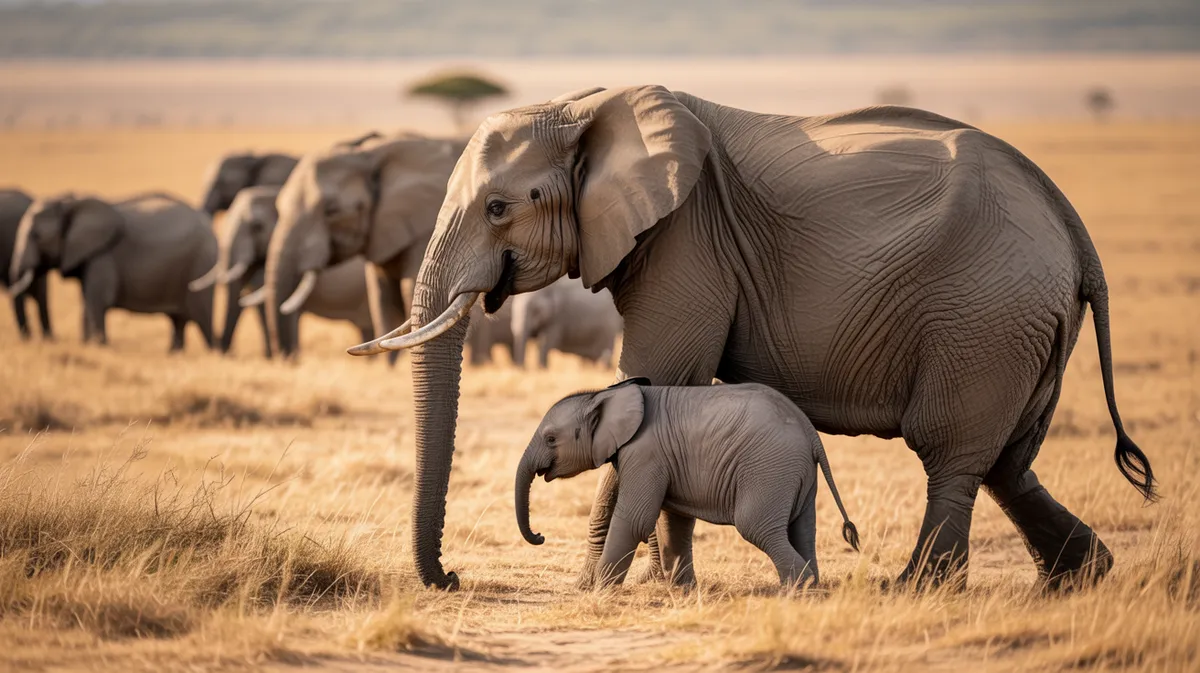
5. African Elephant
Elephant calves are raised not just by their mothers but by the whole herd, a system of "alloparenting" in which aunts and older sisters help protect and guide the young. A calf may nurse for several years, and the matriarch's decades of memory — where to find water, how to avoid danger — become the calf's inheritance.
If a calf is orphaned, other females will often adopt and nurse it, and the whole herd will slow down or rally to shield a struggling youngster. This shared, multi-generational care is a big reason elephants thrive in places that would defeat a lone parent.
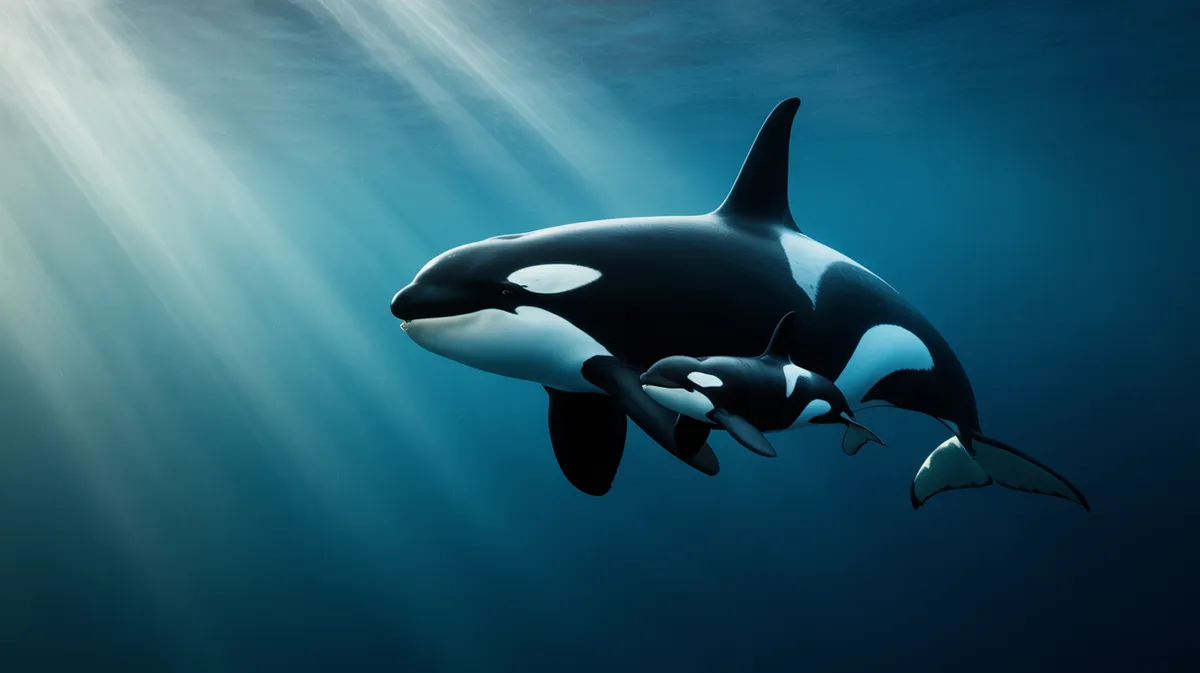
6. Orca
Orcas form some of the tightest family bonds of any animal, with offspring often staying with their mothers for life. Females even go through menopause and live for decades afterwards as knowledgeable grandmothers, leading the pod to food during hard times — one of the only species besides humans known to do so.
Sons in particular stay close to their mothers for life, and studies show a male's risk of dying spikes in the year after his mother passes — she is that vital to his survival. Post-menopausal females also carry decades of ecological memory, guiding the pod to salmon through lean years.
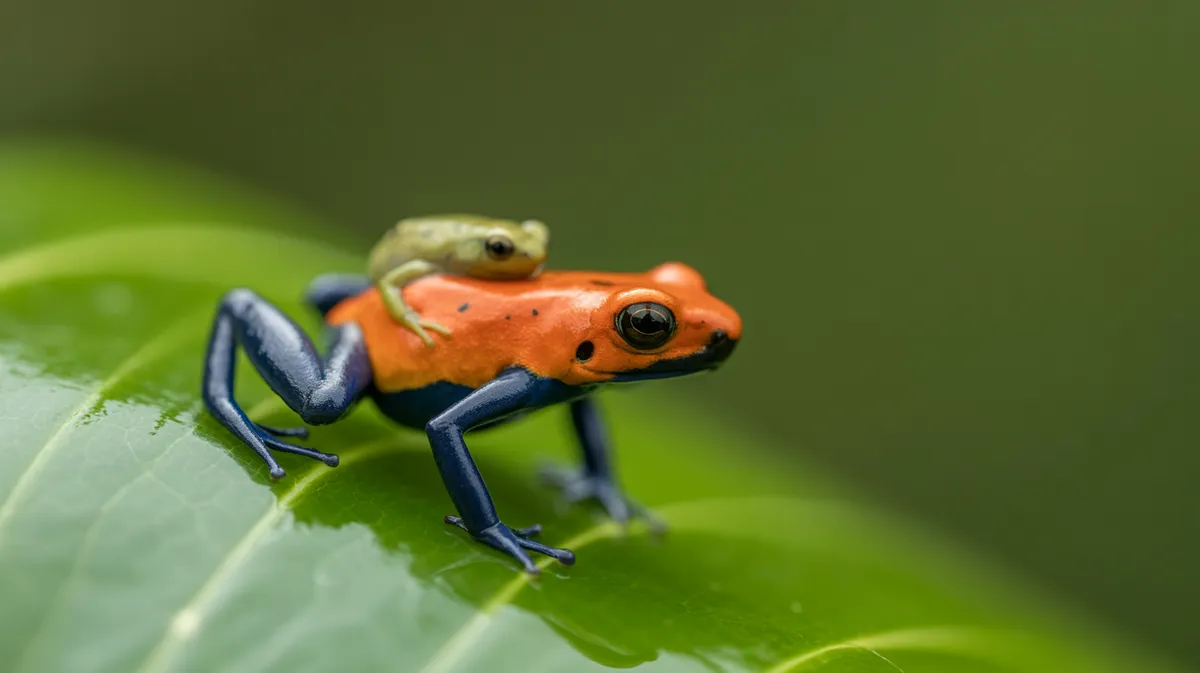
7. Strawberry Poison Frog
This tiny frog is a model of patience. The mother carries her newly hatched tadpoles one by one up into the canopy, depositing each in its own little pool of water trapped in a plant. Then she returns again and again to feed each tadpole with unfertilised eggs until it is grown.
Each tadpole is raised in its own tiny pool to keep the cannibalistic siblings apart, and the mother memorises the location of every one. She may tend several tadpoles in different plants at once for weeks — a feat of navigation and devotion astonishing in an animal so small.
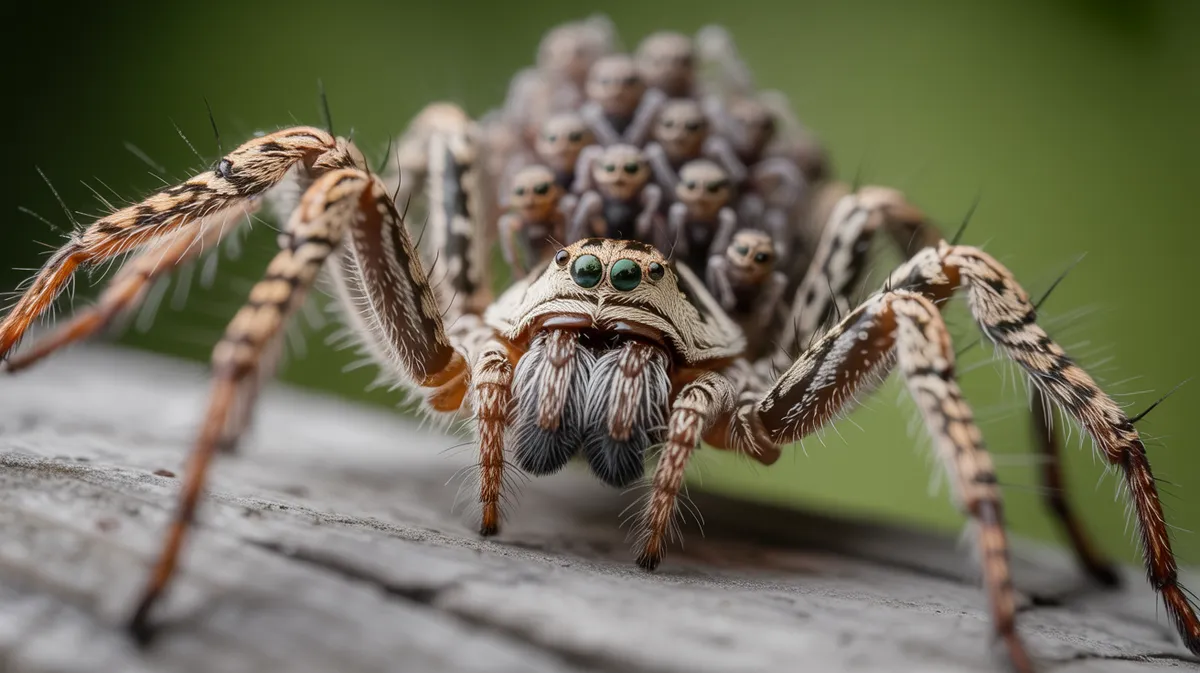
8. Wolf Spider
Unlike most spiders, the wolf spider carries her egg sac with her everywhere, attached to her spinnerets. When the spiderlings hatch, they climb onto her back and ride there — sometimes dozens at a time — until they're large enough to strike out on their own.
She is unusually attentive for a spider, angling the egg sac toward the sun to keep the developing young at the right temperature. If the sac is torn away she will search frantically to retrieve it, and a deprived mother may even cradle a substitute ball of cotton.
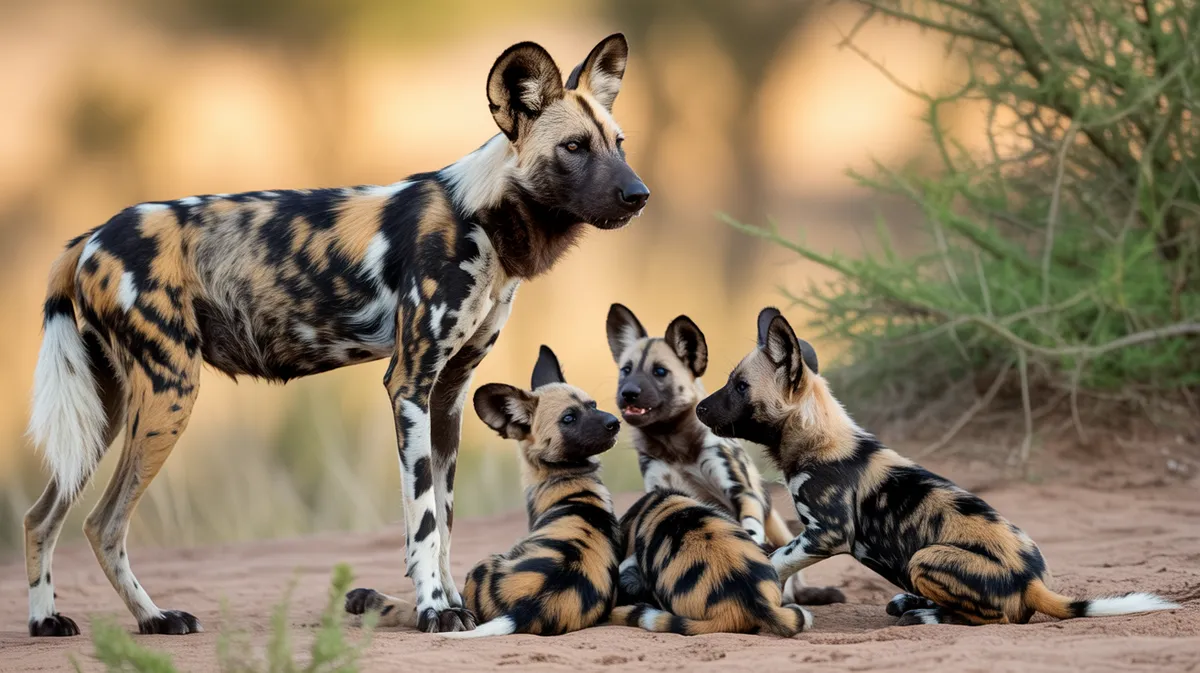
9. African Wild Dog
African wild dogs raise their pups as a true team. The whole pack helps feed and guard the litter, and adults returning from a hunt will regurgitate food not just for the pups but for any pack member that stayed behind to babysit. Their cooperative care is a big reason for their famously high hunting success.
Pups are given priority at a kill, eating before the adults — the reverse of most predator hierarchies — and sick or injured pack members are fed too. This relentless teamwork, including babysitting shifts at the den, helps explain why wild dogs raise more pups to adulthood than many larger carnivores.
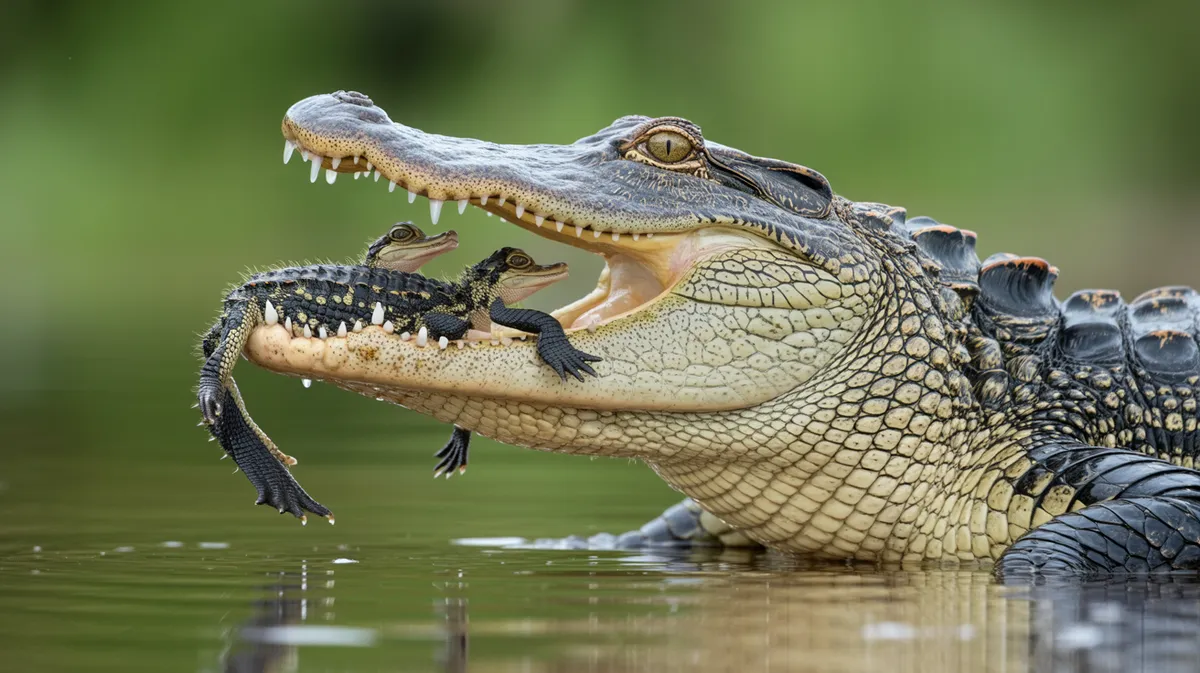
10. Alligator
Surprisingly tender for such a fearsome reptile, the female alligator guards her nest fiercely and, when the eggs hatch, gently carries her hatchlings to the water in her enormous jaws. She may protect her brood for up to a year — a level of maternal care almost unheard of among reptiles.
She builds a mound of vegetation whose rotting heat incubates the eggs, and the temperature inside even determines whether the hatchlings are male or female. When the babies start chirping inside their shells, she gently digs them out and ferries them to the water in her enormous jaws.
What makes a good animal parent?
The pattern is investment: the best animal parents have fewer young but pour enormous resources into each one, trading quantity for quality. Whether it's a penguin starving in a blizzard or an octopus brooding herself to death, devotion this intense exists because, for these species, it works.
Frequently asked questions
What animal is the best parent? Strong contenders include the orangutan (years of teaching), the emperor penguin (extreme sacrifice), and the octopus (which often dies guarding her eggs).
Which animal dads are the most involved? The male seahorse actually gives birth, and the male emperor penguin incubates the egg through the Antarctic winter.
Do any animals have grandmothers like humans? Yes — orcas go through menopause and help raise and guide their pods for decades afterwards.
From the most devoted to the highest fliers: finish with the 10 highest-flying animals, or revisit the 10 deepest-diving animals on Earth.