
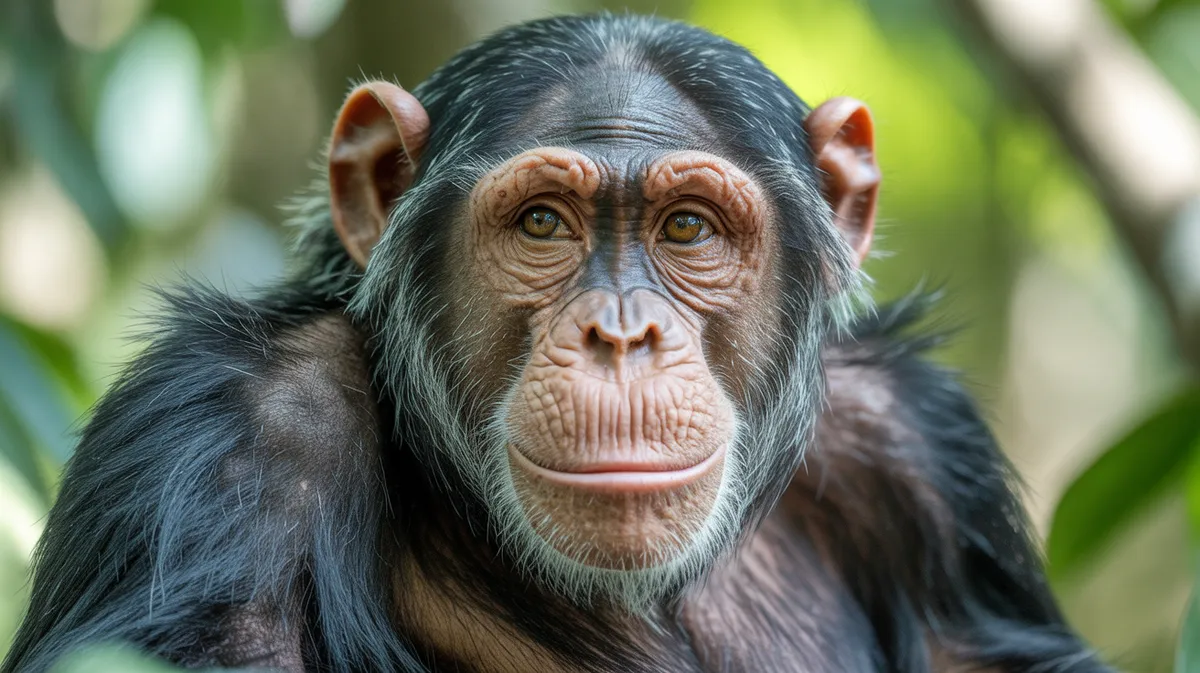
Intelligence is even harder to rank than speed or strength, because there's no single yardstick — a crow that bends a wire into a hook and an octopus that unscrews a jar are brilliant in completely different ways. Still, decades of cognitive research let us name the animals that consistently astonish scientists. This entry in our Nature's Record-Breakers series counts down the smartest animals on Earth.
It joins the rest of the series alongside the fastest, the strongest, and the deadliest animals. We've weighed problem-solving, tool use, self-awareness, memory, and social complexity — not brain size alone, which is a poor guide on its own.
1. Chimpanzee
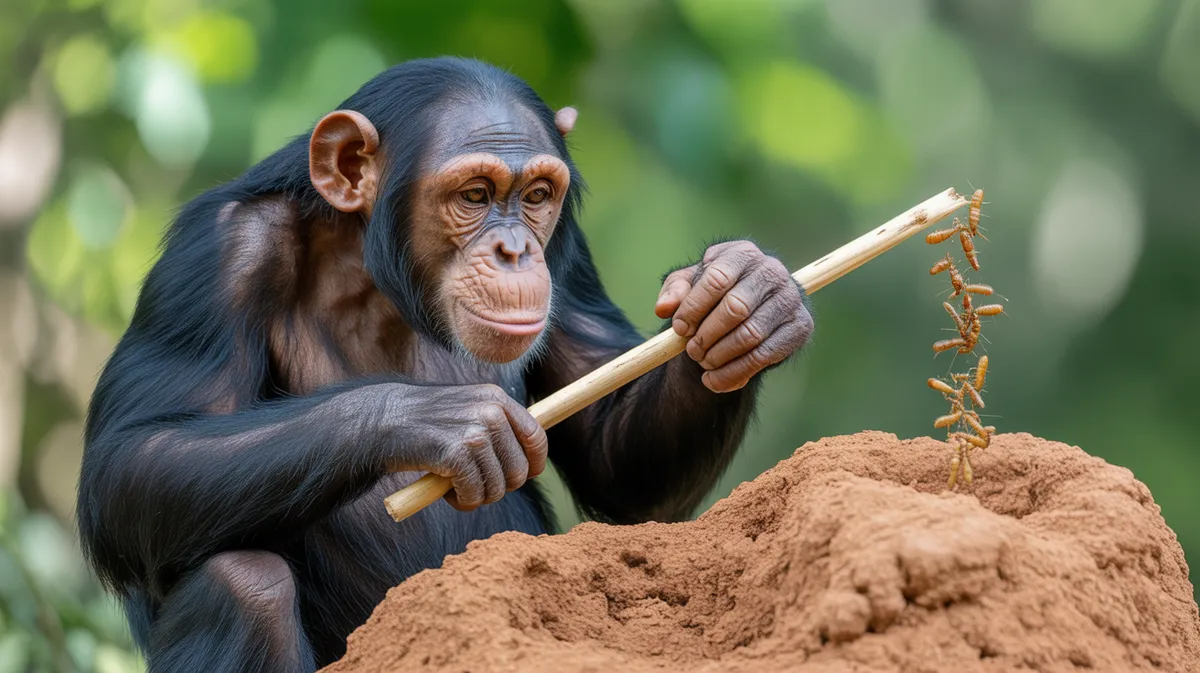
Our closest relatives make and use tools, wage coordinated conflicts, pass on local traditions, and — astonishingly — beat humans at certain rapid memory tasks. A chimp named Ayumu can glance at numbers flashed on a screen and recall their positions faster and more accurately than any adult human.
In the wild, different chimp communities keep their own distinct tool traditions — termite-fishing in one forest, nut-cracking in another — that are learned rather than instinctive and handed down through generations. That cultural transmission is one of the clearest fingerprints of real intelligence.
2. Bottlenose Dolphin
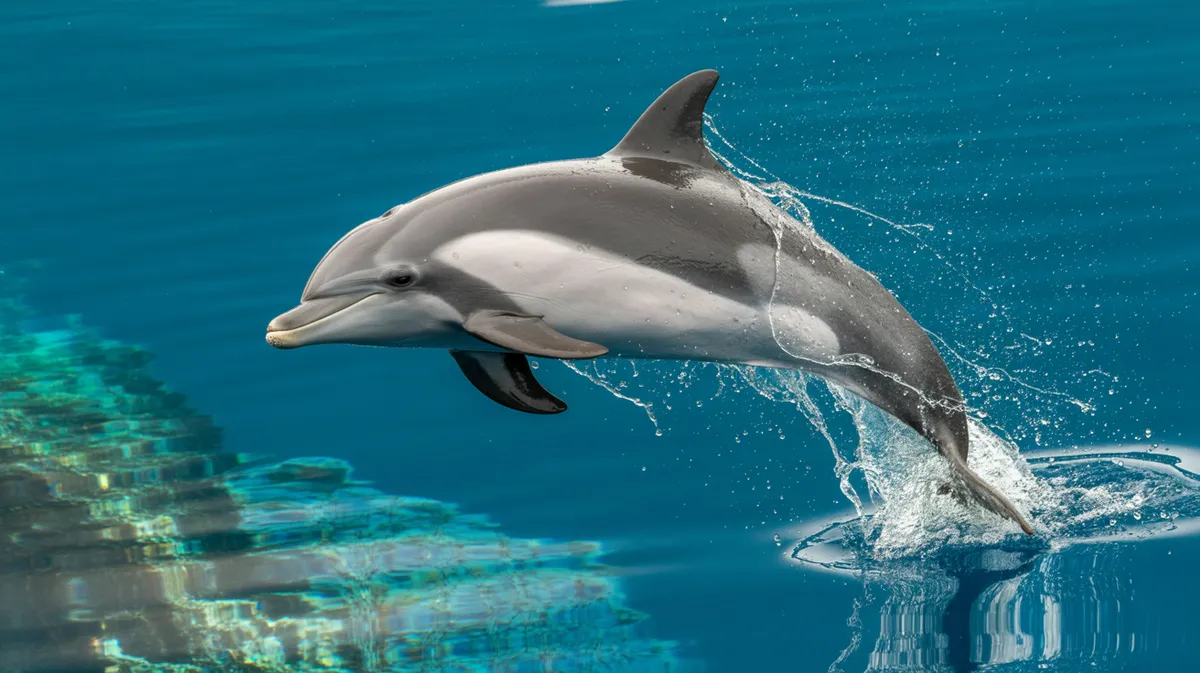
Dolphins recognise themselves in mirrors, address each other with signature "names," cooperate in elaborate hunts, and can be taught to understand simple grammar and abstract concepts. Their brain-to-body ratio is second only to ours.
Some populations have even invented their own tools, carrying sponges on their snouts to protect them while foraging on the rough seafloor — a trick mothers teach their daughters. It is one of the few documented cases of tool culture outside the primates.
3. Elephant
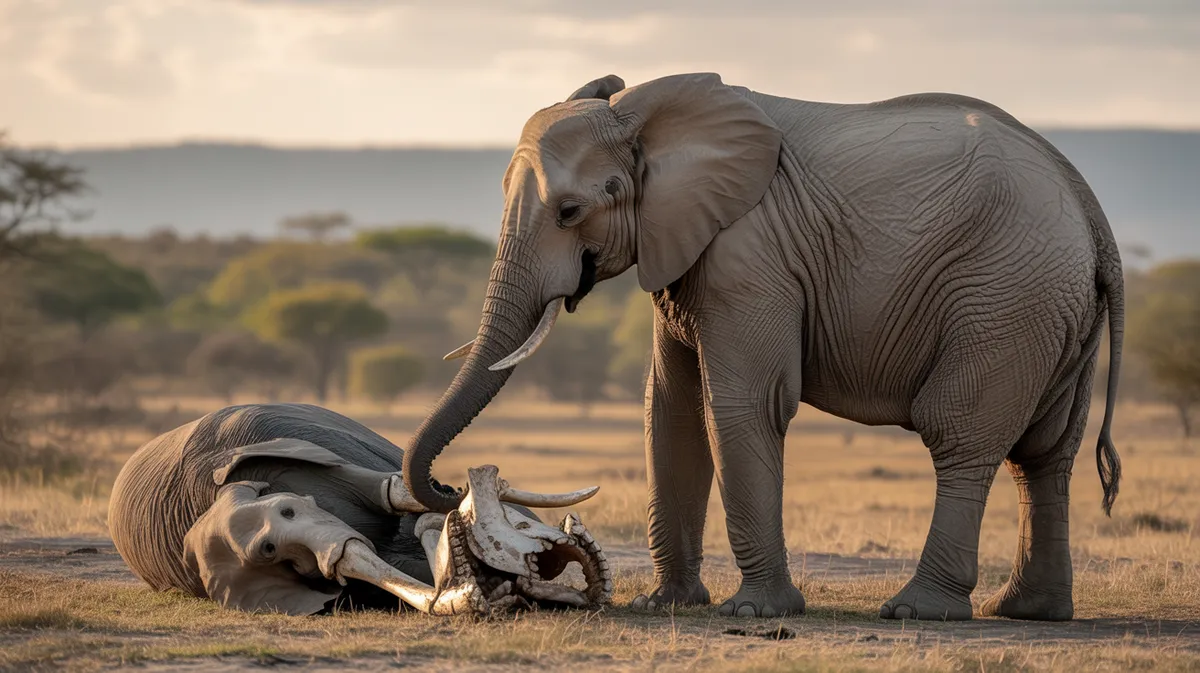
Elephants pass the mirror self-recognition test, mourn their dead, remember watering holes and individuals across decades, and use tools like branches to swat flies. Their memory isn't a myth — it's a survival adaptation honed over a long, social life.
Elephants also appear to grieve, lingering over the bones of dead relatives and touching them gently with their trunks. Their social intelligence — tracking the relationships and histories of dozens of individuals — rivals that of the great apes.
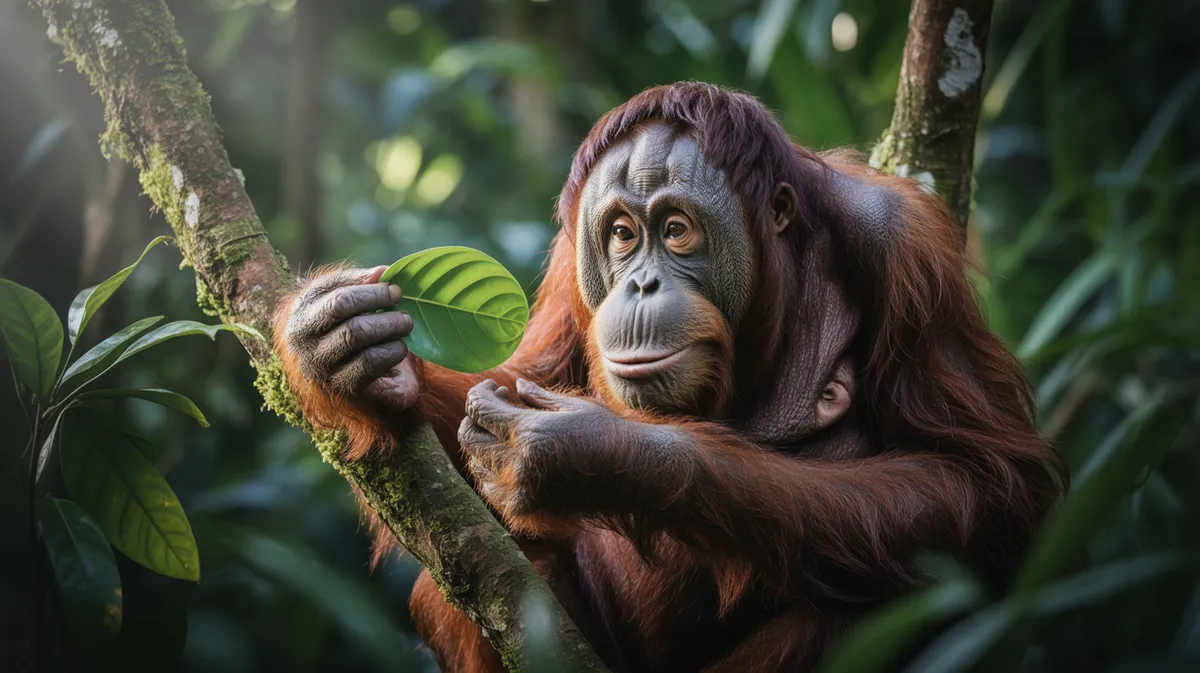
4. Orangutan
The quiet genius of the great apes, orangutans craft tools, plan ahead, and have been observed using leaves as gloves and even improvising "whistles." In captivity they're notorious escape artists, methodically testing every weakness in an enclosure.
Their intelligence is shaped by a solitary, problem-rich life in the canopy, where finding scattered fruit demands planning and memory. Captive orangutans have been caught picking locks, bending wire into tools, and even concealing their escape attempts from keepers.
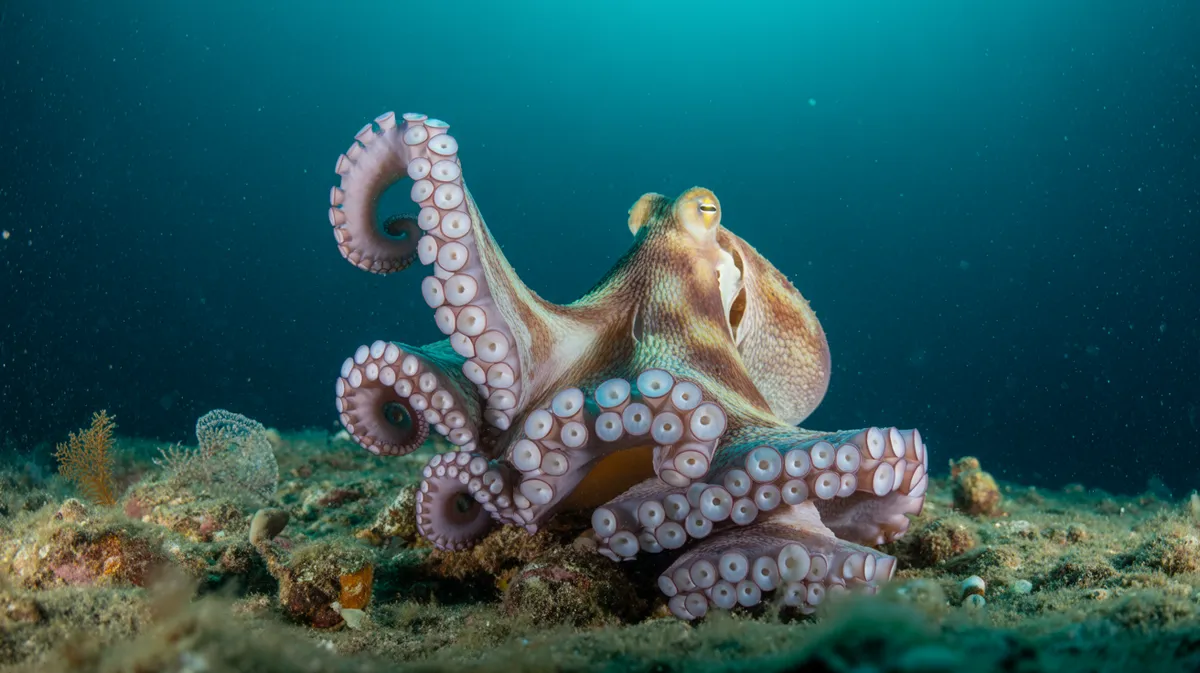
5. Octopus
The only invertebrate on the list, and arguably the most alien intelligence on Earth. Octopuses open jars, navigate mazes, use coconut shells as portable shelters, and recognise individual human keepers — all with most of their neurons distributed through their arms rather than a central brain.
What makes octopus intelligence so startling is that it evolved completely independently of ours, on a branch of life separated from us by 500 million years. It is the closest thing we have to meeting an intelligent alien.
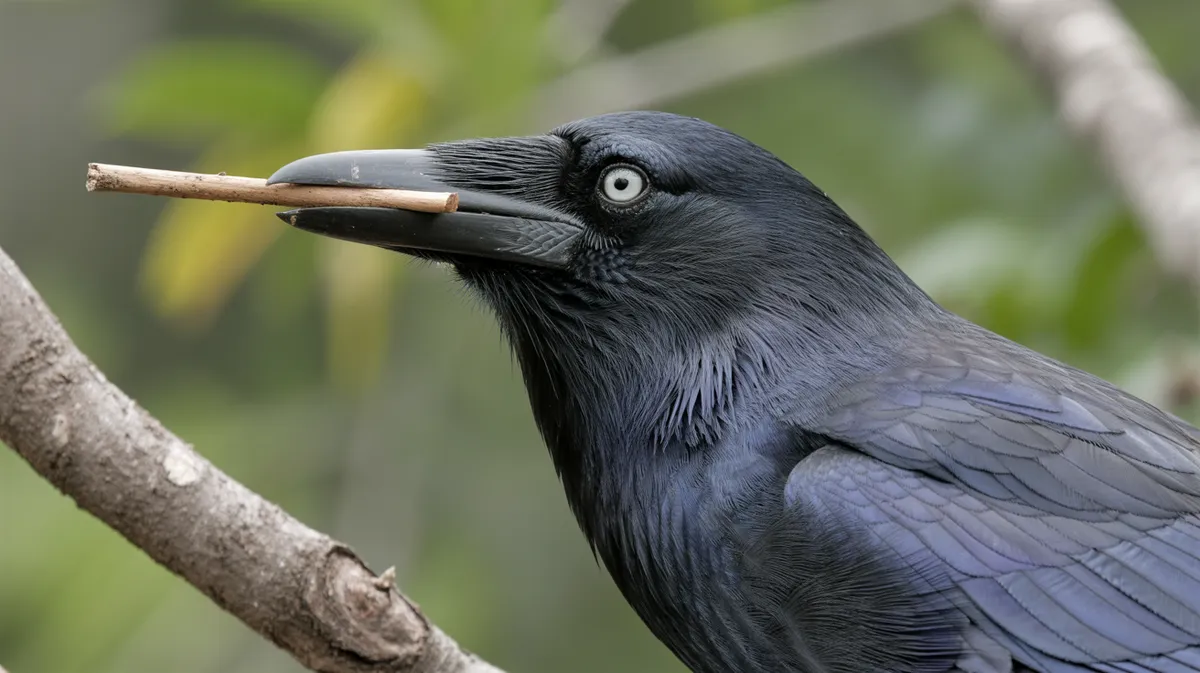
6. New Caledonian Crow
Corvids are the brains of the bird world, and this crow is the standout: it manufactures hooked tools from twigs and leaves, solves multi-step puzzles, and understands water displacement well enough to pass tests designed for human children.
In experiments these crows solve puzzles requiring up to eight separate steps in the right order, and will craft tools they have never seen before to reach a reward. On some tests their problem-solving matches that of a five-to-seven-year-old child.
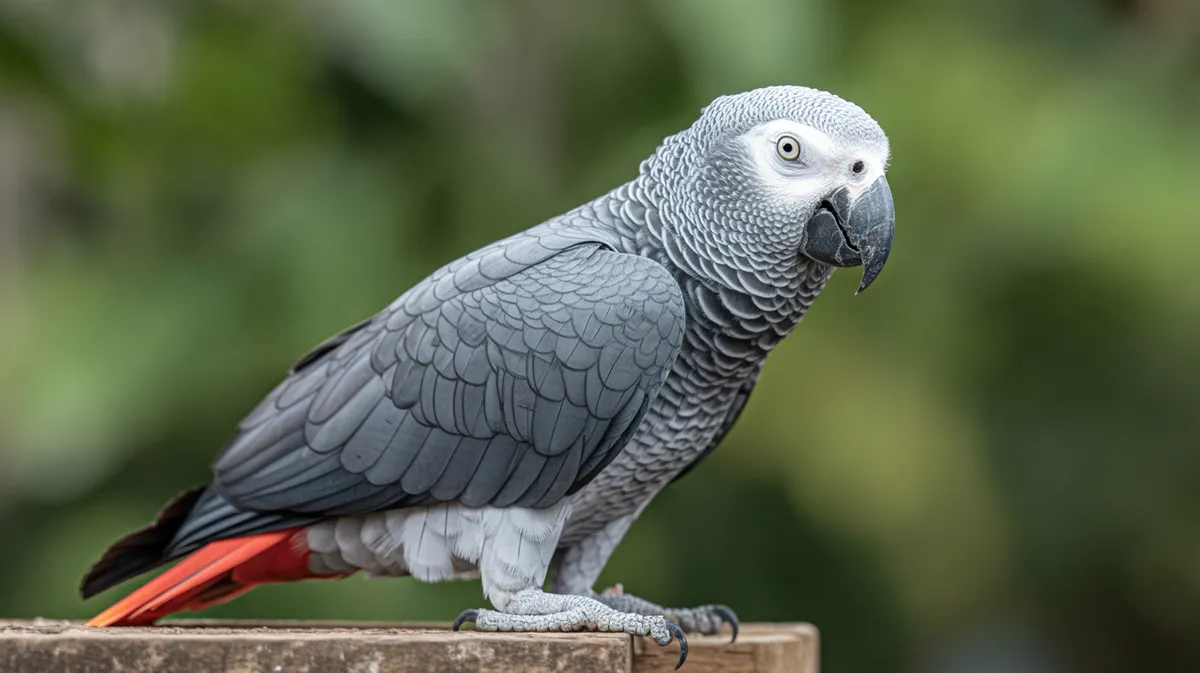
7. African Grey Parrot
The famous African grey named Alex learned over 100 words, could count, identify colours and shapes, and grasp the concept of "zero" — and used them to make genuine requests. His last words to his trainer were reportedly, "You be good. I love you."
Alex's abilities forced scientists to take animal cognition seriously, showing a bird brain could juggle concepts once thought uniquely human. Greys are such demanding minds that bored, under-stimulated pets often develop genuine neuroses.
8. Pig
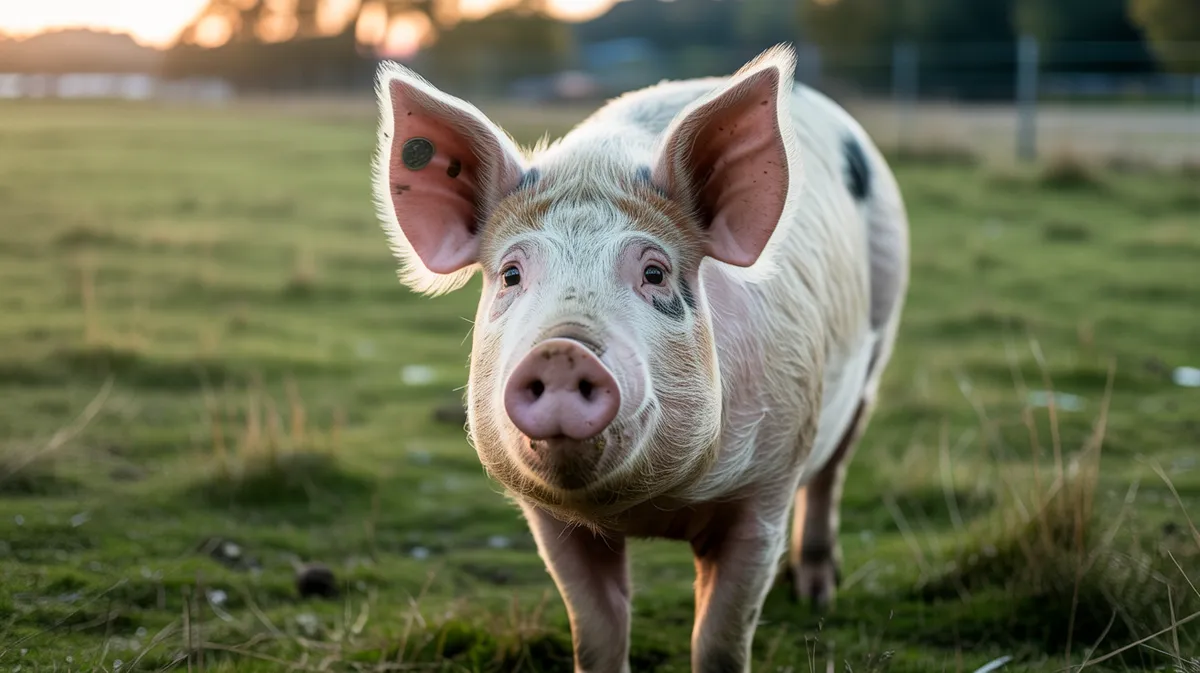
Pigs outperform dogs on several cognitive tests, learn their names, play simple video games with a joystick, and can use mirrors to find hidden food. Behind the farmyard image is one of the sharpest minds in the animal kingdom.
Pigs also show empathy and can turn measurably optimistic or pessimistic depending on their living conditions — a sign of real emotional complexity. That intelligence is increasingly central to debates about farm-animal welfare.
9. Orca
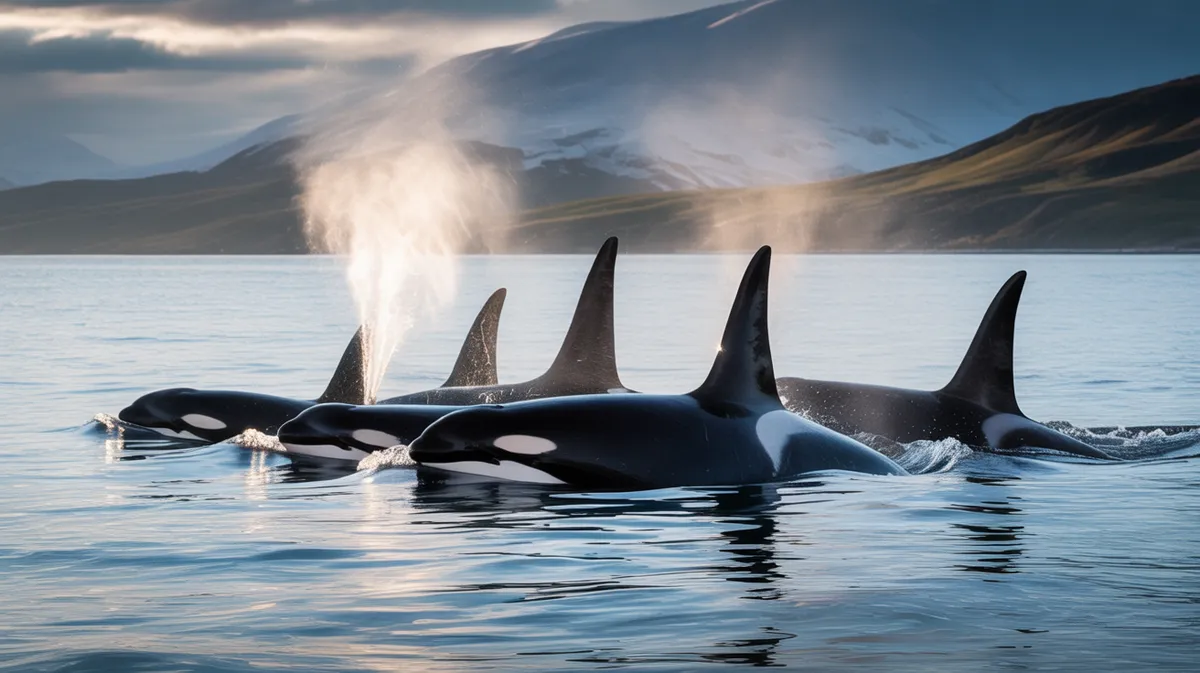
Killer whales have the second-largest brain of any animal and live in cultures — distinct dialects, hunting techniques, and traditions passed down through generations. Different pods have effectively different "languages" and cuisines.
Different orca populations specialise in radically different prey — some hunt seals, others salmon, others sharks — and pass these techniques down as learned traditions. A few pods have even developed coordinated wave-washing to knock seals off ice floes.

10. Dog
Thousands of years alongside humans gave dogs an almost supernatural ability to read us. The smartest, like the border collie Chaser, learned the names of over 1,000 objects and could infer new words by elimination.
Dogs are uniquely attuned to human gestures, following a pointed finger or even a glance in ways that stump chimpanzees. Thousands of years at our side selected for animals that could read our intentions almost instinctively.
11. Rat
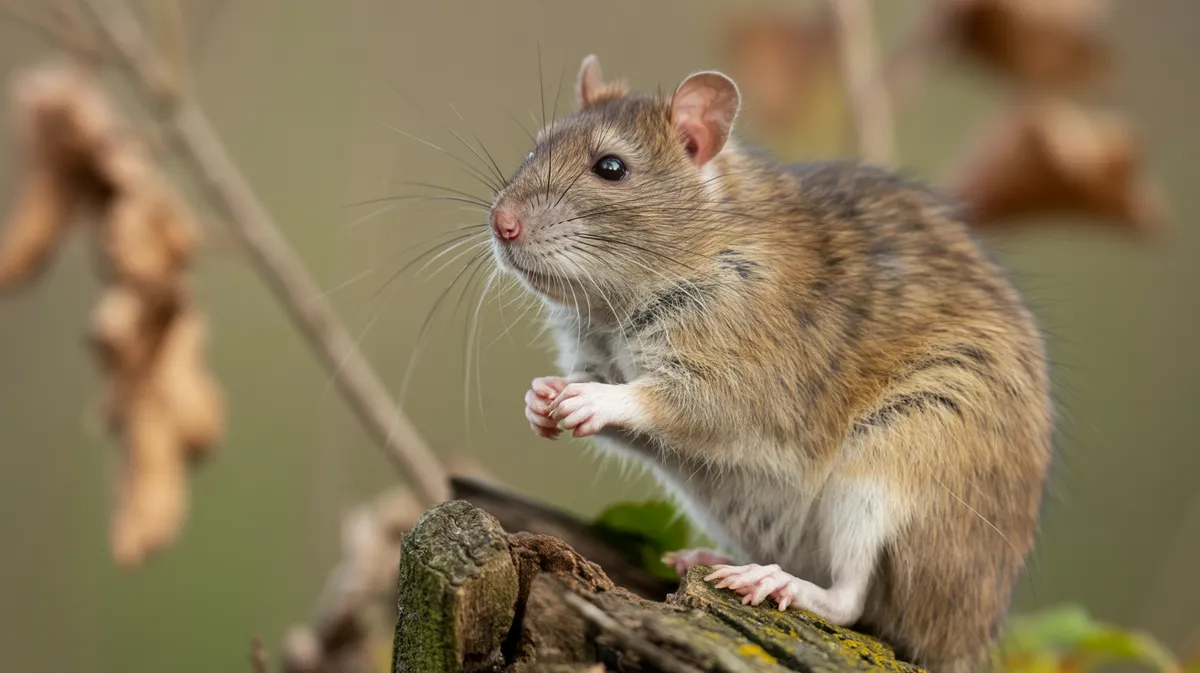
Rats show empathy — freeing trapped companions even when there's no reward — navigate complex mazes, and appear to dream about routes they've run. Their problem-solving is why they remain the workhorse of behavioural science.
Rats also show metacognition — they seem to know when they don’t know something, declining a hard test in favour of a smaller guaranteed reward. That awareness of one’s own uncertainty was long believed to be a hallmark of only the higher minds.
12. Honeybee
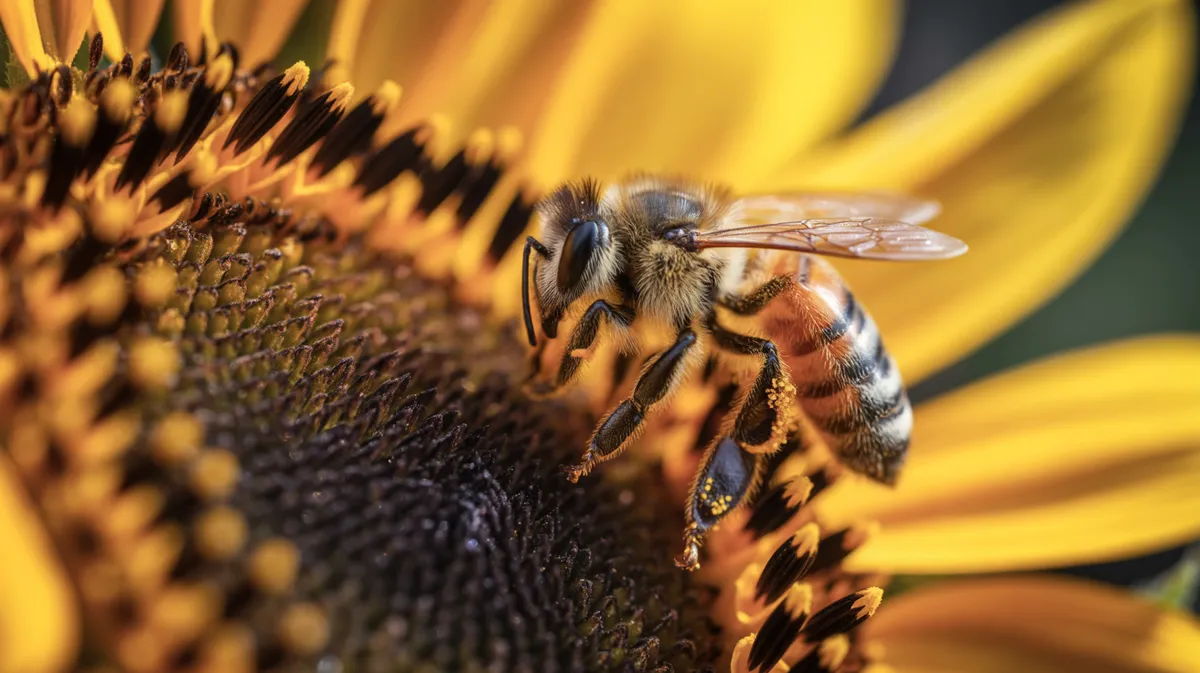
A brain smaller than a sesame seed, yet bees count, recognise human faces, grasp the concept of zero, and share the location of food through a symbolic "waggle dance" — a genuine abstract language in an insect.
Researchers have even taught bees to roll a ball to a target for a reward — and shown they learn the trick faster after watching another bee do it first. For an insect, that capacity for social learning is genuinely astonishing.
How do you even rank intelligence?
You can't, cleanly — which is the point. The octopus and the honeybee solve problems no ape ever faces, and vice versa. What unites this list isn't a single super-skill but flexibility: the ability to meet a brand-new problem and improvise a solution.
Frequently asked questions
What is the smartest animal after humans? Most researchers point to chimpanzees, with dolphins and elephants close behind.
What is the smartest bird? The New Caledonian crow and the African grey parrot are the usual top contenders.
Are octopuses really intelligent? Yes — they're the most cognitively advanced invertebrate known, capable of tool use, problem-solving, and individual recognition.
From the brightest to the biggest: finish the series with the 10 biggest animals on Earth, or revisit the fastest animals on Earth.