
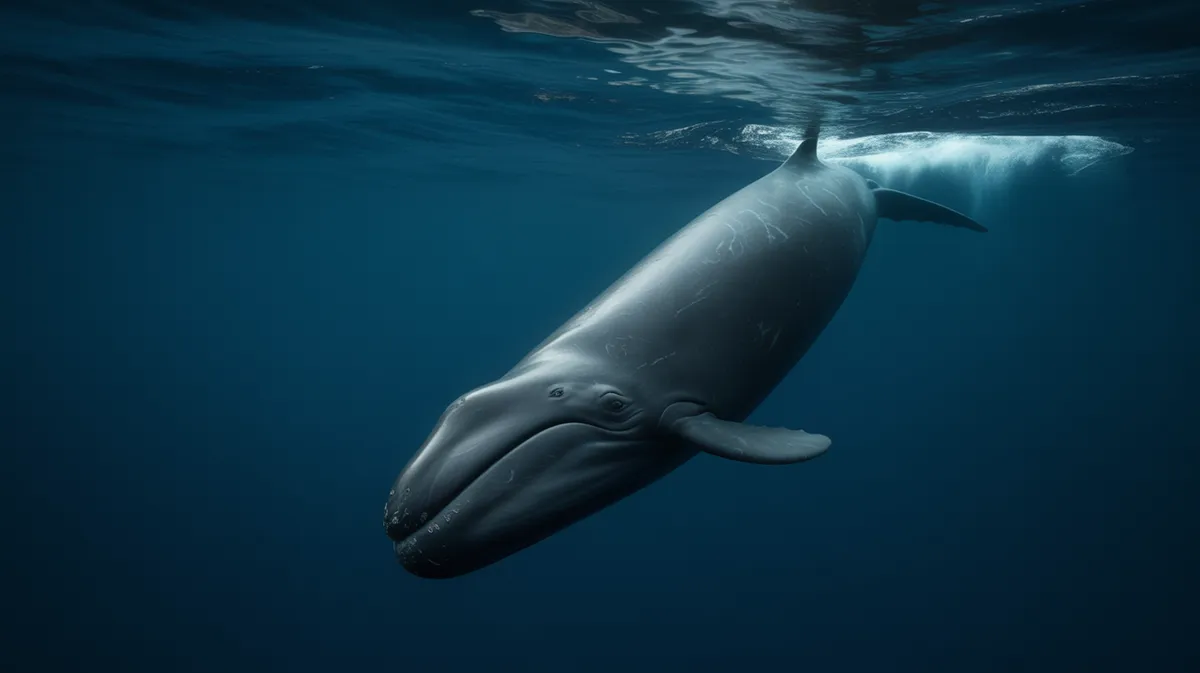
The deep ocean is the largest and least explored habitat on Earth — cold, utterly black, and crushed under pressures that would flatten a submarine. Yet a remarkable cast of animals goes there on purpose, some holding their breath for over an hour, others spending their entire lives in the abyss. This entry in our Nature's Record-Breakers series ranks the deepest-going animals on Earth, from record-setting divers to creatures of the trenches.
It joins the rest of the series, from the biggest animals to the loudest. We've mixed true breath-holding divers with permanent deep-sea dwellers, because both push the limits of what life can survive — and flagged which is which.
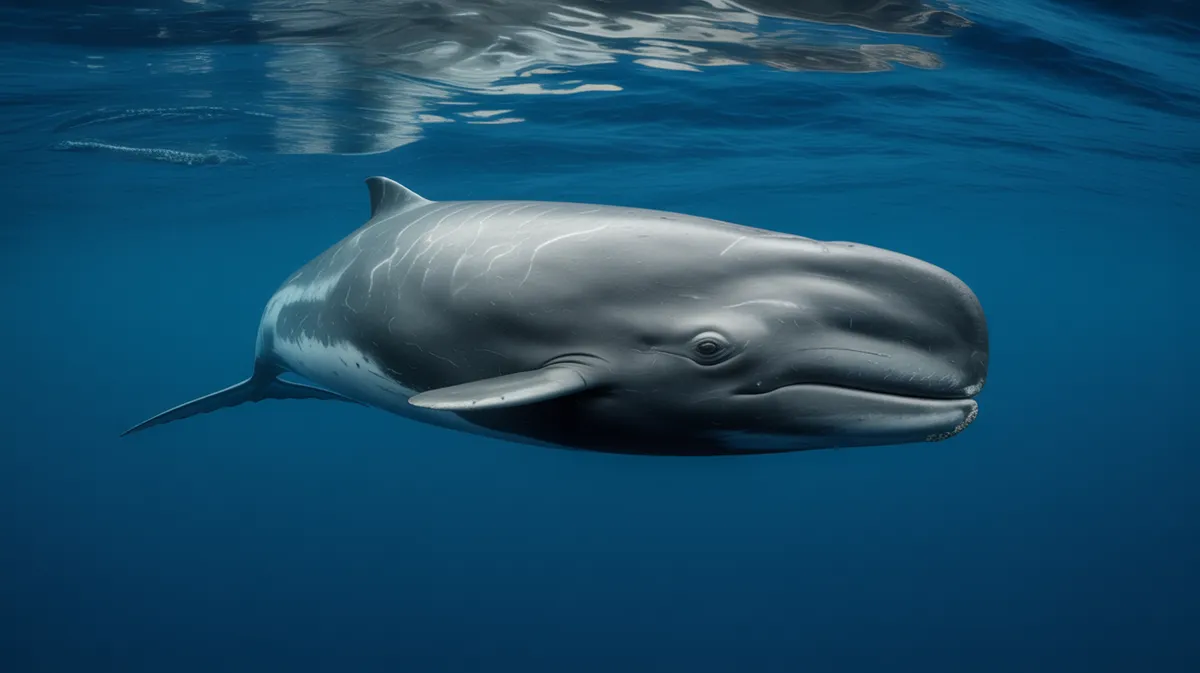
1. Cuvier's Beaked Whale — 2,992 metres
The deepest-diving mammal ever recorded. A tagged Cuvier's beaked whale plunged nearly three kilometres down and stayed under for almost four hours — a feat no other air-breather comes close to. Its body collapses its lungs and slows its heart to a crawl, rationing oxygen stored in muscle and blood rather than air.
To pull this off it shuts down all but its most essential systems, collapsing its rib cage and lungs and living off oxygen bound up in its muscles. So extreme is its diving that scientists believe noise pollution from naval sonar can disrupt these dives with fatal consequences.
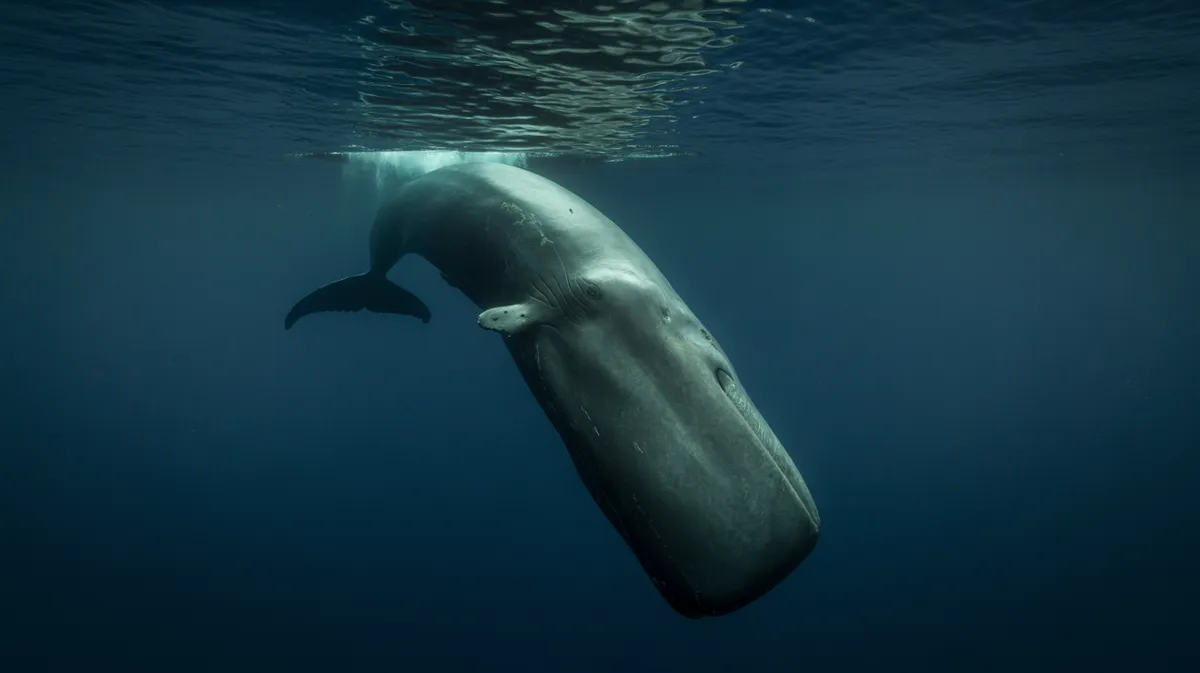
2. Sperm Whale — 2,250 metres
The largest toothed predator dives well over two kilometres to hunt squid in the lightless deep, holding its breath for up to 90 minutes. It hunts by sound, firing the loudest clicks of any animal to find prey it will never see — a link to its place on our loudest animals list.
Its enormous, oil-filled head doubles as a sonar device and possibly a buoyancy organ, helping it sink and rise through kilometres of water. Resting adults and calves nap vertically near the surface, hanging motionless like logs between their epic hunting descents.
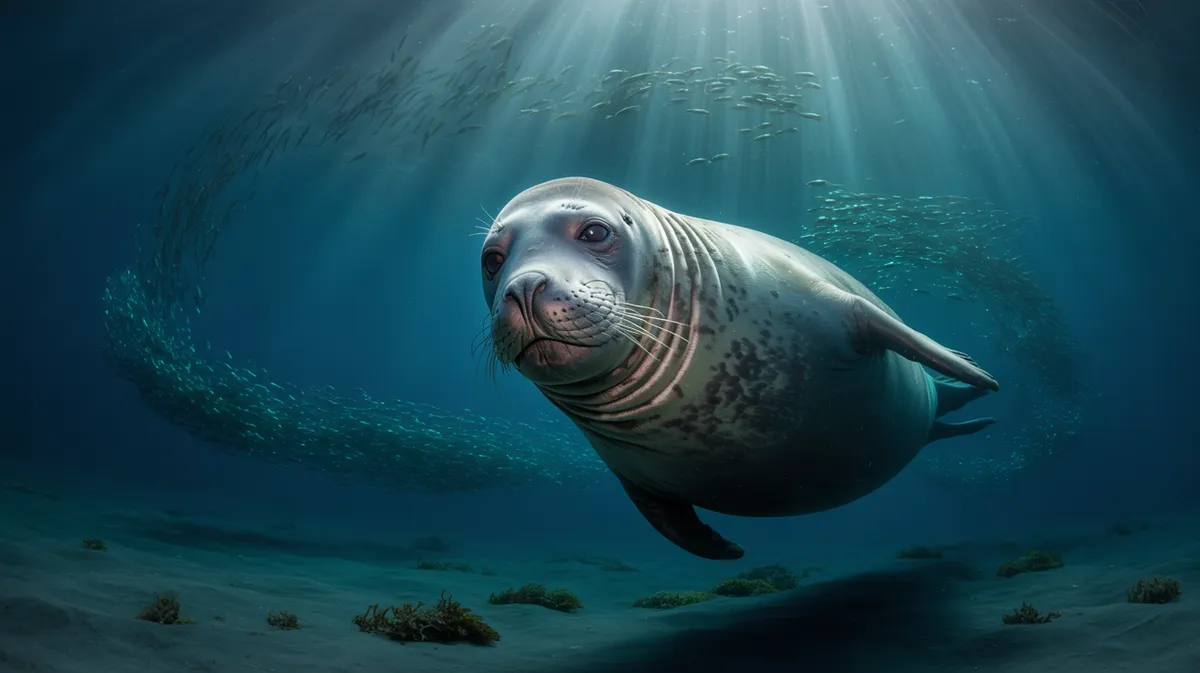
3. Southern Elephant Seal — 2,000 metres
The deepest-diving seal spends most of its life at sea, repeatedly diving up to two kilometres down and surfacing for only a few minutes between dives. Females in particular forage almost continuously, sleeping in brief drifting descents through the dark water column.
Bulls haul out to breed in raucous colonies, but at sea these are solitary, deep-water specialists that spend up to ten months a year hunting in the dark. Their huge eyes and sensitive whiskers let them track prey by movement where there is almost no light at all.
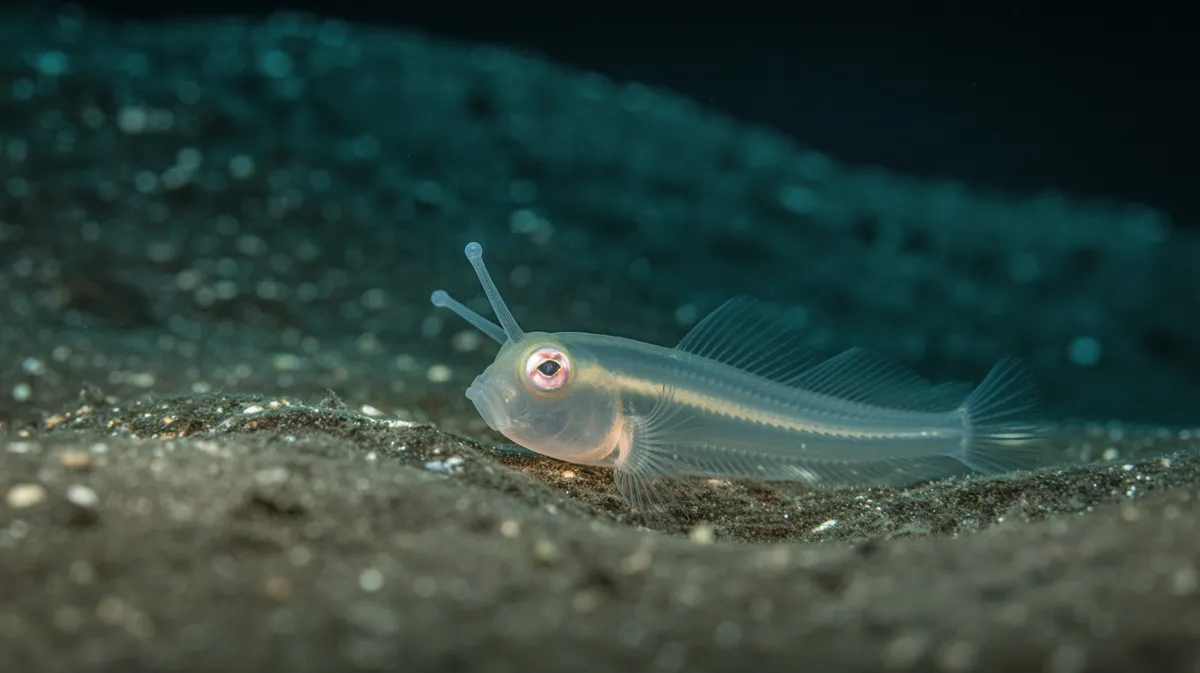
4. Mariana Snailfish — 8,000+ metres
This small, translucent fish holds the record for the deepest-living fish ever filmed, thriving more than eight kilometres down in the Mariana Trench. At that depth the pressure is over a thousand times that at the surface; the snailfish survives thanks to a special molecule that keeps its proteins from being crushed.
Far from being a tortured survivor, the snailfish actually thrives in the trench, where the absence of larger predators leaves it as a top hunter of tiny crustaceans. Its gelatinous body has no swim bladder — the gas-filled organ that would simply implode at such depths.
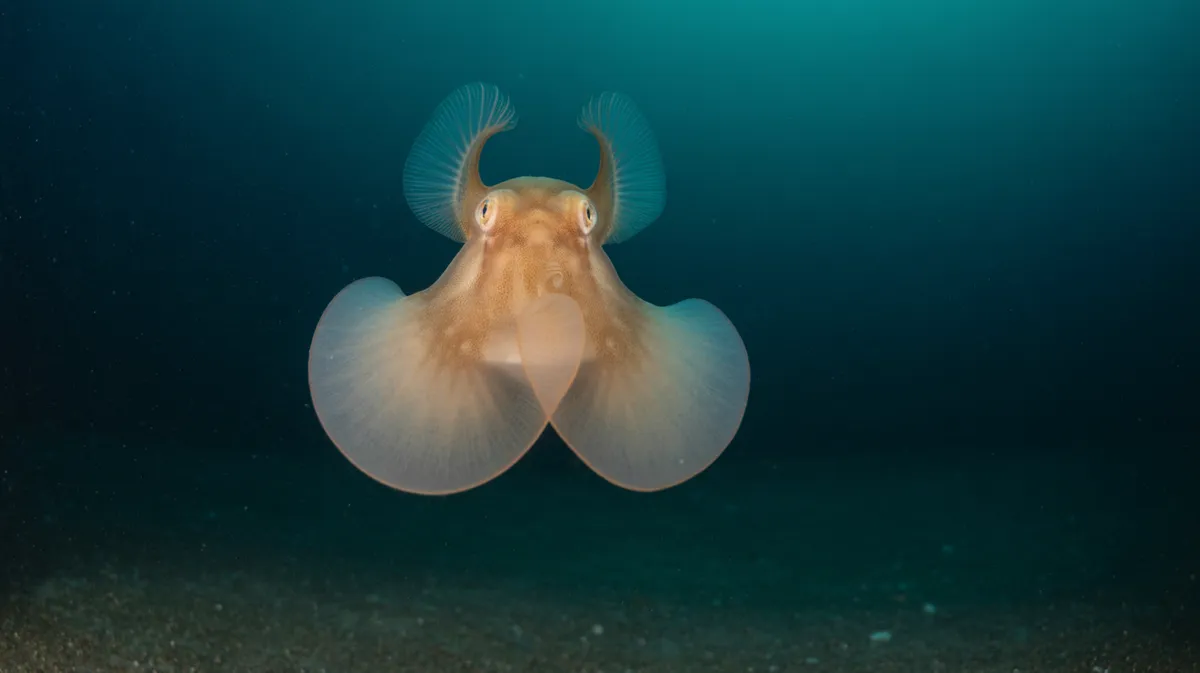
5. Dumbo Octopus — 6,000+ metres
Named for the ear-like fins it flaps to swim, the dumbo octopus is the deepest-living octopus known, drifting gently through the abyss thousands of metres down. With so little food available, it swallows prey whole and moves as little as possible to conserve energy.
Living where food is desperately scarce, it expends as little energy as possible, hovering rather than jetting and pouncing on whatever drifts within reach. It is also one of the few octopuses that swallows its prey whole instead of tearing it apart.
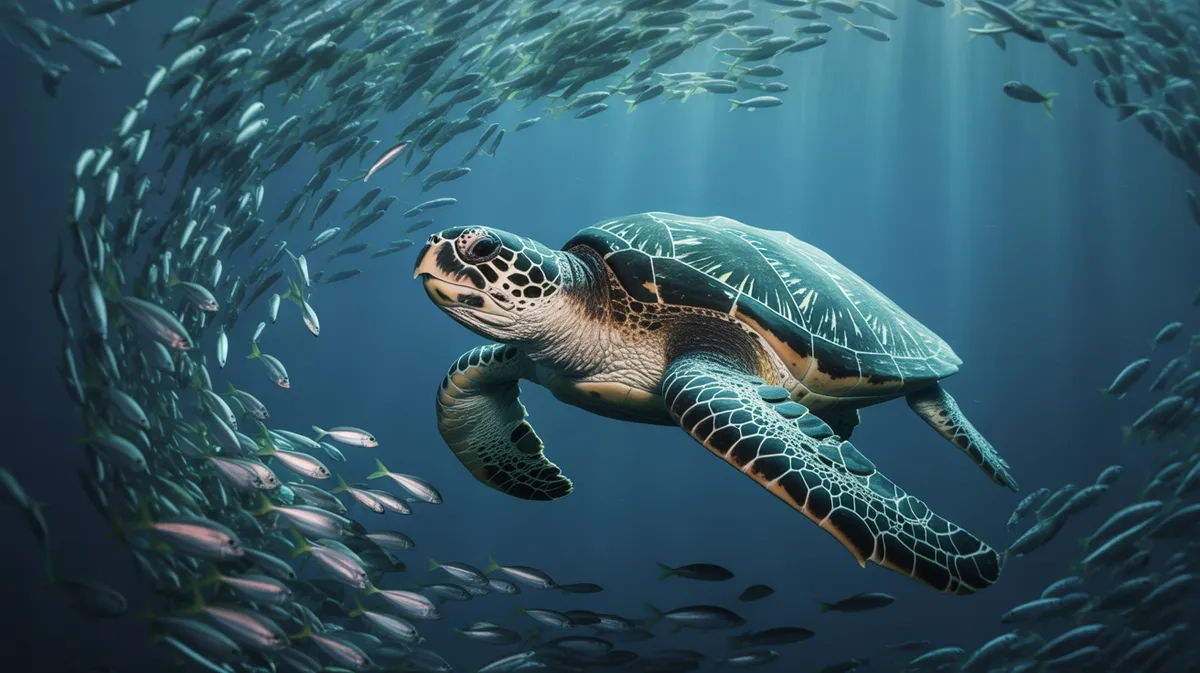
6. Leatherback Turtle — 1,200 metres
The deepest-diving reptile, the leatherback plunges over a kilometre down in pursuit of jellyfish. Unlike hard-shelled turtles, its flexible, oil-saturated body resists the crushing pressure, and it can hunt at depths most air-breathers never reach.
Uniquely among reptiles, the leatherback can hold its body temperature well above the frigid water around it, letting it forage in cold depths and even chilly northern seas. It needs every bit of that range to find enough jellyfish to fuel its enormous bulk.
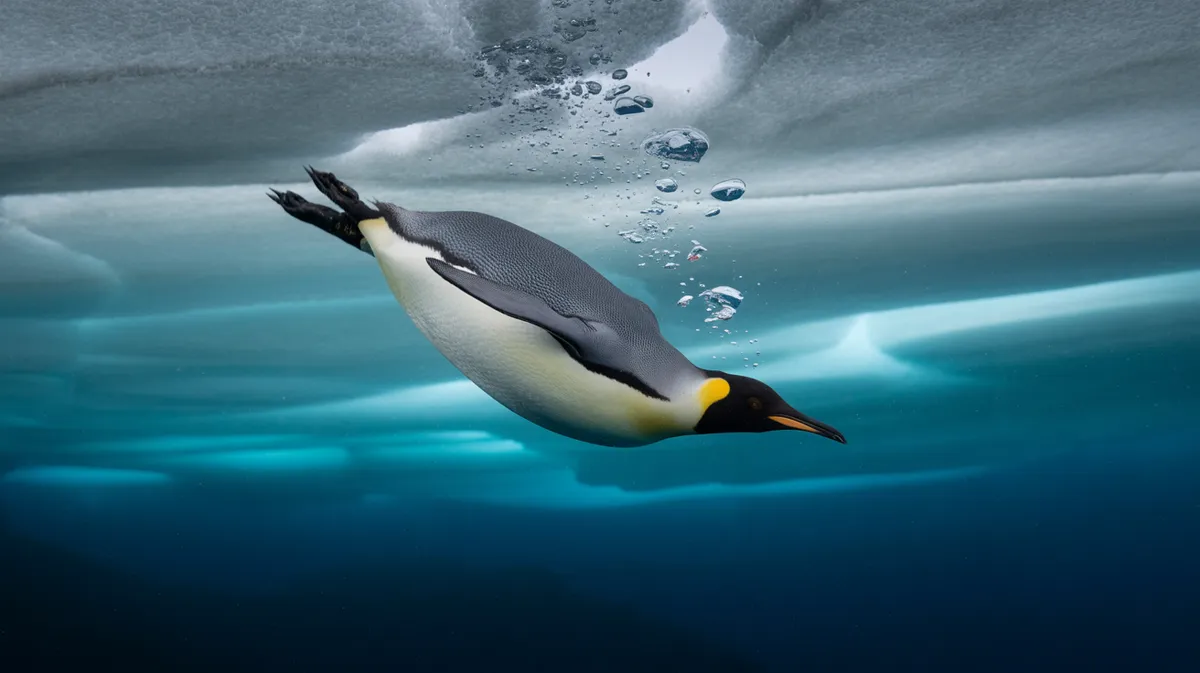
7. Emperor Penguin — 564 metres
The deepest-diving bird, the emperor penguin can descend more than half a kilometre and hold its breath for over 20 minutes while hunting fish under Antarctic ice. Solid, heavy bones — unusual for a bird — help it sink rather than fight its own buoyancy.
To survive dives this deep the penguin slows its heart to a handful of beats per minute and tolerates oxygen levels that would knock out most animals. It can even pack on extra red blood cells before a dive, effectively carrying its own scuba tank in its bloodstream.
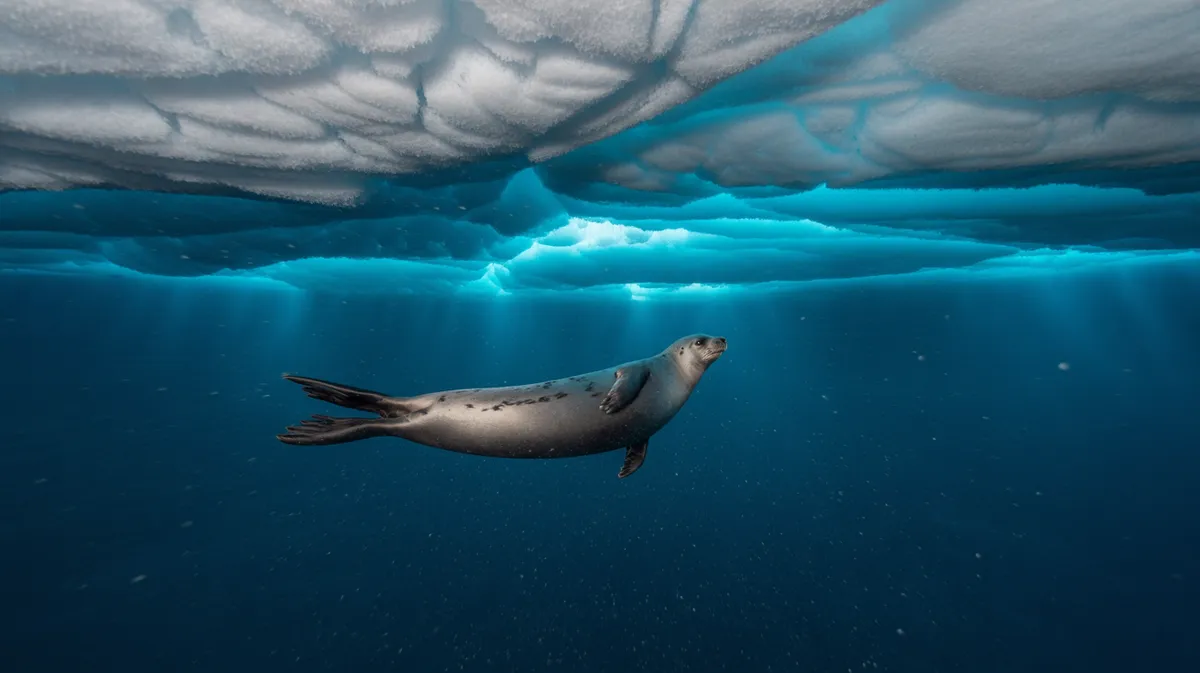
8. Weddell Seal — 700 metres
A master of life beneath the ice, the Weddell seal dives deep and long in near-total darkness, using the few cracks in the Antarctic ice as breathing holes. It can stay submerged for over an hour, navigating a frozen ceiling that would trap any animal that lost its way.
Living farther south than almost any other mammal, the Weddell seal keeps its breathing holes open by gnawing the ice with its teeth — a habit that wears them down and ultimately shortens its life. Its pups learn to dive within weeks of birth in one of the planet's harshest nurseries.
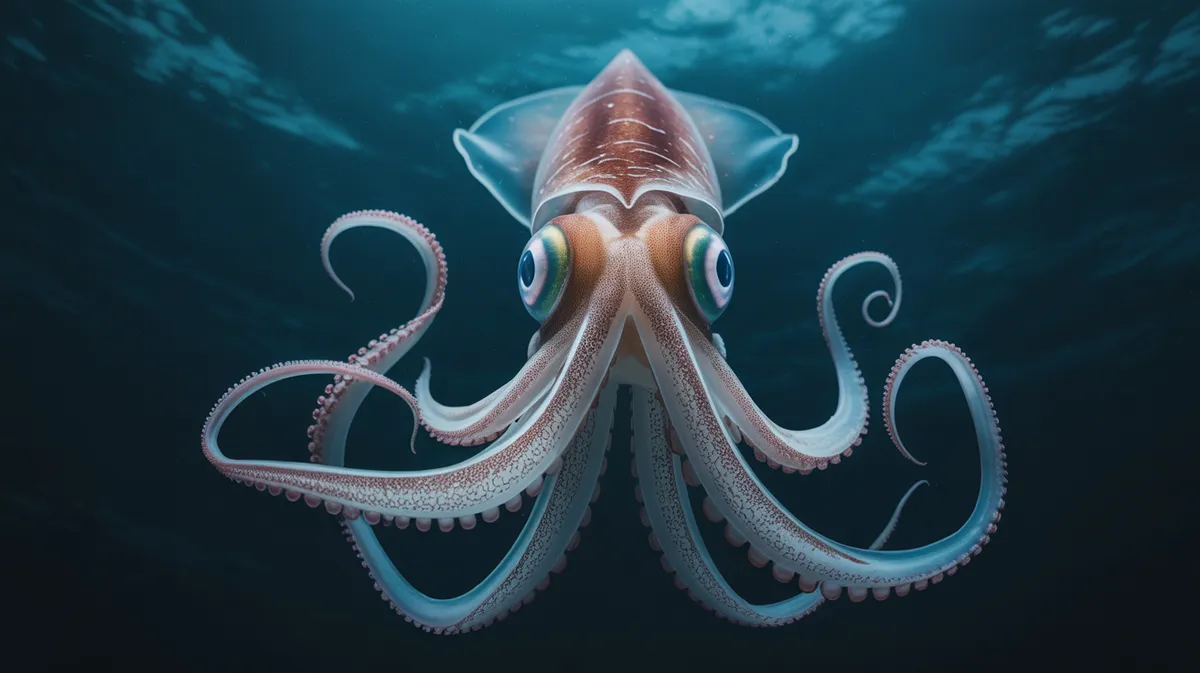
9. Giant Squid — 1,000+ metres
One of the ocean's great mysteries, the giant squid lives in the deep open sea and was never filmed alive in its habitat until 2012. Equipped with the largest eyes in the animal kingdom — to gather the faintest light — it shares the deep with the sperm whales that hunt it.
Almost everything once known about it came from carcasses washed ashore or hauled up in nets, which is why it fuelled centuries of sea-monster legends. Even today live sightings are so rare that each one makes scientific news around the world.
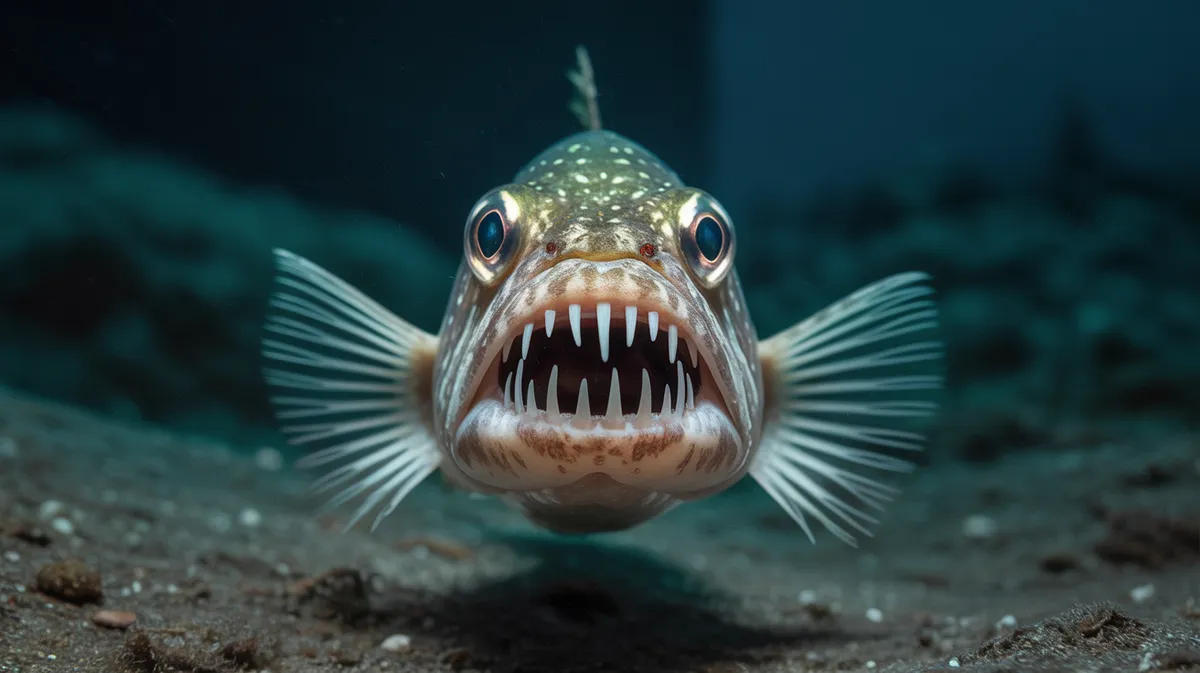
10. Fangtooth Fish — 5,000 metres
Despite its nightmarish appearance and the largest teeth relative to body size of any fish, the fangtooth is only the length of a hand. It haunts the deep ocean where meals are rare, so it strikes at anything it can fit in its mouth — a fitting ambassador for the strange world of the abyss.
Its teeth are so long they would not fit inside a closed mouth, so the fish has a pair of sockets in its skull to accommodate them. In the food-poor deep, where any meal might be the last for a while, those oversized fangs make sure whatever it grabs cannot escape.
How do they survive the pressure?
The trick isn't armour but flexibility: deep divers collapse air spaces, store oxygen in their muscles, and fill their bodies with fluids and fats that don't compress. Permanent residents go further still, building special molecules that keep their cells working where steel would buckle.
Frequently asked questions
What animal dives the deepest? Cuvier's beaked whale holds the mammal record at nearly 3,000 metres; the Mariana snailfish lives even deeper, beyond 8,000 metres.
What is the deepest-diving bird? The emperor penguin, which can reach over 560 metres.
How can fish live in the deepest ocean? They carry special pressure-stabilising molecules and have bodies with no air spaces to be crushed.
From the deepest to the most devoted: meet the 10 best animal parents, or the highest in the 10 highest-flying animals on Earth.