
Some animals are so rare that the entire global population could fit in a single room. These are the species clinging to the very edge of existence — a few dozen, sometimes a literal handful, standing between their kind and extinction. This entry in our Nature's Record-Breakers series counts down the rarest animals on Earth, and what's being done to save them.
It closes out the series alongside the biggest animals and the weirdest. These rankings change with every census — and heartbreakingly, the numbers almost always fall.
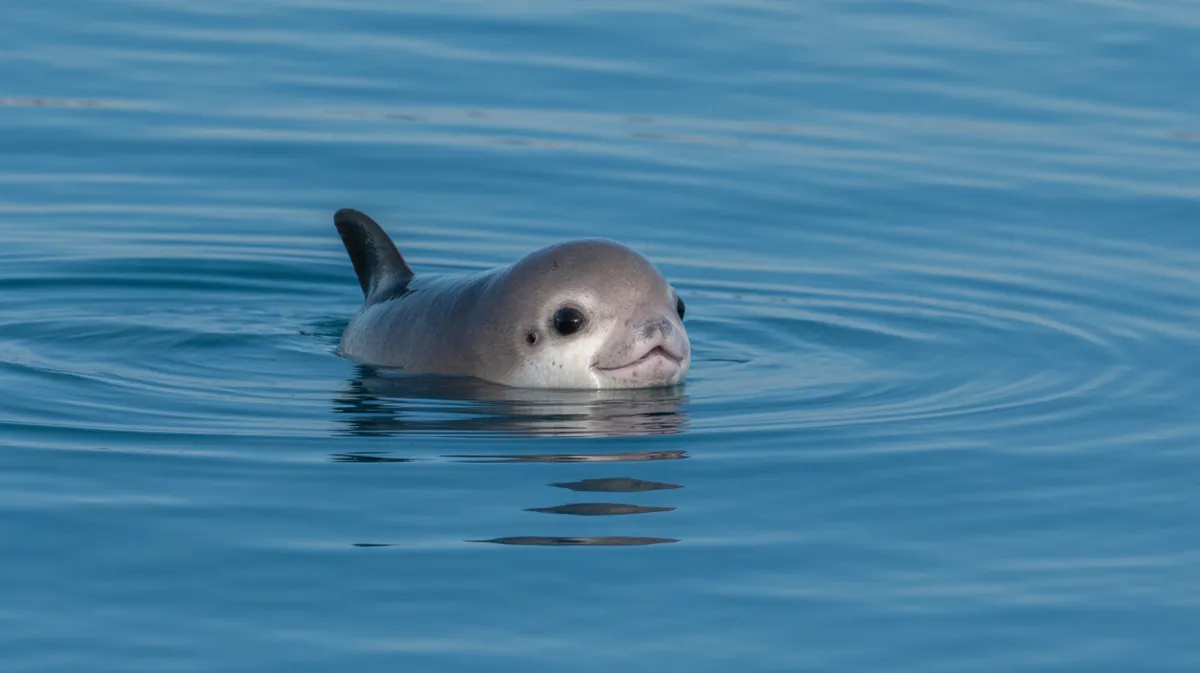
1. Vaquita — around 10 left
The world's rarest marine mammal, a tiny porpoise found only in the northern Gulf of California. Fewer than ten are thought to remain, drowned as bycatch in illegal gillnets set for another endangered fish. Conservationists are in a desperate race against time, and possibly against the math.
Every vaquita death now comes from entanglement in illegal gillnets set for the totoaba, a fish whose swim bladder fetches a fortune on the black market. With so few left, even a single accidental drowning is a measurable step toward extinction.
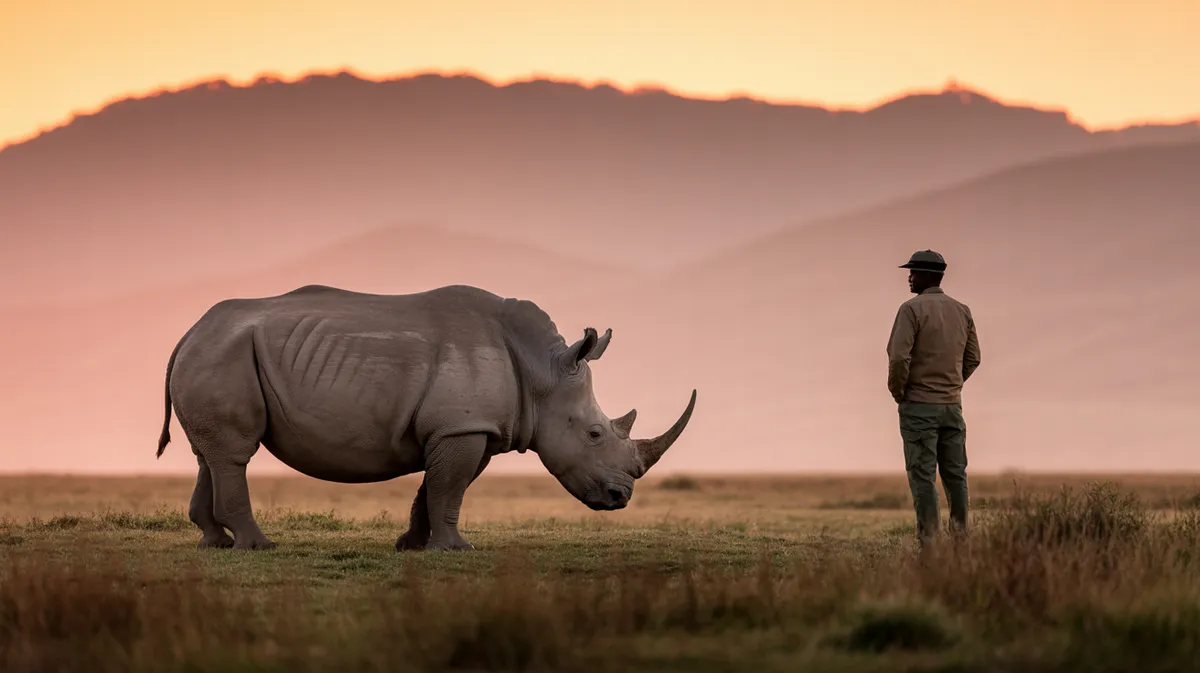
2. Northern White Rhino — 2 left
Functionally extinct: only two animals remain, a mother and daughter, both female, under armed guard in Kenya. The last male died in 2018. The species' only hope now lies in experimental IVF using stored genetic material — a last-ditch effort to resurrect a population from frozen cells.
Scientists have stored eggs and sperm and are attempting to create embryos to implant in southern white rhino surrogates — a last-ditch bid to revive the subspecies. The two survivors are guarded around the clock by armed rangers, protection that came too late for the wild population.
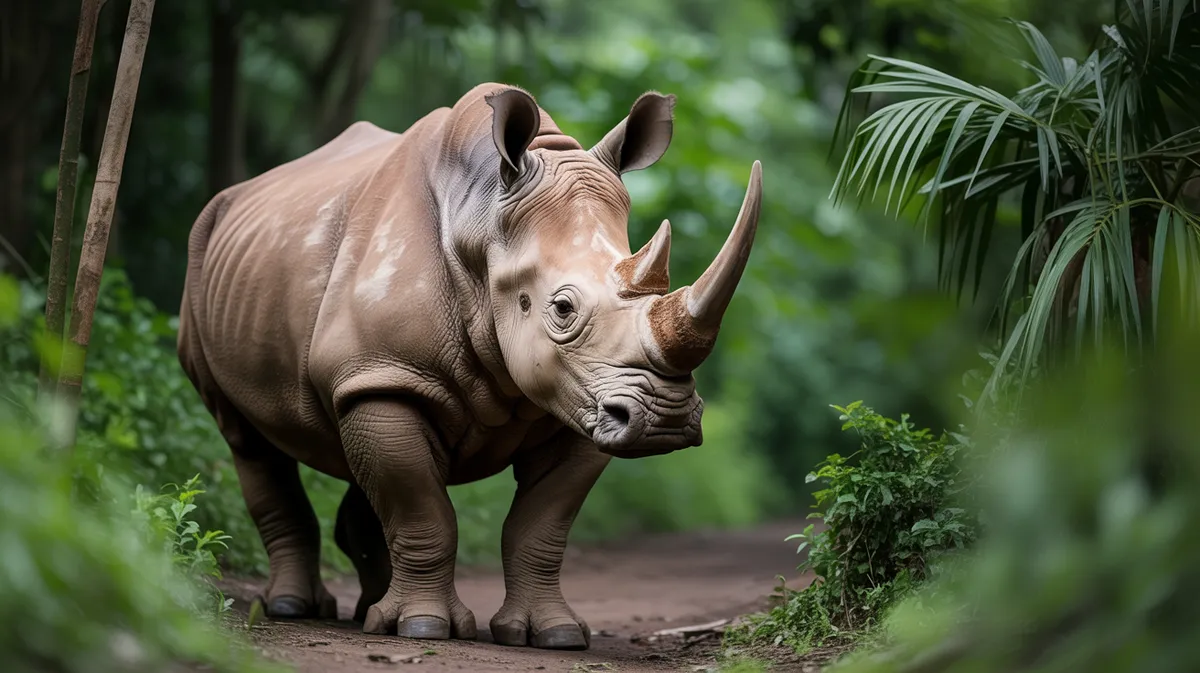
3. Javan Rhino — around 75
Once spread across Southeast Asia, the Javan rhino now survives in a single national park in Indonesia. With around 75 individuals confined to one location, a single volcanic eruption or disease outbreak could wipe out the entire species at a stroke.
Because the entire species lives in one place, conservationists are racing to establish a second population as insurance against disaster. The rhinos are so elusive that almost everything known about them comes from camera traps hidden in the dense Indonesian jungle.
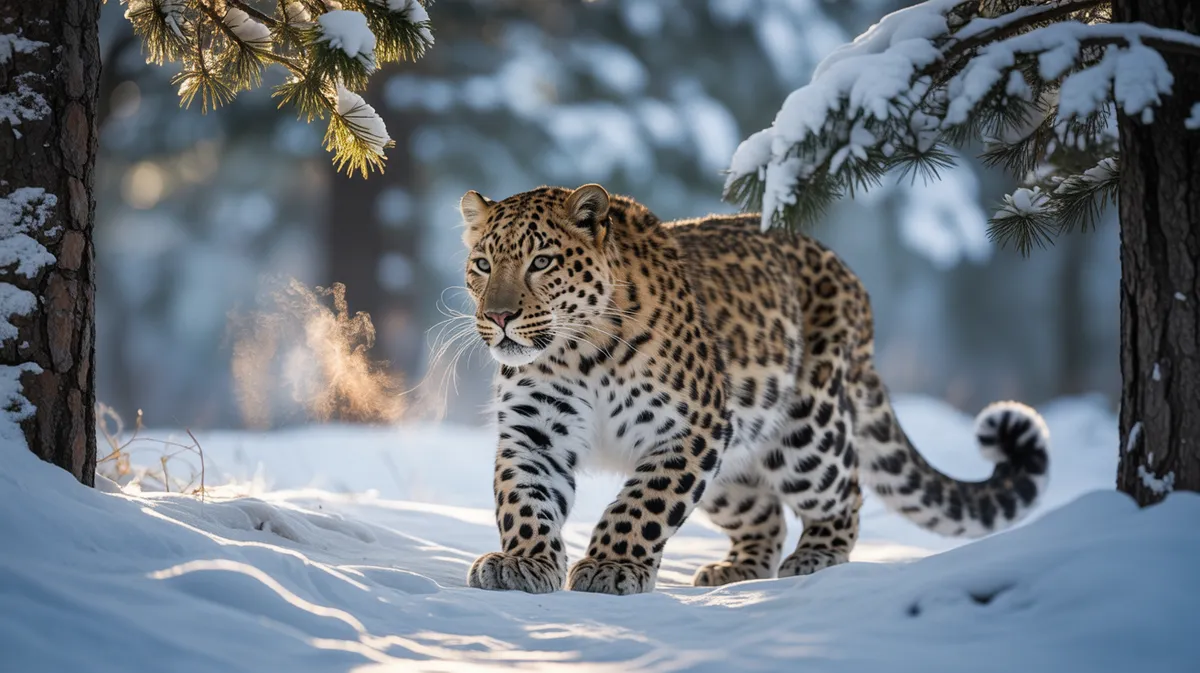
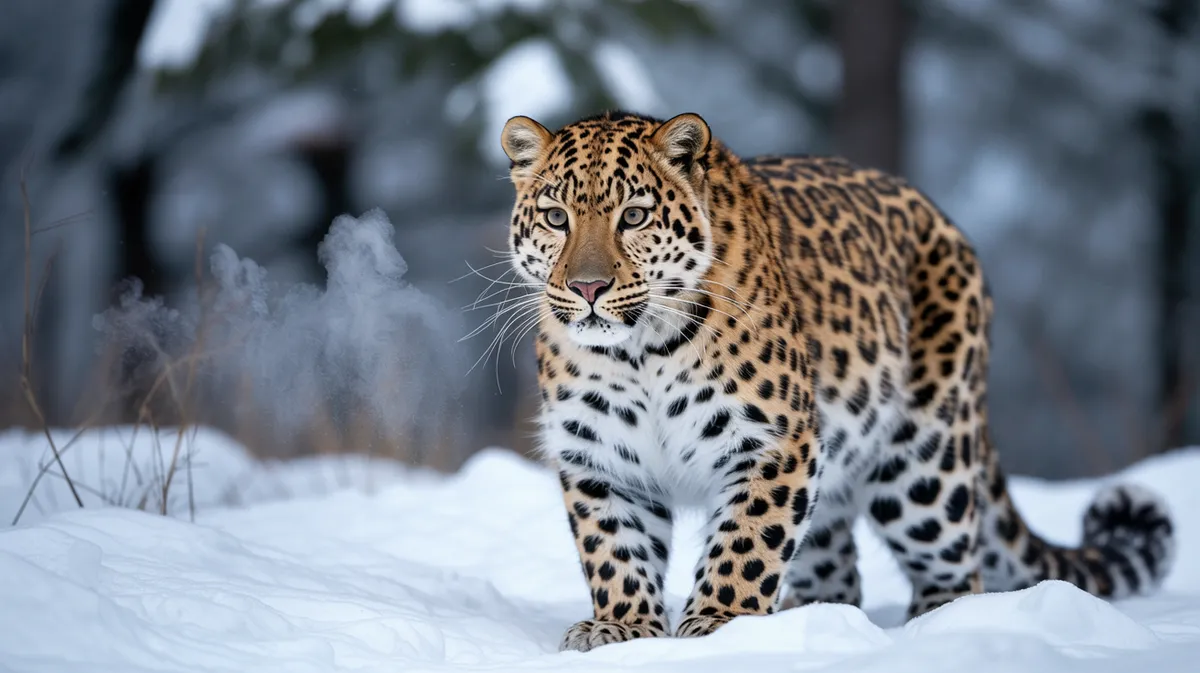
4. Amur Leopard — around 100
The rarest big cat on Earth, adapted to the snowy forests of the Russian Far East. Hunted for its stunning spotted coat and squeezed by habitat loss, it fell to a few dozen before intense protection nudged numbers back toward 100 — a fragile, hopeful recovery.
Each cat needs a vast territory of cold forest, so even a small rise in numbers is a hard-won victory built on anti-poaching patrols and protected reserves. Camera traps and cross-border cooperation between Russia and China have been key to nudging the population upward.
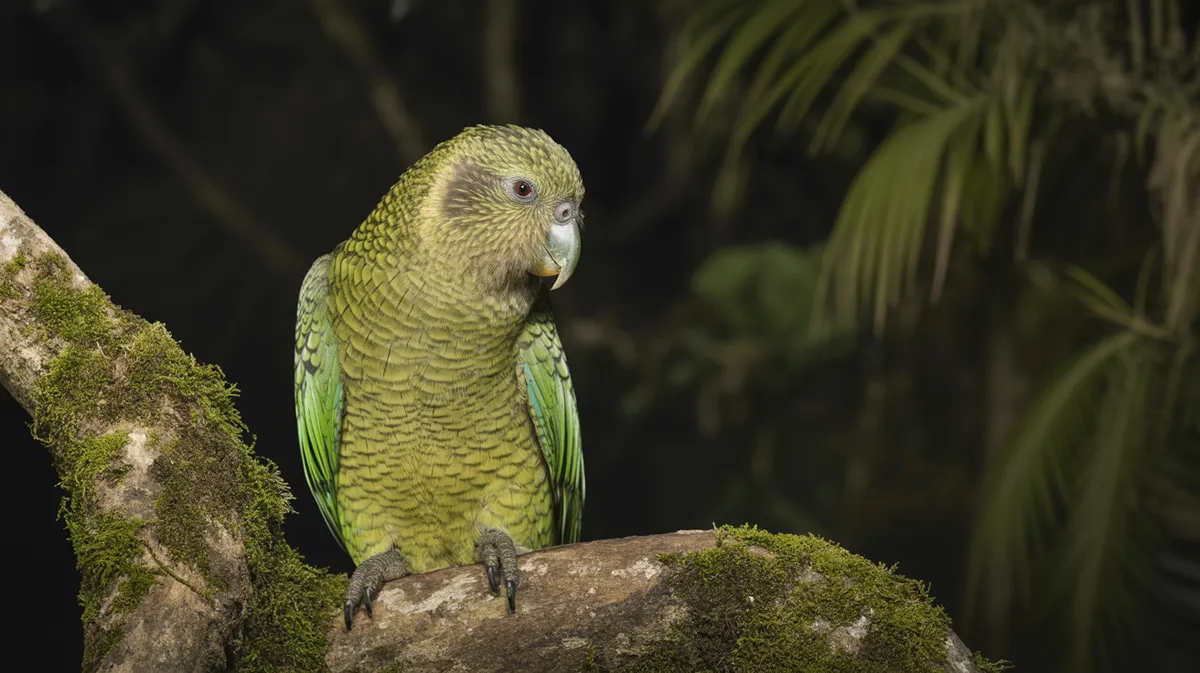
5. Kakapo — around 250
A flightless, nocturnal, moss-green parrot from New Zealand that can live for decades. Hopeless against introduced predators, every surviving kakapo now lives on predator-free islands and is individually named and monitored. Each chick is a national event.
Every individual is so precious that the birds are managed almost like patients in intensive care, with health checks, supplementary feeding, and hand-rearing of chicks. Their breeding is tied to the irregular fruiting of certain trees, so recovery is measured in birds per year, not thousands.
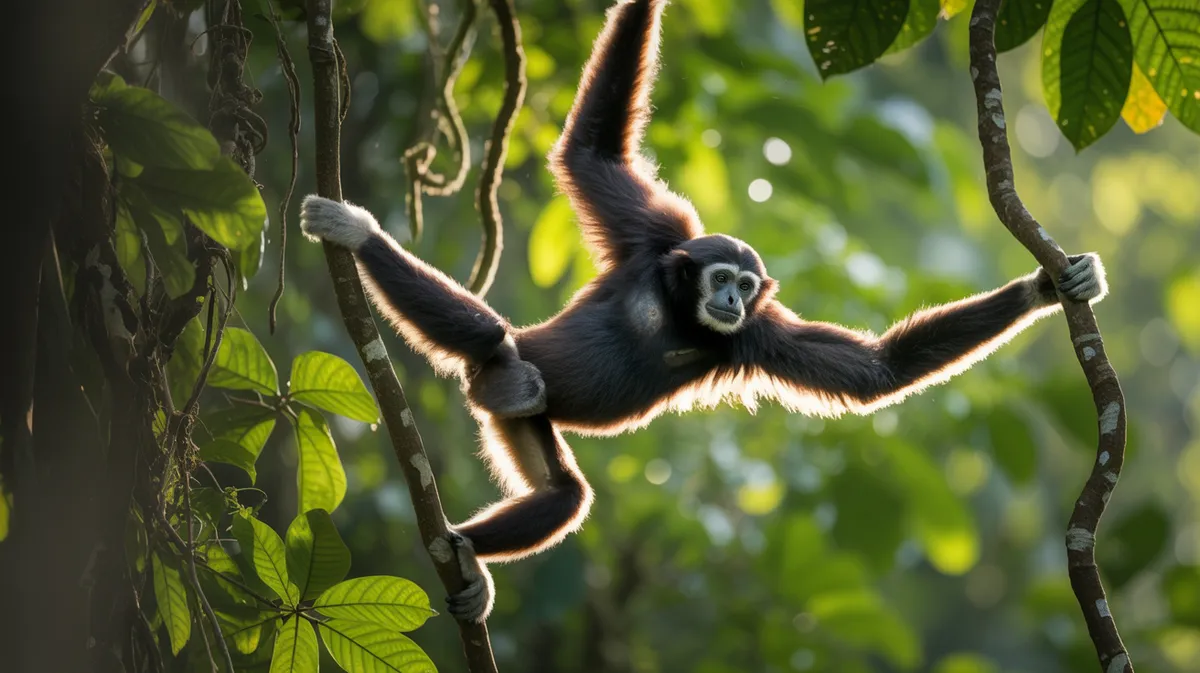
6. Hainan Gibbon — around 35
The rarest primate in the world, restricted to a single rainforest on China's Hainan Island. With only a few dozen left in a handful of family groups, its survival hinges on protecting and reconnecting the last fragments of its forest.
All the survivors live in a single forest reserve, and conservationists have even strung rope bridges across landslide gaps to reconnect fragments of their canopy home. With so few breeding groups, the loss of even one family would be a serious blow to the whole species.
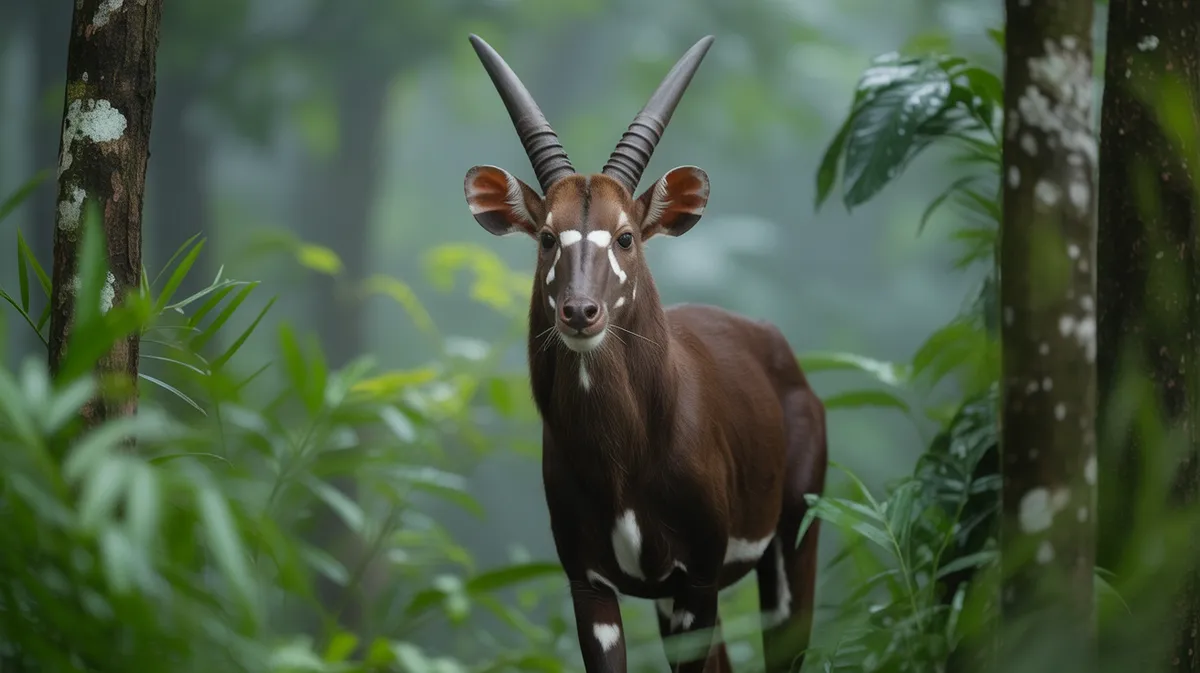
7. Saola — possibly a few dozen
Nicknamed the "Asian unicorn," the saola is so elusive it wasn't discovered by science until 1992 and has almost never been seen alive since. No one knows exactly how many remain — possibly only a few dozen — making it one of the most mysterious large mammals on Earth.
No biologist has ever seen a saola in the wild, and the only images come from camera traps and a few captured animals that did not survive long. Its very mystery has made it a symbol of how much of the natural world we could lose before we even understand it.
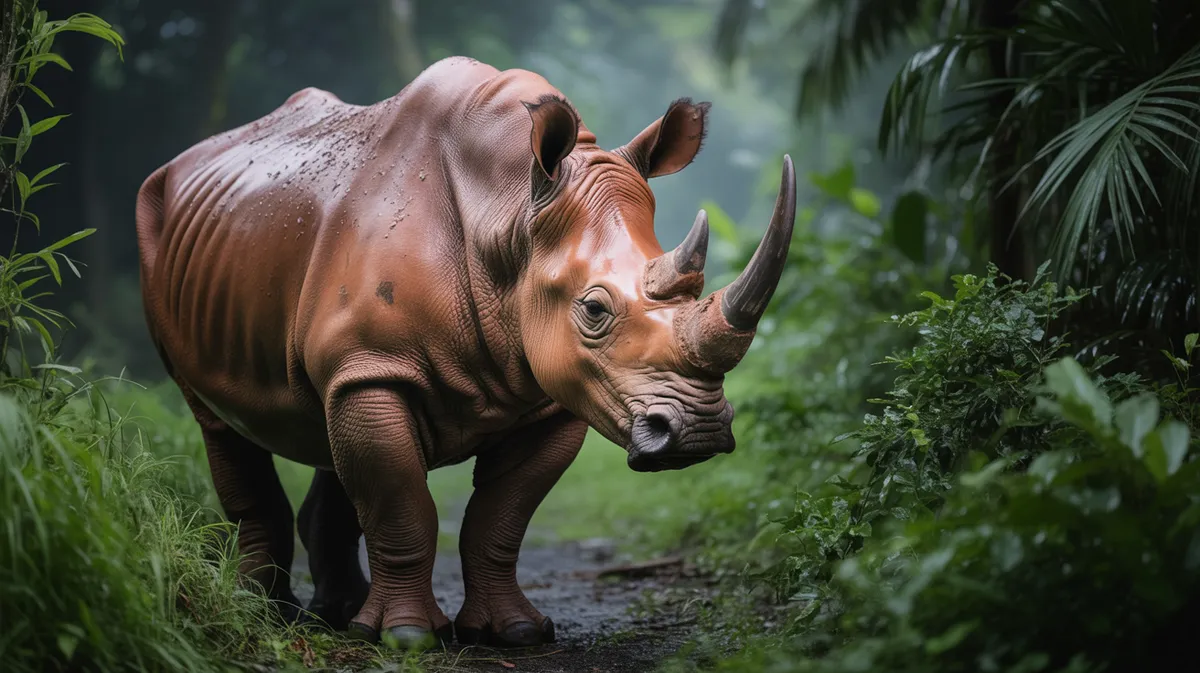
8. Sumatran Rhino — under 50
The smallest and hairiest rhino, and the most ancient lineage, now scattered in tiny, isolated pockets across Indonesia. With fewer than 50 left and individuals too far apart to breed naturally, conservationists are gambling on captive breeding to keep it alive.
The few survivors are now so scattered that males and females rarely meet, so conservationists have begun capturing them for a managed breeding programme. As the closest living relative of the extinct woolly rhino, each one carries an ancient lineage on the edge of vanishing.
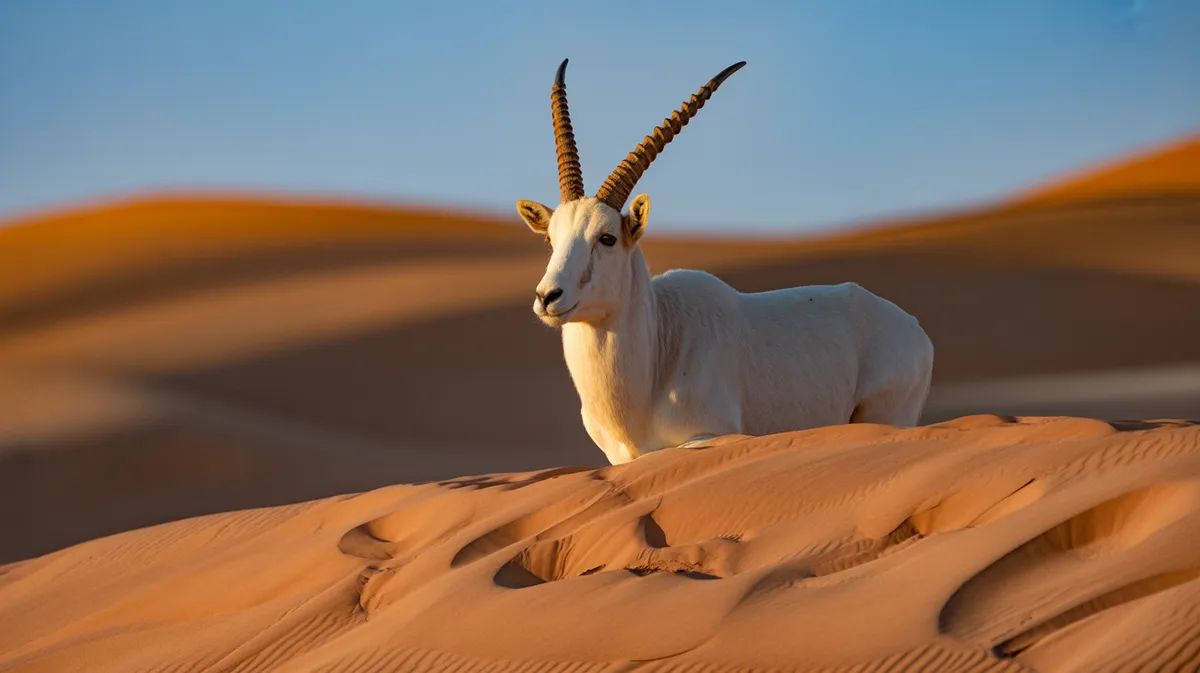
9. Addax — under 100 in the wild
A pale desert antelope with spiralling horns, superbly adapted to the Sahara — and hunted there almost to oblivion. Fewer than 100 are thought to survive in the wild, though captive herds offer a lifeline for eventual reintroduction.
Superbly adapted to go almost without water, drawing moisture from the desert plants it eats, the addax was undone by easy hunting from vehicles across the open Sahara. Captive herds in reserves now offer the best hope of one day returning the antelope to the wild.
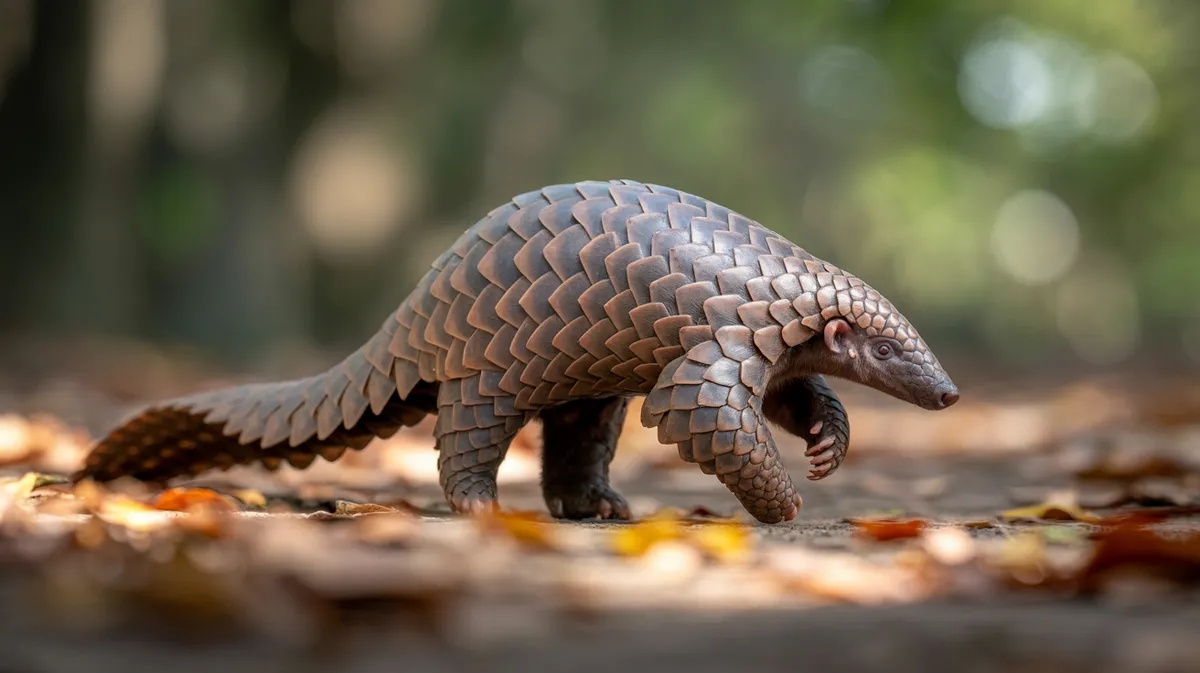
10. Pangolin — vanishing fast
All eight pangolin species are now threatened, several critically. As the most trafficked mammal on Earth — poached relentlessly for its scales and meat — the pangolin (also on our weirdest animals list) is disappearing faster than almost any other wild mammal.
More than a million are thought to have been poached in recent years, their scales sold for traditional medicine despite being made of nothing but keratin — the same stuff as fingernails. Saving them is a race against a vast and lucrative illegal trade spanning continents.
Why rarity is a warning, not a trophy
Every animal here is a story of how quickly abundance can collapse — and, in cases like the Amur leopard, of how dedicated protection can pull a species back from the brink. Rarity isn't a permanent state. With effort, these numbers can climb instead of fall.
Frequently asked questions
What is the rarest animal in the world? Among large animals, the vaquita (~10) and the northern white rhino (just 2) are the rarest.
Are any of these animals recovering? Yes — the Amur leopard and kakapo have both grown under intensive protection, proving recovery is possible.
Why is the pangolin so endangered? It's the most trafficked mammal on Earth, poached for its scales and meat across Asia and Africa.
That extends our Nature's Record-Breakers series to nine. Revisit the fastest, the smartest, or the most venomous animals on Earth.