
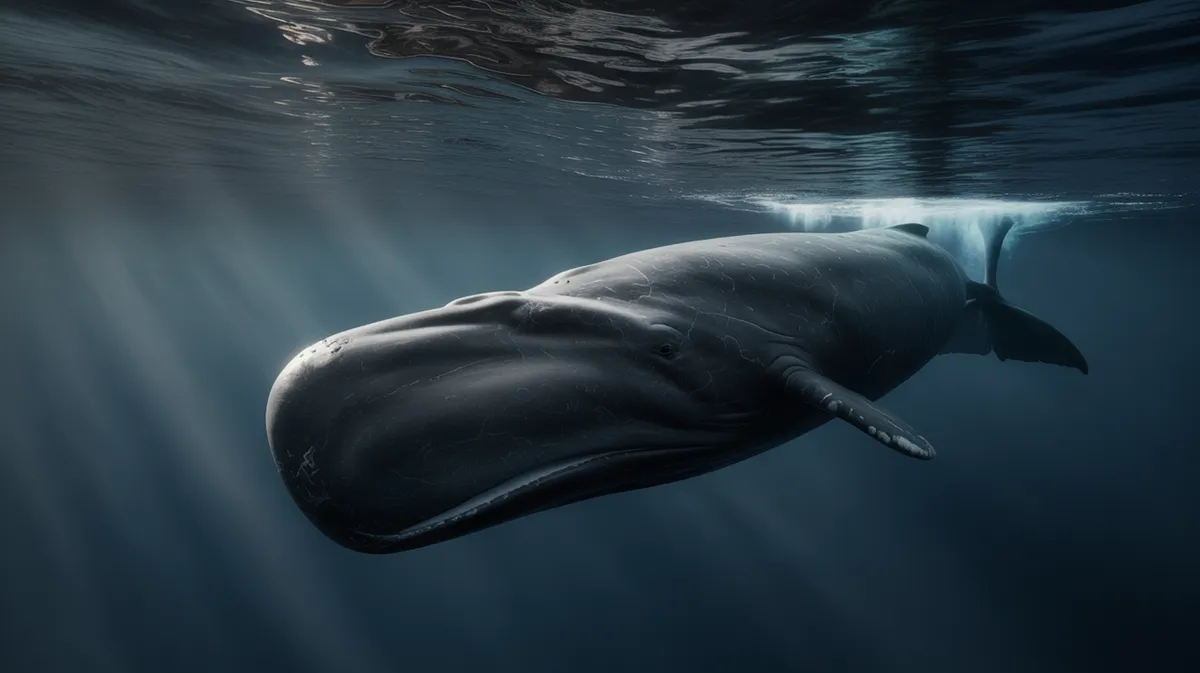
Sound is power. The loudest animals on Earth produce noise so intense it can travel across entire oceans, stun prey, or — in the most extreme case — generate enough pressure to be theoretically lethal. This entry in our Nature's Record-Breakers series ranks the planet's loudest creatures, measured in decibels, and explains how a body can become a weapon made of sound.
It joins the rest of the series, from the biggest animals to the weirdest. A quick note on the numbers: decibels underwater and in air aren't directly comparable, so we've grouped by medium where it matters and flagged the truly mind-bending figures.
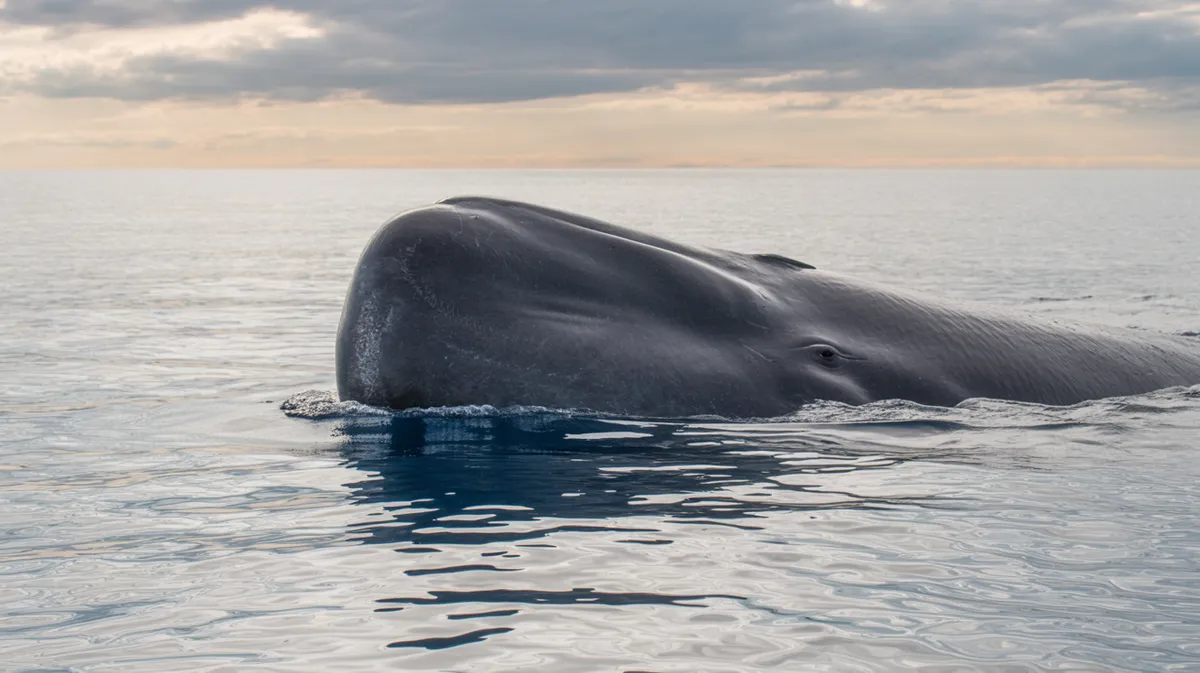
1. Sperm Whale — up to 230 decibels
The loudest animal on Earth, full stop. A sperm whale's echolocation clicks can reach 230 decibels underwater — louder than a rocket launch. The clicks are focused through a huge oil-filled organ in its head and may be powerful enough to stun the giant squid it hunts in the deep.
The clicks are generated by forcing air through a structure in its nose nicknamed the 'monkey lips,' then focused and amplified through the huge reservoir of oil in its head. Some scientists suspect a focused burst may be strong enough to debilitate prey, turning sound itself into a weapon.
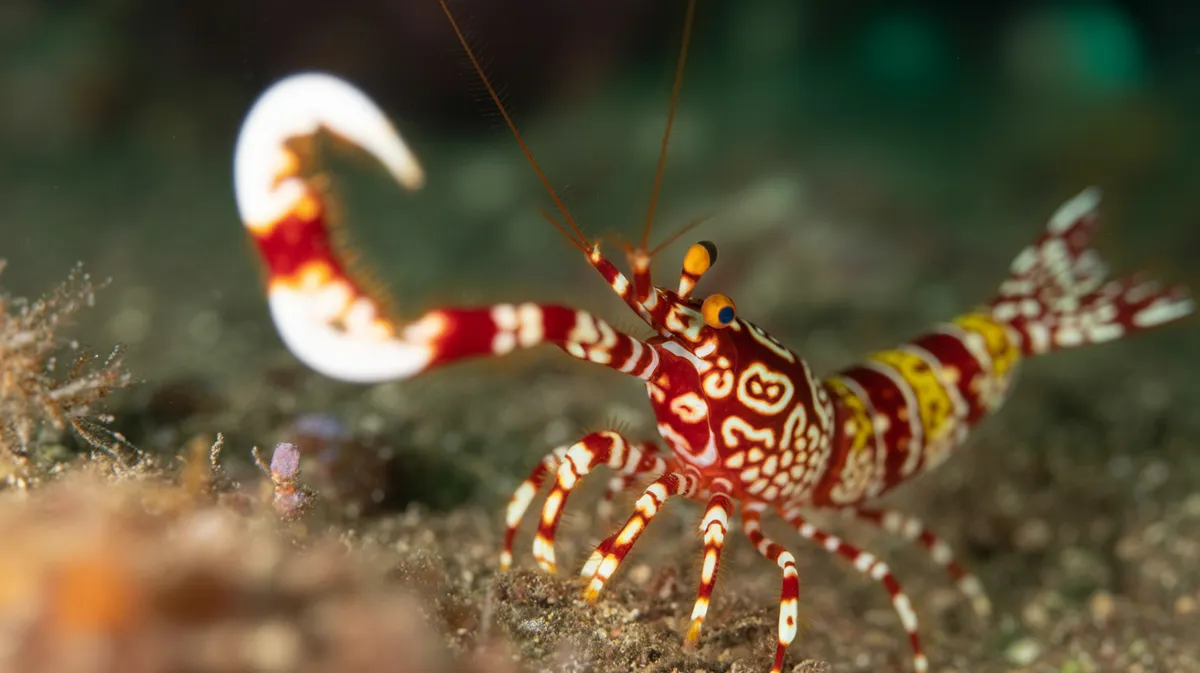
2. Pistol Shrimp — up to 210 decibels
A creature a few centimetres long makes one of the loudest sounds in the sea. The pistol shrimp snaps a specialised claw so fast it creates a collapsing bubble of vapour — cavitation — that cracks at 210 decibels and briefly reaches the temperature of the sun's surface, stunning prey instantly.
The sound comes not from the claw striking but from the implosion of the vapour bubble its lightning-fast snap creates — cavitation that briefly flashes light and heat. Colonies of snapping shrimp are so noisy together that they can interfere with sonar and underwater microphones.
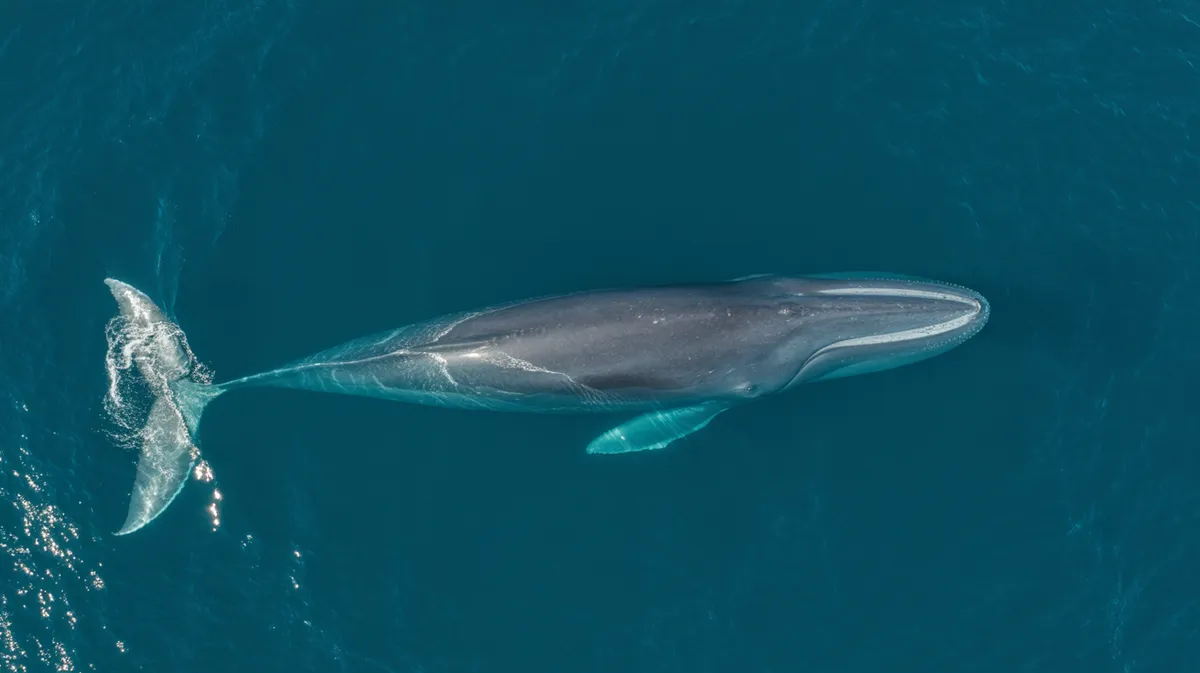
3. Blue Whale — up to 188 decibels
The blue whale's low-frequency calls are the loudest sounds made by any animal in routine communication, carrying for hundreds of kilometres through the ocean. Two blue whales on opposite sides of a sea basin can, in effect, stay in touch.
Its calls are also among the lowest-pitched sounds any animal makes, so low that much of their power lies below the range of human hearing. Those deep frequencies travel especially well through water, which is why a single whale's voice can span an entire ocean basin.
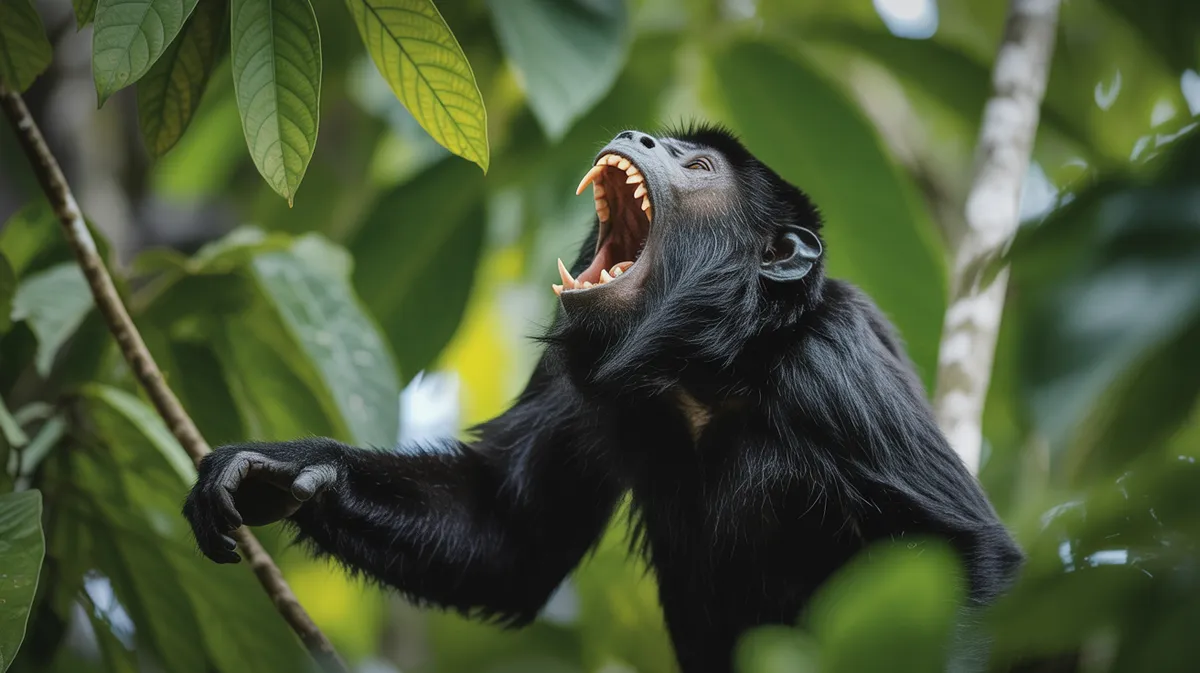
4. Howler Monkey — up to 140 decibels
The loudest land animal. A howler monkey's dawn chorus can be heard up to five kilometres away through dense rainforest, produced by an enlarged, hollow throat bone that turns its body into a living megaphone. It uses the racket to defend territory without ever having to fight.
The volume comes from a greatly enlarged hyoid bone in the throat that acts as a resonating chamber — the monkey is essentially a living loudspeaker. By roaring across the valley at dawn, rival troops settle territorial disputes without the risk and effort of actually fighting.
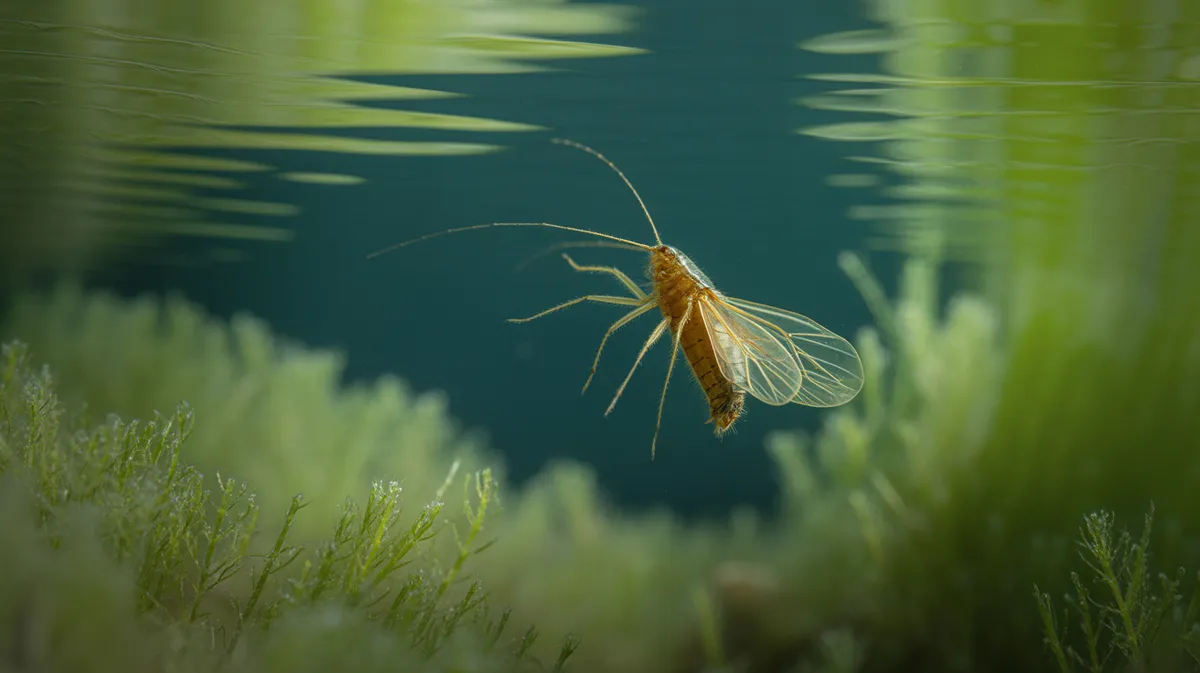
5. Water Boatman — ~99 decibels (and the loudest for its size)
This tiny freshwater insect, barely two millimetres long, is the loudest animal on Earth relative to its body size. The male "sings" to attract mates by rubbing a ridge against his abdomen — and the sound is loud enough to be heard from a riverbank by a person standing outside the water.
More remarkable still, it makes the sound by rubbing a ridge against its abdomen — a process called stridulation — using an organ only about 50 micrometres across. Most of that sound is lost crossing from water into air, meaning the original signal underwater is louder yet.
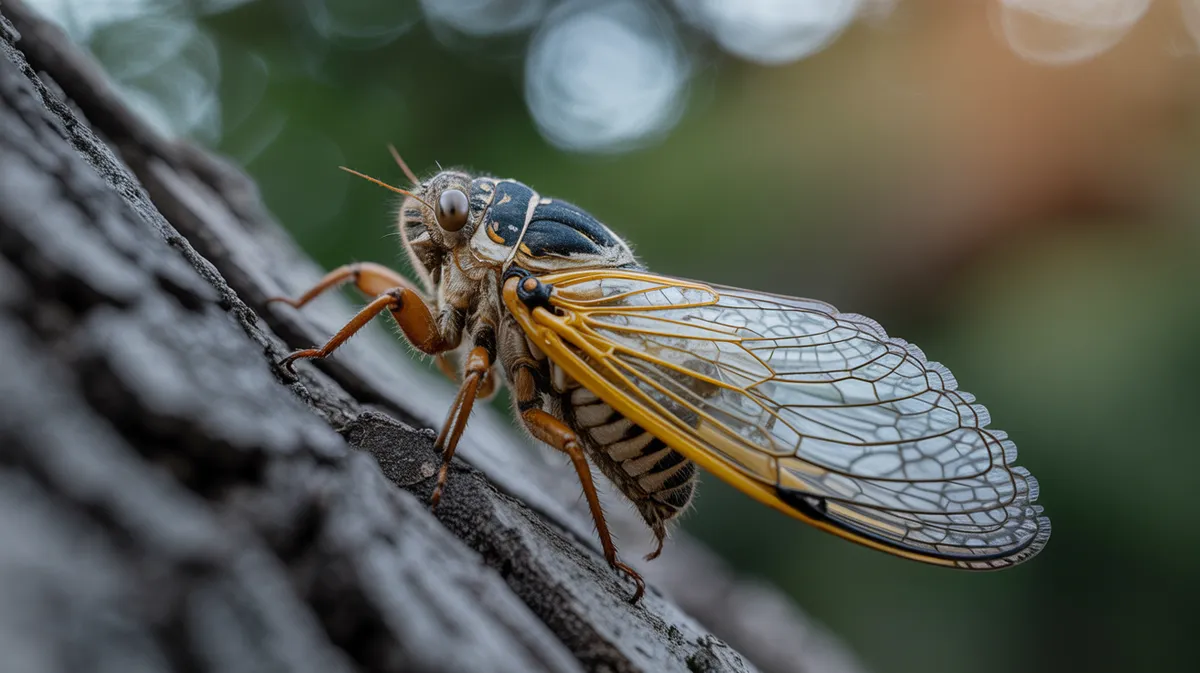
6. Cicada — up to 120 decibels
A chorus of cicadas can reach 120 decibels — the threshold of human pain. They produce it with drum-like organs called tymbals on the abdomen, buckling them thousands of times a second. Some species are loud enough to deter birds from eating them.
Only the males sing, buckling their tymbal organs up to 400 times a second and amplifying the racket in a mostly hollow abdomen that works as an echo chamber. In some species the chorus is loud enough to damage human hearing at close range.
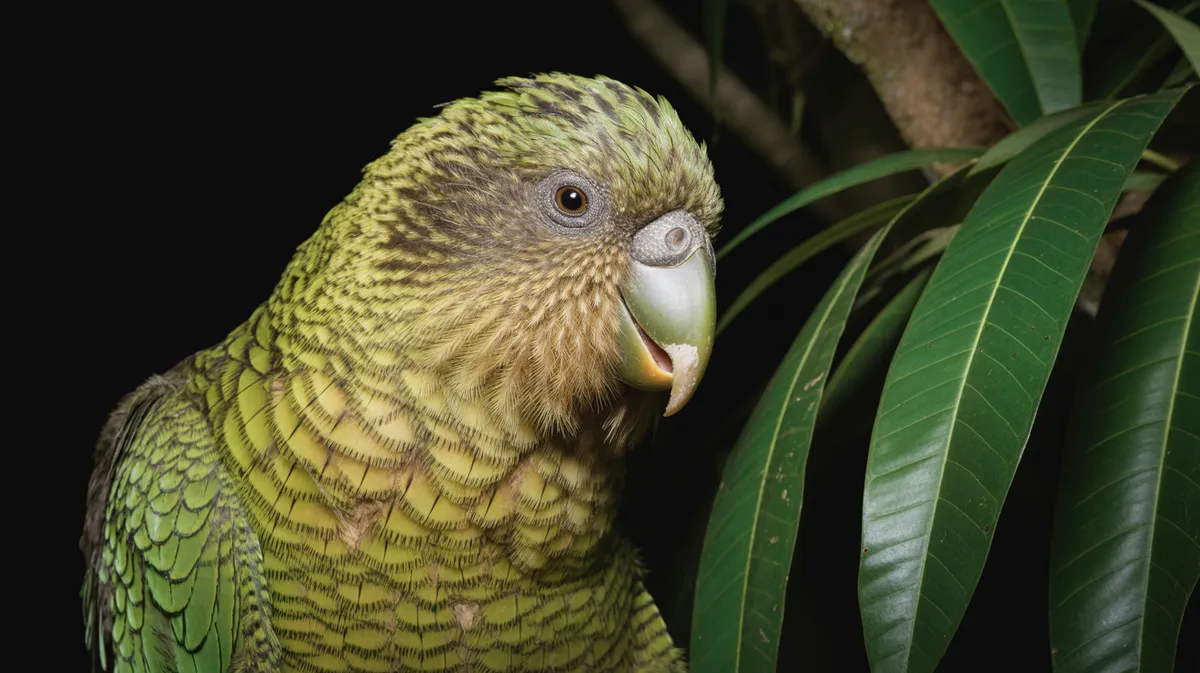
7. Kakapo — booming heard for kilometres
The critically endangered kakapo (also on our rarest animals list) inflates itself like a feathered balloon and emits a deep, resonant boom that carries up to five kilometres across the New Zealand night. Males boom for hours, every night, for weeks during breeding season.
To make the boom carry, the male digs a bowl-shaped hollow that acts as an amplifier, then booms from it for up to eight hours a night. Because the deep sound is so hard to pinpoint, females can struggle to locate the males — one of many quirks that make this rare parrot so hard to breed.
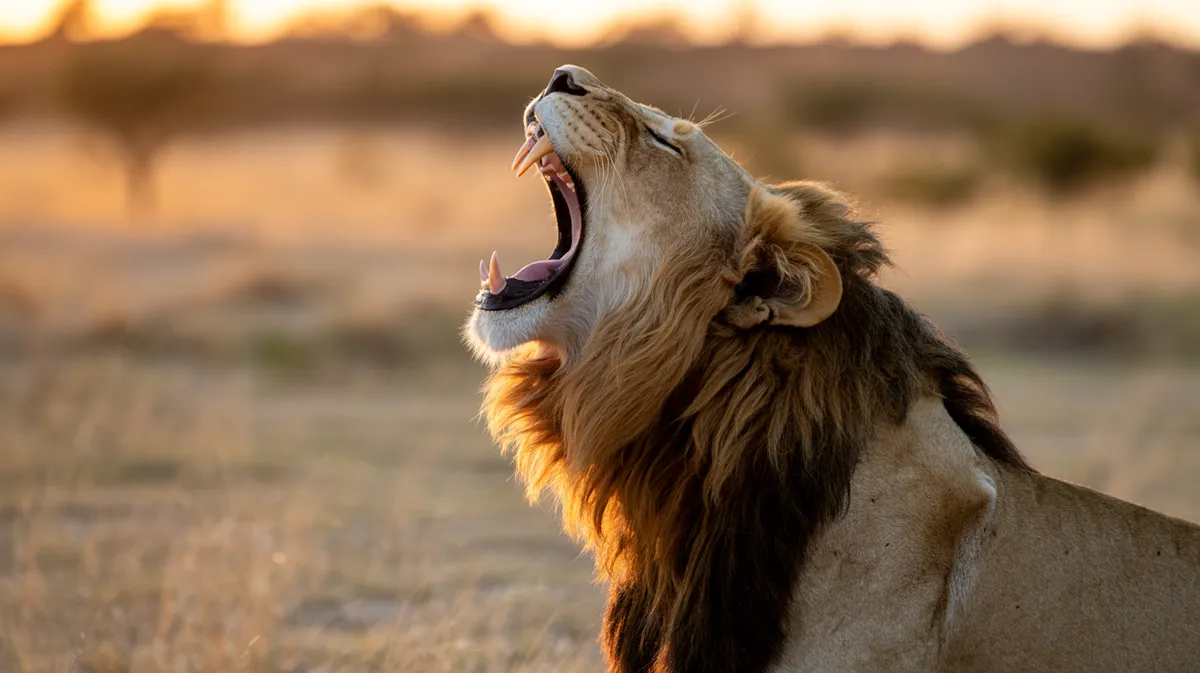
8. Lion — roar up to 114 decibels
A lion's roar can be heard eight kilometres away and reaches around 114 decibels up close — a sound you feel as much as hear. Specialised, flattened vocal folds let the lion produce that enormous volume without straining, announcing its presence across the savanna.
The secret to the roar's power is a set of unusually flat, square vocal folds that withstand huge air pressure without injury, letting the lion bellow loudly with relatively little effort. Roaring advertises ownership of territory and helps scattered pride members keep track of one another in the dark.
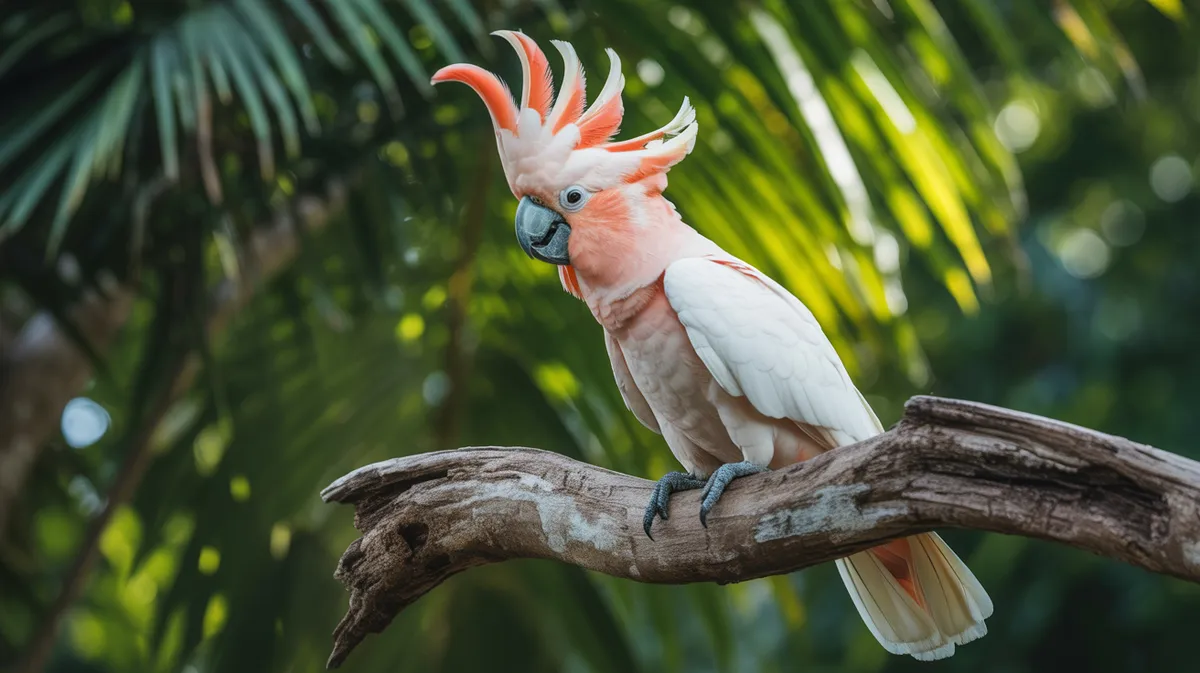
9. Moluccan Cockatoo — up to 135 decibels
One of the loudest birds you could keep — and regret keeping. The Moluccan cockatoo's piercing screech can hit 135 decibels, evolved to carry across the forest canopy. In a living room, it's roughly as loud as a jet at takeoff.
In the wild that piercing call carries across the rainforest canopy to keep flocks in contact, but in a living room it can shatter the peace of an entire street. The very intelligence and volume that make cockatoos so demanding are why so many end up surrendered by overwhelmed owners.
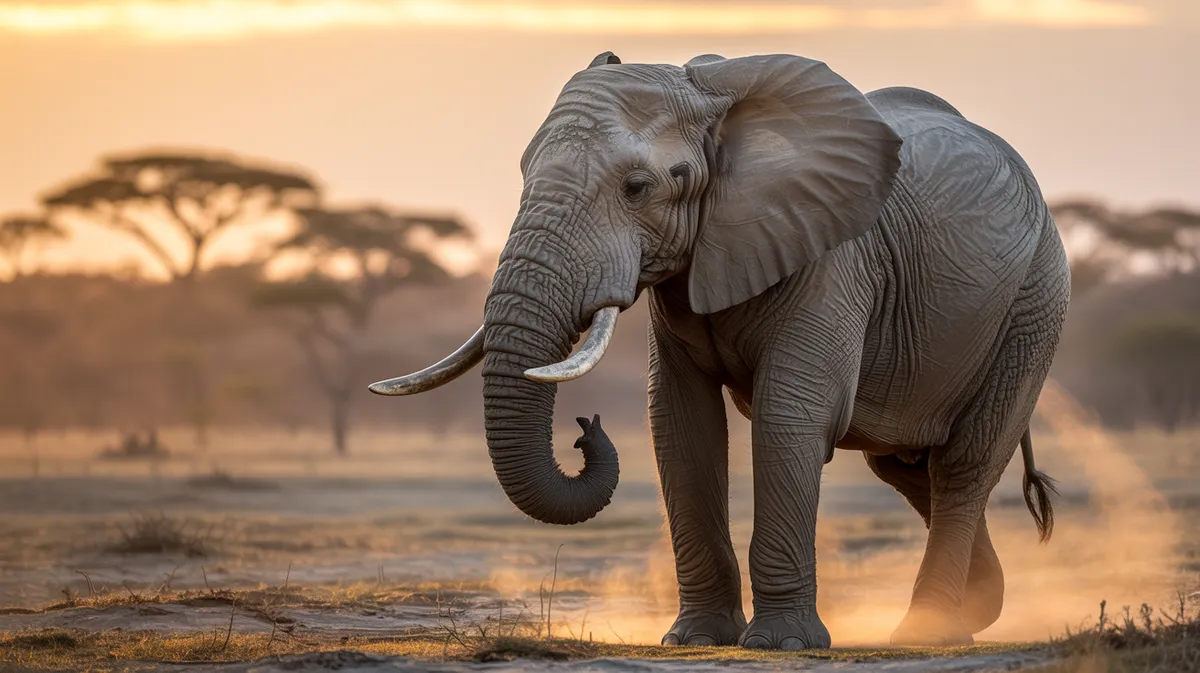
10. African Elephant — infrasound that travels 10 km
We end with a twist: the elephant's most powerful sound is one you can barely hear. Its deep infrasonic rumbles fall below human hearing yet travel up to ten kilometres through the ground and air, letting herds coordinate across vast distances. Loudness isn't only about what reaches our ears.
These infrasonic rumbles travel through both the air and the ground, and elephants may even 'hear' them through sensitive cells in their feet and trunks. The ability lets far-flung herds coordinate their movements and warn of danger across distances no visible signal could ever bridge.
What makes an animal loud?
Whether it's a whale's oil-filled head, a shrimp's snapping claw, or a monkey's hollow throat bone, extreme loudness almost always comes from a specialised structure that concentrates energy. Sound is cheap to make and travels where sight can't — which is why so many animals invested in it.
Frequently asked questions
What is the loudest animal on Earth? The sperm whale, whose clicks reach 230 decibels underwater.
What is the loudest land animal? The howler monkey, audible up to five kilometres away.
What animal is loudest for its size? The water boatman, a 2 mm insect that "sings" at around 99 decibels.
From the loudest to the most ancient: meet the 10 greatest living fossils, or the most dazzling in the 10 most colorful animals on Earth.