
Some animals don't break records for speed, brains, or lifespan — they break the scale. From a whale heavier than a fully loaded jumbo jet to a bird taller than a horse, this entry in our Nature's Record-Breakers series ranks the biggest animals on Earth, each a champion of its own domain.
It rounds out the series alongside the fastest, the smartest, and the deadliest animals. We've ranked by a mix of length and mass, and flagged which crown each animal actually holds.
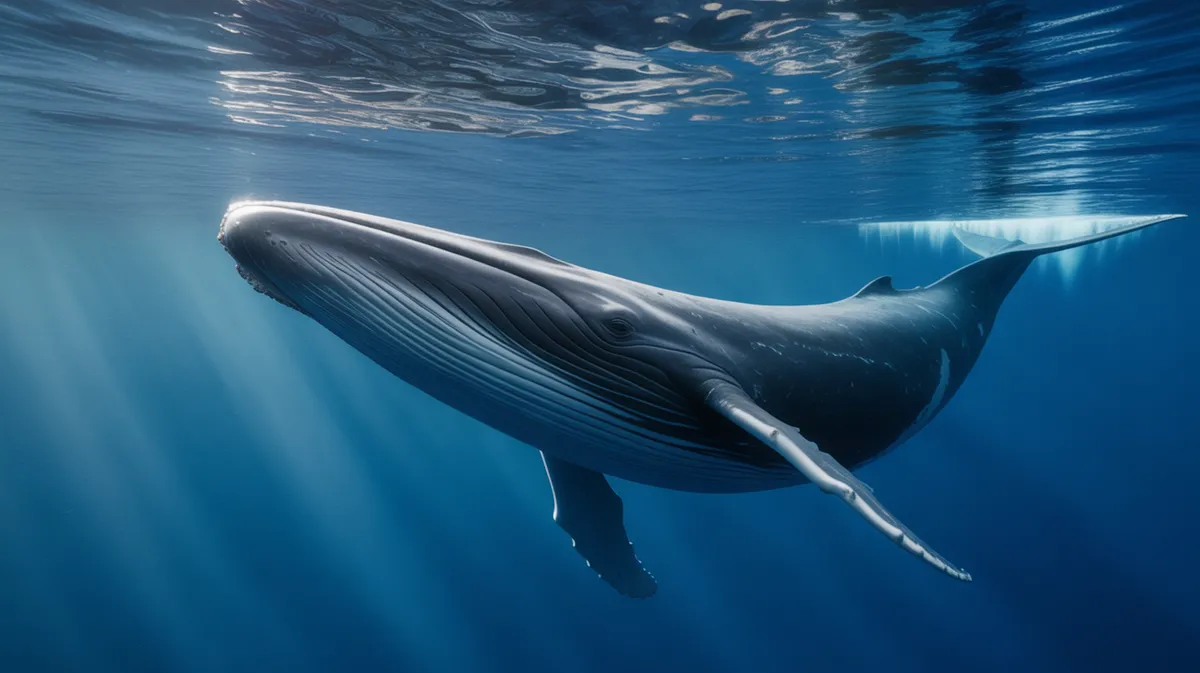
1. Blue Whale — up to 30 m and 180 tonnes
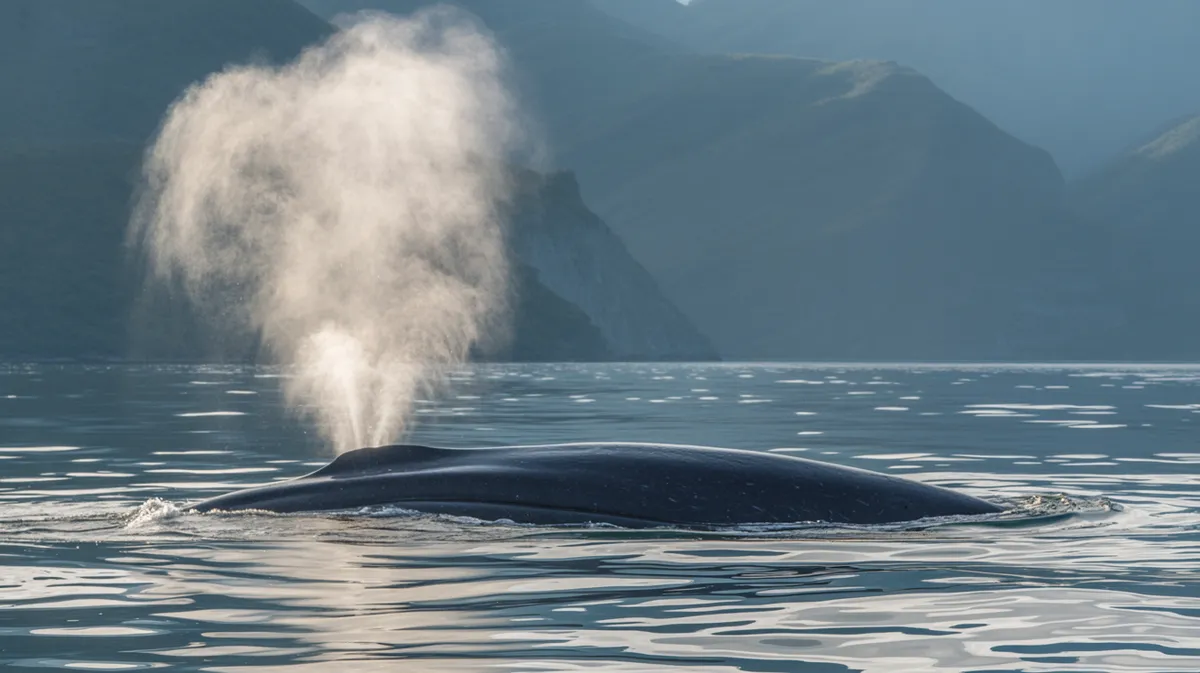
The largest animal that has ever lived — bigger than any dinosaur. A blue whale can reach 30 metres and 180 tonnes, its heart alone the size of a small car, its tongue heavier than an elephant. A newborn calf is already among the largest animals on the planet.
It feeds almost entirely on tiny shrimp-like krill, gulping enormous mouthfuls and straining out several tonnes of them a day through plates of baleen. Hunted to the brink in the twentieth century, the blue whale is slowly recovering, though it remains a rare sight even in rich feeding grounds.
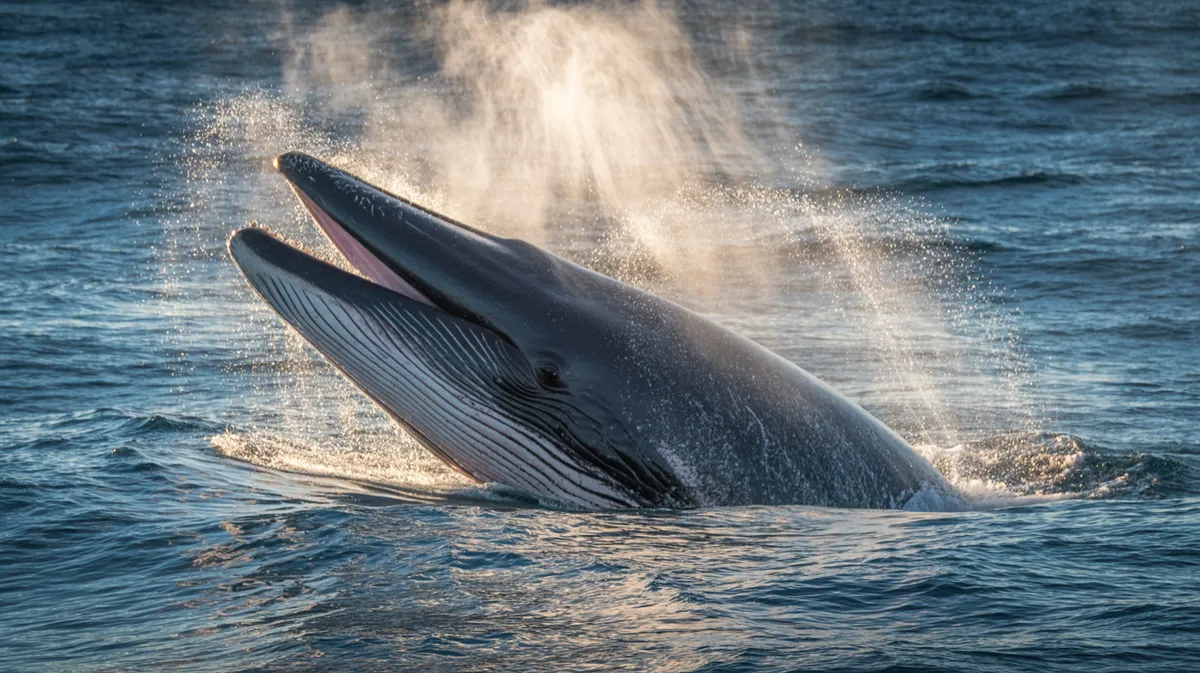
2. Fin Whale — up to 26 m
The second-largest animal ever, the fin whale is the blue whale's sleeker, faster cousin — nicknamed the "greyhound of the sea." It trades a little bulk for speed, reaching 26 metres while still weighing as much as a row of buses.
Curiously, the fin whale is asymmetrically coloured — white on the right of its lower jaw, dark on the left — which may help it herd fish as it rolls during high-speed lunges. It dives deep and cruises faster than almost any other great whale.
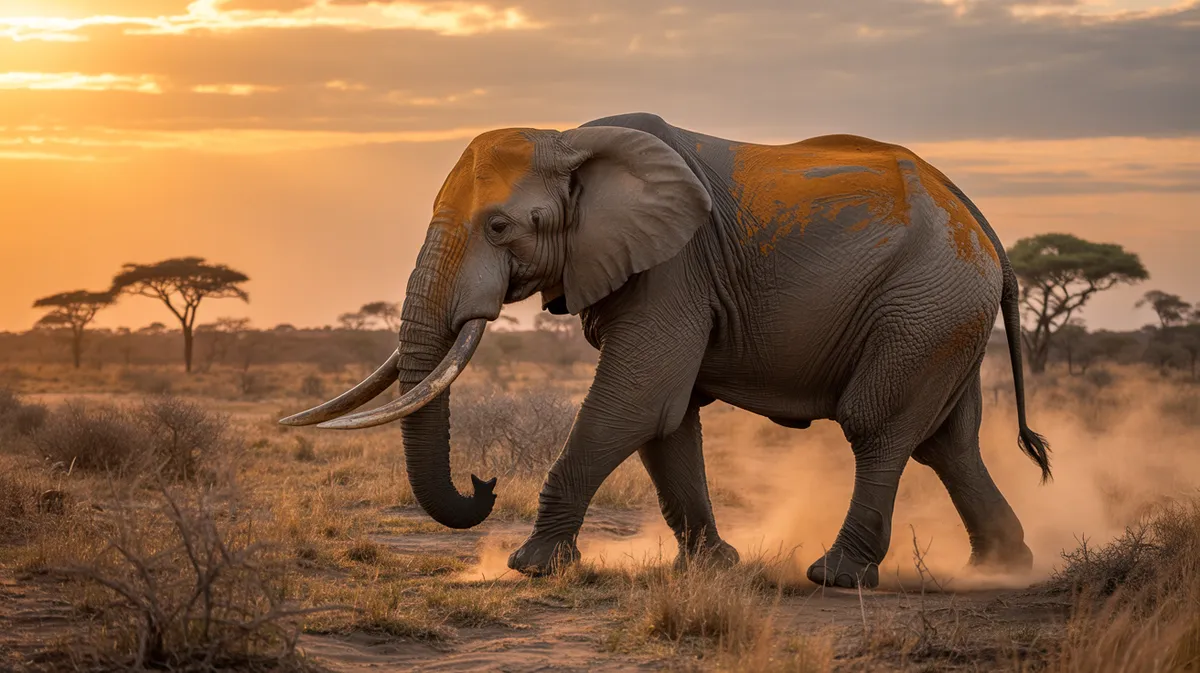
3. African Bush Elephant — up to 6+ tonnes
The largest land animal alive. A big bull African elephant can stand four metres at the shoulder and weigh more than six tonnes, eating up to 150 kg of vegetation a day to fuel that bulk. Nothing on land outweighs it.
Beyond its sheer mass, the elephant is a keystone species that physically reshapes its world, toppling trees and digging waterholes that countless other animals depend on. Its appetite is so vast that a single herd can turn woodland into grassland over time.
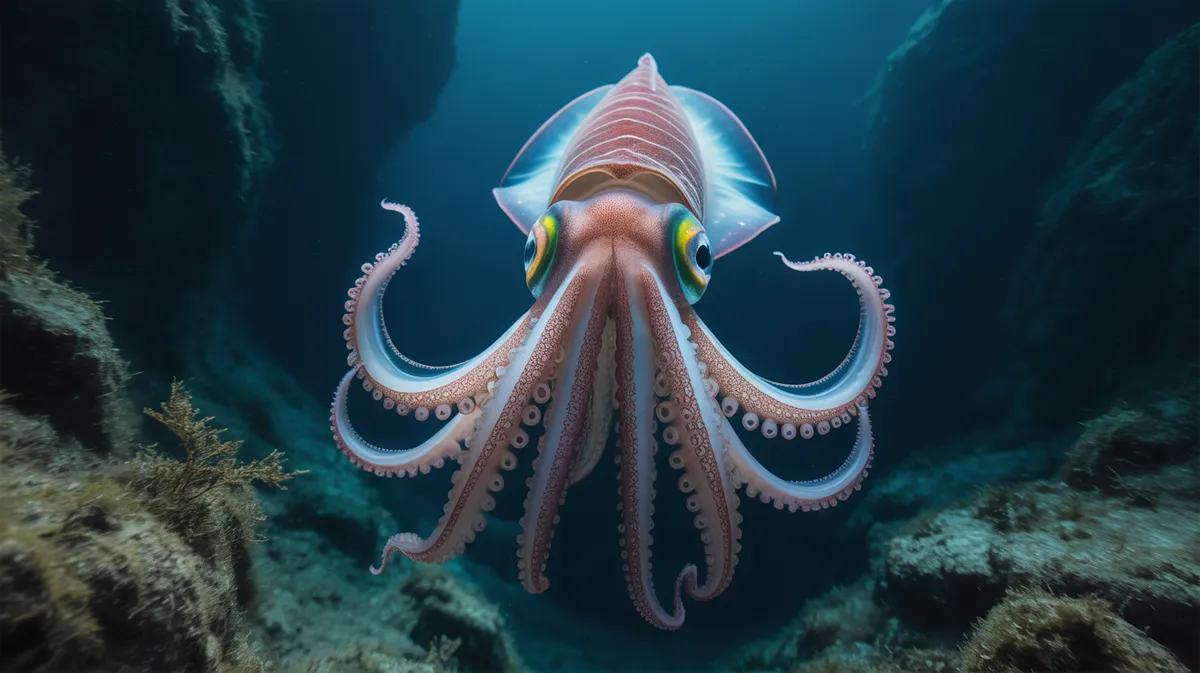
4. Colossal Squid — up to 10+ m
The largest invertebrate, lurking in the cold deep around Antarctica. The colossal squid has the biggest eyes in the animal kingdom — the size of dinner plates — to gather light in the abyss, and tentacles armed with rotating hooks.
Much of what we know comes from beaks found in the stomachs of sperm whales, its chief predator, since live encounters are vanishingly rare. Its dinner-plate eyes are thought to be tuned to catch the faint glow of an approaching whale in the perpetual darkness of the deep.
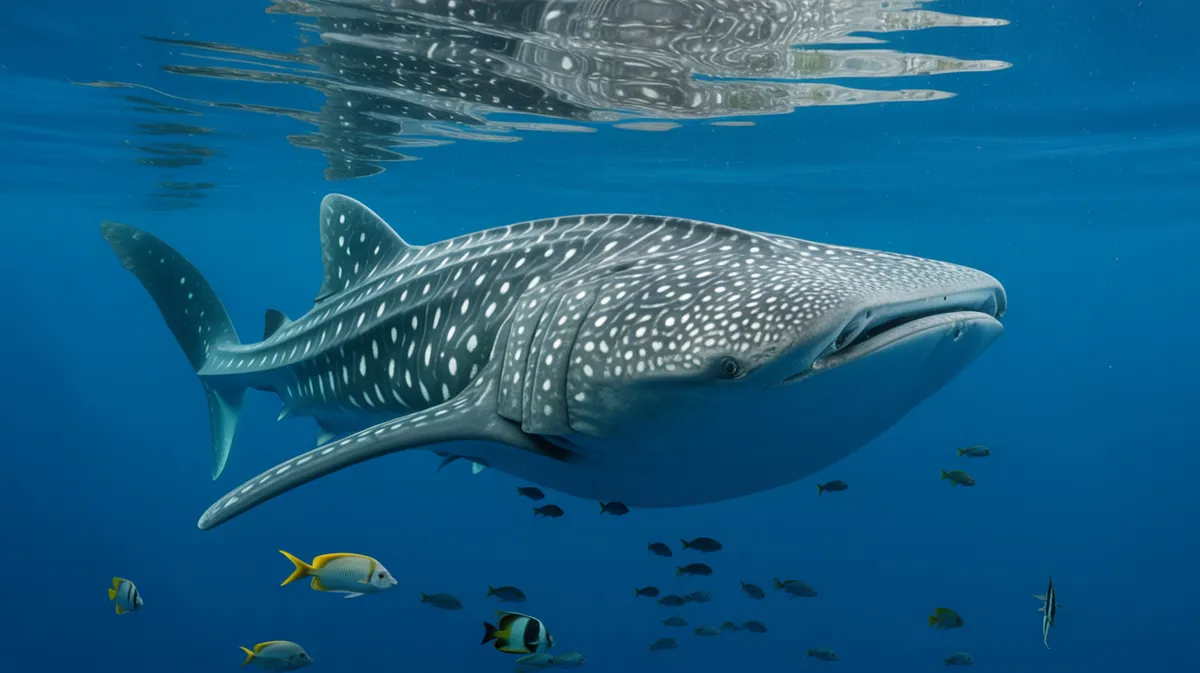
5. Whale Shark — up to 18 m
The largest fish in the sea, and a gentle one: the whale shark cruises warm oceans filter-feeding on plankton and small fish. Despite its bulk, it's harmless to humans, its back patterned with white spots as unique as a fingerprint.
It feeds by cruising slowly with its huge mouth agape, filtering plankton and small fish from the water much as the great whales do. Gentle and unhurried, it lets divers swim alongside it, and each one can be identified by the unique constellation of spots across its back.
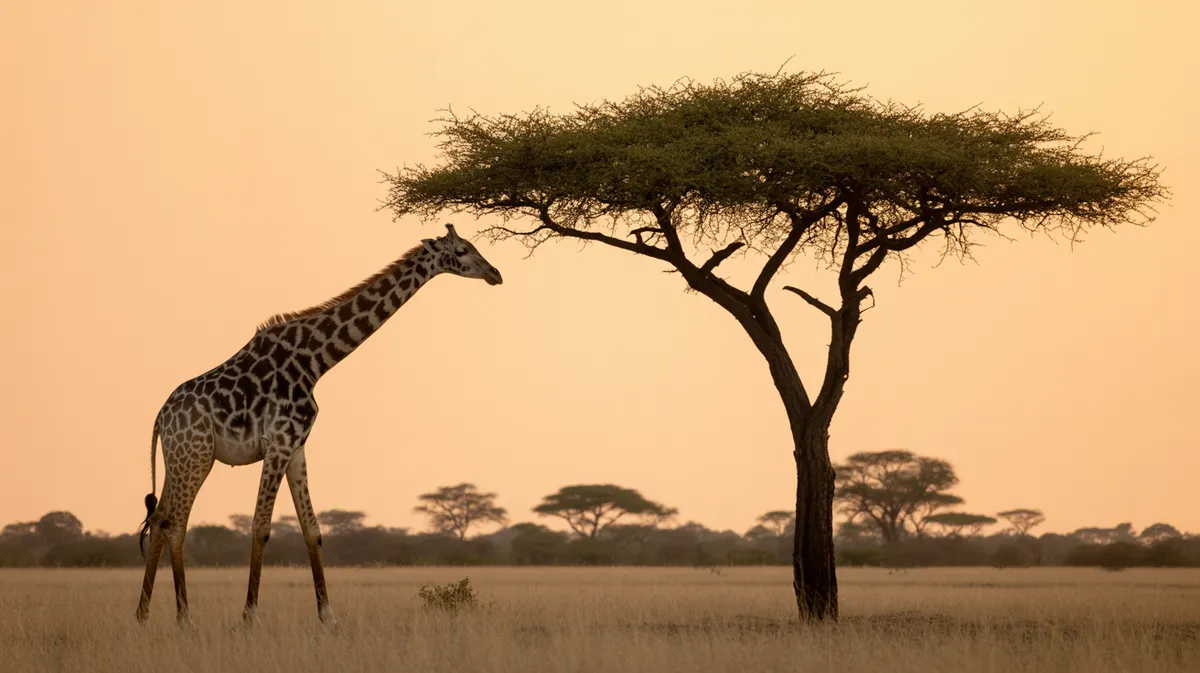
6. Giraffe — up to 5.5 m tall
The tallest animal on Earth. A giraffe's legs and neck each top two metres, and that neck — despite its length — contains the same seven vertebrae as yours. Its height lets it feed where no other browser can reach.
To pump blood all the way up to a brain two metres above its heart, the giraffe has evolved an enormous, powerful heart and special valves in its neck veins. Despite that towering frame, it sleeps only a couple of hours a day, often standing and in short snatches.
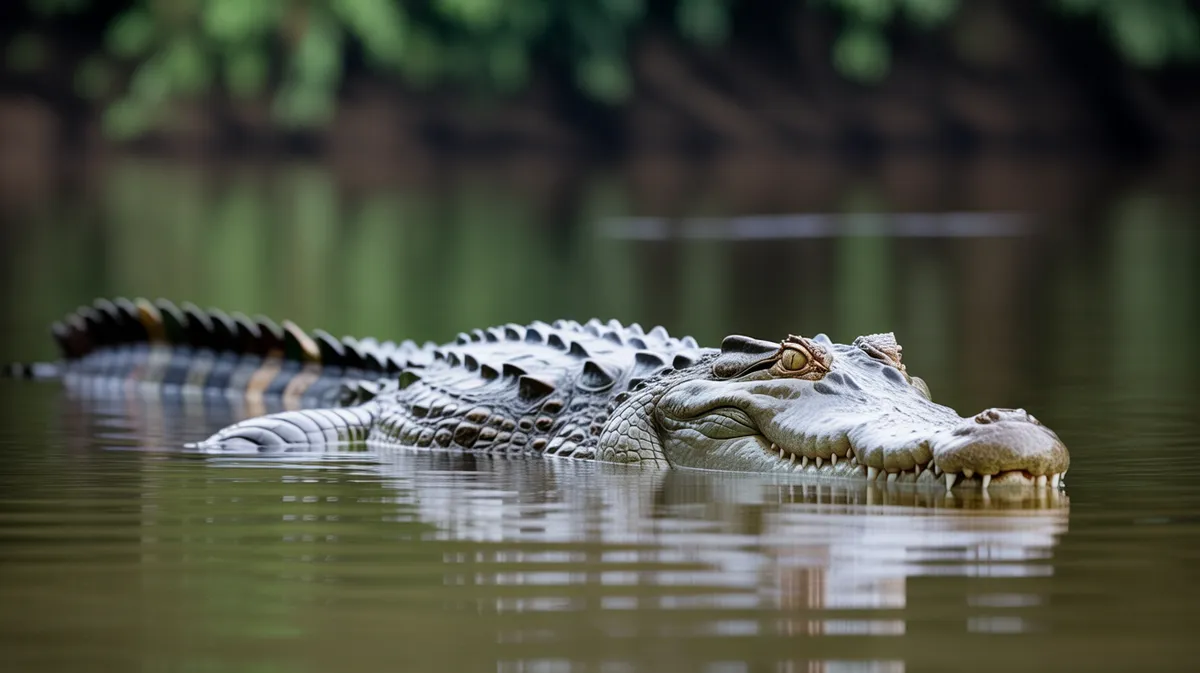
7. Saltwater Crocodile — up to 6+ m
The largest living reptile, and the heaviest. A big "saltie" can exceed six metres and a tonne, an apex ambush predator essentially unchanged since the age of dinosaurs — and the same animal that tops the bite-force charts in our strength rankings.
A dominant male rules its stretch of water and fights off rivals for the best territory, living 70 years or more. The same animal tops the bite-force charts in our strength rankings, clamping down with the most powerful jaws of any creature alive.
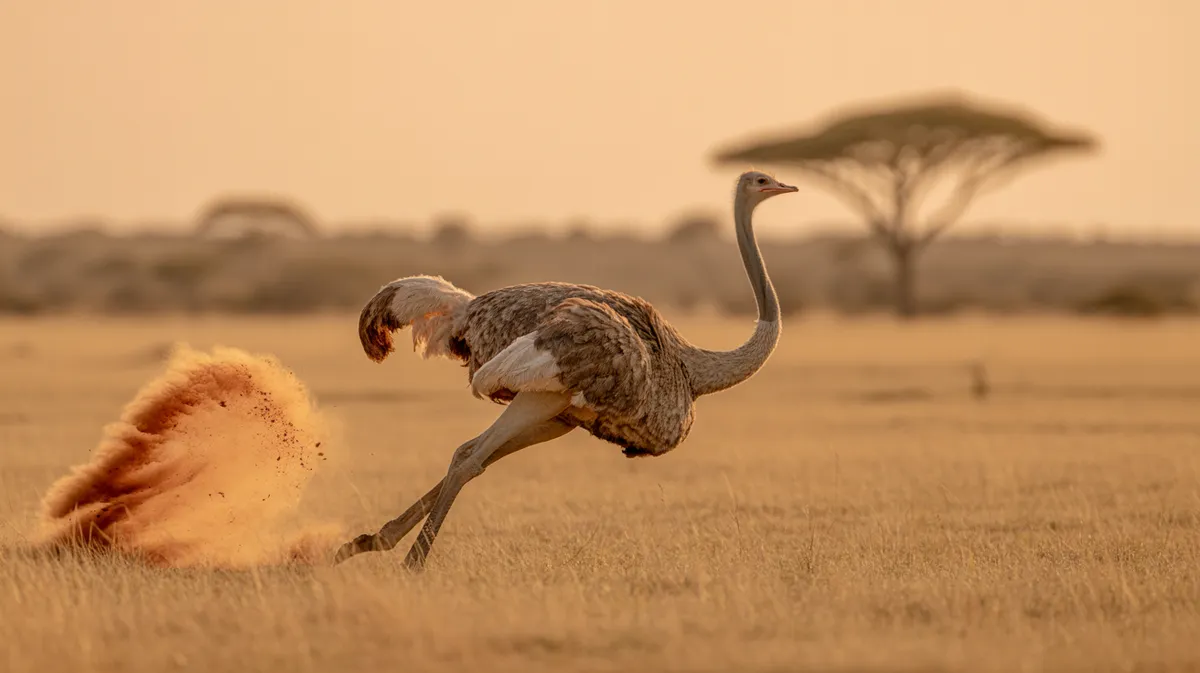
8. Ostrich — up to 2.8 m tall
The largest and heaviest bird alive. Far too heavy to fly, the ostrich instead became a sprinter, hitting 70 km/h on two powerful legs. It also lays the largest egg of any living bird — roughly the size of two dozen chicken eggs.
Unable to fly, the ostrich became a sprinter that outruns most predators and a kicker powerful enough to kill a lion. It also has the largest eye of any land animal — bigger than its own brain — to spot danger across the open plains.
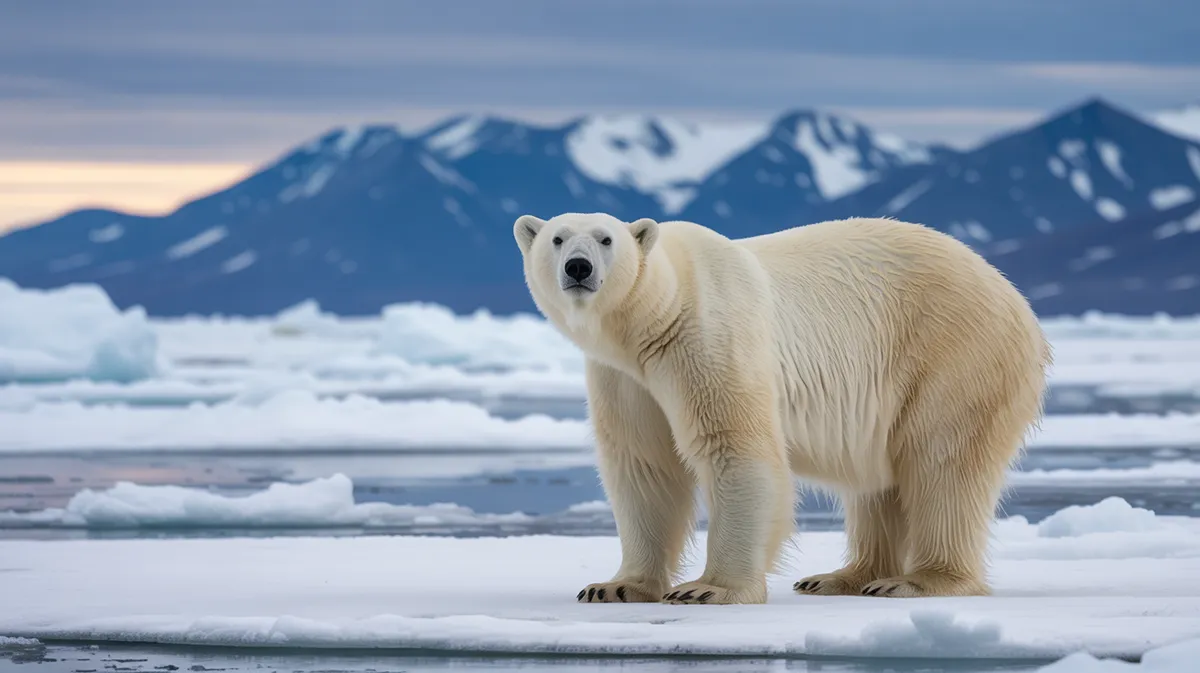
9. Polar Bear — up to 700 kg
The largest land carnivore. A big male polar bear can weigh 700 kg and stand over three metres on its hind legs, a hyper-specialised hunter of seals across the Arctic ice — and, pound for pound, one of the most powerful predators alive.
Superbly insulated by dense fur and thick blubber, the polar bear is so suited to cold that it overheats more easily than it freezes. As Arctic sea ice retreats, the largest land carnivore has become a stark symbol of a warming world losing the platforms it needs to hunt.
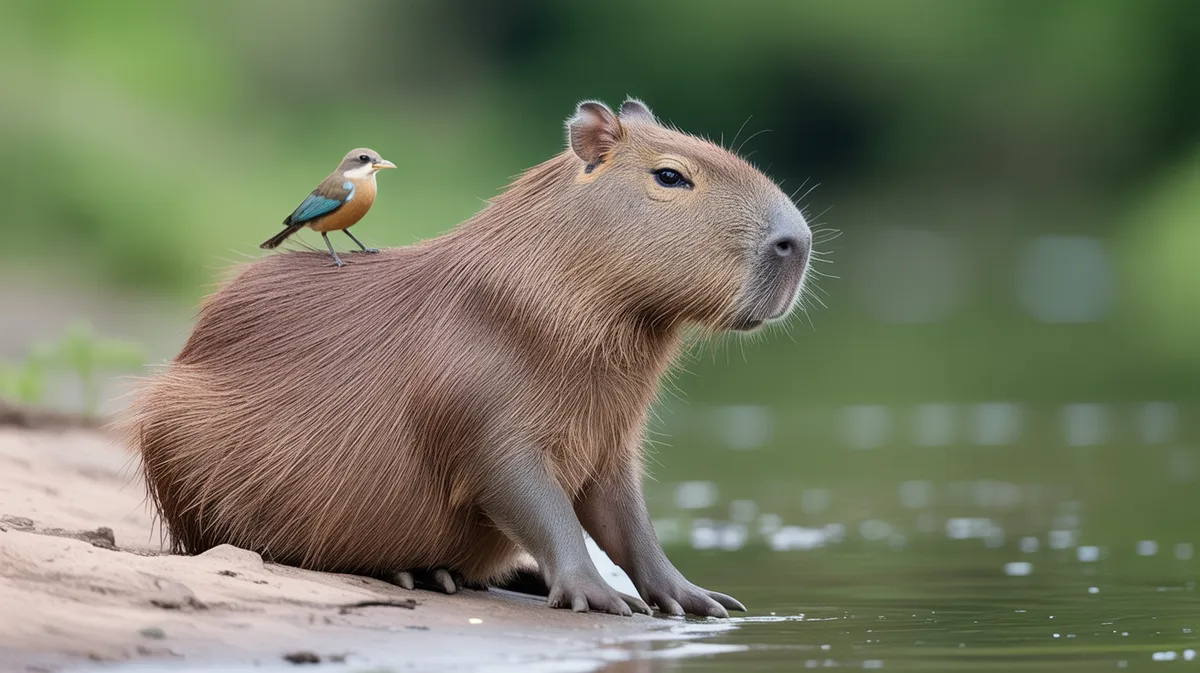
10. Capybara — up to 65 kg
We end with a more huggable record-holder: the world's largest rodent. The capybara, a semi-aquatic South American giant the size of a large dog, is famous for its unflappable calm and its habit of letting birds, monkeys, and even other species perch on its back.
Highly social, capybaras live in groups of a dozen or more and communicate through an array of barks, whistles, and purrs. Their easy-going nature and semi-aquatic habits — they can stay underwater for several minutes to hide — have made them an unlikely internet favourite.
Biggest in every domain
There's no single "biggest animal" — there's a biggest of each kind. The blue whale rules the ocean and the planet, the elephant the land, the giraffe the sky-line, the colossal squid the deep, and the ostrich the bird world. Size, like every superlative in this series, depends on the category.
Frequently asked questions
What is the biggest animal on Earth? The blue whale, at up to 30 metres and 180 tonnes — the largest animal that has ever existed.
What is the biggest land animal? The African bush elephant, which can weigh more than six tonnes.
What is the biggest fish? The whale shark, reaching up to 18 metres — a harmless plankton-feeder.
That completes the six-part Nature's Record-Breakers series. Revisit the fastest, the longest-living, the strongest, the deadliest, and the smartest animals on Earth.