
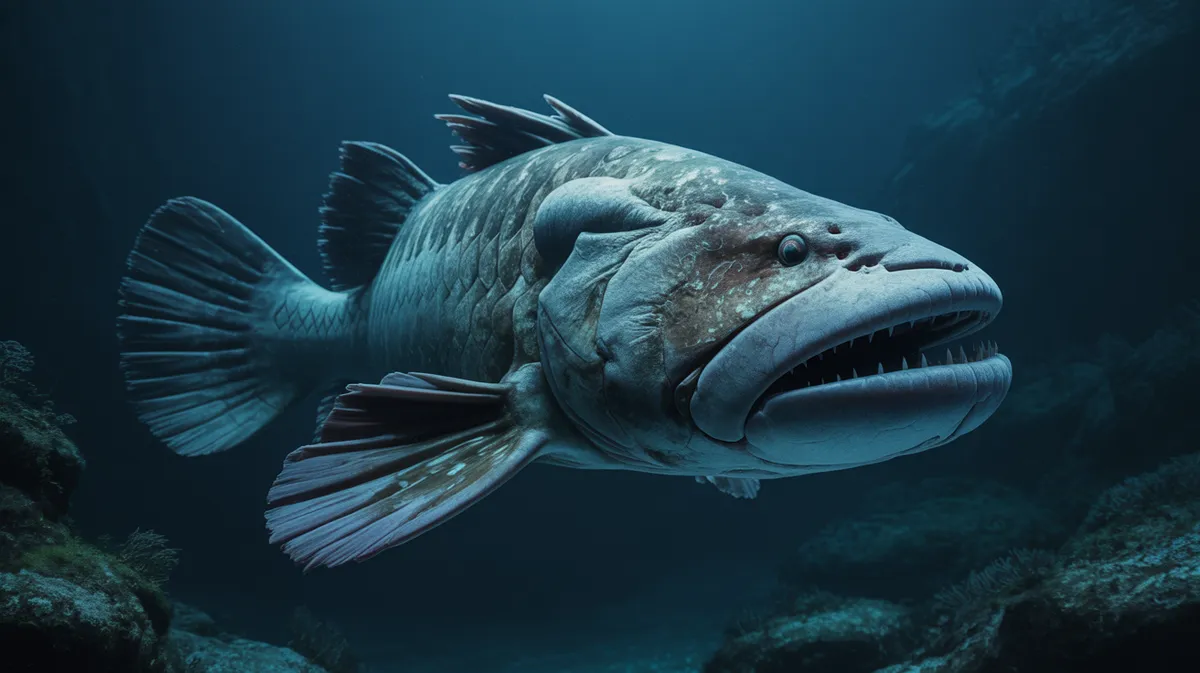
Some animals look like they walked straight out of the age of dinosaurs — because, in a sense, they did. "Living fossils" are species that have barely changed over tens or hundreds of millions of years, surviving while the world transformed around them. This entry in our Nature's Record-Breakers series ranks the greatest living fossils on Earth, and what their staying power reveals about evolution.
It sits alongside the rest of the series, including the longest-living animals and the weirdest. "Unchanged" is never quite literal — but these animals are astonishingly close to ancestors that predate flowers, mammals, and even the dinosaurs.
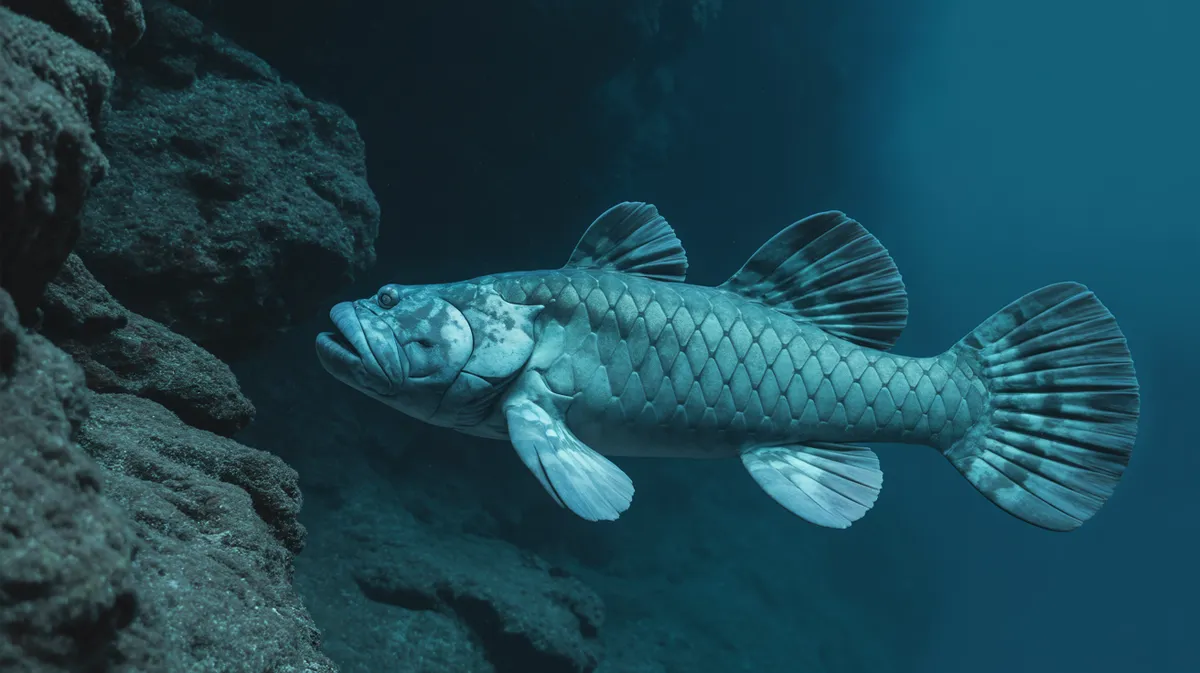
1. Coelacanth
The most famous living fossil of all. The coelacanth was believed to have died out 66 million years ago — until a live one was hauled up off South Africa in 1938. This deep-water fish has fleshy, limb-like fins and belongs to a lineage over 400 million years old, close to the ancestors of the first land vertebrates.
The discovery stunned the scientific world, and a second species was later found in Indonesia, proving the first was no fluke. Coelacanths bear live young after a gestation that may last years, and their fleshy fins move in the same alternating pattern as a four-legged animal's limbs.
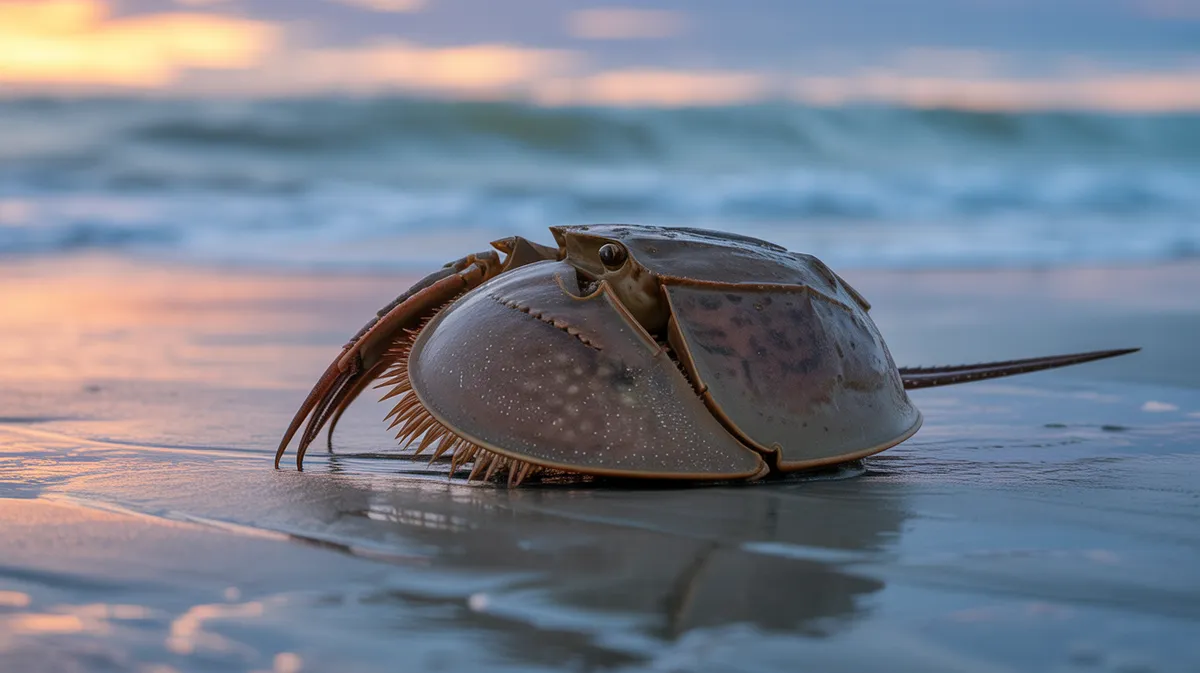
2. Horseshoe Crab
Not actually a crab but a relative of spiders, the horseshoe crab has scuttled across the seafloor essentially unchanged for some 450 million years. Its copper-based blue blood is so good at detecting bacterial contamination that the medical industry still harvests it to test vaccines and implants.
Every year hundreds of thousands are collected, bled for their precious blue blood, and returned to the sea, though the practice raises growing welfare and conservation concerns. They also spawn in vast synchronised gatherings that migratory shorebirds depend on for food.
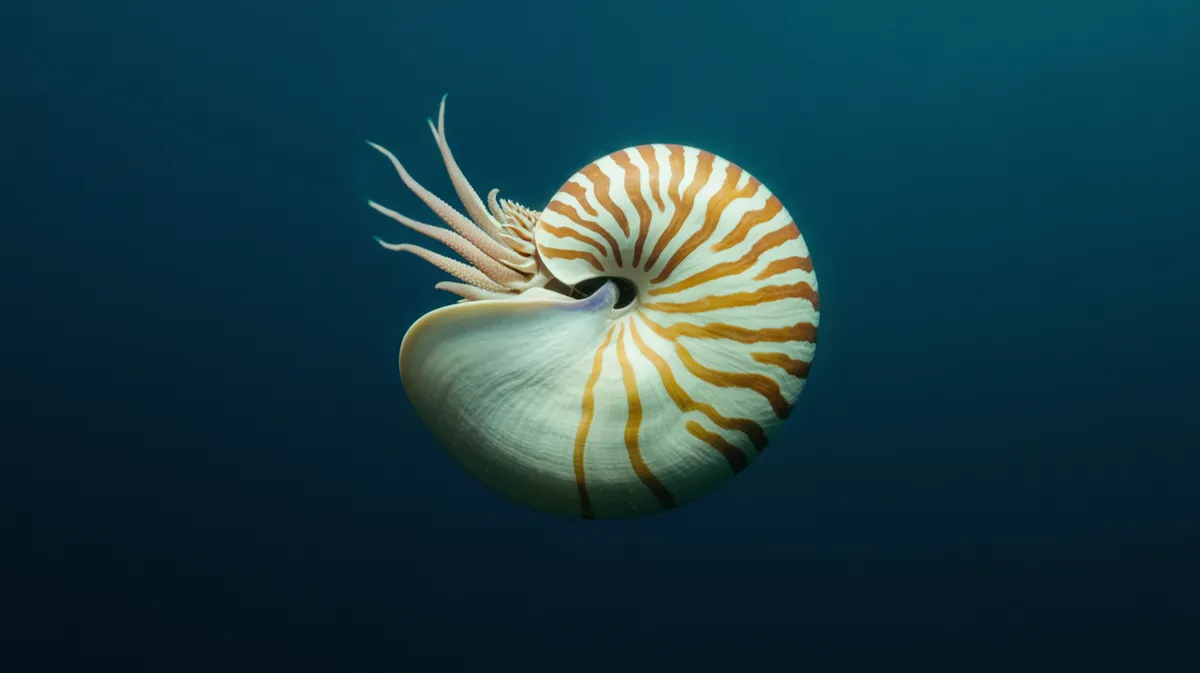
3. Nautilus
While its cousins the squid and octopus evolved into soft-bodied geniuses, the nautilus kept its spiral shell for around 500 million years. It jets through the deep ocean using the same buoyancy trick its ancestors used before fish had jaws.
It grows its spiral shell in ever-larger chambers, sealing off the old ones and adjusting their gas content to hover effortlessly in the water. Sadly, demand for those beautiful shells has driven heavy fishing of an animal that survived every mass extinction since before the dinosaurs.
4. Tuatara
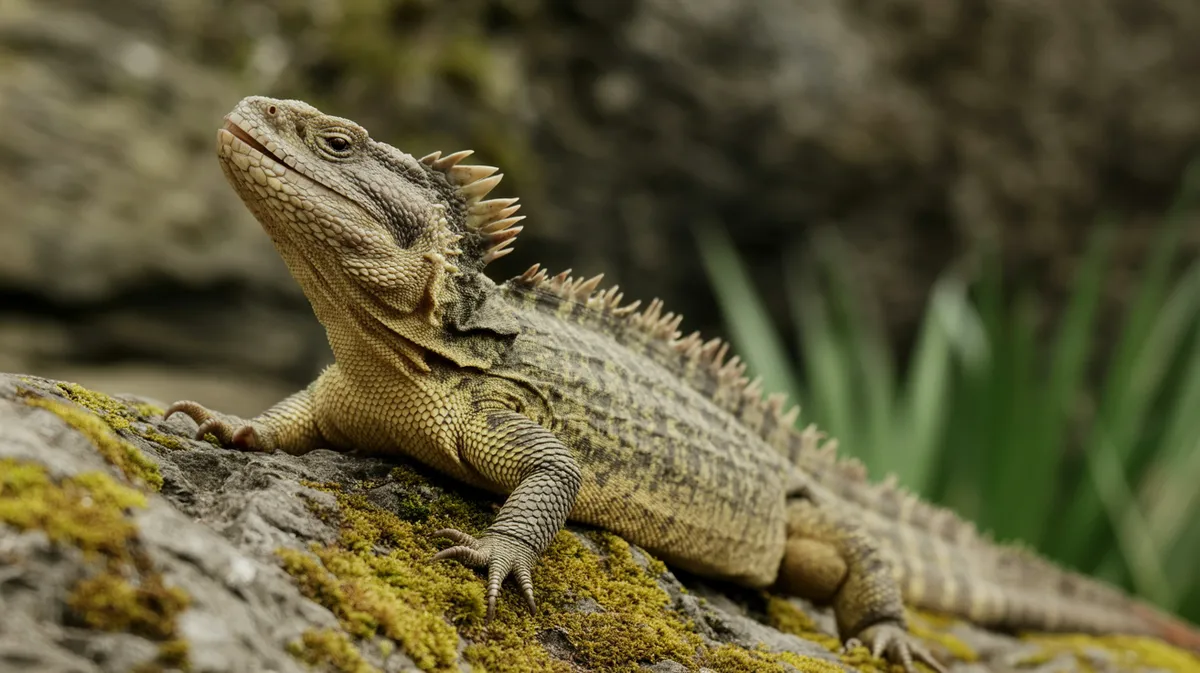
New Zealand's tuatara isn't a lizard but the sole survivor of an entire reptile order, the rhynchocephalians, that flourished alongside the earliest dinosaurs. It even has a light-sensitive "third eye" on top of its head — a feature most of its relatives lost hundreds of millions of years ago.
It lives in extreme slow motion — growing for decades, breeding only every few years, and reaching well over a century old. The tuatara thrives in cool temperatures that would chill a true reptile into sluggishness, and now survives mainly on predator-free islands off New Zealand.
5. Frilled Shark
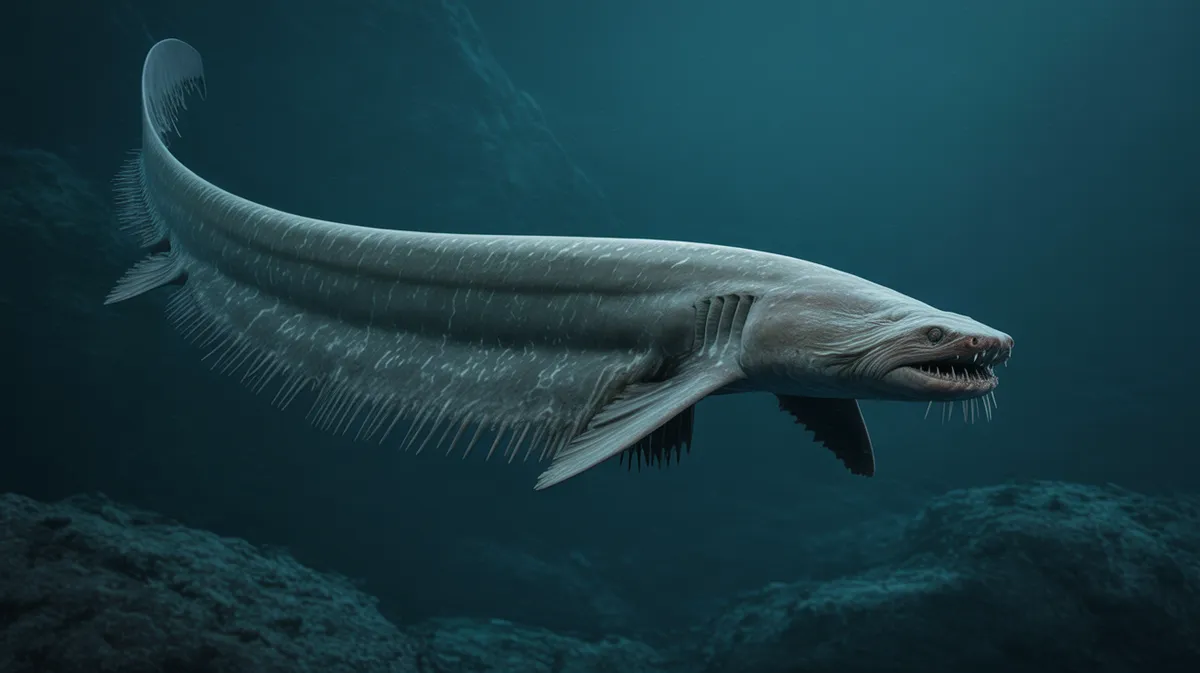
With its long, eel-like body and rows of needle teeth, the frilled shark looks like a sea serpent from myth. This rarely seen deep-water hunter has changed little in roughly 80 million years, a snapshot of what ancient sharks may have looked like.
Living in the deep ocean, it gives birth to live pups after what may be the longest pregnancy of any vertebrate — possibly three and a half years. Its 300 backward-pointing teeth are arranged in rows to snare soft-bodied squid that, once caught, have almost no chance of escape.
6. Lamprey
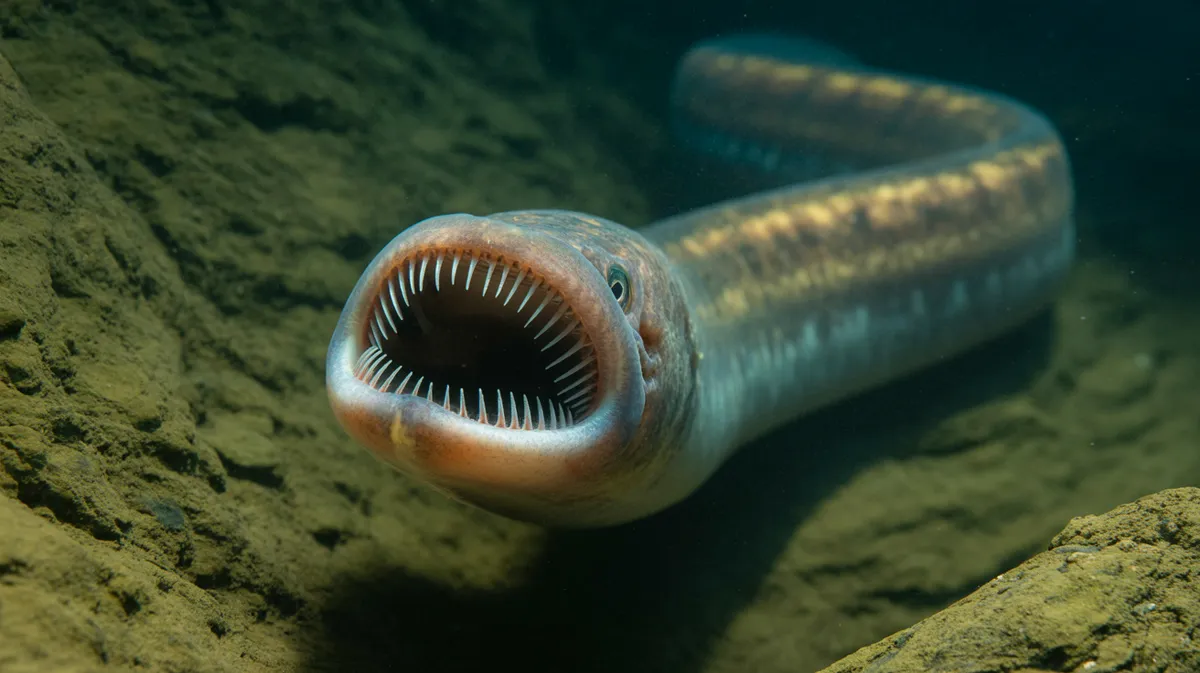
Lampreys are jawless fish with a sucker-like mouth ringed by teeth, and they've existed in much the same form for over 350 million years — predating not just dinosaurs but jaws themselves. They're a living glimpse of one of vertebrate life's earliest chapters.
Many lampreys are parasites, latching onto fish with their sucker mouths and rasping through the skin to feed on blood and fluids. Studying their primitive bodies gives scientists a rare window into what the earliest vertebrates — our own distant ancestors — may have looked like.
7. Sturgeon
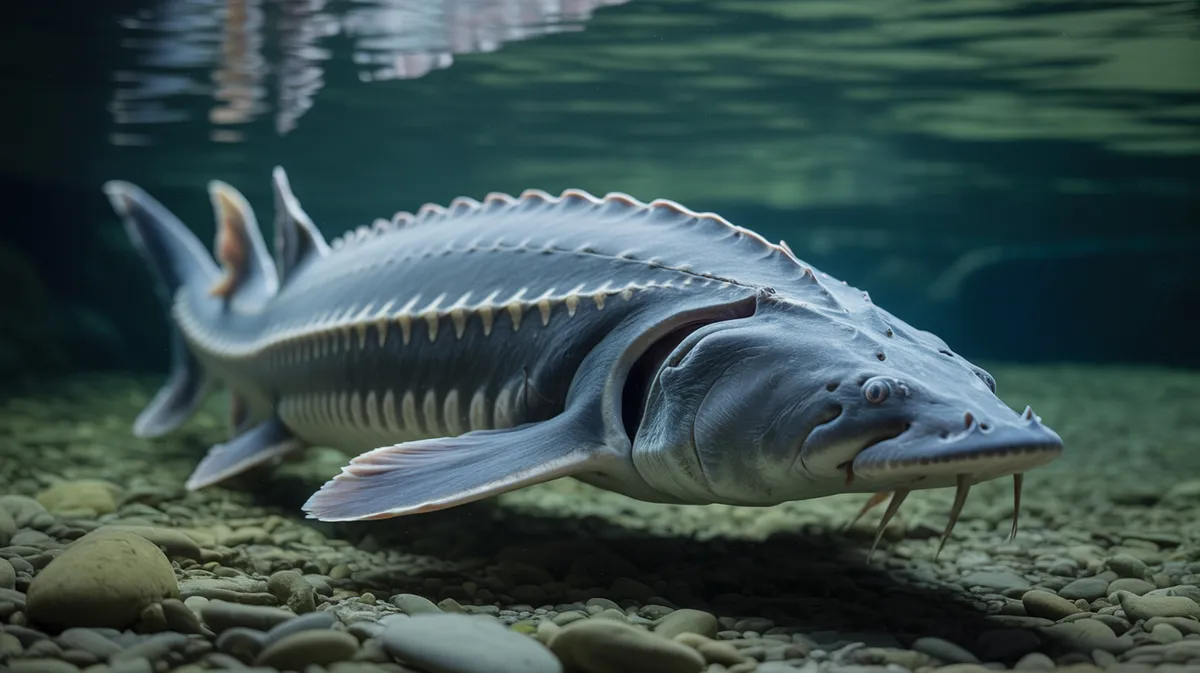
The armoured, bottom-feeding sturgeon has cruised rivers and seas for around 200 million years, shielded by rows of bony plates instead of scales. Slow to mature and long-lived, it survived the dinosaurs only to be pushed to the brink by human appetite for caviar.
Some species live over a century and grow longer than a car, migrating up rivers to spawn just as their ancestors did beside the dinosaurs. Their late maturity and the prized caviar they carry have made many sturgeon among the most endangered animals on Earth.
8. Velvet Worm
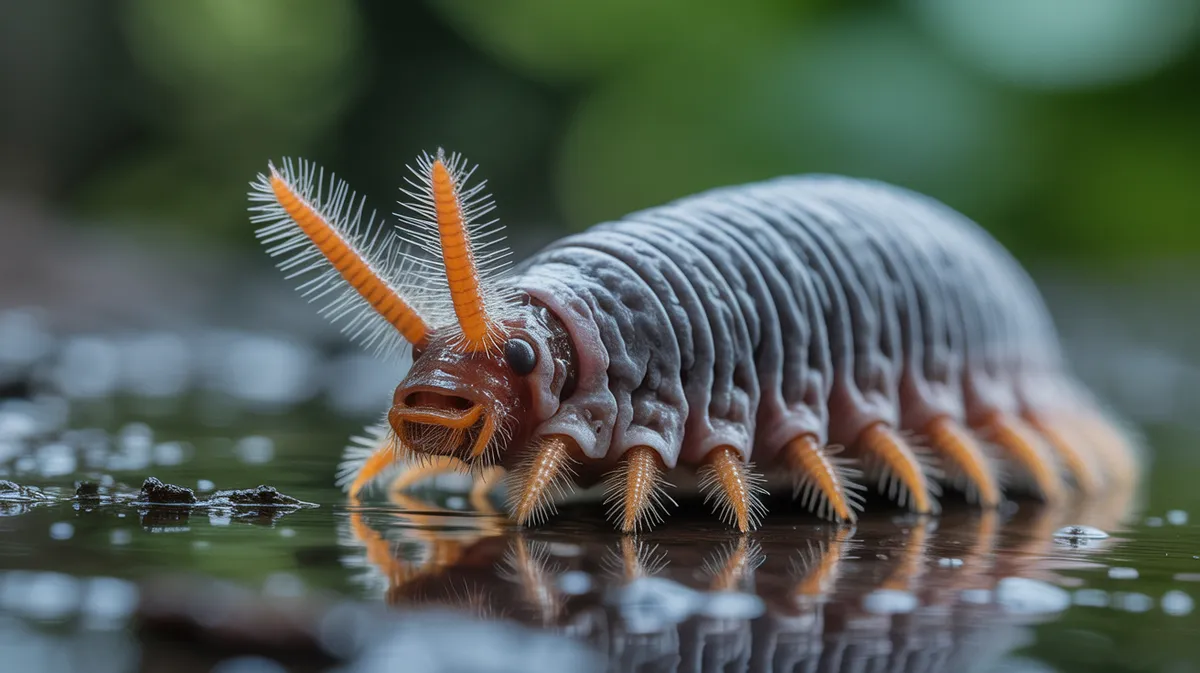
This soft, caterpillar-like predator squirts jets of slime to trap prey and has remained remarkably similar for some 500 million years. Velvet worms sit near the evolutionary crossroads between worms and arthropods — a living signpost from deep time.
It hunts by squirting twin jets of fast-hardening slime to snare insects, then injects digestive saliva to dissolve the meal. With stubby legs and a soft body, the velvet worm offers a living glimpse of the evolutionary doorway between worms and the vast world of arthropods.
9. Lungfish
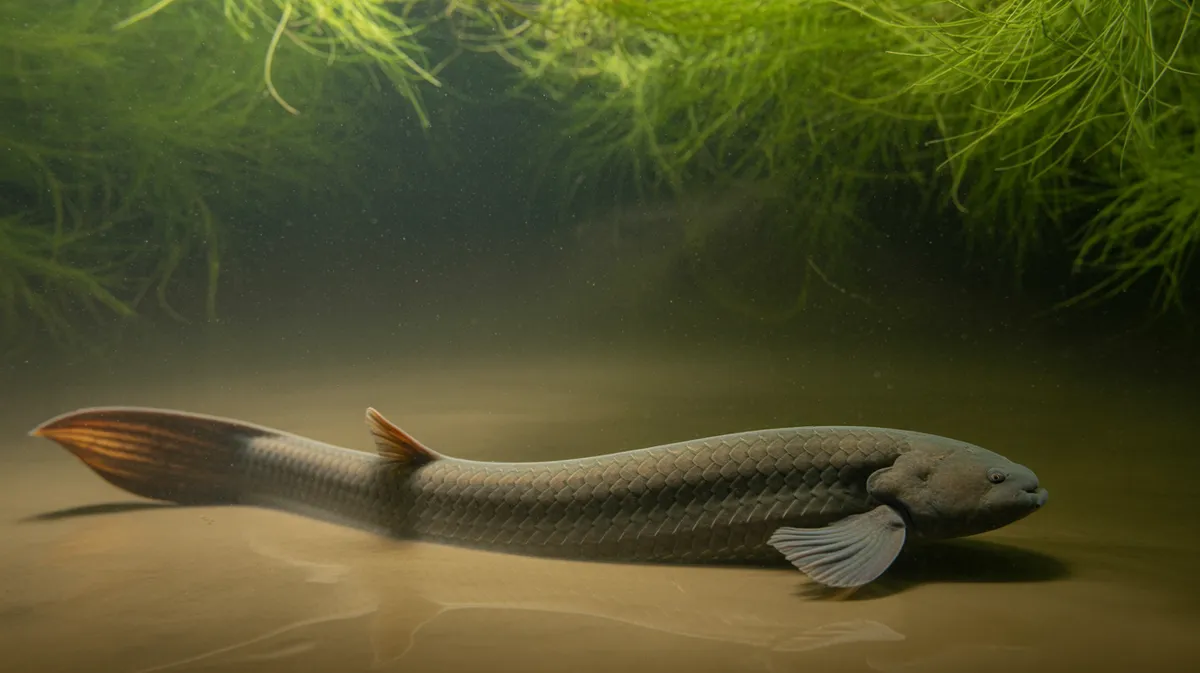
Lungfish can do something almost no other fish can: breathe air. Possessing primitive lungs, they've persisted for roughly 400 million years and can survive drought by burrowing into mud and entering a dormant state for months. They're among our closest fishy relatives.
When its river dries up, the African lungfish burrows into the mud, wraps itself in a cocoon of mucus, and breathes air for months until the rains return. Its sturdy, fleshy fins strikingly resemble the limbs of the first creatures to crawl onto land.
10. Crocodile
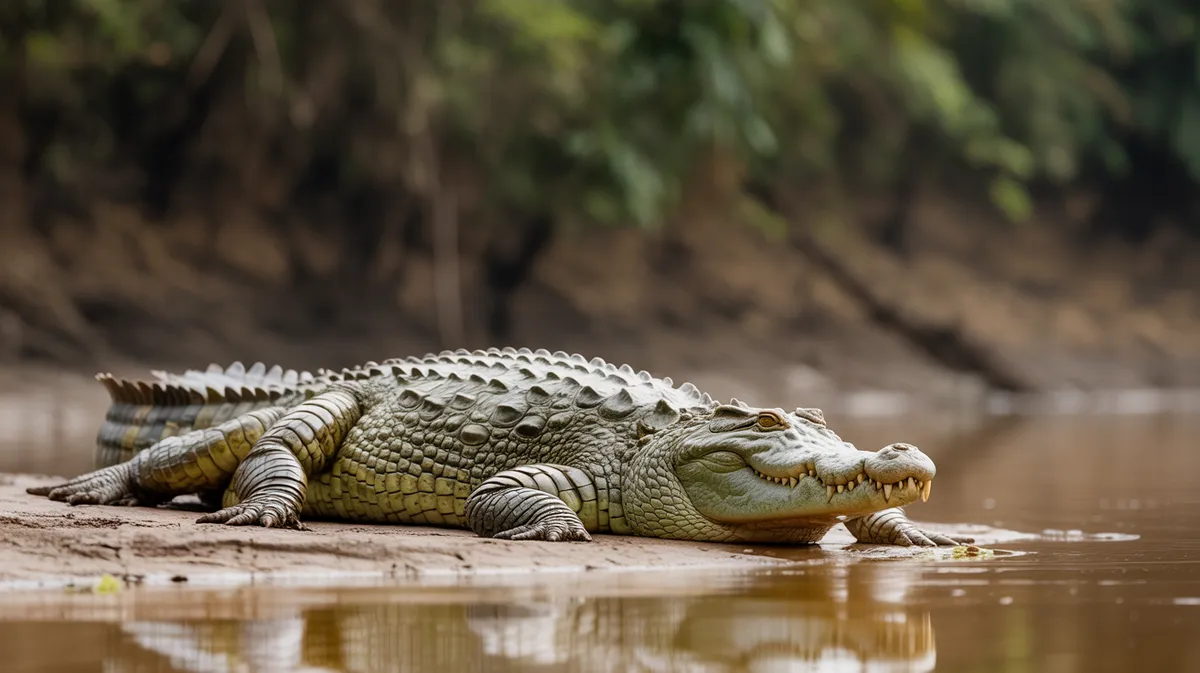
Crocodiles are the great survivors — their body plan has worked so well for over 200 million years that evolution has barely bothered to revise it. They outlasted the dinosaurs they once lived beside, and the same design still rules the world's rivers today.
Modern crocodiles are far more sophisticated than they look, with a four-chambered heart, real parental care, and even rudimentary play. Their basic design has needed so little improvement that they outlasted not just the dinosaurs but countless newer animals that have come and gone since.
Why do living fossils stop evolving?
They don't, exactly — they keep evolving at the genetic level, but their body plan stops changing because it already fits a stable niche almost perfectly. When the environment doesn't change much and the design works, evolution leaves a winning formula alone.
Frequently asked questions
What is the most famous living fossil? The coelacanth, a fish thought extinct for 66 million years until one was caught alive in 1938.
Are living fossils really unchanged? Not genetically — but their external body plan has stayed remarkably similar over tens or hundreds of millions of years.
What animal has survived the longest unchanged? Contenders include the horseshoe crab (~450 million years) and the nautilus and velvet worm (~500 million years).
From the ancient to the radiant: finish with the 10 most colorful animals on Earth, or revisit the 10 loudest animals.