
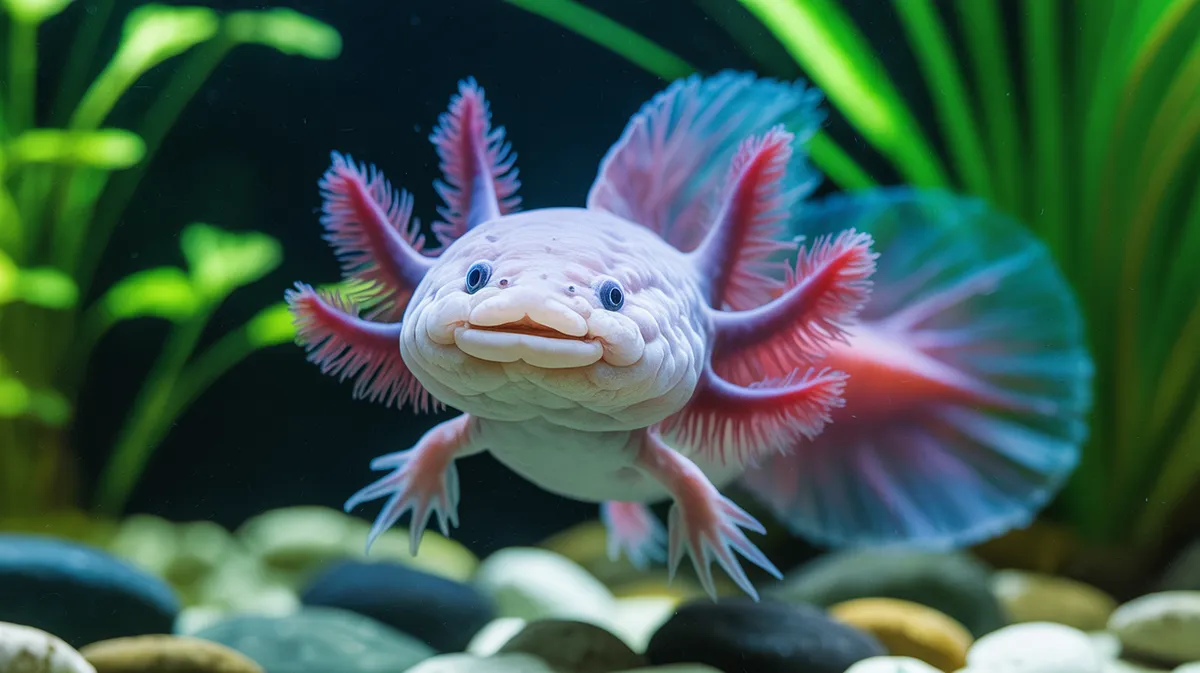
Evolution is endlessly inventive, and every so often it produces an animal so strange it looks invented. Transparent frogs, moles with tentacles for noses, mammals that lay eggs — the natural world is far weirder than fiction. This entry in our Nature's Record-Breakers series celebrates the 10 weirdest animals on Earth, and the surprising reasons they turned out the way they did.
It joins the rest of the series, from the smartest animals to the most venomous. Weird, it turns out, is almost always a clever solution to a hard problem.
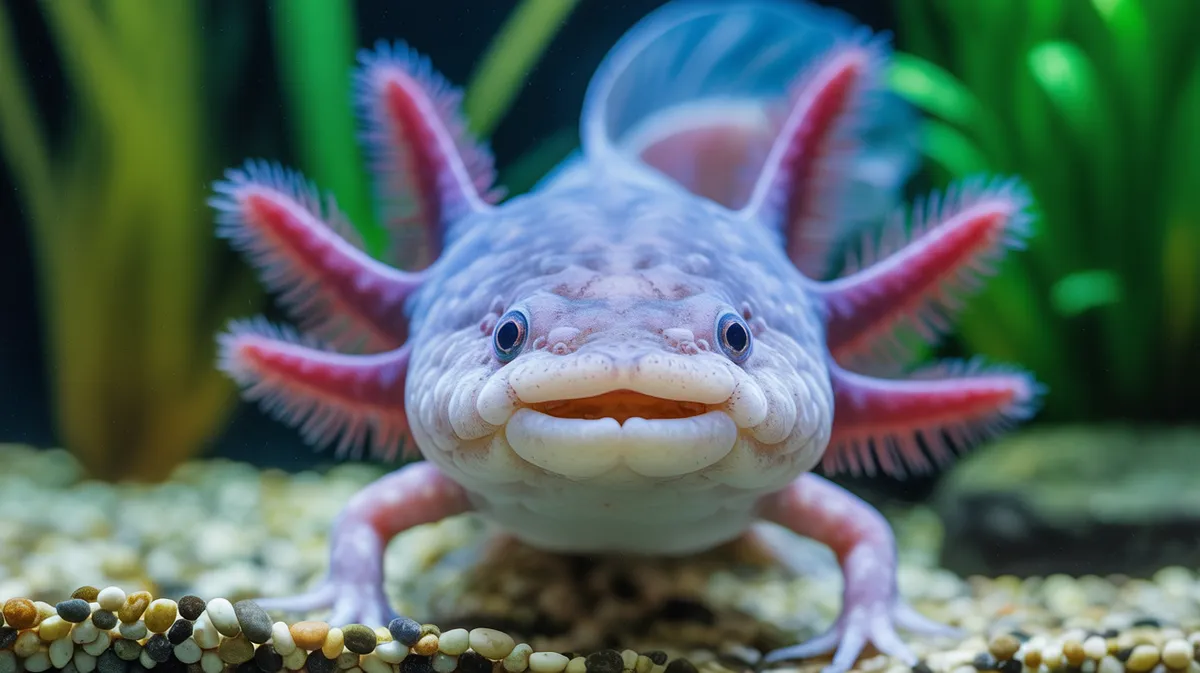
1. Axolotl
This permanently smiling Mexican salamander never grows up — it keeps its larval gills and stays aquatic for life, a phenomenon called neoteny. Stranger still, it can regrow entire limbs, parts of its heart, and even sections of its brain, making it one of the most important animals in regeneration research.
Tragically, the axolotl is nearly extinct in its only native home, the canals of Mexico City, even as millions thrive in labs and aquariums worldwide. Its regenerative powers are so complete it can accept transplanted body parts without rejection, making it a holy grail of medical research.
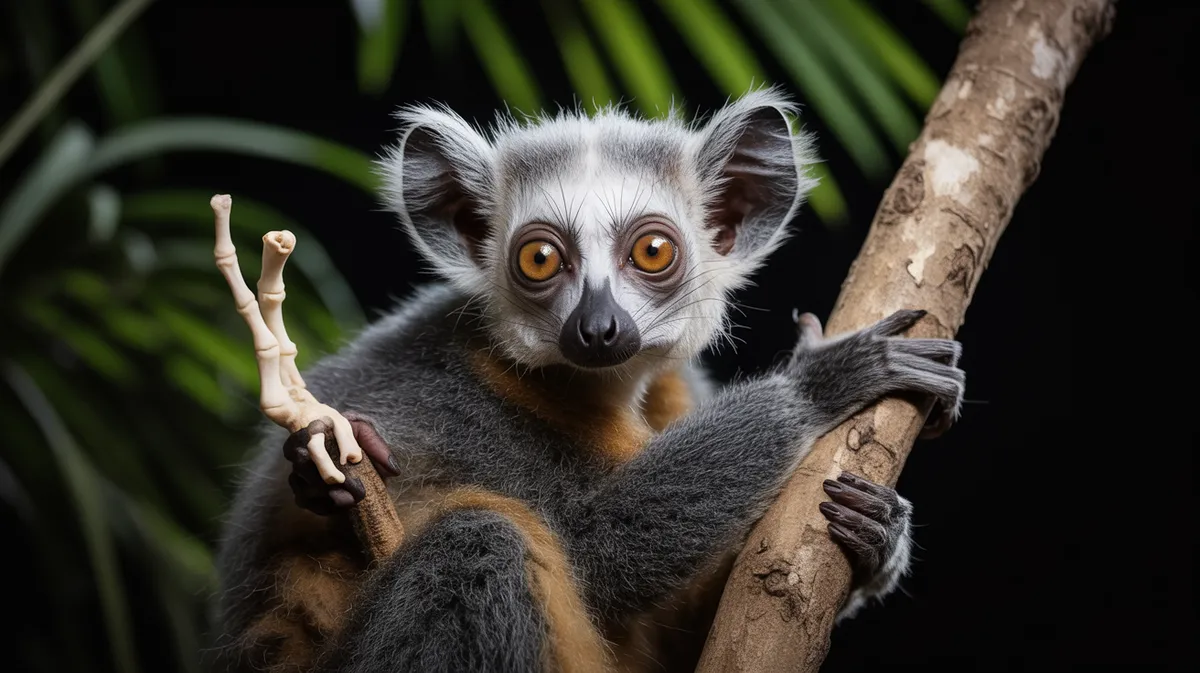
2. Aye-Aye
A nocturnal lemur that looks assembled from spare parts: huge ears, ever-growing teeth, and a spindly, elongated middle finger. It taps on branches and listens for hollow tunnels, then fishes out grubs with that bony finger — a foraging method called percussive hunting found almost nowhere else.
Local superstition in Madagascar long held the aye-aye to be an omen of death, and many were killed on sight — a prejudice that, alongside habitat loss, has pushed it toward extinction. In truth its bizarre toolkit simply fills the same role a woodpecker plays elsewhere.
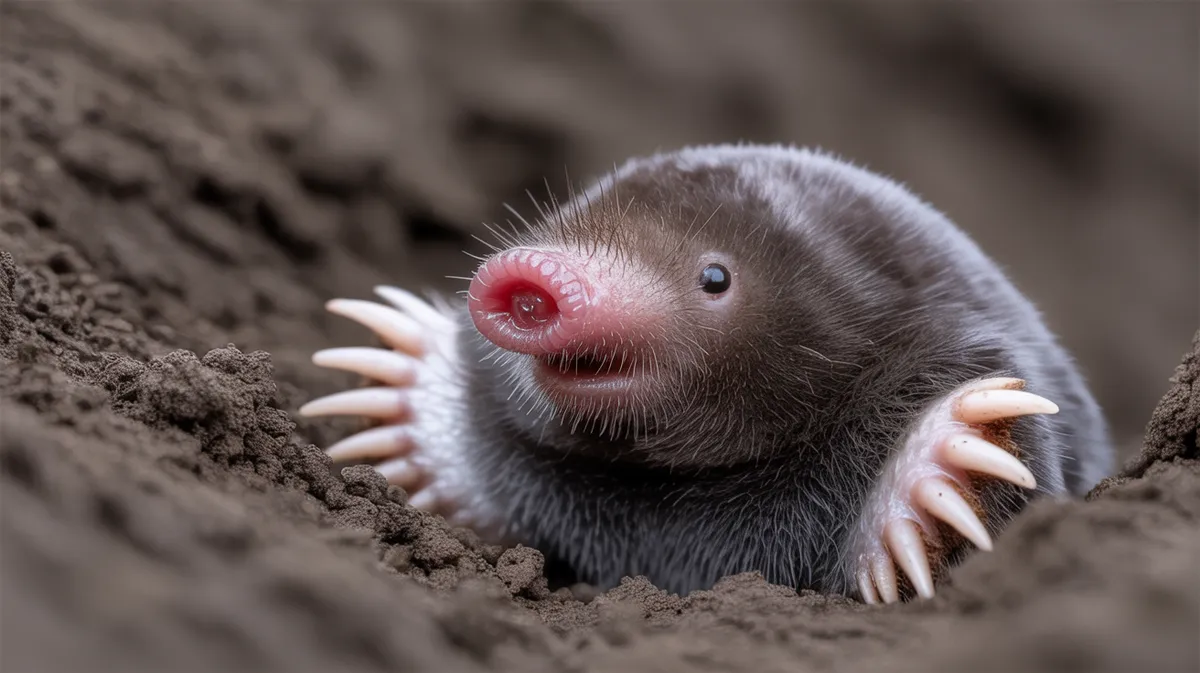
3. Star-Nosed Mole
The 22 pink tentacles ringing its snout make this mole look like it ran into something. In fact that star is the most sensitive touch organ known in any mammal, packed with 25,000 sensory receptors, and it's the fastest forager on Earth — identifying and eating prey in under a quarter of a second.
Each of its 22 appendages carries thousands of touch receptors, and the mole presses them against objects more than ten times a second to build a picture of its world. Functionally blind, it effectively 'sees' by touch faster than the human eye can even follow.
4. Blobfish
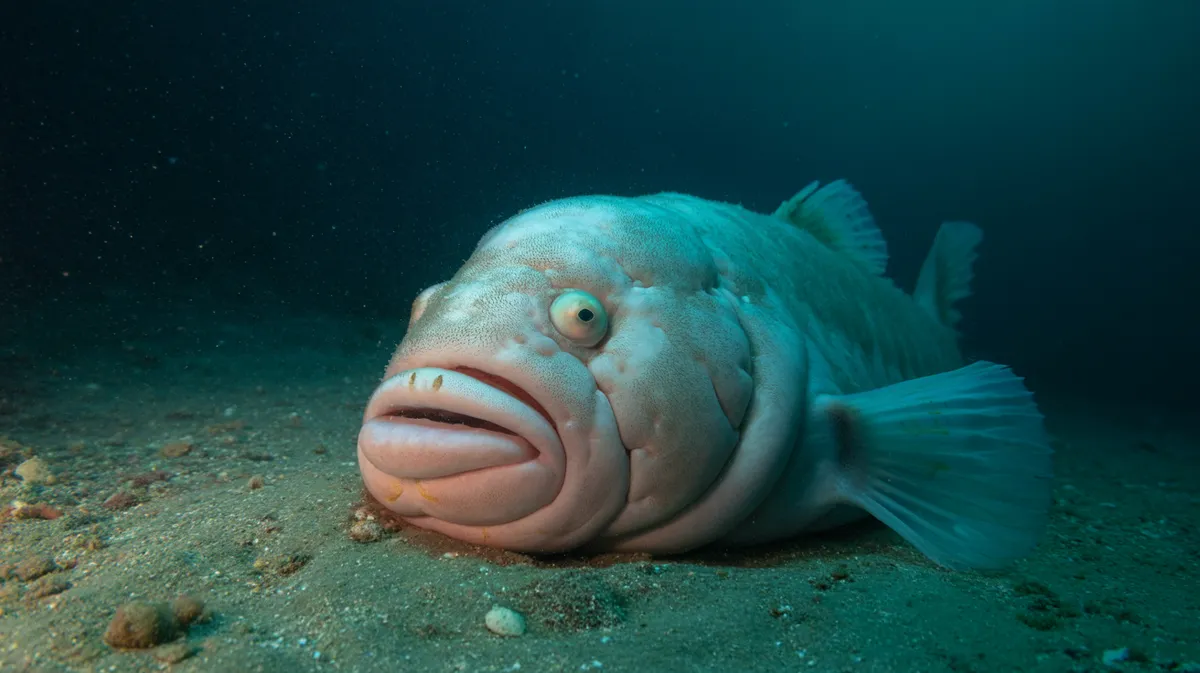
Famous as the "world's ugliest animal," the blobfish is a victim of bad press. In its deep-sea home the immense pressure holds its soft body in a perfectly normal fish shape; it only becomes the melted blob of internet fame when hauled to the surface and decompressed.
Living more than a kilometre down, it has no need for the muscle or swim bladder that hold ordinary fish in shape, letting the surrounding pressure do that work for free. In its own habitat it is a perfectly normal-looking deep-sea fish going quietly about its business near the seafloor.
5. Pangolin
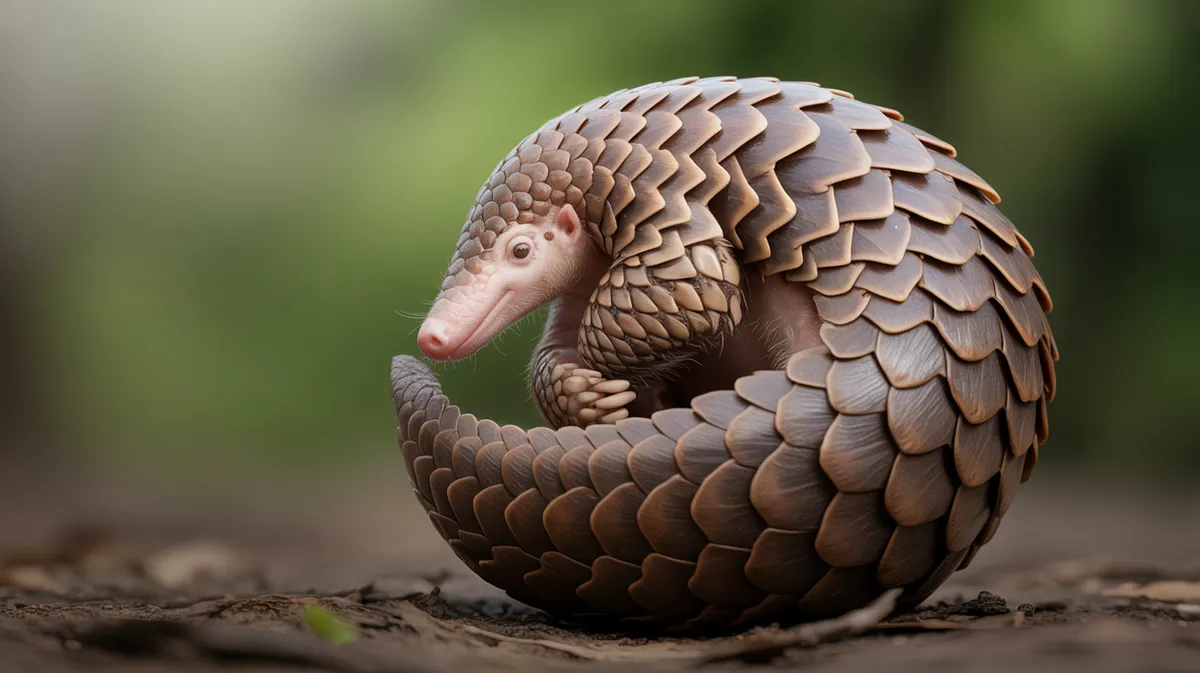
The only mammal covered in scales, the pangolin rolls into an armoured ball when threatened — so well-defended that even lions usually give up. Tragically, those same keratin scales have made it the most trafficked mammal on Earth, which lands it on our rarest animals list too.
When it curls up, its overlapping scales form armour so effective that even a lion's jaws usually can't crack it — leaving humanity as its only real predator. Pangolins also lack teeth entirely, swallowing small stones that grind up the ants and termites they hoover up with a tongue longer than their own body.
6. Proboscis Monkey
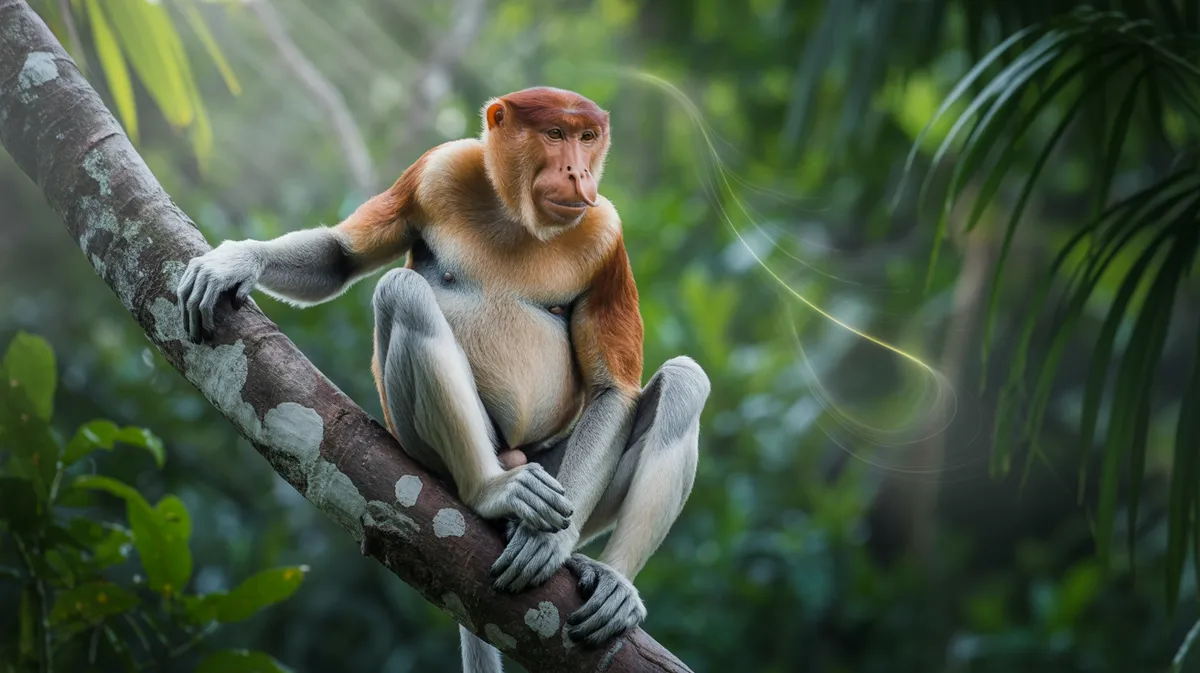
The males of this Borneo primate sport an enormous pendulous nose that can hang past the mouth. Far from a handicap, it acts as an amplifier — booming out honking calls that attract females and intimidate rivals. Bigger nose, louder voice, more mates.
The nose keeps growing throughout the male's life, and the largest-nosed males tend to dominate the harem — sexual selection sculpting an organ purely for show. The monkeys are also surprisingly strong swimmers, with partially webbed feet for crossing the rivers of their Bornean home.
7. Glass Frog
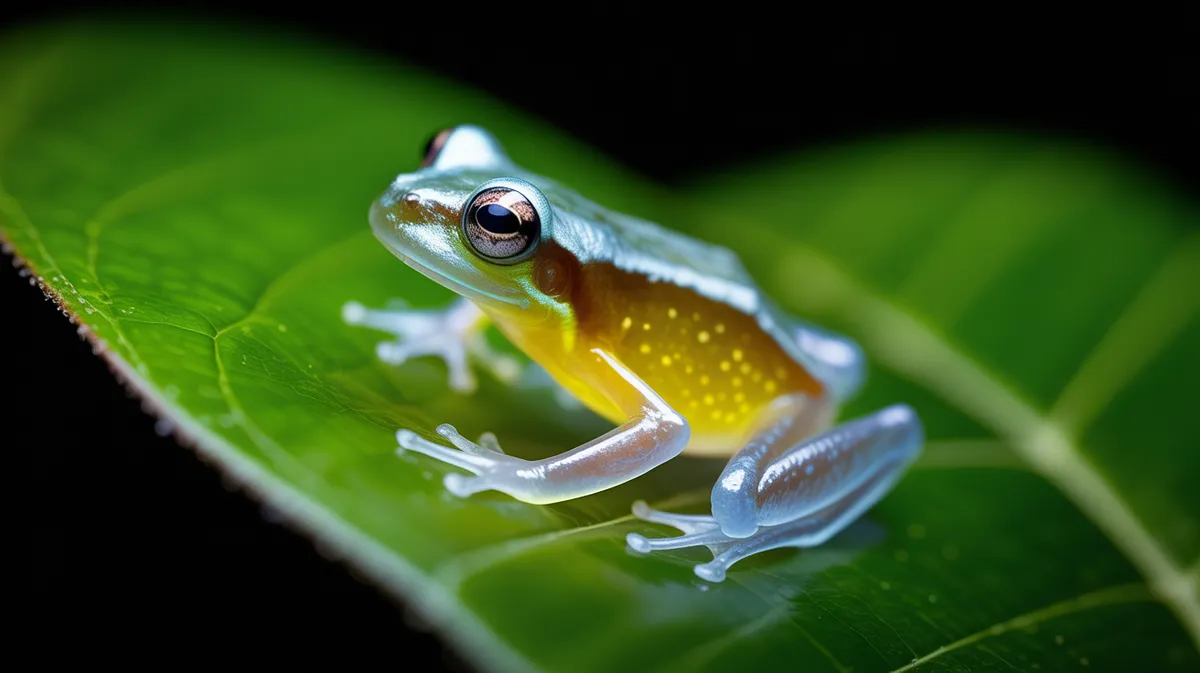
Look at a glass frog's belly and you can see its heart beating and its intestines coiled — the skin is translucent. Recent research found they can even hide most of their red blood cells in their liver while sleeping, becoming nearly see-through to avoid predators.
Hiding its blood is a clever survival trick: by stashing most of its red blood cells in its liver while it sleeps, the frog erases the tell-tale red colour predators search for. Researchers are fascinated by how it does this without its blood dangerously clotting.
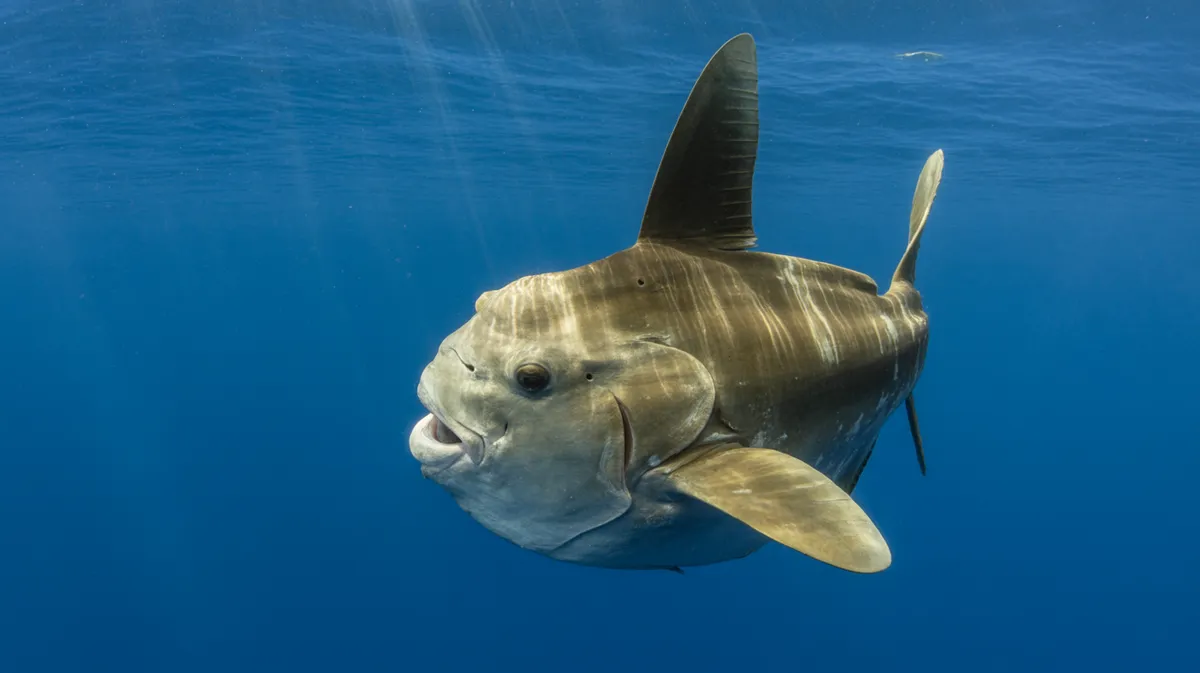
8. Mola Mola (Ocean Sunfish)
The heaviest bony fish in the world looks like a giant swimming head that forgot to grow a back half. It can weigh over a tonne, lays more eggs than almost any vertebrate, and loves to bask flat at the surface — sunbathing to warm up after dives into cold water.
A single female can carry hundreds of millions of eggs — more than almost any other vertebrate — though only a tiny fraction will ever survive. Despite their ungainly looks, sunfish are capable divers that descend hundreds of metres and bask at the surface to rewarm and let birds pick off their parasites.
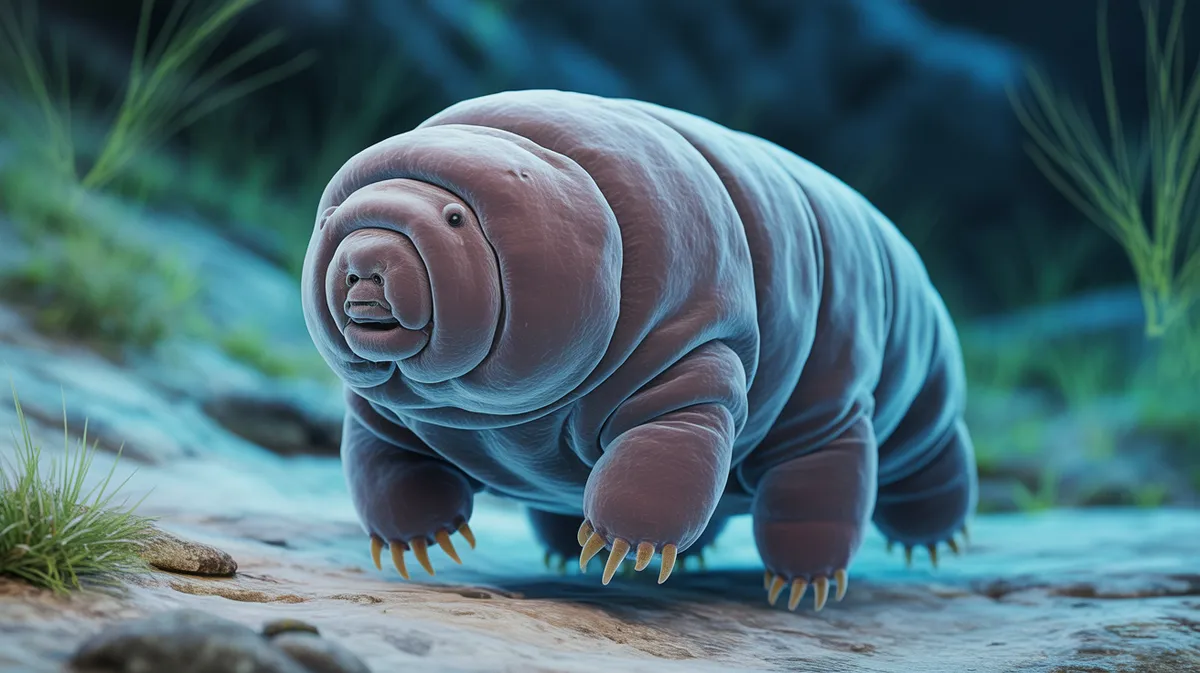
9. Tardigrade
The "water bear" is microscopic, oddly cuddly under a microscope, and almost impossible to kill. It can survive boiling, freezing near absolute zero, crushing pressure, radiation, and even the vacuum of space by drying into a near-indestructible state called a tun. Few animals are stranger — or tougher.
It survives the impossible by curling into a desiccated 'tun' and all but switching off its metabolism, then springing back to life when water returns — even decades later. Tardigrades have already been launched into orbit and survived direct exposure to the vacuum of space, a test no other animal has passed.
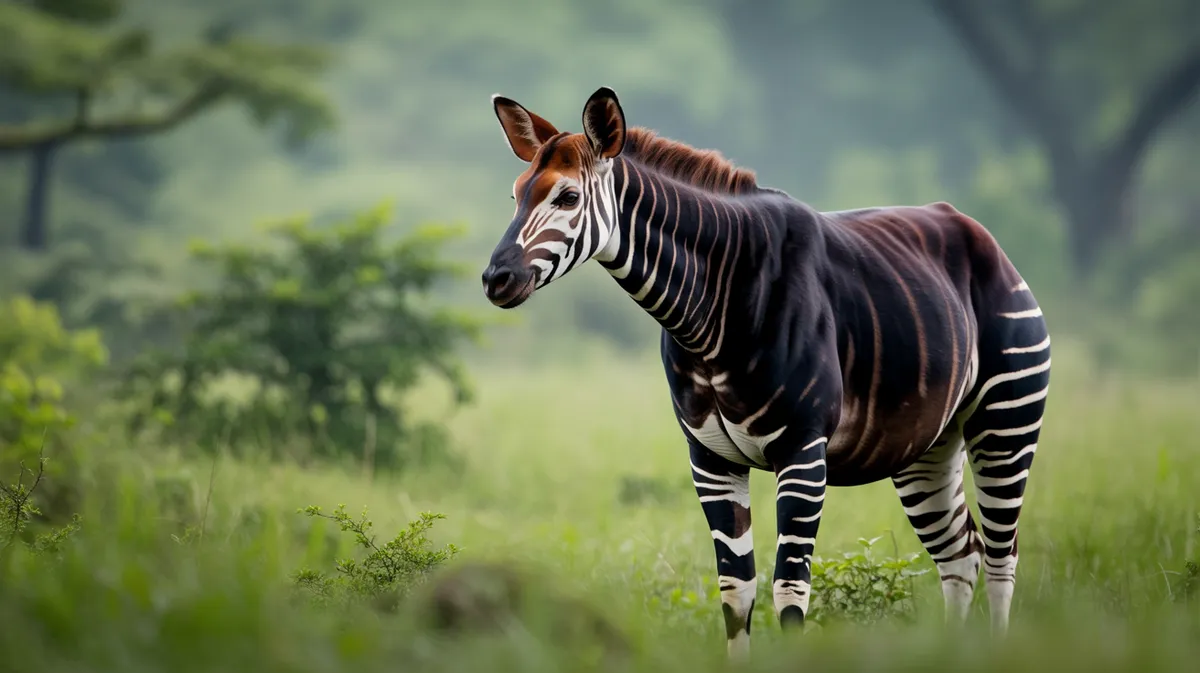
10. Okapi
Looking like a cross between a zebra and a horse, the okapi is actually the giraffe's only living relative — complete with a long blue-black tongue it uses to clean its own ears. So elusive in the Congo rainforest that scientists didn't formally describe it until 1901, it was once dubbed the "African unicorn."
Its striking striped rump may act as camouflage in dappled forest light, or help calves follow their mothers through the gloom. So secretive is the okapi that, despite its size, Western science had no inkling it existed until the dawn of the twentieth century.
Why "weird" usually means "brilliant"
Every animal on this list is strange for a reason: the axolotl's eternal youth, the mole's tentacled nose, the glass frog's see-through camouflage. What looks bizarre to us is almost always a finely tuned answer to a specific evolutionary challenge.
Frequently asked questions
What is the weirdest animal in the world? It's subjective, but the axolotl, star-nosed mole and aye-aye are perennial contenders for their bizarre adaptations.
Is the blobfish really that ugly? Only out of water — at depth its body looks like an ordinary fish; surface decompression deforms it.
What animal can survive in space? The tardigrade, which can endure the vacuum and radiation of space by entering a dried-out, suspended state.
From the bizarre to the vanishing: finish with the 10 rarest animals on Earth, or revisit the 10 biggest animals.