
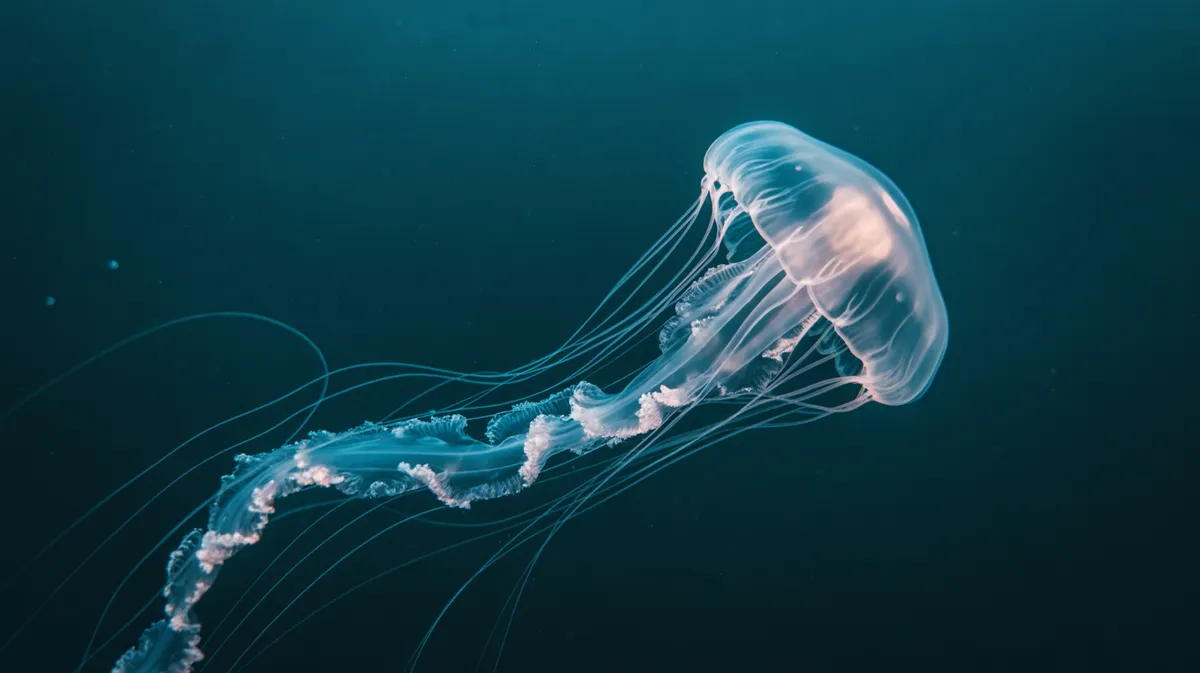
Venom is one of evolution's most refined weapons — a chemical cocktail tuned over millions of years to stop a heart, dissolve tissue, or scramble a nervous system in seconds. But "most venomous" is a slippery title. Do you mean the most potent drop by drop, the one that kills the most people, or the one with no antidote at all? This entry in our Nature's Record-Breakers series ranks the most venomous animals on Earth, with the science behind each.
It sits alongside the rest of the series, including the deadliest animals and the fastest. One important distinction first: venom is injected (a bite or sting), while poison is absorbed or eaten. A few famous "venomous" animals are technically poisonous — and we'll flag them where it matters.
1. Box Jellyfish
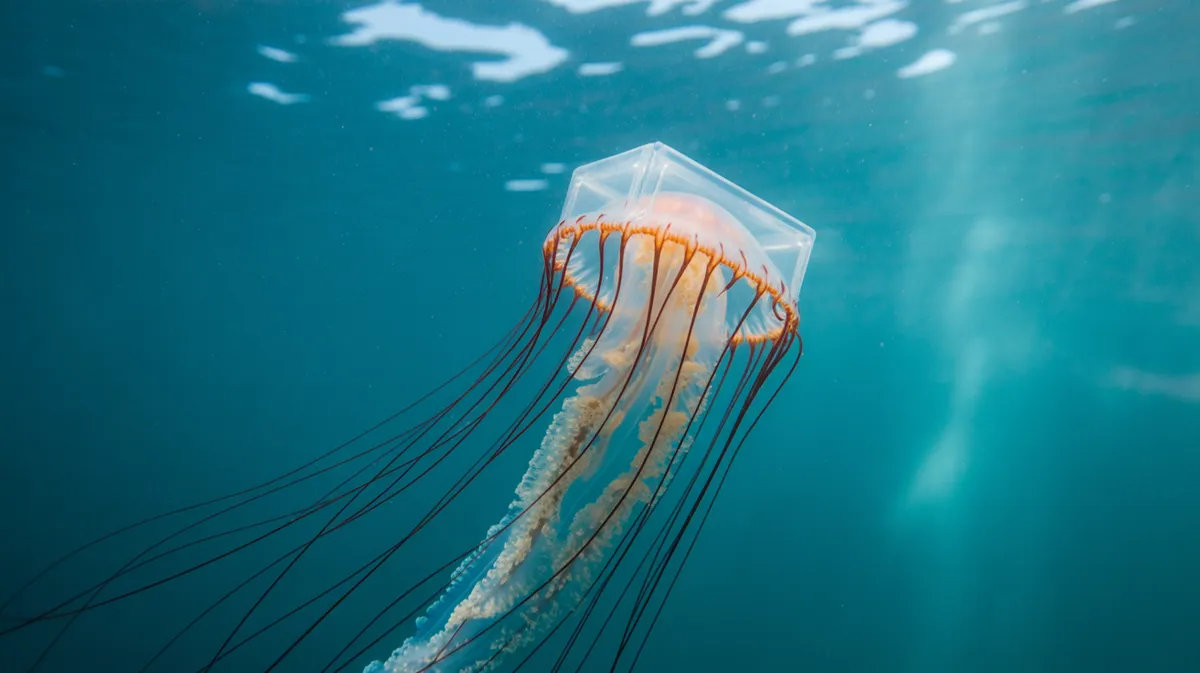
Often called the most venomous marine animal on Earth, the Australian box jellyfish trails tentacles up to three metres long, each studded with millions of venom-loaded harpoons. A serious sting can stop the heart in minutes — faster than a victim can swim to shore.
What makes it so dangerous isn't just potency but speed and surface area: a bad sting delivers venom across a huge stretch of skin at once. Vinegar can neutralise undischarged stingers, which is why Australian beaches keep it on hand.
What makes it so lethal is the cocktail itself — a venom that attacks the heart, nervous system, and skin cells at once, causing pain so overwhelming that victims can go into shock and drown before reaching shore. Australia stations vinegar and warning signs along affected beaches for exactly this reason.
2. Inland Taipan
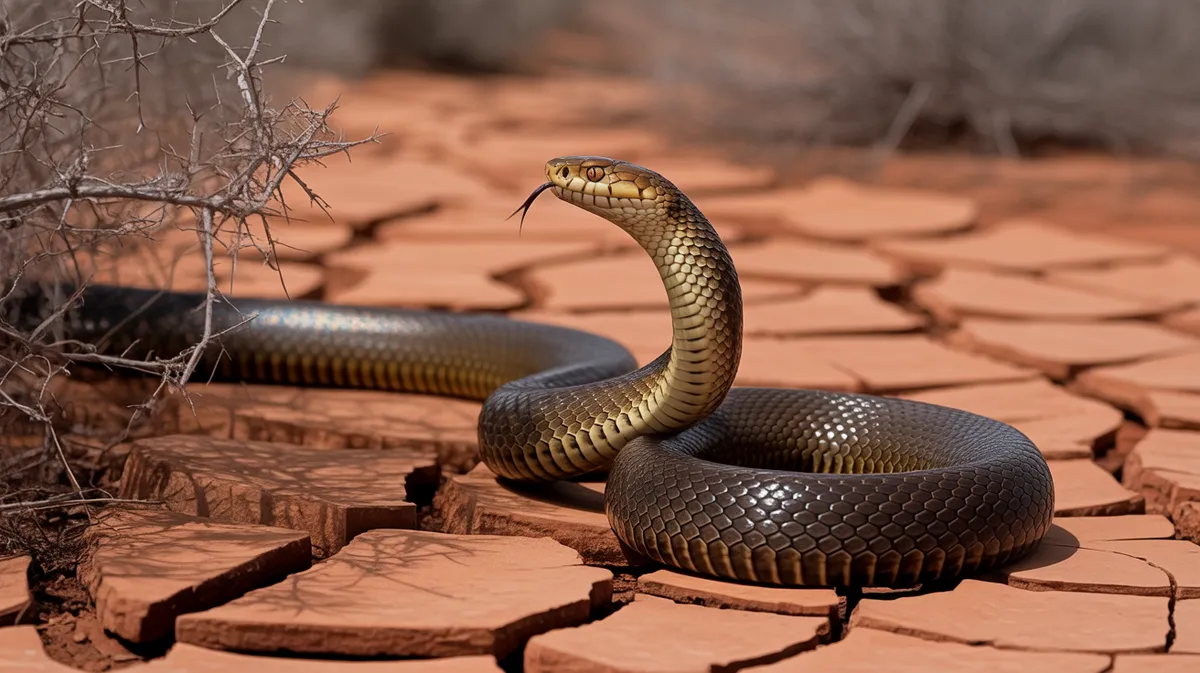
The most venomous snake in the world by a wide margin. A single bite from this shy Australian "fierce snake" contains enough neurotoxic venom to kill around 100 adult humans, and drop for drop its venom is the most toxic of any land snake measured.
The saving grace is its temperament: the inland taipan is reclusive and lives in remote terrain, so bites are extremely rare and — with antivenom — survivable.
Despite its fearsome chemistry, there is no record of the inland taipan ever killing a human — it lives in remote, arid country and would far rather flee than fight. The handlers who have been bitten survived thanks to prompt antivenom, a reminder that potency and danger are not the same thing.
3. Blue-Ringed Octopus
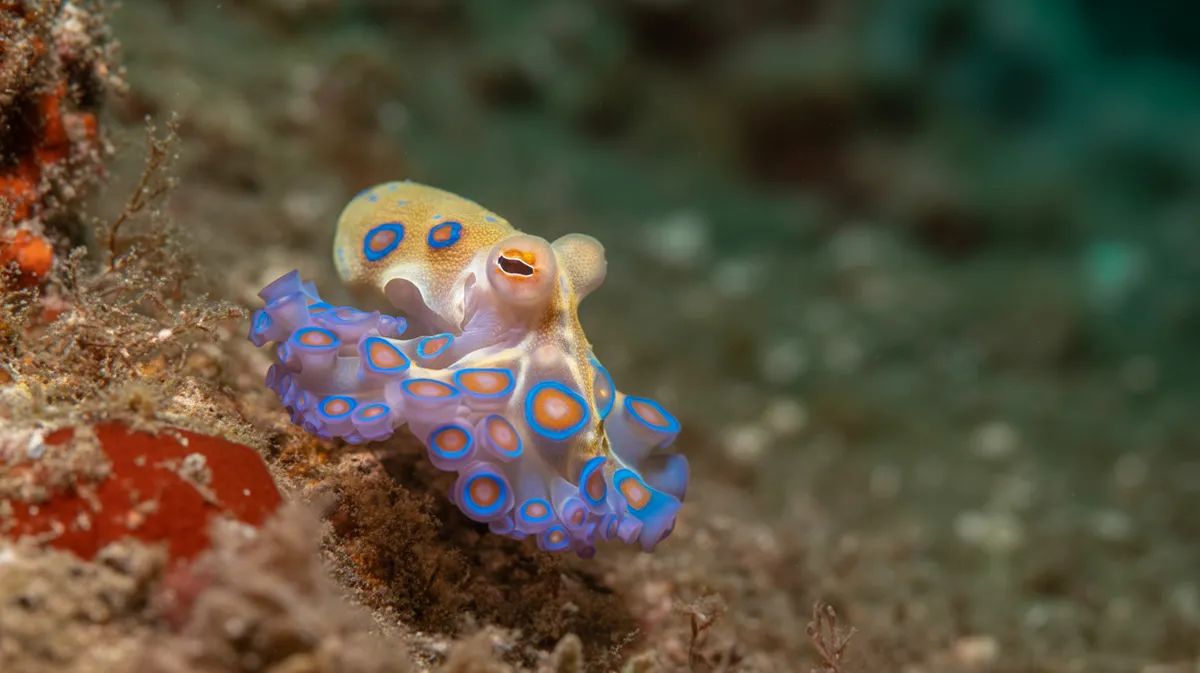
No bigger than a golf ball, this beautiful tide-pool octopus carries tetrodotoxin — the same poison as a pufferfish — and there is no antivenom. A painless bite can paralyse the breathing muscles within minutes while the victim stays fully conscious.
Its glowing blue rings are a warning, flashing brighter when it's threatened. Survival depends entirely on someone performing rescue breathing until the toxin wears off.
The venom, tetrodotoxin, is produced not by the octopus but by bacteria living inside it, and it is many times more toxic than cyanide. Because it causes total paralysis while leaving the victim fully conscious, survival depends entirely on a bystander breathing for them until help arrives.
4. Cone Snail
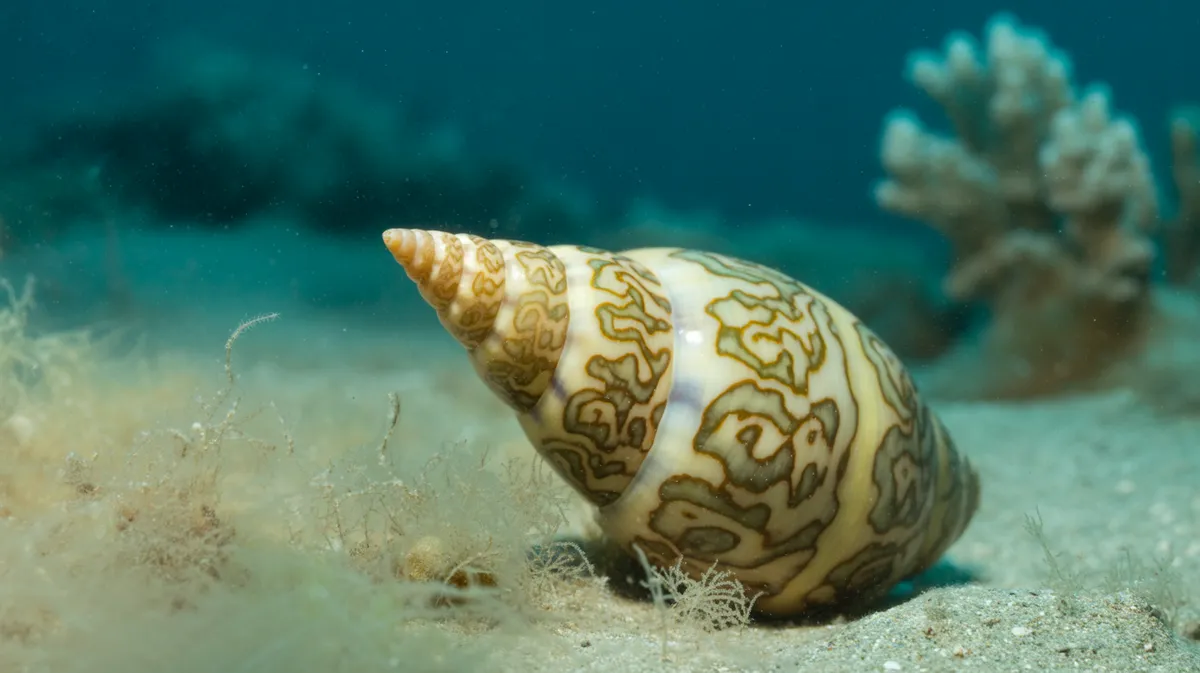
The geographer cone snail fires a venomous harpoon to spear fish — and occasionally the unlucky beachcomber who pockets its gorgeous shell. Its sting has earned it the nickname "the cigarette snail," grim shorthand for how long you might have left.
Each species of cone snail brews its own blend of hundreds of toxins, and researchers are mining them for powerful new painkillers — one cone-snail-derived drug is already far stronger than morphine. The same chemistry that kills a fish in seconds may end up easing human suffering.
5. Stonefish
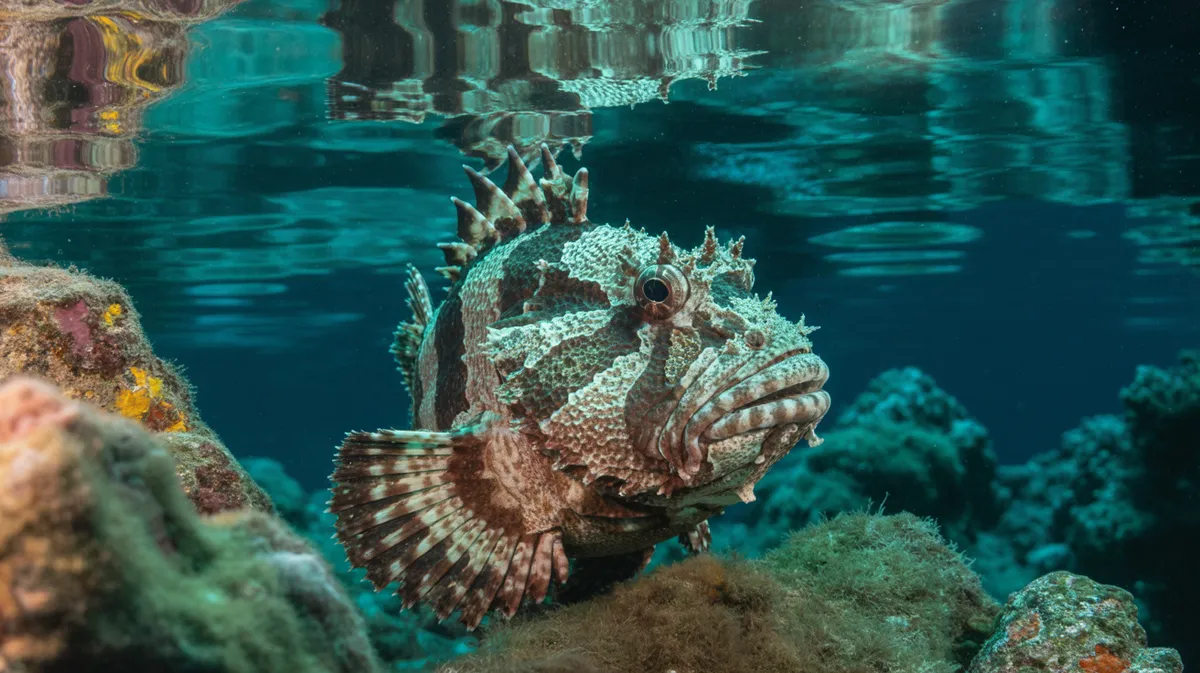
The most venomous fish in the sea, and a master of disguise — it looks exactly like an algae-covered rock until you step on the venomous spines along its back. The pain is described as among the worst in the natural world, and severe stings can be fatal without treatment.
Stepping on a stonefish drives venom deep into the foot through grooved spines, and survivors describe pain so severe they begged for the limb to be amputated. Hot water, which breaks down the venom's proteins, is the first aid that can mean the difference between agony and relief.
6. Deathstalker Scorpion
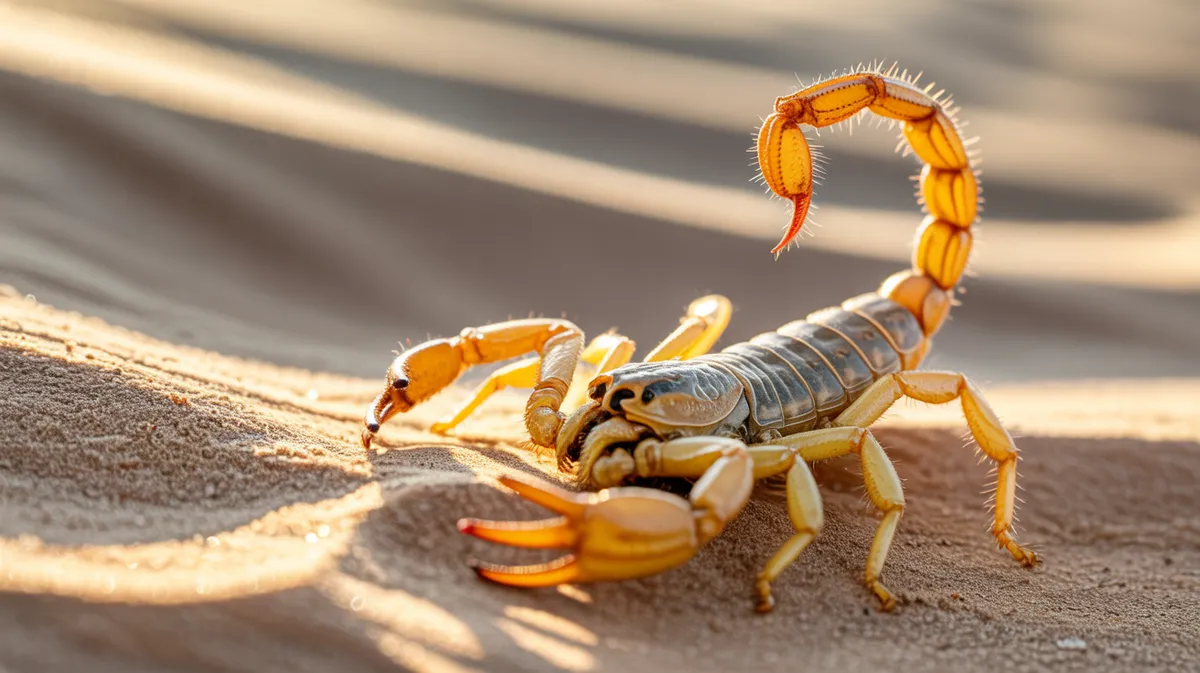
The deathstalker is the scorpion most responsible for human deaths, packing a potent neurotoxic sting. Ironically, the same venom is now a goldmine for medicine — components are being studied to image tumours and treat disease.
For a healthy adult a sting is rarely fatal, but for children and the elderly it can be deadly, making this one of the most dangerous scorpions alive. Strangely, a protein from its venom is now being trialled to make tumours glow during surgery, helping surgeons see exactly what to remove.
7. Brazilian Wandering Spider
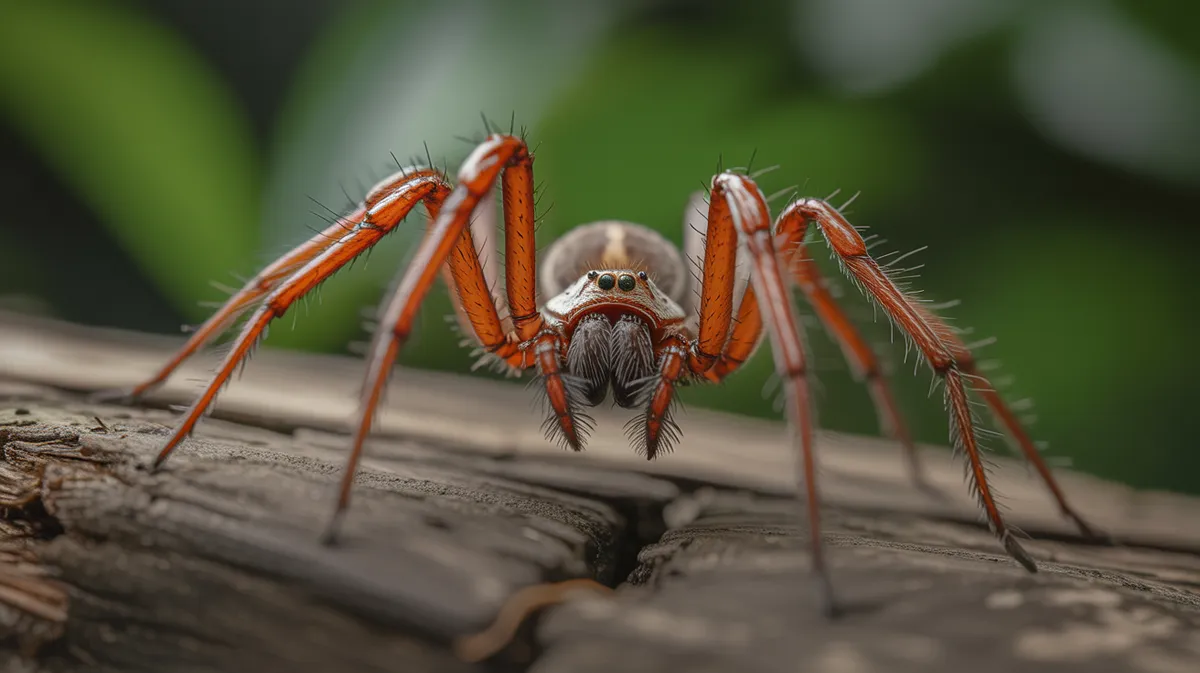
Listed by Guinness as one of the most venomous spiders on Earth, this aggressive South American hunter doesn't build a web — it roams the forest floor and hides in dark spaces, which is how it ends up in shipments of bananas. Its neurotoxic bite is medically serious, though antivenom is effective.
Its scientific name, Phoneutria, means 'murderess' in Greek, though deaths are now rare thanks to effective antivenom. The spider's habit of hiding in dark spaces is why it occasionally makes alarming headlines after stowing away in shipments of bananas.
8. King Cobra
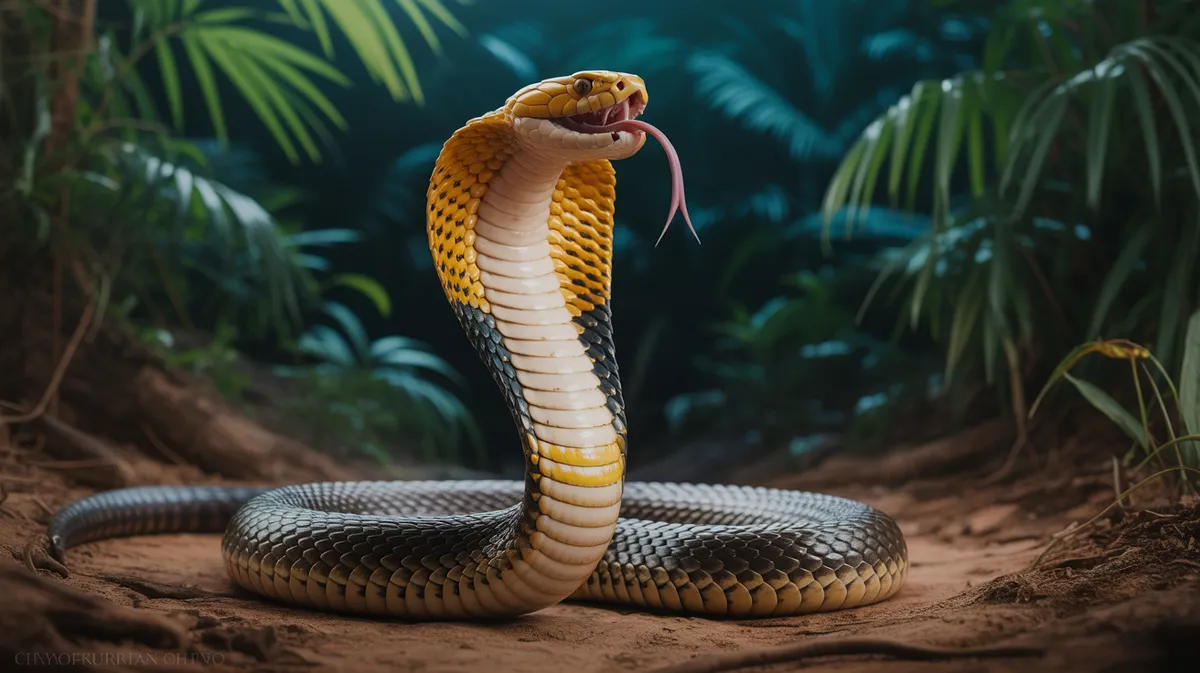
Drop for drop, the king cobra's venom isn't the most potent — but it delivers so much in a single bite (enough to kill an elephant, or roughly 20 people) that it earns its fearsome reputation. It's also the longest venomous snake alive, reaching over five metres.
Beyond its venom, the king cobra is unusually intelligent and is the only snake in the world that builds a nest for its eggs, which the female guards fiercely. Rearing up, it can lift a third of its long body off the ground to look a standing human in the eye.
9. Golden Poison Frog
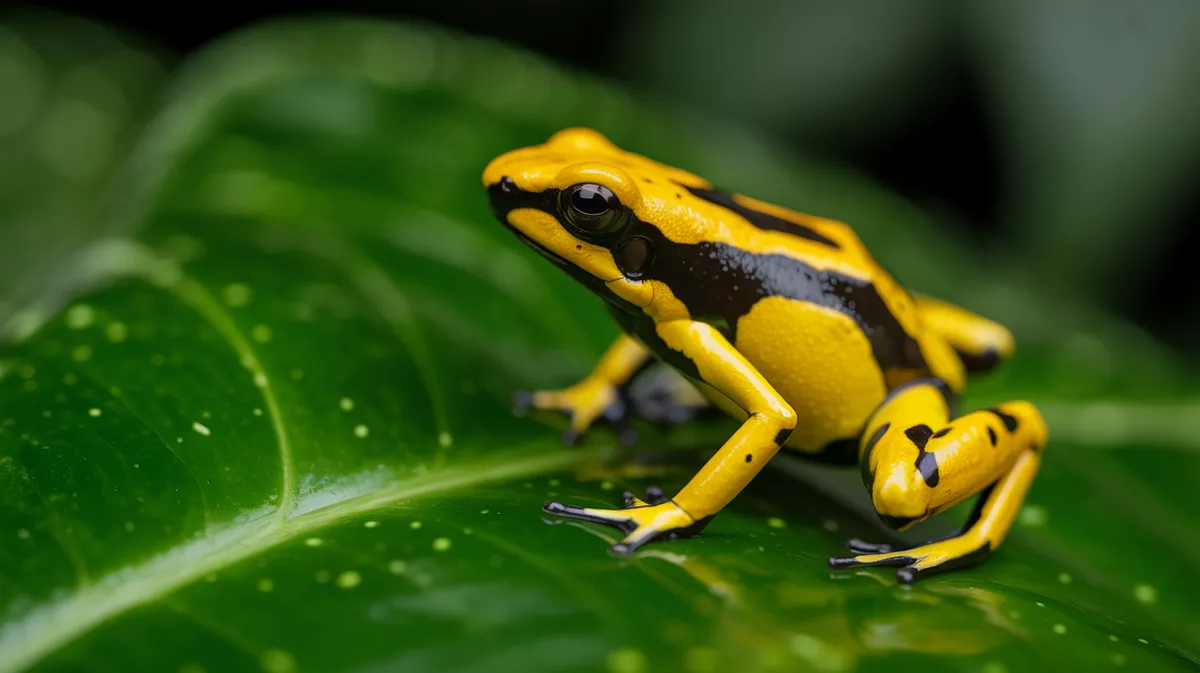
Our one "cheat" entry — it's poisonous, not venomous. A single golden poison frog from Colombia carries enough batrachotoxin on its skin to kill ten adults, making it one of the most toxic animals known. Indigenous hunters once tipped blow-darts with it, hence the name "poison dart frog."
The frog doesn't manufacture its toxin from scratch — it sequesters it from the tiny insects it eats in the wild, which is why captive frogs raised on a different diet are harmless. A single wild frog, though, carries enough batrachotoxin to stop the hearts of several adults.
10. Platypus
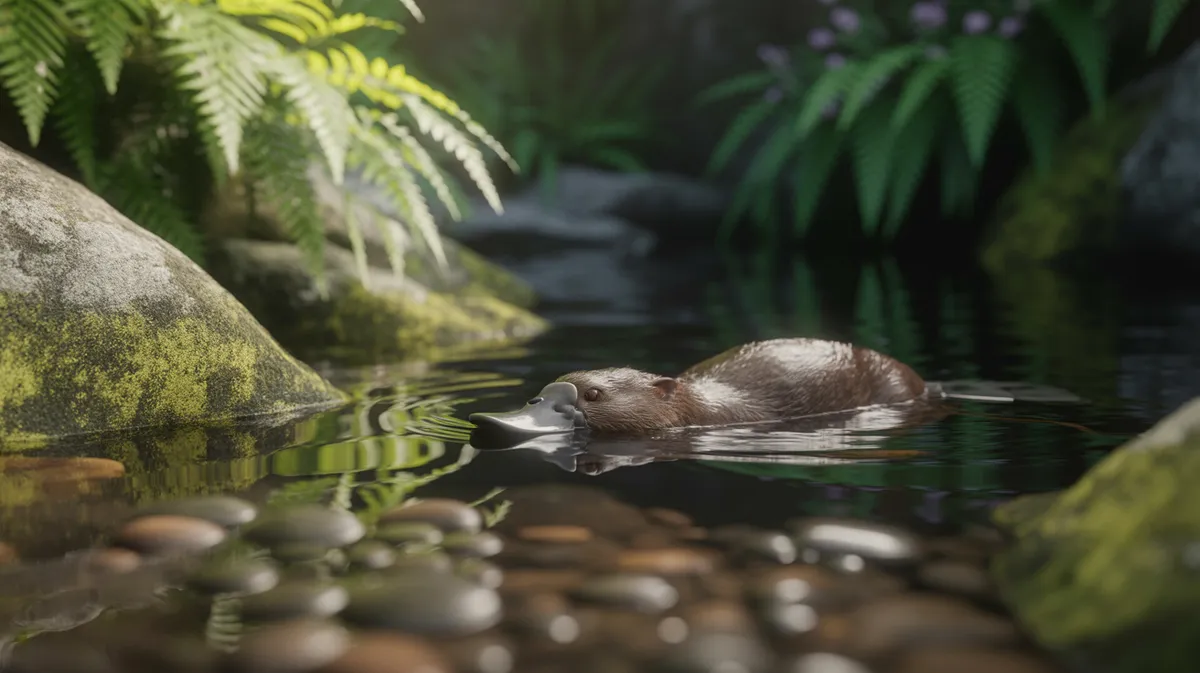
A venomous mammal — proof that nature loves exceptions. Male platypuses have a spur on each hind leg that delivers venom potent enough to incapacitate a dog and cause humans excruciating, long-lasting pain that resists ordinary painkillers. It won't kill you, but you won't forget it.
Only the males are venomous, and they use their spurs mainly in combat with rival males during breeding season rather than for defence. The venom's unique molecules fascinate scientists partly because they cause a pain so resistant to ordinary drugs that studying it may reveal new ways to treat chronic pain.
Potency, lethality, or no cure?
By sheer potency, the box jellyfish and inland taipan top the chart. By "no antidote," the blue-ringed octopus is the one to fear. And as our deadliest animals list shows, the animals that actually kill the most people aren't the most venomous at all — they're mosquitoes.
Frequently asked questions
What is the most venomous animal in the world? The box jellyfish is widely considered the most venomous marine animal; the inland taipan is the most venomous snake.
What's the difference between venomous and poisonous? Venom is injected (bite or sting); poison is absorbed or swallowed. The golden poison frog is poisonous, not venomous.
Which venomous animal has no antivenom? The blue-ringed octopus — treatment relies on keeping the victim breathing until the toxin clears.
Next, leave the danger behind for the downright bizarre: meet the 10 weirdest animals on Earth, and the vanishing few in the 10 rarest animals on Earth.