
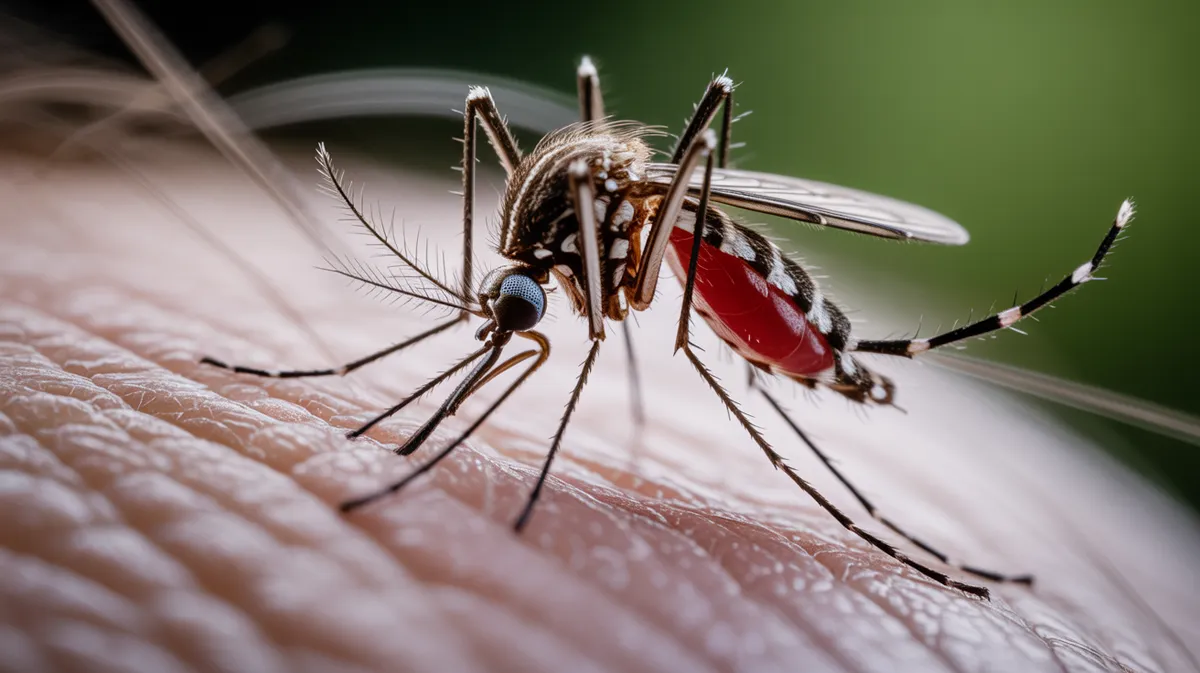
Ask people to name the deadliest animal on Earth and they'll picture a shark, a lion, or a crocodile. They'll be wrong by a factor of a thousand. The animals that actually kill the most humans are mostly small, often unremarkable, and in the deadliest case small enough to swat. This entry in our Nature's Record-Breakers series ranks animals by the one metric that's hardest to argue with: human deaths per year.
If you've followed the series, you've met the fastest animals, the longest-living, and the strongest. Deadliness turns out to follow none of those rankings. The numbers below are widely cited annual estimates; precise figures vary by source and year, but the order rarely changes.
1. Mosquito — ~725,000+ deaths a year
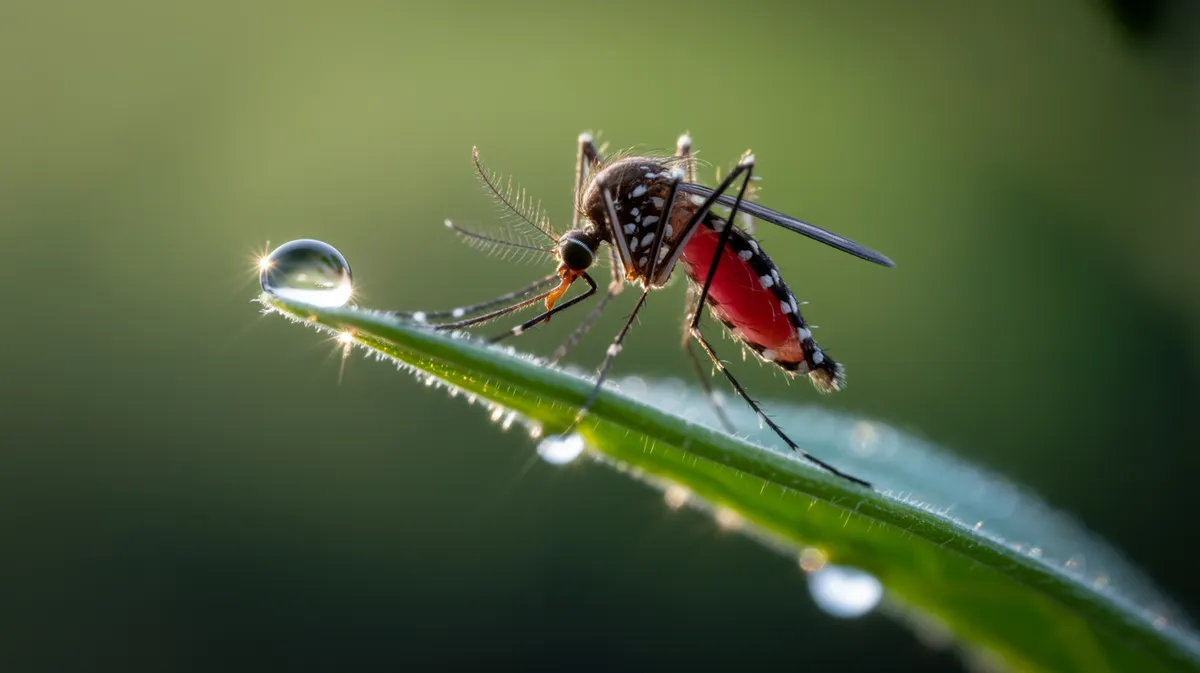
The deadliest animal on Earth weighs a few milligrams. Mosquitoes themselves are harmless; it's the diseases they ferry — malaria above all, plus dengue, yellow fever, Zika, and West Nile — that make them history's most efficient killers. Malaria alone still kills hundreds of thousands of people a year, most of them young children in sub-Saharan Africa.
What makes mosquitoes so lethal is reach, not potency: they live on every continent except Antarctica, breed explosively in standing water, and bite billions of people a year. The campaigns to control them — bed nets, insecticides, even genetically modified males — are among the most important public-health efforts on Earth.

2. Humans — ~400,000+ deaths a year
Uncomfortable, but accurate: the second-deadliest animal to humans is humans. Homicide alone claims around 400,000 lives annually worldwide. No other large predator comes close to our own track record — a sobering entry on any honest list.
Beyond direct violence, our indirect toll through war, pollution, and habitat destruction reshapes the planet itself. No honest accounting of dangerous animals can leave out the one species that has driven thousands of others to extinction.
3. Snakes — ~100,000 deaths a year
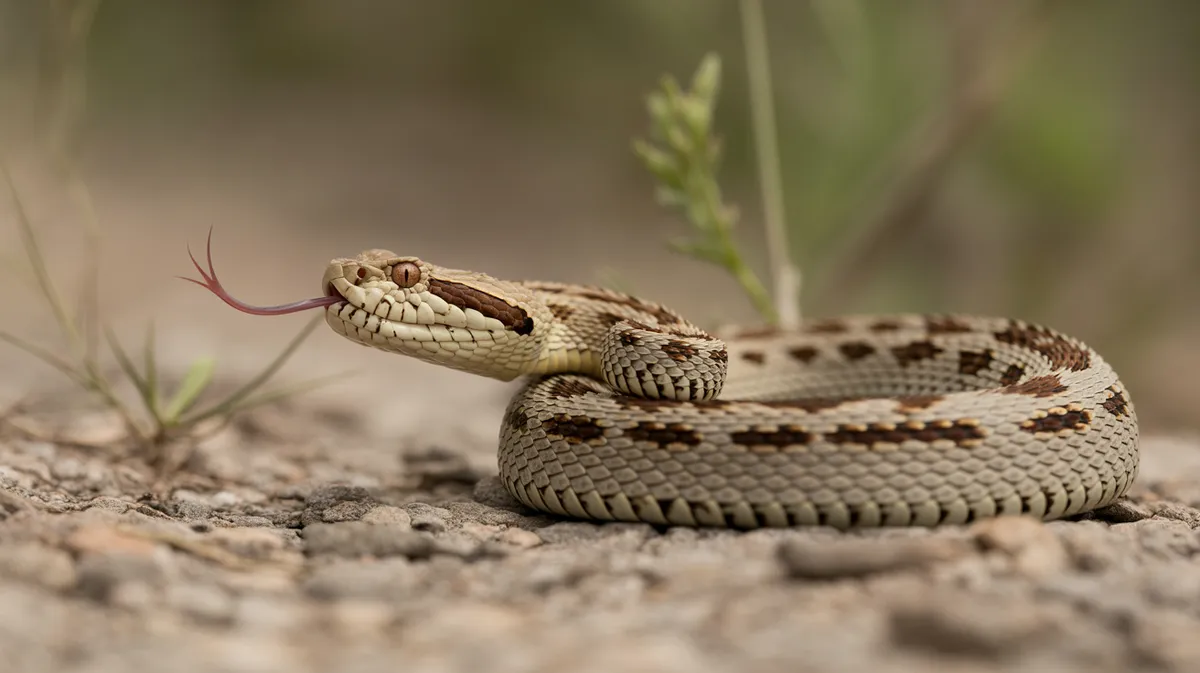
Venomous snakes — especially the saw-scaled viper, the Indian cobra, and the krait — cause an estimated 80,000 to 140,000 deaths a year, with the heaviest toll in rural South Asia and Africa where antivenom is scarce. Hundreds of thousands more survivors are left with amputations or permanent disability.
The tragedy is that most of these deaths are preventable. Antivenom exists, but it is often unaffordable or simply unavailable in the rural regions where bites happen most, which is why the World Health Organization now classes snakebite as a neglected tropical disease.
4. Dogs — ~59,000 deaths a year
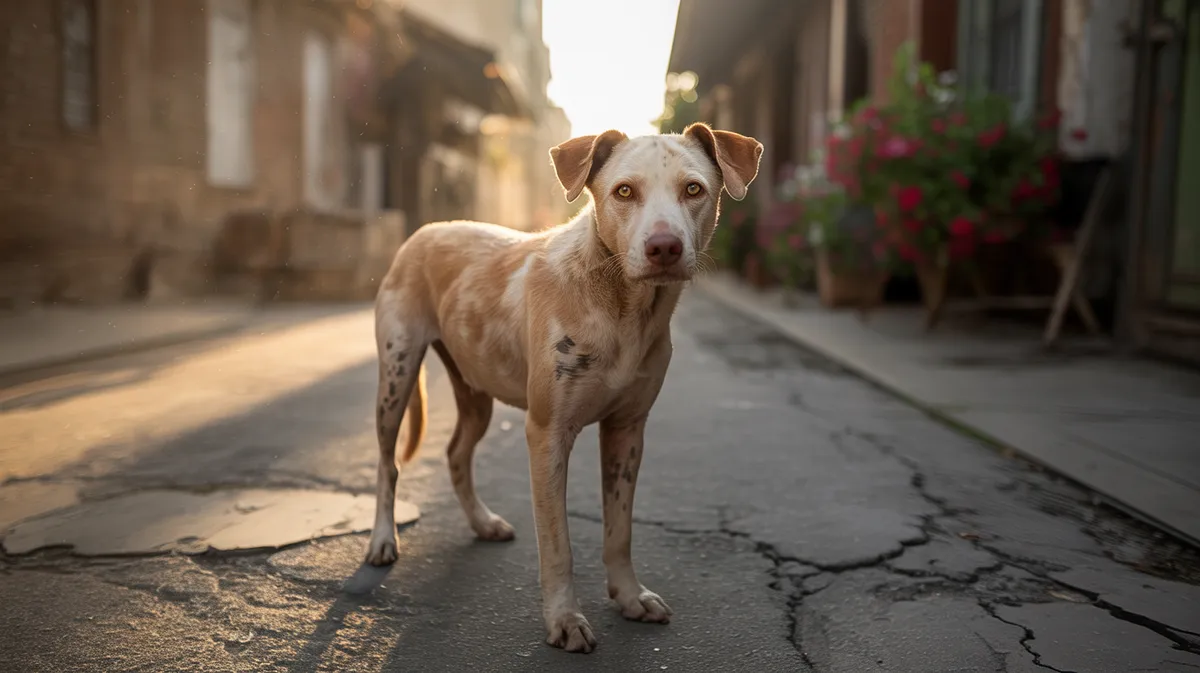
Not the bites — the rabies. Dogs are the main vector of rabies for humans, and an unvaccinated bite that goes untreated is almost always fatal once symptoms appear. Nearly all of these ~59,000 annual deaths are preventable with vaccination, which is what makes the number so tragic.
Mass dog-vaccination drives have all but eliminated human rabies across the Americas and Europe, proving the toll is entirely fixable. Where it persists, the disease is a marker of poverty and weak veterinary care more than of dangerous dogs.
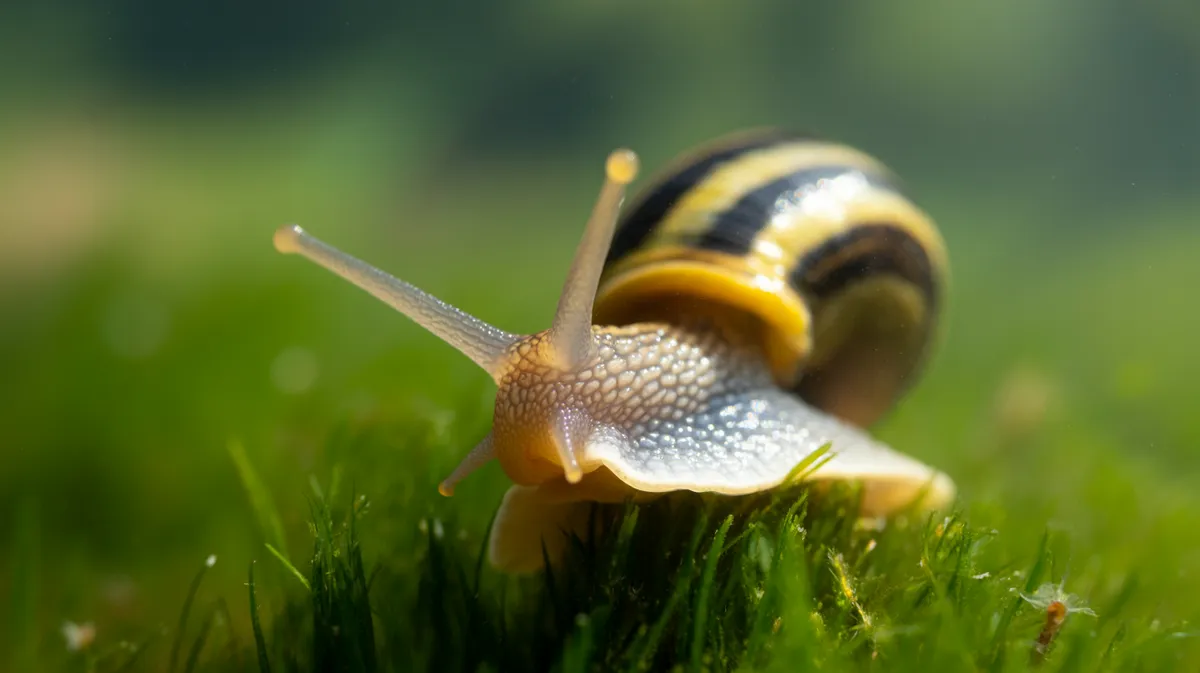
5. Freshwater Snail — tens of thousands of deaths a year
A humble aquatic snail is the host for the parasitic worms that cause schistosomiasis, a disease infecting hundreds of millions of people and killing tens of thousands a year. You can catch it just by wading into contaminated water — no bite required.
Schistosomiasis is a disease of poverty, striking communities without clean water or sanitation — especially children who swim and play in infested rivers. Treating the snails and the water, not just the patients, is the key to breaking the cycle.
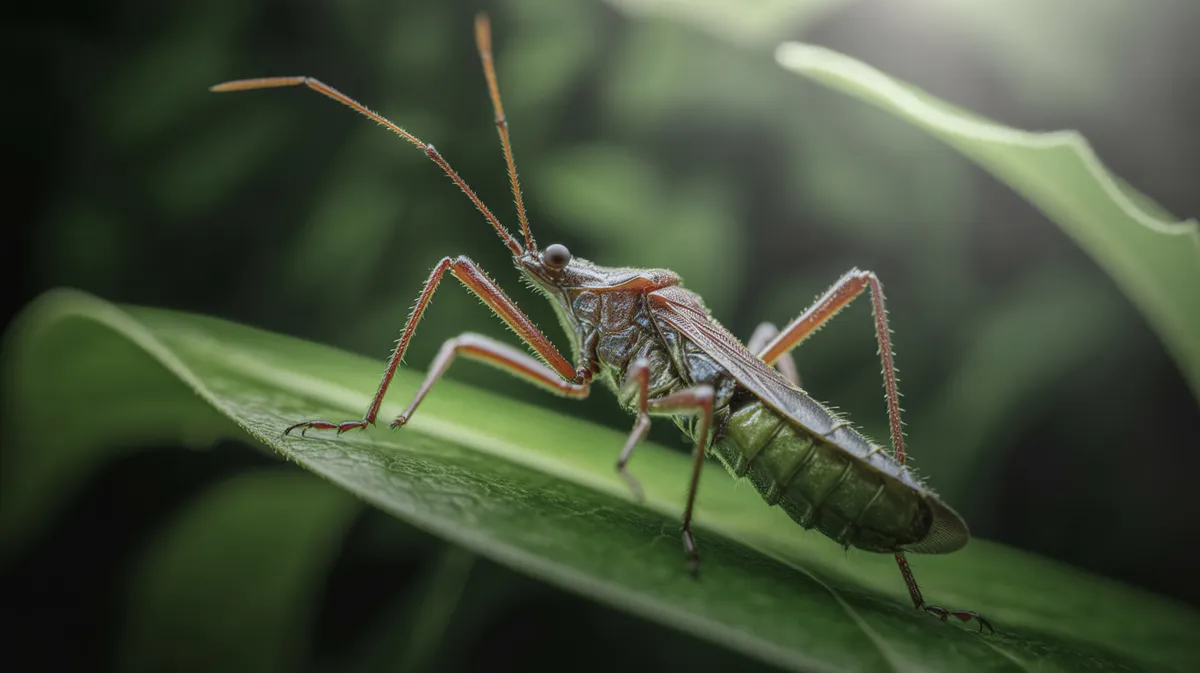
6. Assassin Bug — ~10,000 deaths a year
Also called the "kissing bug" for its habit of biting faces at night, the assassin bug transmits Chagas disease across Latin America. The infection can quietly damage the heart and organs for decades before it kills, making it one of the most insidious entries on the list.
Because the early infection is usually silent, many people don't know they carry Chagas until heart or digestive damage surfaces decades later. Migration has now carried the disease far beyond Latin America, making it a growing global concern.
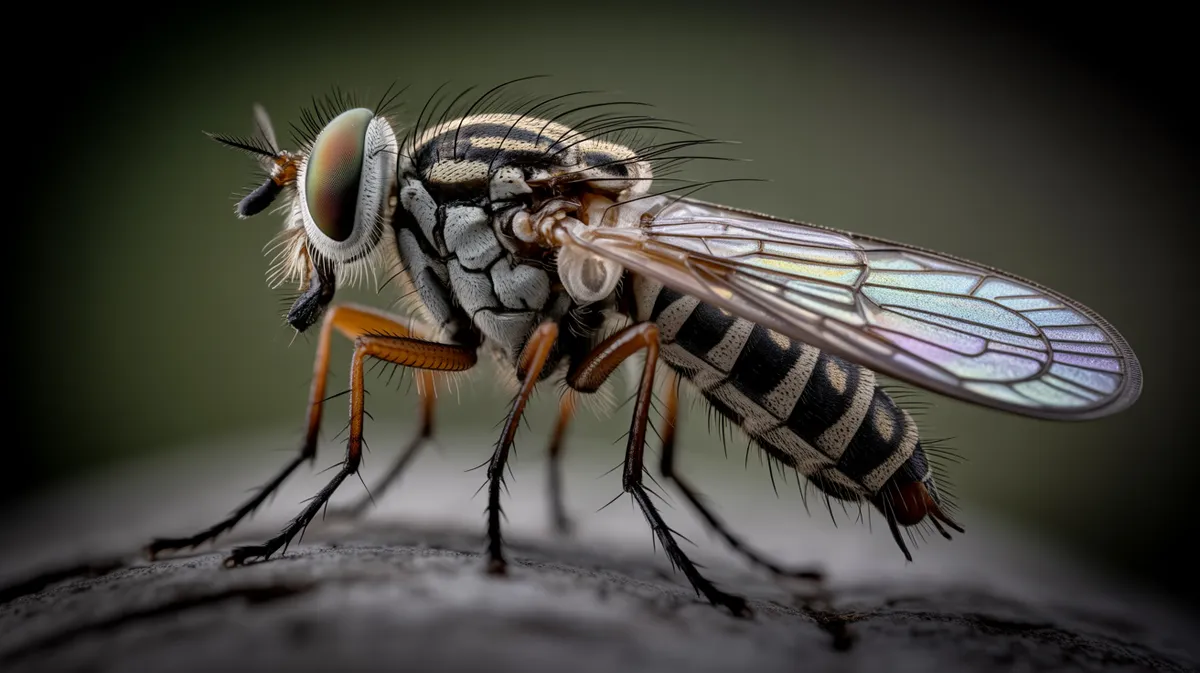
7. Tsetse Fly — thousands of deaths a year
The tsetse fly spreads African sleeping sickness (trypanosomiasis), which without treatment progresses from fever to neurological collapse. Control efforts have driven cases down dramatically, but the fly remains a serious threat across parts of sub-Saharan Africa.
Sleeping sickness takes its name from the wrecked sleep cycles it causes as the parasite invades the brain. Control efforts have driven cases to historic lows, yet the fly still renders huge areas of fertile African land too dangerous for livestock.
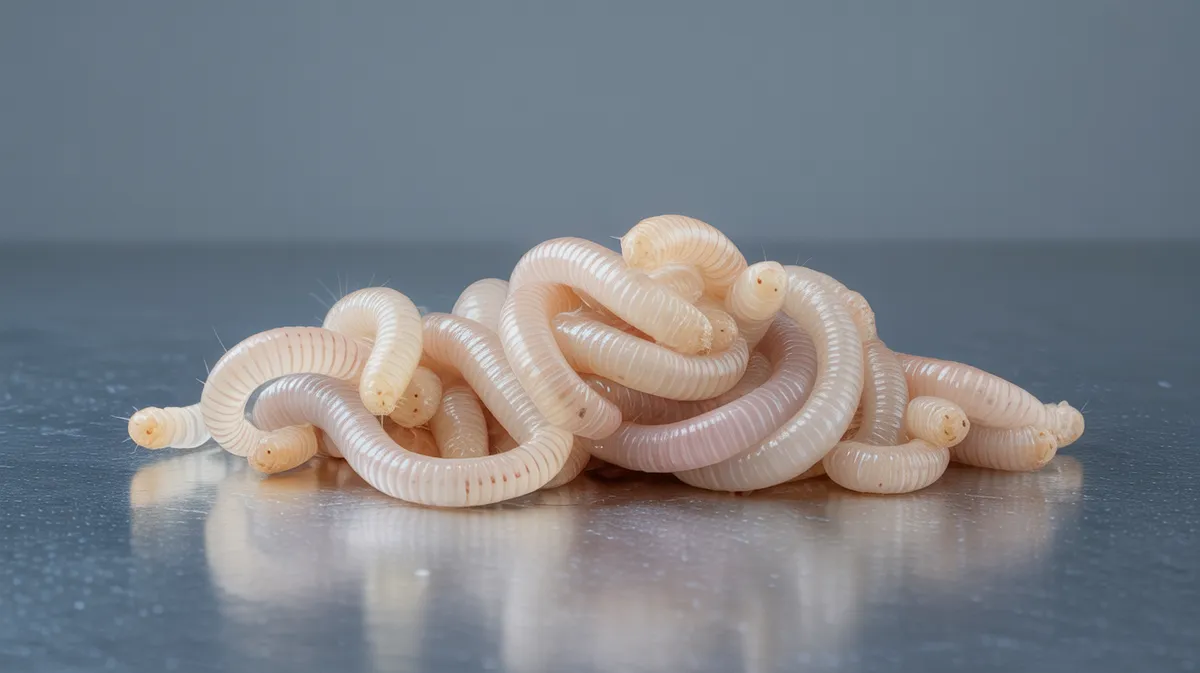
8. Ascaris Roundworm — ~2,500 deaths a year
This intestinal parasite infects hundreds of millions of people, usually through contaminated soil or food. Most cases are mild, but heavy infections — especially in malnourished children — can be fatal, adding up to thousands of deaths annually.
A single heavily infected person can harbour hundreds of worms, which compete for nutrients and can physically block the gut. Mass school-deworming programmes are among the cheapest, highest-impact health interventions available anywhere.
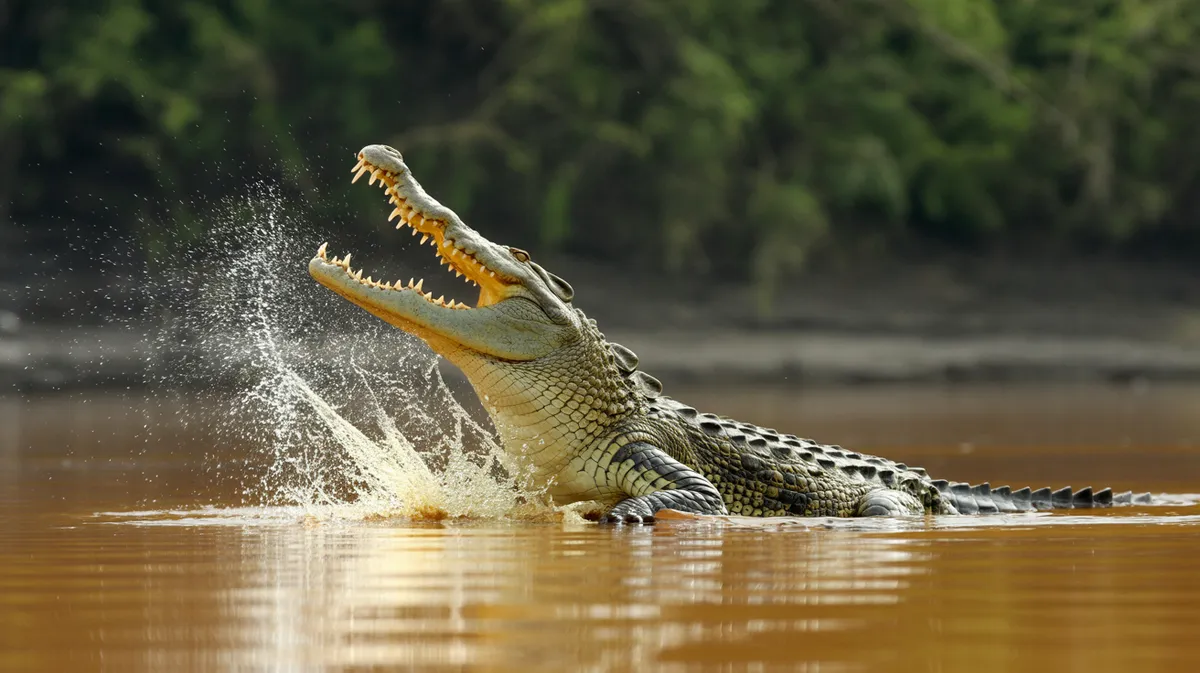
9. Crocodile — ~1,000 deaths a year
Finally, a "scary" animal — and the deadliest large predator on the list. The Nile and saltwater crocodiles are responsible for an estimated 1,000 human deaths a year, ambushing people at the water's edge with the most powerful bite of any living animal.
Most attacks happen when people collect water, wash, or fish along the same banks crocodiles patrol. Their ambush strategy — lying motionless until prey is within range — makes them almost impossible to anticipate.
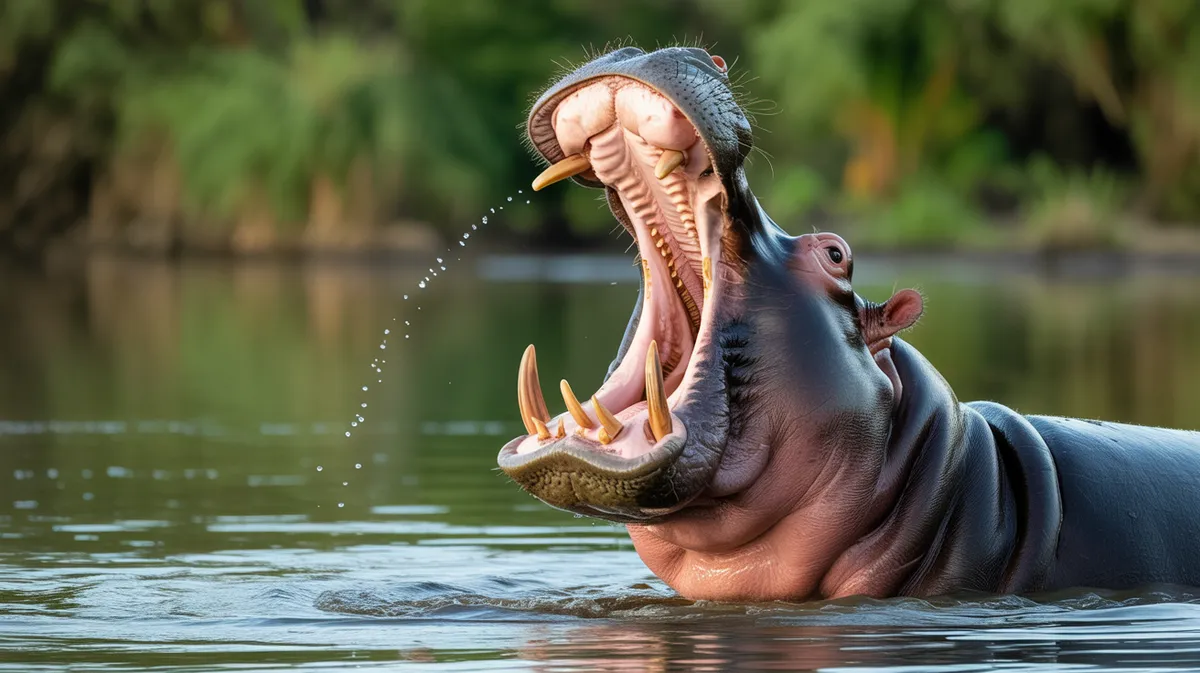
10. Hippopotamus — ~500 deaths a year
Often called Africa's deadliest large land animal, the hippo is aggressively territorial, surprisingly fast, and equipped with enormous tusks. It kills an estimated 500 people a year — capsizing boats and charging anyone who strays too close to the water.
Despite being herbivores, hippos are ferociously territorial in water and will attack boats or anyone caught between them and the river. Their speed on land — up to 30 km/h — catches many victims completely off guard.
The real lesson of "deadliest"
The pattern is unmistakable: the animals that kill the most humans aren't the biggest or fiercest — they're the tiny disease-carriers we barely notice. The blue whale, the elephant, and the great white shark don't make the list at all. Deadliness is about reach, not teeth.
Frequently asked questions
What is the deadliest animal in the world? The mosquito, which kills more than 725,000 people a year through the diseases it transmits.
Are sharks one of the deadliest animals? No. Sharks kill around 10 people a year worldwide — thousands of times fewer than mosquitoes, snakes, or even crocodiles.
What is the deadliest large land animal? The hippopotamus, responsible for roughly 500 human deaths a year in Africa.
Next, flip from deadly to brilliant: meet the 12 smartest animals on Earth, and see the giants in the 10 biggest animals on Earth.