
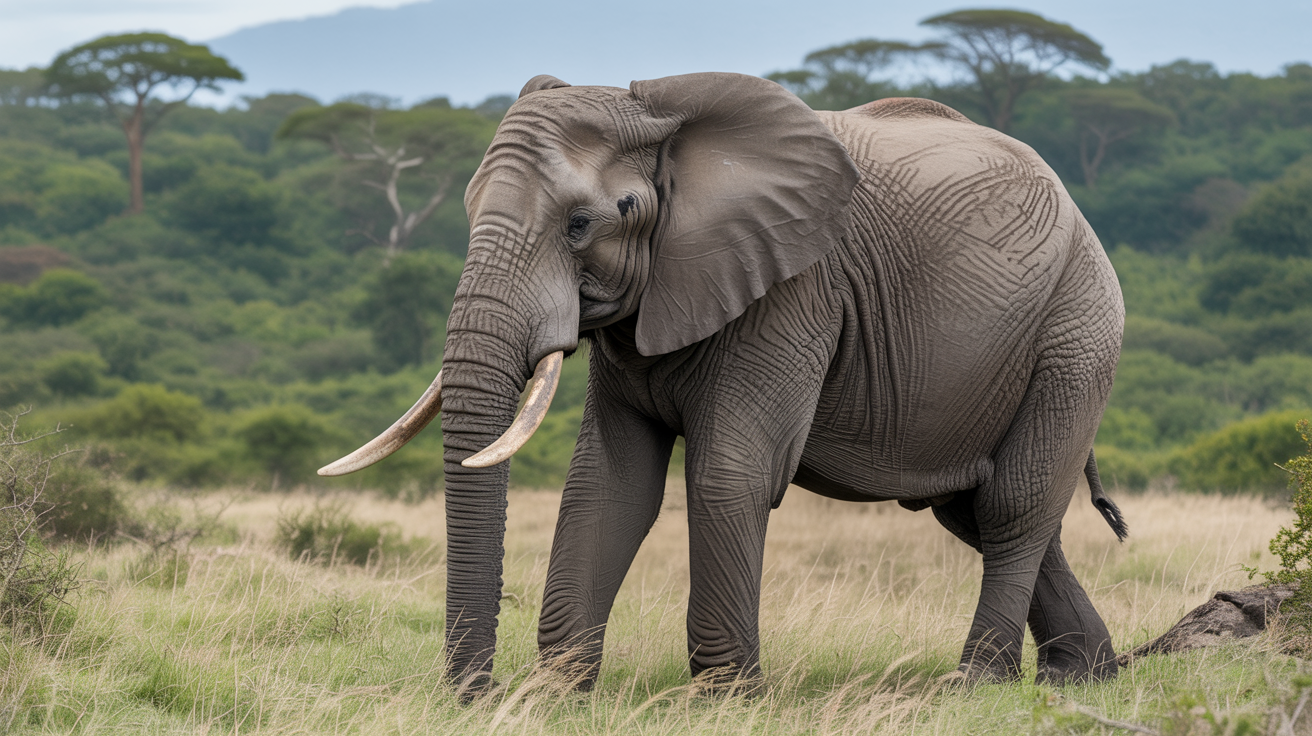
About the African Elephant
The African elephant, scientifically known as Loxodonta africana, is the largest land mammal on Earth, with bulls reaching up to 4 meters at the shoulder and weighing as much as 6,000 kilograms. These majestic creatures are divided into two species: the African bush elephant and the African forest elephant. The bush elephant, found in a variety of habitats from savannas to deserts, is distinguished by its larger size, broader ears, and curved tusks, which are adaptive traits for dissipating heat and foraging. In contrast, the forest elephant, which inhabits the dense rainforests of Central and West Africa, has straighter tusks and more rounded ears, adaptations that facilitate maneuvering through thick underbrush. Both species exhibit complex social structures, typically led by a matriarch, where females and their calves form tight-knit family groups. Their grey skin is not just a protective layer but also serves as a cooling mechanism, with mud baths providing sunscreen and pest protection.
Fascinating facts
Largest Land Mammal
The African Elephant holds the title of the world's largest terrestrial animal, with some males reaching up to 4 meters at the shoulder.
Giant Ears
Their massive ears not only provide excellent hearing but also help cool their bodies by radiating excess heat.
Ecosystem Engineers
By uprooting trees and creating waterholes, African Elephants shape their habitats and support countless other species.
Detailed description
The African elephant (Loxodonta africana) is the largest extant terrestrial mammal, with adult males (bulls) reaching up to 4 meters at the shoulder and weighing between 4,500 and 6,800 kg, while females (cows) are smaller, averaging 2.7 meters tall and 2,700–3,600 kg. Its most distinctive features include large, fan-shaped ears that help dissipate heat, a highly flexible trunk composed of over 40,000 muscles, and prominent curved tusks present in both sexes. The skin is thick (2–4 cm), wrinkled, and sparsely haired, aiding in thermoregulation and protection. African elephants exhibit complex social structures centered around matriarchal family groups, typically led by the oldest female. These herds consist of related females and their offspring, while mature males tend to live solitary or form loose bachelor groups. Elephants communicate using a broad range of vocalizations, including infrasonic calls that travel several kilometers, as well as tactile and chemical signals. They are highly intelligent, displaying advanced problem-solving, tool use, and memory. Their diet is diverse, comprising grasses, leaves, bark, fruit, and roots, with adults consuming up to 150 kg of vegetation and 100 liters of water daily. Elephants are keystone species, profoundly shaping ecosystems by uprooting trees, creating water holes, and dispersing seeds. Lifespan in the wild can exceed 60 years, though this is increasingly threatened by poaching and habitat loss.
Did you know?
An African Elephant can consume up to 300 pounds (136 kg) of food in a single day.
Research & sources
Wikipedia summary
African elephants are members of the genus Loxodonta comprising two living elephant species, the African bush elephant and the smaller African forest elephant. Both are social herbivores with grey skin. However, they differ in the size and colour of their tusks as well as the shape and size of their ears and skulls.
Behaviour & social structure
African elephants are diurnal, with activity peaks during cooler hours (dawn and dusk) and resting during midday heat. They follow established migratory routes in search of water and food, sometimes covering up to 80 km in a day. Feeding is a near-constant activity, occupying 16–18 hours daily. Elephants use their trunks for foraging, drinking, dust bathing, and social interactions such as greeting, reassurance, and play. Social bonds are reinforced through frequent physical contact and coordinated movements. Matriarchs play a crucial role in decision-making, especially during migrations and in response to threats. Bulls periodically enter 'musth,' a period of heightened aggression and reproductive activity, during which they may challenge other males for access to females. Elephants exhibit mourning behaviors, showing interest in the bones of deceased conspecifics and sometimes covering them with earth or vegetation.
Reproduction & life cycle
African elephants have a polygynous mating system, with dominant bulls in musth securing most breeding opportunities. Females reach sexual maturity at 10–12 years, while males mature later, around 15–20 years but often do not breed successfully until their 30s. Estrus lasts only a few days, and females typically breed every 3–9 years. Gestation is the longest of any land mammal, lasting approximately 22 months. Calves are born weighing about 100 kg and are able to stand and walk within hours. Maternal care is intensive, with allomothering (care by other females) common in the herd. Calves nurse for up to 4 years but begin sampling vegetation within the first few months. Interbirth intervals are long, contributing to slow population growth.
Adaptations & survival
African elephants possess numerous adaptations for survival in diverse environments. Their large ears are highly vascularized, functioning as radiators to dissipate excess body heat. The trunk is a multifunctional organ used for breathing, olfaction, manipulation, and communication. Tusks, which are elongated upper incisors, serve as tools for digging, stripping bark, and defense. Their molars are replaced six times in a lifetime, enabling them to process tough plant material. Elephants have a highly developed sense of smell and hearing, including sensitivity to low-frequency sounds for long-distance communication. Their large body size deters most predators, though calves may fall prey to lions or hyenas. Thick skin provides protection from thorns and insect bites, while dust bathing helps control parasites.
Cultural significance
African elephants hold profound cultural significance across the continent, symbolizing strength, wisdom, and leadership in many African societies. They feature prominently in folklore, art, and religious rituals. Ivory, historically prized for its beauty and workability, has been used in traditional crafts, ceremonial objects, and trade, though its exploitation has had devastating consequences. Elephants are central to ecotourism, generating vital income for conservation and local communities. Their image is widely used as a national symbol and in conservation campaigns. In some regions, traditional beliefs afford elephants spiritual protection, while in others, they are viewed as agricultural pests.
Recent research
Recent genetic studies have clarified the distinction between African bush and forest elephants, revealing significant divergence and supporting their classification as separate species. Ongoing research focuses on elephant cognition, including problem-solving, empathy, and self-awareness, with elephants demonstrating behaviors previously considered unique to humans and great apes. Satellite tracking and acoustic monitoring have improved understanding of migration patterns and social dynamics. Conservation research emphasizes the effectiveness of anti-poaching strategies, community-based management, and the ecological impacts of elephant population declines. Studies on elephant communication have uncovered the use of infrasonic calls for long-distance coordination. Emerging research investigates the effects of climate change on elephant distribution and health.
Videos
Habitat
Savanna and forest
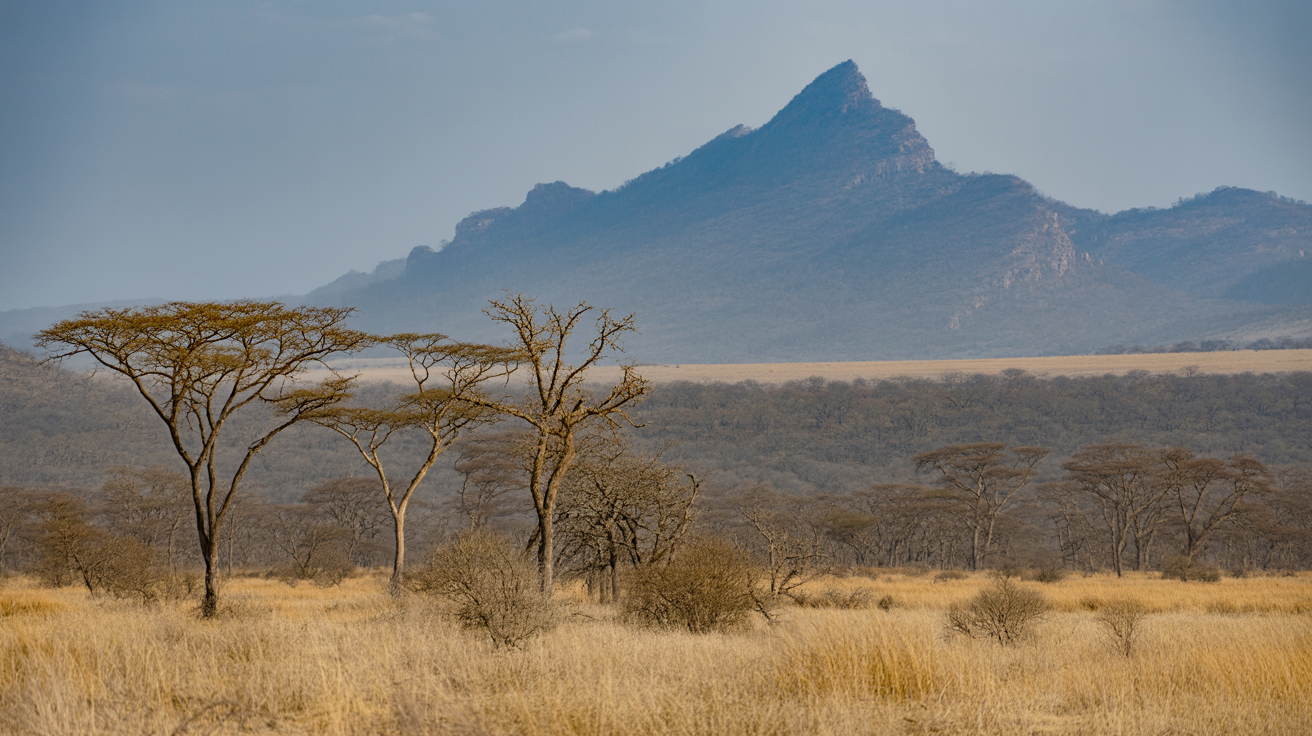 Africa
Savanna
Grasslands with scattered trees, characterized by seasonal rainfall and home to diverse grazing animals and predators.
 Various Continental Regions
Grassland
Open areas dominated by grasses rather than trees, supporting numerous herbivores and their predators.
 Global
Forest
Wooded areas with significant tree cover and diverse plant and animal communities.
Conservation
The African Elephant is currently classified as Endangered on the IUCN Red List.
Threats & challenges
The primary threats to African elephants are poaching for ivory and habitat loss due to agricultural expansion, infrastructure development, and human-elephant conflict. Illegal ivory trade remains a significant driver of population declines, particularly in Central and West Africa. Habitat fragmentation restricts migratory routes and access to resources, increasing the risk of starvation and inbreeding. Human-elephant conflict arises when elephants raid crops or damage property, sometimes resulting in retaliatory killings. Climate change exacerbates water scarcity and alters vegetation patterns, further stressing populations. Despite international protections, enforcement remains inconsistent, and some populations are critically endangered. The IUCN Red List currently classifies the African forest elephant (L. cyclotis) as Critically Endangered and the African bush elephant (L. africana) as Endangered.
Taxonomy
Scientific name
Loxodonta africana
- Kingdom
- Animalia
- Phylum
- Chordata
- Class
- Mammalia
- Order
- Proboscidea
- Family
- Elephantidae
- Genus
- Loxodonta
- Species
- africana
Where to see an african elephant
24 zoos and aquariums in 4 countries are recorded as keeping this species.
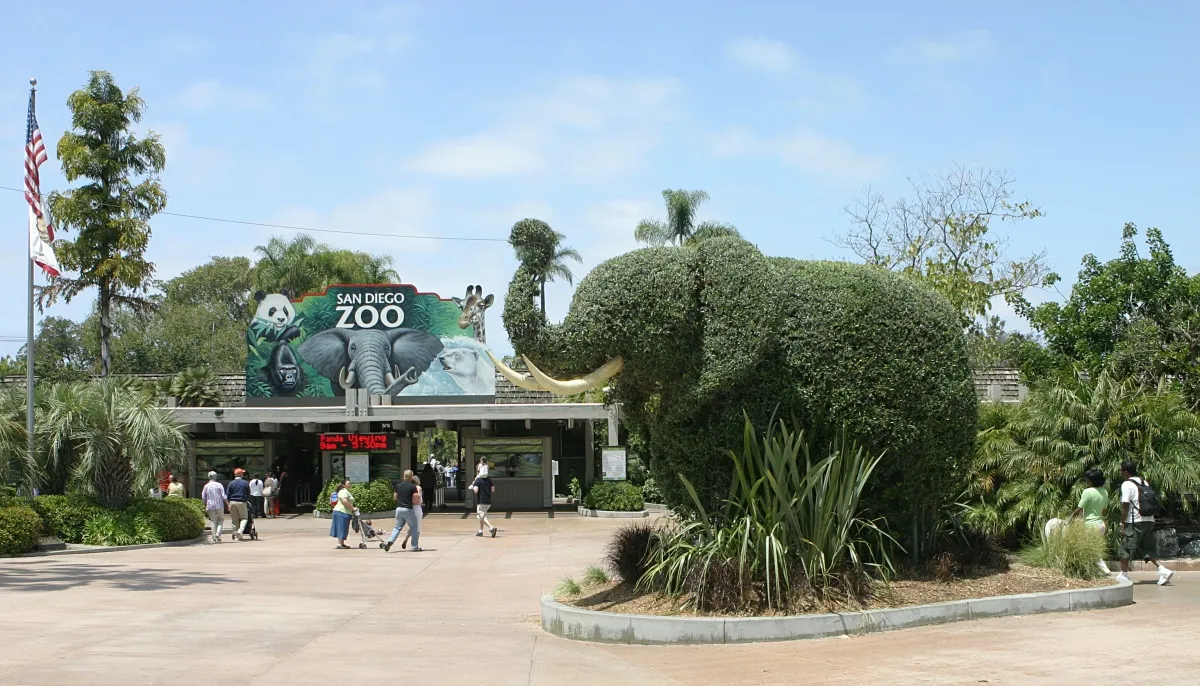 San Diego Zoo🇺🇸 San Diego, United States
 Tallinn Zoo🇪🇪 Tallinn, Estonia
 National Zoological Park🇺🇸 Washington, United States
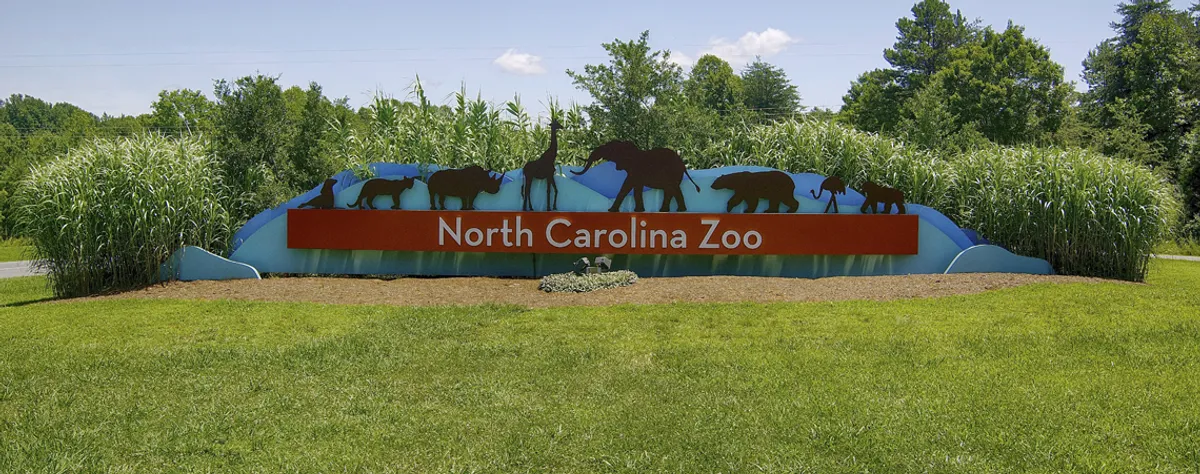 North Carolina Zoo🇺🇸 Asheboro, United States
 Toledo Zoo🇺🇸 Toledo, United States
Community notes
Share your observations about the African Elephant.
No community notes yet. Be the first!
Discover more wildlife
More fascinating animals from the encyclopedia.