
About the African Penguin
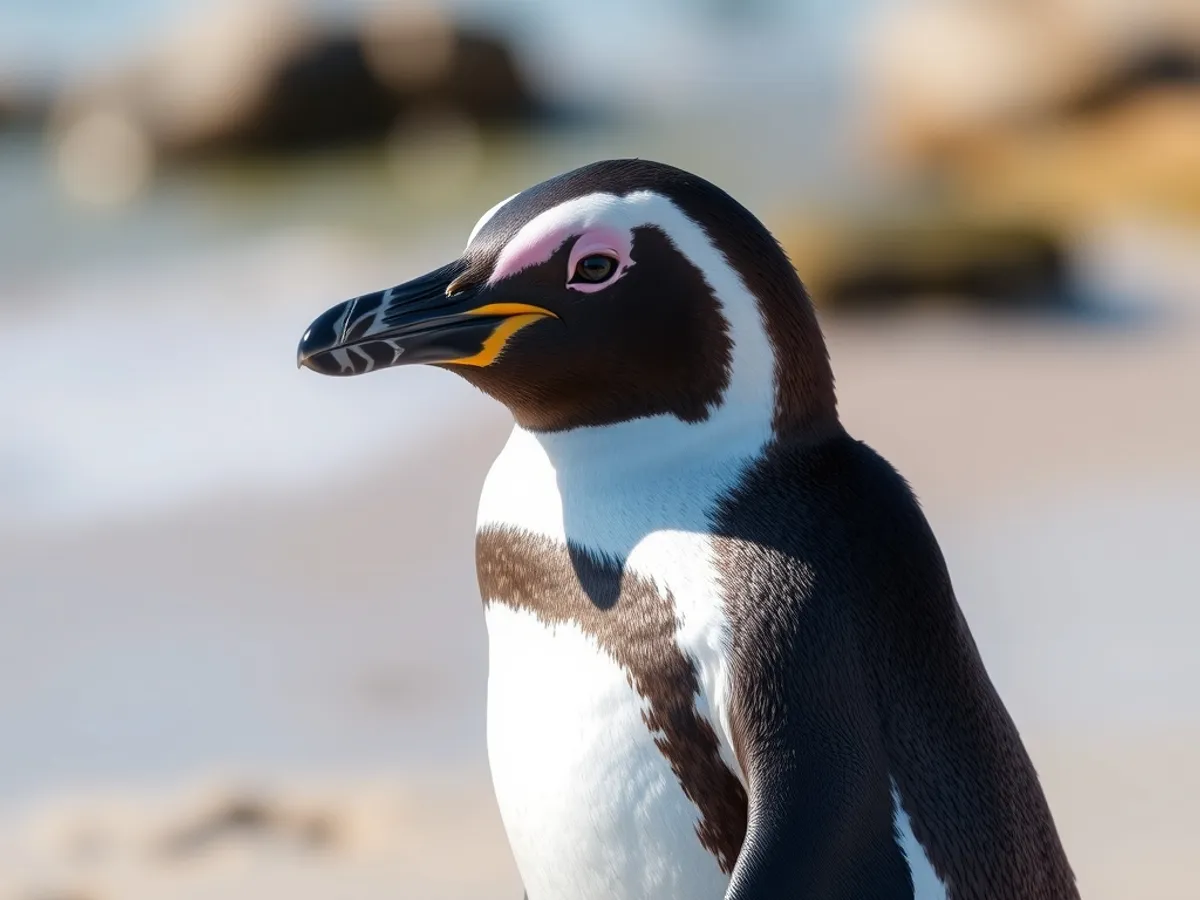
The African penguin is the only penguin that breeds on the African mainland and its islands, and it brays like a donkey — hence its older name, jackass penguin. The bare pink patch above each eye is a radiator: in heat, blood is shunted into the supraorbital gland region and the skin flushes a deeper pink as it dumps heat to the air, which is how a bird built for cold survives Namibian and South African summers. Its collapse is a case study in how an unrelated industry can destroy a species. For centuries penguins nested in burrows dug into metres-deep guano; when guano was scraped off the islands as fertiliser in the nineteenth century, the penguins were left nesting on bare rock, exposed to gulls and to lethal heat. Then commercial purse-seining stripped the sardine and anchovy stocks, and the fish that remained shifted east, away from the breeding colonies. From roughly a million pairs around 1900, fewer than 10,000 breeding pairs remain, and the species is now Critically Endangered.
Fascinating facts
Unique Calls
African Penguins are known as 'jackass penguins' due to their loud, donkey-like braying calls used for communication.
Thermal Adaptation
A pink gland above each eye helps these penguins regulate their body temperature by releasing heat when necessary.
Colony Nesters
They breed in large colonies on islands and coastal areas, often burrowing into guano or under bushes for nest protection.
Detailed description
The African Penguin (Spheniscus demersus) is a medium-sized, flightless seabird characterized by a robust, streamlined body adapted for aquatic life. Adults typically measure 60–70 cm in height and weigh between 2.2 and 3.5 kg, with males slightly larger than females. Their plumage is sharply contrasted: a black dorsal surface and white ventral surface, with a distinctive horseshoe-shaped black band across the chest and variable black spots on the belly, unique to each individual. Above the eyes are pink, featherless patches, which function in thermoregulation by increasing blood flow to dissipate excess heat. The bill is robust and slightly hooked, aiding in prey capture, while the flipper-like wings are adapted for powerful underwater propulsion. African Penguins are highly social, forming large breeding colonies and engaging in complex vocalizations, including their characteristic braying call. Their eyes are adapted for underwater vision, and they possess a specialized gland to excrete excess salt from ingesting seawater. Lifespan in the wild averages 10–15 years, though some individuals can live over 20 years in protected environments.
Did you know?
Despite living in Africa's warmth, African Penguins have densely packed feathers and a layer of fat to keep them warm in cold ocean waters.
Research & sources
Wikipedia summary
The African penguin, also known as Cape penguin or South African penguin, is a species of penguin confined to southern African waters. It is the only penguin found in the Old World. Like all penguins, it is flightless, with a streamlined body and wings stiffened and flattened into flippers for a marine habitat. Adults weigh an average of 2.2–3.5 kg (4.9–7.7 lb) and are 60–70 cm (24–28 in) tall. The species has distinctive pink patches of skin above the eyes and a black facial mask. The body's upper parts are black and sharply delineated from the white underparts, which are spotted and marked with a black band.
Behaviour & social structure
African Penguins are diurnal, spending daylight hours foraging at sea and returning to land to rest, preen, and socialize. They are pursuit divers, using rapid wingbeats to 'fly' underwater, reaching speeds up to 20 km/h and diving to depths of 30–60 meters, occasionally as deep as 130 meters. Their diet consists mainly of small schooling fish such as sardines (Sardinops sagax) and anchovies (Engraulis encrasicolus), supplemented by squid and crustaceans. Foraging trips can last from a few hours to several days, depending on food availability. On land, they exhibit strong site fidelity, often returning to the same nesting site year after year. Social interactions include mutual preening (allopreening), vocal displays, and territorial defense, especially during the breeding season. Hierarchical structures are present within colonies, with dominant pairs occupying prime nesting sites.
Reproduction & life cycle
African Penguins are monogamous, forming long-term pair bonds that can last for multiple breeding seasons. Breeding occurs year-round but peaks between March and May in South Africa and November to December in Namibia. Nests are constructed in burrows dug into guano deposits or under natural cover such as rocks and bushes, providing protection from predators and extreme temperatures. Females typically lay two eggs per clutch, with both parents sharing incubation duties for approximately 38–42 days. After hatching, chicks are brooded continuously for the first 15 days, then guarded and fed by both parents until fledging at 60–130 days, depending on food supply. Fledglings leave the colony to spend several months at sea before returning to molt into adult plumage. Breeding success is highly dependent on food availability and environmental conditions.
Adaptations & survival
African Penguins exhibit a suite of adaptations for marine life and variable coastal climates. Their dense, waterproof plumage provides insulation in cold waters, while a layer of subcutaneous fat offers additional thermal protection. The pink supraorbital glands above their eyes regulate body temperature by increasing blood flow for heat dissipation. Salt glands above the eyes excrete excess salt from ingested seawater, allowing them to maintain osmotic balance. Their counter-shaded coloration provides camouflage from both aerial and aquatic predators. Strong, flipper-like wings and webbed feet enable agile swimming and maneuverability underwater. Behavioral adaptations include burrow nesting to avoid heat stress and predation, and synchronous molting, during which they fast ashore for several weeks while replacing all their feathers.
Cultural significance
African Penguins are iconic symbols of southern Africa's coastal biodiversity and are featured in local ecotourism, particularly at accessible mainland colonies such as Boulders Beach. They are often used as flagship species for marine conservation efforts and environmental education. In local folklore, they are sometimes associated with good luck and resilience due to their ability to thrive in harsh environments. The species' unique vocalizations and endearing appearance have made them popular in media and wildlife documentaries, further raising public awareness of their conservation needs.
Recent research
Recent research has focused on the impacts of climate change and fisheries management on African Penguin foraging ecology and reproductive success. Satellite tracking and biologging studies have revealed shifts in foraging ranges in response to prey depletion and warming sea temperatures. Conservation interventions, such as artificial nest boxes and hand-rearing of abandoned chicks, have shown promise in improving breeding success. Genetic studies indicate low genetic diversity, raising concerns about long-term population viability. Ongoing monitoring by organizations such as SANCCOB and BirdLife South Africa is critical for adaptive management. Notably, a 2023 study documented the first cases of highly pathogenic avian influenza in wild African Penguins, highlighting emerging disease threats.
Videos
Habitat
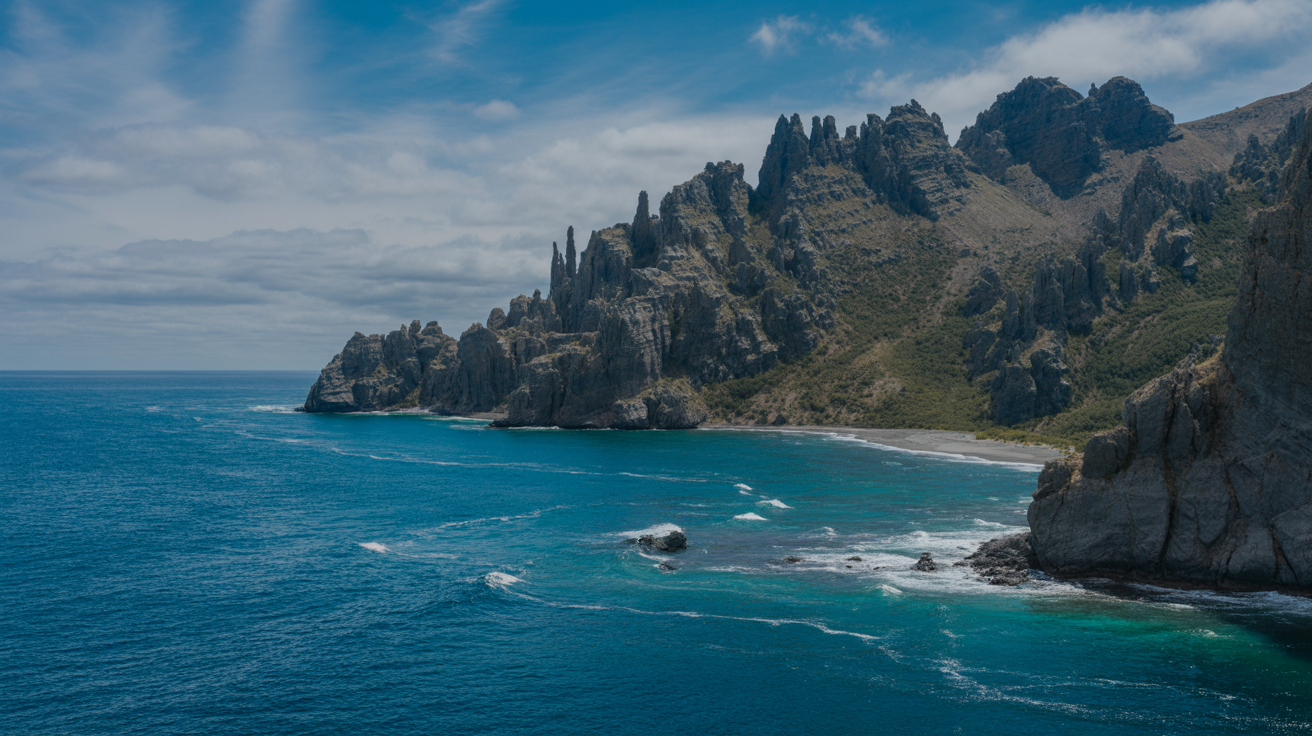
Coastal beaches and offshore islands
Conservation
The African Penguin is currently classified as Endangered on the IUCN Red List.
Threats & challenges
African Penguins face numerous threats, leading to a population decline of over 60% since the early 1980s. Major challenges include overfishing of key prey species (sardines and anchovies), oil spills, habitat destruction, and predation by introduced mammals such as domestic cats, dogs, and mongooses. Climate change impacts, such as shifting fish distributions and increased storm frequency, further exacerbate food scarcity and nest flooding. Human disturbance at breeding colonies and historical guano scraping (removal of nesting substrate) have reduced suitable nesting sites. Disease outbreaks, such as avian malaria and avian influenza, have also contributed to mortality. The species is currently listed as Endangered by the IUCN, with fewer than 14,000 breeding pairs remaining as of 2024.
Taxonomy
Scientific name
Spheniscus demersus
- Kingdom
- Animalia
- Phylum
- Chordata
- Class
- Aves
- Order
- Sphenisciformes
- Family
- Spheniscidae
- Genus
- Spheniscus
- Species
- demersus
Where to see an african penguin
21 zoos and aquariums in 2 countries are recorded as keeping this species.
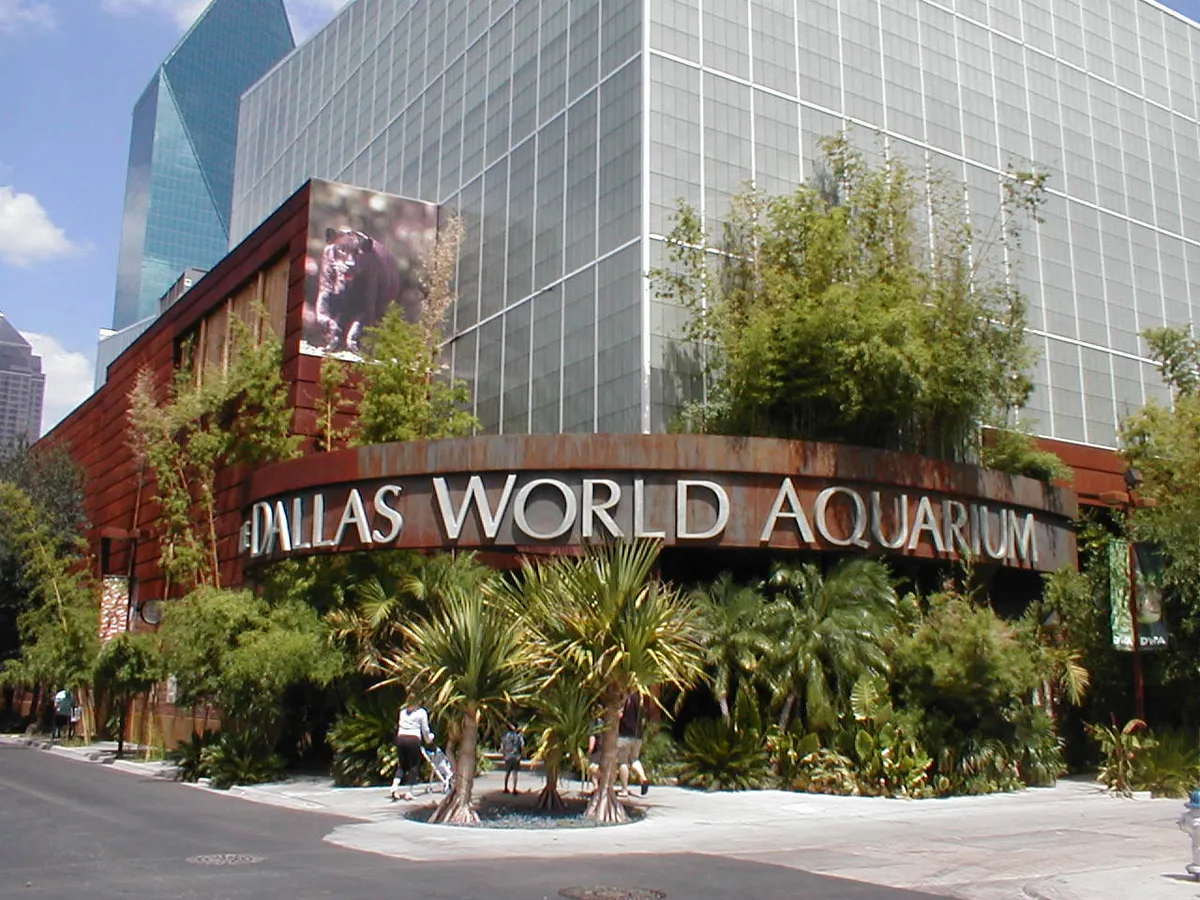 Dallas World Aquarium🇺🇸 Dallas, United States
 Georgia Aquarium🇺🇸 Atlanta, United States
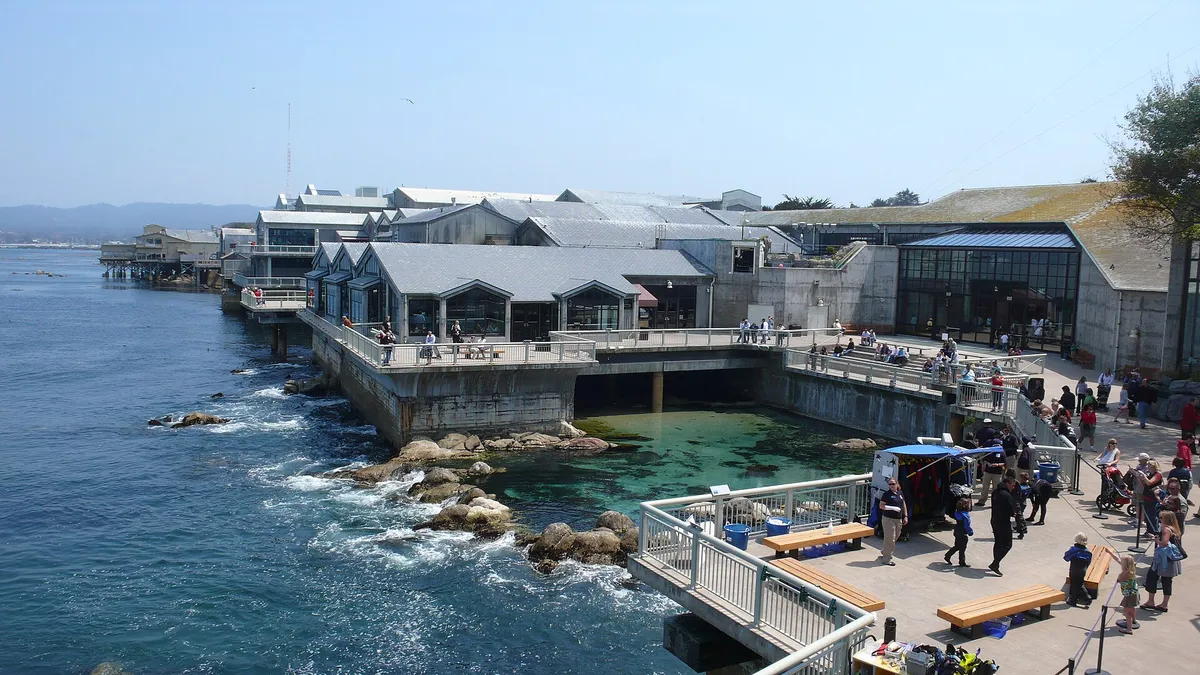 Monterey Bay Aquarium🇺🇸 Monterey, United States
 Maritime Aquarium🇺🇸 South Norwalk, United States
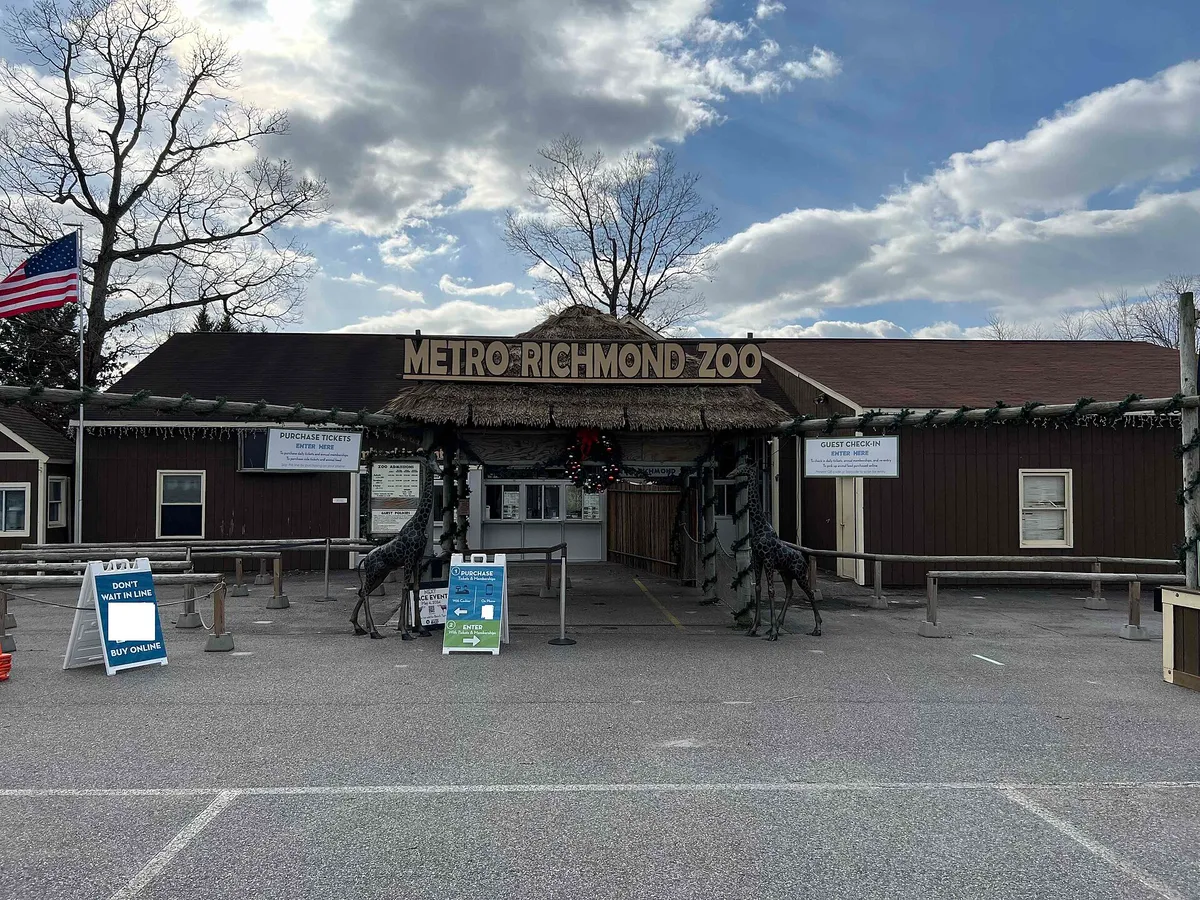 Metro Richmond Zoo🇺🇸 Moseley, United States
Community notes
Share your observations about the African Penguin.
No community notes yet. Be the first!
Discover more wildlife
More fascinating animals from the encyclopedia.