
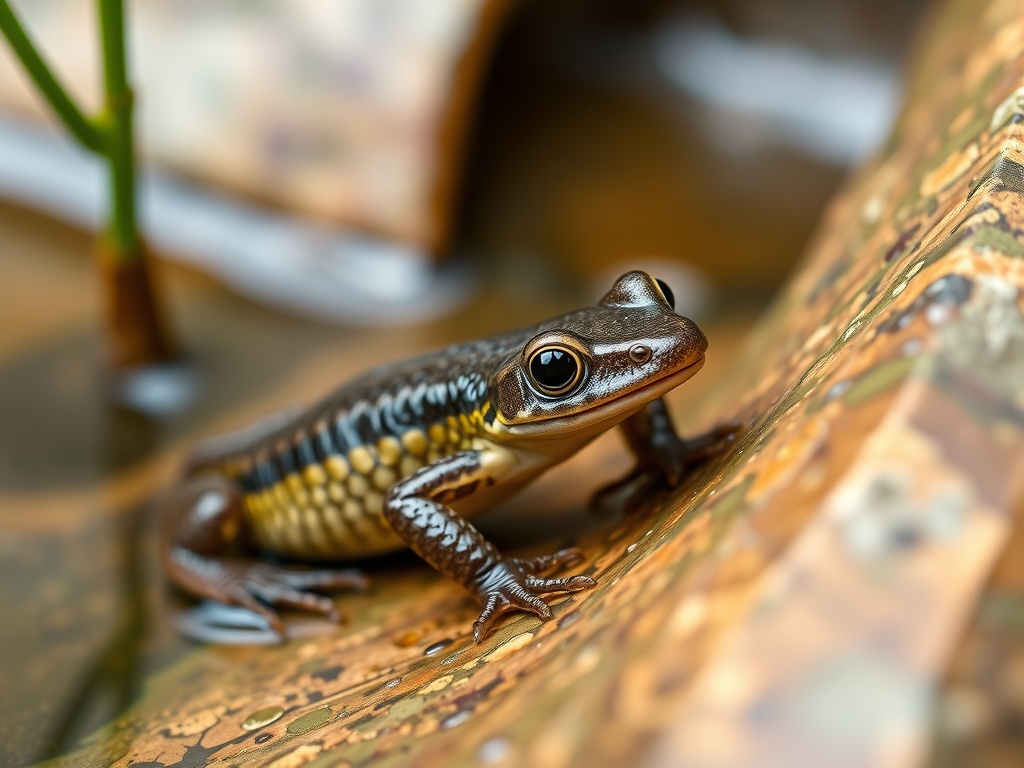
About the Alpine Newt
The Alpine Newt is a striking amphibian native to central and southern Europe, particularly thriving in mountainous regions. It is recognized for its slender body, smooth skin, and vibrant breeding colors, with males displaying a bright orange belly and blue flanks during the mating season. Alpine Newts are semi-aquatic, spending part of their lives in freshwater ponds and part on land in moist, shaded habitats. They are known for their adaptability, often inhabiting high-altitude lakes, forest pools, and garden ponds. Despite facing localized threats, their populations remain stable across much of their range.
Fascinating facts
Breeding Colors
Males display brilliant blue flanks and an orange belly during the breeding season to attract mates.
Habitat Flexibility
Alpine Newts can live at elevations up to 2,500 meters and are found in both natural mountain lakes and man-made garden ponds.
Impressive Regeneration
They are capable of regenerating not only limbs, but also parts of their heart, spinal cord, and eyes if injured.
Detailed description
The Alpine Newt (Ichthyosaura alpestris) is a medium-sized salamandrid amphibian, typically measuring 7–12 cm in length, with males generally smaller and more slender than females. Its skin is smooth and moist, facilitating cutaneous respiration, and coloration varies seasonally and by sex: males in breeding condition exhibit striking blue flanks, a vivid orange belly, and a white-spotted throat, while females and non-breeding males are more subdued in coloration, often brownish or olive dorsally. The Alpine Newt possesses a laterally compressed tail, aiding in aquatic locomotion, and well-developed limbs adapted for both swimming and terrestrial movement. Its head is relatively broad with prominent eyes and a rounded snout. This species is primarily crepuscular and nocturnal, seeking shelter under stones, logs, or leaf litter during the day. Alpine Newts are semi-aquatic, spending the breeding season in still or slow-moving freshwater bodies and the rest of the year in moist terrestrial habitats, such as montane forests and alpine meadows. Their skin secretes mild toxins as a defense against predators. The Alpine Newt is highly adaptable, tolerating a wide range of altitudes (from lowlands up to 2500 meters) and environmental conditions, and is known for its ability to colonize artificial water bodies. Its life span in the wild is typically 6–10 years, though individuals in captivity may live longer.
Did you know?
Alpine Newts have been introduced to areas outside their native range, including the United Kingdom and New Zealand, where they have established wild populations.
Research & sources
Wikipedia summary
The alpine newt is a species of newt native to continental Europe and introduced to Great Britain and New Zealand. Adults measure 7–12 cm (2.8–4.7 in) and are usually dark grey to blue on the back and sides, with an orange belly and throat. Males are more conspicuously coloured than the drab females, especially during breeding season.
Behaviour & social structure
Alpine Newts are solitary outside the breeding season, exhibiting territoriality particularly among males during mating periods. Their activity peaks at dusk and during wet weather, when humidity is high. On land, they forage for invertebrates such as worms, insects, and spiders, using a sit-and-wait or slow stalking strategy. In water, they become more active hunters, preying on aquatic invertebrates, insect larvae, and occasionally amphibian eggs or larvae, including conspecifics. Alpine Newts rely on chemosensory cues to locate food and mates. During the breeding season, males display elaborate courtship behaviors, including tail-fanning and undulating movements to attract females and direct pheromones. Outside of breeding, interactions are minimal, with individuals dispersing widely to exploit available resources. They exhibit seasonal migrations between aquatic and terrestrial habitats, often returning to the same breeding sites annually.
Reproduction & life cycle
Breeding occurs in spring, typically from March to June, triggered by rising temperatures and increased precipitation. Males arrive at breeding ponds first and establish small territories. Courtship involves the male performing a display in front of the female, culminating in the deposition of a spermatophore, which the female picks up with her cloaca. Females lay 200–400 eggs singly, attaching them to submerged vegetation or detritus. Embryonic development lasts 2–4 weeks, depending on water temperature. Larvae are aquatic, with external gills and a well-developed tail fin, and undergo metamorphosis after 2–3 months, at which point they leave the water as juveniles (efts). There is no parental care post-oviposition. Sexual maturity is reached at 2–4 years of age, with some variation depending on environmental conditions and altitude.
Adaptations & survival
The Alpine Newt exhibits several adaptations for its dual aquatic-terrestrial lifestyle. Its skin is permeable to water and gases, allowing for cutaneous respiration, especially important during hibernation and in oxygen-poor environments. The species secretes toxic skin compounds (tetrodotoxin-like substances) as a defense against predation. During the aquatic breeding phase, males develop a dorsal crest and brighter coloration to enhance reproductive success. Alpine Newts are capable of regenerating lost limbs, tails, and even parts of the heart and eye, a trait shared with other urodelans. They exhibit physiological plasticity, tolerating a wide range of temperatures and oxygen levels, and can enter a state of torpor during winter, hibernating under logs, stones, or in burrows. Their eggs are resistant to cold and can survive brief freezing events, an adaptation to high-altitude environments.
Cultural significance
The Alpine Newt holds modest cultural significance in parts of Europe, often featured in local folklore as a symbol of purity or transformation due to its striking metamorphosis and vibrant breeding colors. In some regions, it has been associated with water spirits or used in traditional medicine, though such practices are rare today. The species is increasingly valued in environmental education and citizen science projects, serving as an indicator of freshwater ecosystem health. Its introduction to Great Britain and New Zealand was primarily for ornamental purposes in garden ponds, reflecting its appeal as a charismatic amphibian.
Recent research
Recent research on Ichthyosaura alpestris has focused on its remarkable regenerative abilities, with studies investigating the molecular pathways involved in limb and organ regeneration. Genetic analyses have revealed significant population structure and cryptic diversity, prompting debates over subspecies delineation. Ongoing studies are examining the impacts of climate change on breeding phenology and larval development, as well as the species' susceptibility to emerging pathogens like chytrid fungus. Conservation genetics projects are monitoring genetic diversity in isolated populations, particularly in the face of habitat fragmentation. The Alpine Newt is also a model organism for studies on amphibian chemical communication and reproductive behavior.
Videos
Habitat
Mountain forests, alpine meadows, and freshwater ponds
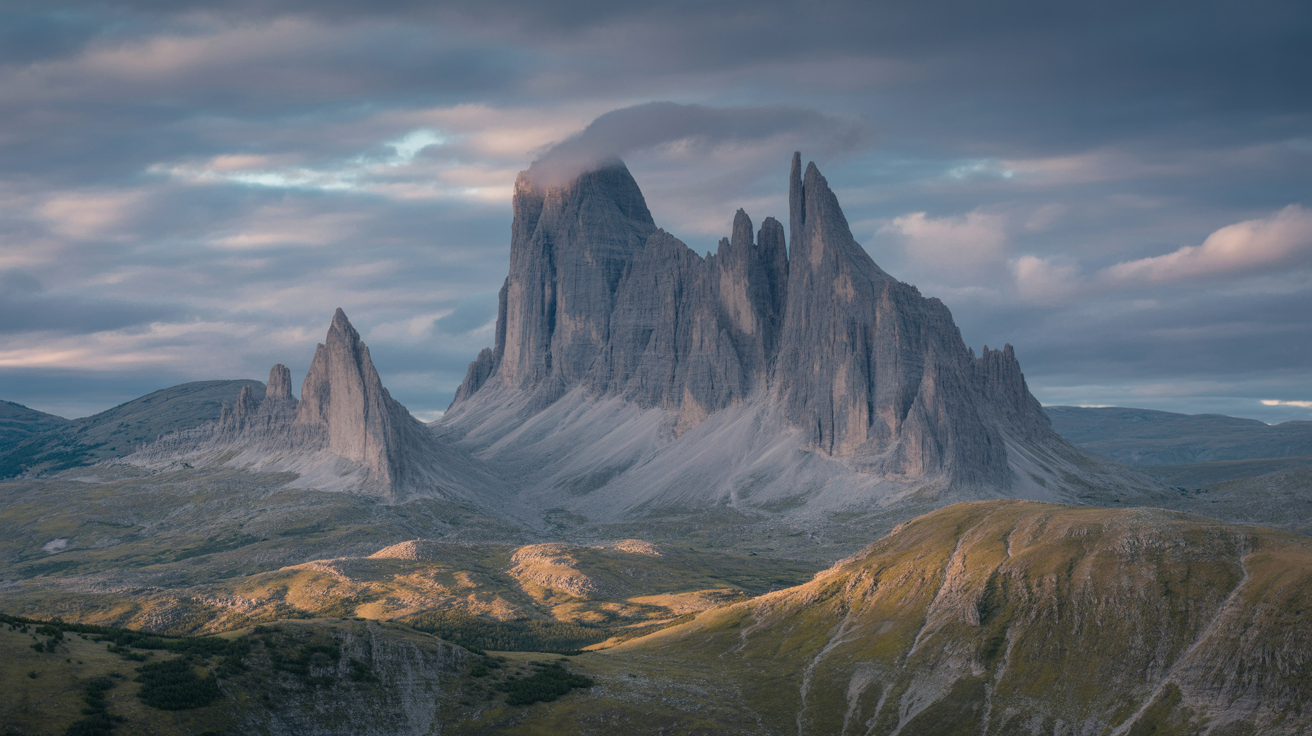 Elevated Terrain
Mountain
High-altitude environments with varying climates and specialized wildlife adapted to rugged terrain and thin air.
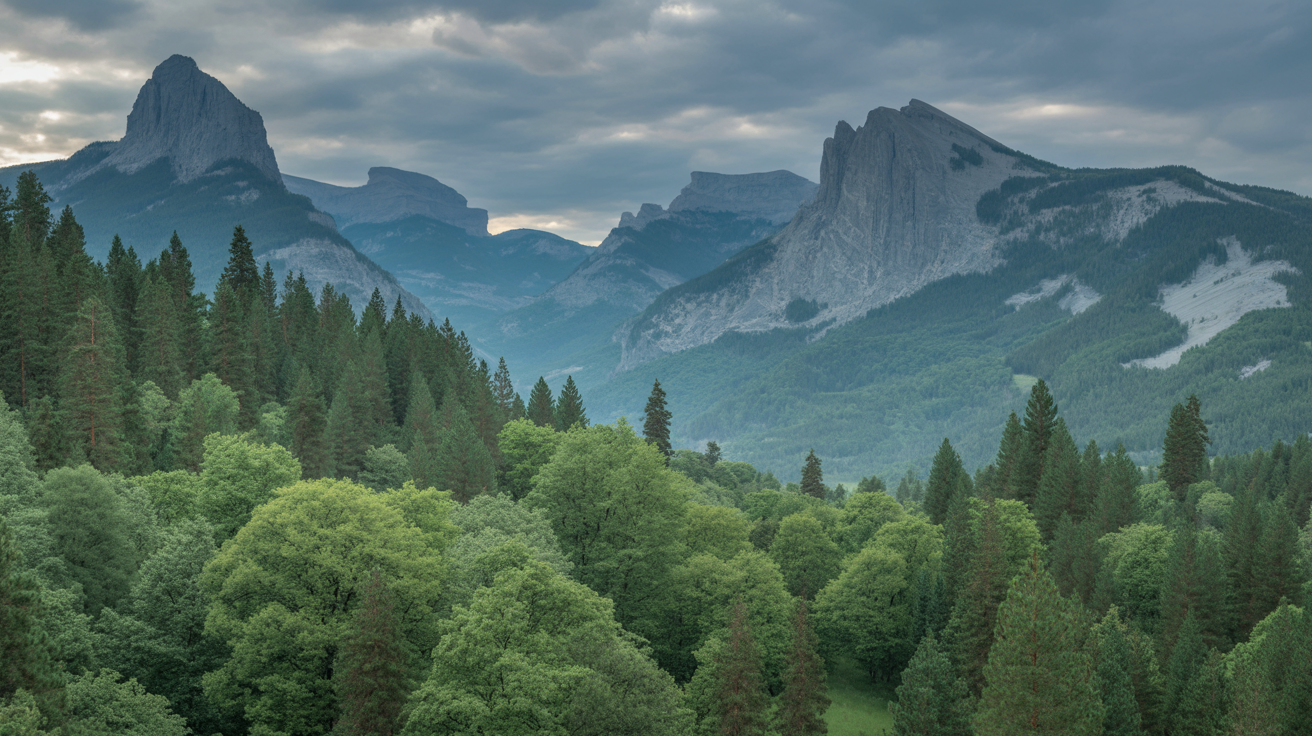 Global
Forest
Wooded areas with significant tree cover and diverse plant and animal communities.
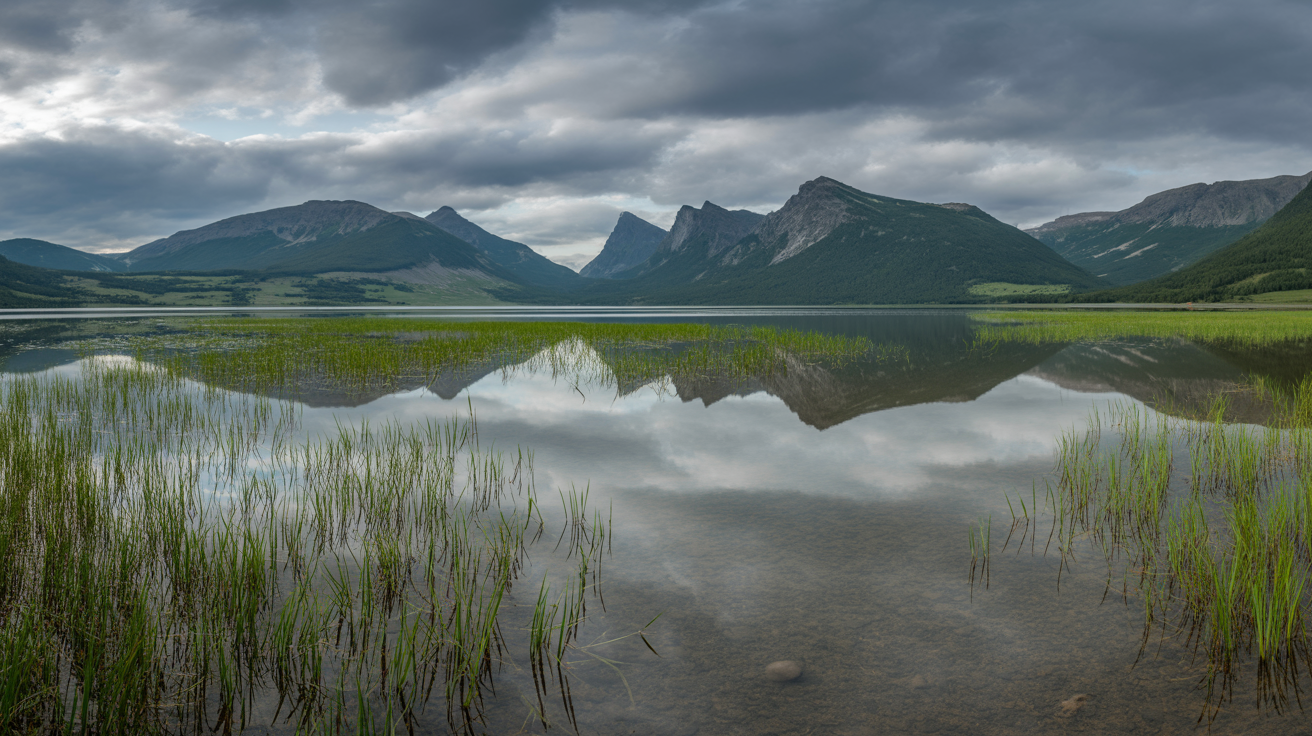 Global
Freshwater
Lakes, rivers, and wetlands with diverse aquatic ecosystems.
Conservation
The Alpine Newt is currently classified as Least Concern on the IUCN Red List.
Threats & challenges
While the Alpine Newt is currently listed as Least Concern, it faces localized threats including habitat loss due to urbanization, deforestation, and agricultural expansion. Pollution, particularly from pesticides and fertilizers, degrades aquatic breeding sites. Introduction of predatory fish and invasive species, such as crayfish, can significantly reduce larval survival. Disease, notably chytridiomycosis caused by Batrachochytrium dendrobatidis, poses an emerging threat. Climate change may alter the availability and duration of suitable breeding habitats, especially at higher elevations. Despite these challenges, the species' adaptability and broad range have allowed populations to remain stable overall, though some isolated populations are in decline.
Taxonomy
Scientific name
Ichthyosaura alpestris
- Kingdom
- Animalia
- Phylum
- Chordata
- Class
- Amphibia
- Order
- Urodela
- Family
- Salamandridae
- Genus
- Ichthyosaura
- Species
- alpestris
Community notes
Share your observations about the Alpine Newt.
No community notes yet. Be the first!
Discover more wildlife
More fascinating animals from the encyclopedia.