
About the Amazonian Manatee
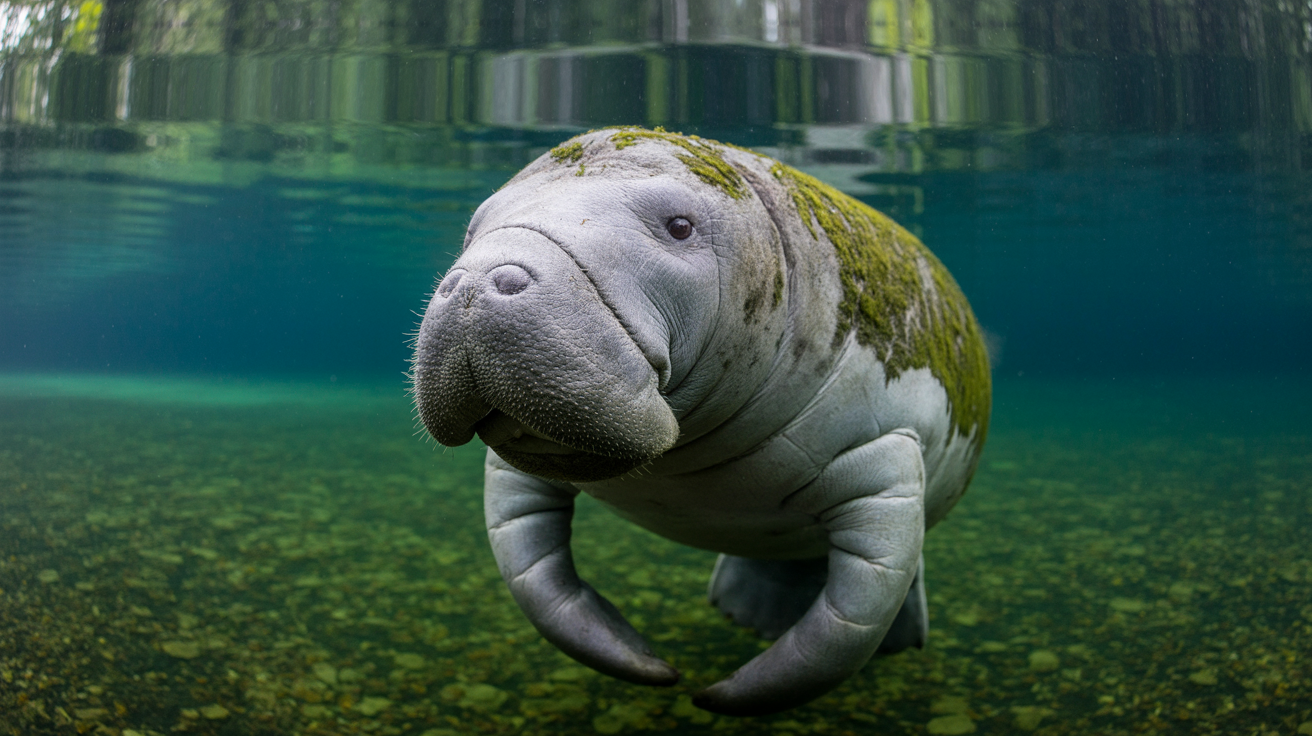
The Amazonian manatee is the only sirenian that lives exclusively in fresh water, never entering the sea, and it is the smallest and slimmest of the manatees. Its scientific name, Trichechus inunguis, means "without nails" — unlike its Caribbean cousin it has no nails on its flippers. Its survival strategy is extreme patience: when the Amazon's floodwaters retreat, animals are stranded in shrinking lakes with almost nothing left to eat, and a manatee may simply fast for months, living off fat laid down in the flood season and letting its metabolic rate fall. Individuals have been documented going without significant food through most of the dry season. The teeth solve the other problem: aquatic plants are loaded with abrasive silica, so manatee molars march forward along the jaw throughout life, worn ones dropping out at the front and new ones erupting at the back, a conveyor belt shared with elephants, their closest living relatives. Between the 1930s and 1950s hundreds of thousands were killed for their tough hide, which was made into machine belts and hoses.
Fascinating facts
Specialized Herbivore
The Amazonian manatee feeds on over 50 species of aquatic plants, helping to maintain healthy aquatic ecosystems.
Nail-less Flippers
Unlike West Indian and West African manatees, Amazonian manatees have flippers without nails, an adaptation for their freshwater habitat.
Protected by Law
Hunting of Amazonian manatees is illegal in most countries of their range, but illegal poaching and habitat loss still threaten their survival.
Detailed description
The Amazonian manatee (Trichechus inunguis) is a fully aquatic mammal uniquely adapted to the freshwater ecosystems of the Amazon Basin. It is the smallest of the extant manatee species, with adults typically measuring 2.5 to 2.8 meters in length and weighing between 350 and 450 kilograms, though some individuals may reach up to 480 kg. Its skin is thin, smooth, and dark gray to brown, often appearing wrinkled and sparsely covered with fine hairs; a distinctive white or pale patch is present on the chest. Unlike its relatives, the Amazonian manatee lacks nails on its flippers, a trait that distinguishes it from other members of the genus Trichechus. Its body is streamlined, with paddle-shaped flippers and a large, horizontally flattened tail adapted for efficient swimming in slow-moving waters. The species has a flexible upper lip, which it uses to grasp and manipulate aquatic vegetation. Amazonian manatees are known for their elusive and shy nature, making direct observation in the wild challenging. They are primarily solitary but may form small, loose aggregations, especially during the dry season when water levels recede. Their lungs are elongated and oriented along the back, allowing them to remain buoyant and surface discreetly for air. The species is exclusively herbivorous, feeding on a wide variety of aquatic plants, and plays a critical role in shaping the aquatic vegetation dynamics of the Amazonian floodplain.
Did you know?
The Amazonian manatee is the only manatee species that has never been found in saltwater environments.
Research & sources
Wikipedia summary
The Amazonian manatee is a species of manatee that lives in the Amazon Basin in Brazil, Peru, Colombia and Ecuador. It has thin, wrinkled brownish or gray colored skin, with fine hairs scattered over its body and a white chest patch. It is the smallest of the three extant species of manatee.
Behaviour & social structure
Amazonian manatees are predominantly crepuscular, with peak activity occurring during early morning and late afternoon. They spend the majority of their time submerged, surfacing every 2–4 minutes to breathe, though they can hold their breath for up to 15 minutes when resting. Feeding is a major daily activity, with individuals consuming up to 8% of their body weight in aquatic vegetation per day, including grasses, floating macrophytes, and submerged plants. They use their prehensile upper lips to grasp and pull plants into their mouths, often leaving characteristic feeding trails. Social interactions are generally limited, as the species is mostly solitary, but temporary groups may form in areas with abundant food or during the dry season when water bodies shrink. Vocalizations are infrequent but include chirps and squeaks, likely used for mother-calf communication. Manatees rest in deeper water during the hottest parts of the day and may migrate locally in response to seasonal flooding, moving into flooded forests during the wet season and retreating to deeper channels as waters recede.
Reproduction & life cycle
Reproduction in the Amazonian manatee is not strictly seasonal, though calving peaks may occur during the high-water season (December to July) when food is most abundant. Females reach sexual maturity at around 3–6 years of age, while males mature slightly later. Courtship involves males following and competing for receptive females, sometimes forming temporary mating herds. Gestation lasts approximately 12 to 14 months, after which a single calf (rarely twins) is born, measuring about 85–105 cm in length and weighing 10–15 kg. Calves are precocial and able to swim immediately, remaining dependent on their mothers for nursing and protection for up to 18 months. Females exhibit strong maternal care, with frequent nursing and close physical contact. Interbirth intervals are typically two to three years, reflecting the species' slow reproductive rate.
Adaptations & survival
The Amazonian manatee exhibits several adaptations for life in the dynamic floodplain environment. Its lack of nails on the flippers reduces drag and enhances maneuverability in dense aquatic vegetation. The streamlined body and large, paddle-shaped tail facilitate efficient swimming in slow-moving and shallow waters. The species has a highly flexible upper lip, allowing it to selectively feed on a variety of aquatic plants. Its lungs are elongated and dorsally positioned, aiding in buoyancy control and enabling the animal to surface quietly for air. The manatee's metabolism is adapted for a low-energy, herbivorous diet, and it can endure periods of food scarcity by reducing activity and relying on fat reserves. Seasonal movements track the flooding cycles of the Amazon, allowing the manatee to exploit newly inundated forests and avoid stranding as waters recede. Its cryptic coloration and secretive behavior provide camouflage from potential predators such as jaguars and caimans.
Cultural significance
The Amazonian manatee holds a place in the folklore and traditions of indigenous and riverine communities throughout the Amazon. It is often featured in local myths, sometimes regarded as a spiritual or mystical creature associated with water spirits. Historically, manatees were hunted for their meat, which was considered a delicacy, and for their oil, used in lamps and traditional medicine. In some regions, manatee bones and other body parts were believed to have medicinal or magical properties. Today, the species is a symbol of Amazonian biodiversity and is the focus of conservation education and ecotourism initiatives aimed at promoting sustainable coexistence.
Recent research
Recent research on the Amazonian manatee has focused on population genetics, revealing low genetic diversity and highlighting the need for habitat connectivity. Satellite telemetry studies have provided new insights into seasonal movements and habitat use, showing that manatees travel considerable distances to track food resources and avoid stranding. Stable isotope analysis of tissues has improved understanding of dietary preferences and the ecological role of the species in nutrient cycling. Conservation programs, such as rescue and rehabilitation of orphaned calves, have contributed valuable data on growth, health, and behavior. Ongoing studies are investigating the impacts of climate change and human disturbance on manatee populations, as well as the effectiveness of protected areas and community-based management.
Videos
Habitat
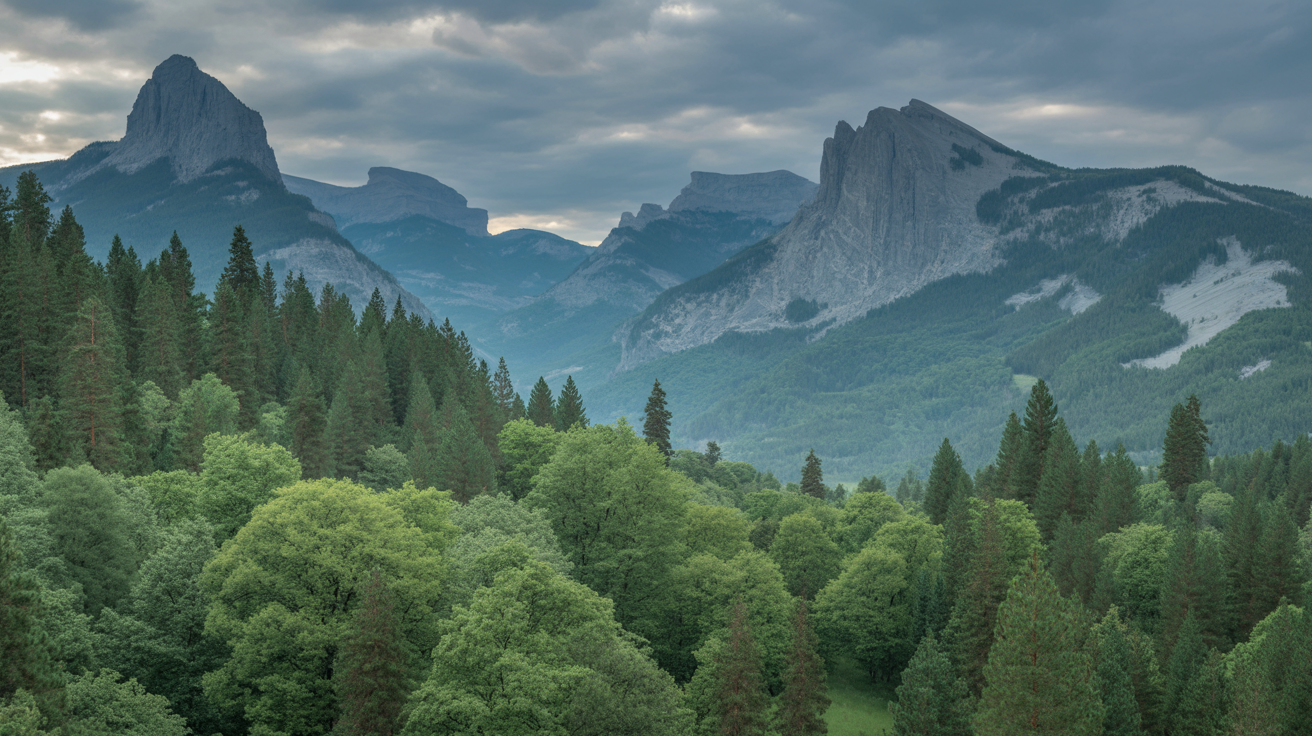
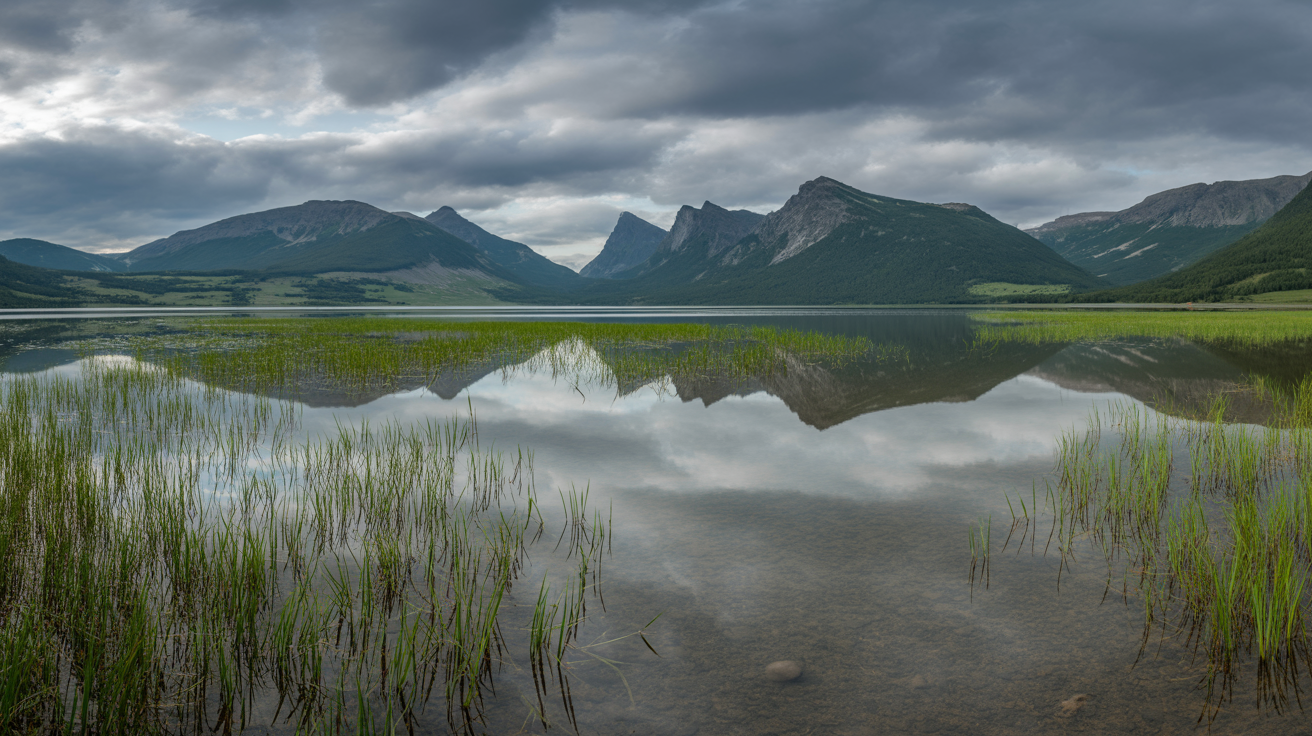
Freshwater rivers, lakes, and flooded forests of the Amazon Basin
Conservation
The Amazonian Manatee is currently classified as Vulnerable on the IUCN Red List.
Threats & challenges
The Amazonian manatee is classified as Vulnerable by the IUCN due to ongoing population declines. Major threats include illegal hunting for meat, oil, and skin, despite legal protections in all range countries. Incidental capture in fishing gear, particularly gillnets, poses a significant risk. Habitat degradation from deforestation, dam construction, and water pollution further threatens the species by reducing food availability and fragmenting populations. Climate change, with its impact on flood regimes and water quality, may exacerbate these challenges. The species' slow reproductive rate and low population densities make recovery difficult. Current population estimates are uncertain but suggest a continuing decline, with local extirpations reported in parts of its historical range.
Taxonomy
Scientific name
Trichechus inunguis
- Kingdom
- Animalia
- Phylum
- Chordata
- Class
- Mammalia
- Order
- Sirenia
- Family
- Trichechidae
- Genus
- Trichechus
- Species
- inunguis
Community notes
Share your observations about the Amazonian Manatee.
No community notes yet. Be the first!
Discover more wildlife
More fascinating animals from the encyclopedia.