
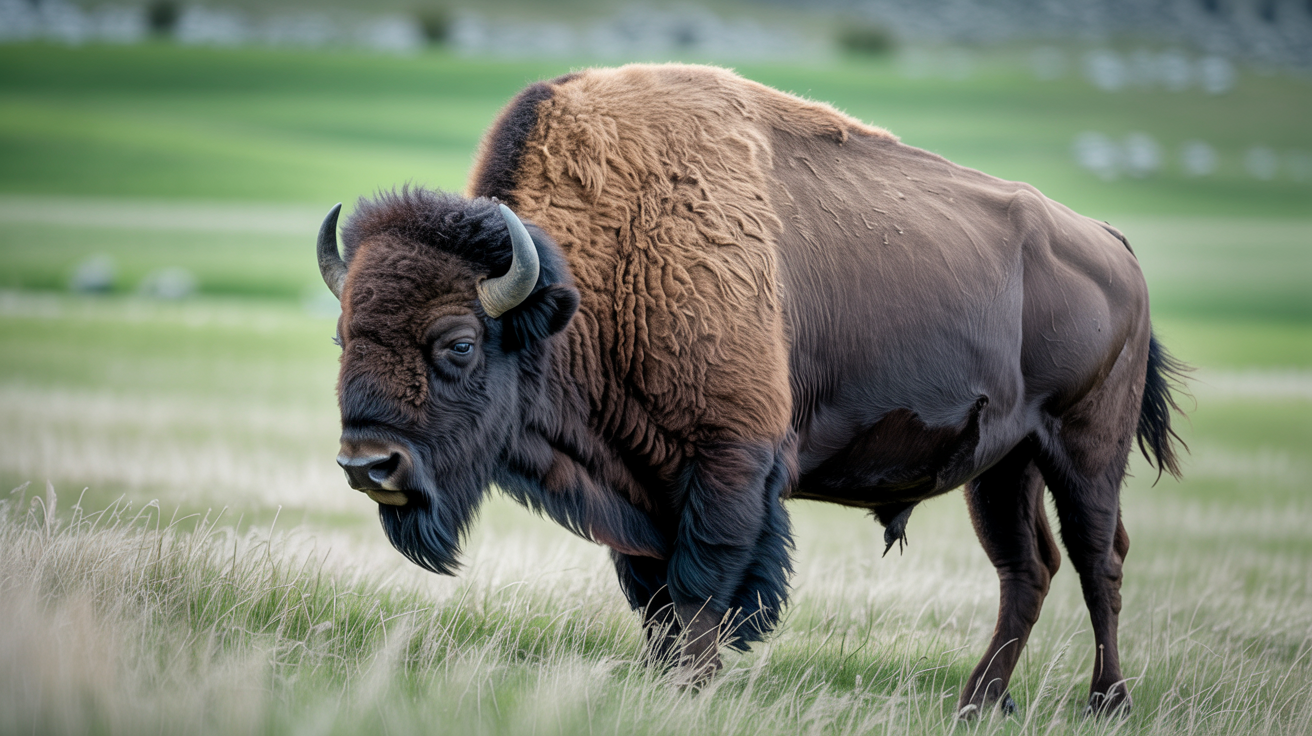
About the American Bison
The American Bison (Bison bison), often misnamed as the buffalo, is a robust herbivore native to North America. Distinguished by its massive head, pronounced shoulder hump, and thick, shaggy mane, the bison is well-adapted to the continent's diverse climates. Historically, bison roamed the expansive 'great bison belt,' a vast grassland stretching from Alaska to the Gulf of Mexico and as far east as the Atlantic Seaboard. This range included diverse ecosystems, from the plains to woodlands, allowing bison to thrive in various habitats. Adult males, known as bulls, can weigh up to 2,000 pounds and stand over 6 feet tall at the shoulder, dwarfing their European counterparts. Their thick fur provides insulation against harsh winters, while their large heads and muscular necks enable them to plow through snow in search of forage. The bison's complex social structure includes matriarchal herds, which play a crucial role in maintaining genetic diversity and social learning among the species.
Fascinating facts
Fast Runners
Despite their bulk, American Bison can reach speeds of up to 35 miles per hour (56 km/h) when running.
Ecosystem Engineers
Bison grazing habits help maintain healthy grasslands and promote biodiversity by preventing the dominance of single plant species.
Red Dog Calves
Bison calves are born with reddish fur and are nicknamed 'red dogs' until their coats darken as they mature.
Detailed description
The American bison (Bison bison) is a massive, robust bovid, with adult males (bulls) typically weighing between 700 and 1,200 kg (1,500–2,650 lbs) and standing up to 1.8 meters (6 ft) at the shoulder, while females (cows) are smaller, averaging 400–700 kg (880–1,540 lbs). Their most distinctive features include a pronounced shoulder hump, large head with short, curved horns, and a dense, woolly coat that varies seasonally, providing insulation against extreme cold. The forequarters are heavily muscled, supporting the animal’s grazing and snow-plowing behaviors. Bison possess keen senses of smell and hearing, compensating for relatively poor eyesight. Socially, bison organize into matriarchal herds, with cows and calves forming large groups, while mature bulls are often solitary or form smaller bachelor groups, joining the main herd during the breeding season. Bison are primarily crepuscular, most active at dawn and dusk, and spend much of their day grazing on grasses, sedges, and forbs. Their wallowing behavior—rolling in dust or mud—serves to deter parasites and may play a role in social interactions. Bison are also notable for their migratory tendencies, historically traveling vast distances in search of food and suitable calving grounds. Reproduction is seasonal, with synchronized calving enhancing calf survival. Their ecological role as keystone grazers is critical for maintaining grassland biodiversity, influencing plant community structure, nutrient cycling, and habitat for other species.
Did you know?
Bison are not true buffaloes—despite often being called 'buffalo', they are only distantly related to the African and Asian buffalo species.
Research & sources
Wikipedia summary
The American bison, commonly known as the American buffalo, or simply buffalo, is a species of bison that is endemic to North America. It is one of two extant species of bison, along with the European bison. Its historical range circa 9000 BC is referred to as the great bison belt, a tract of rich grassland spanning from Alaska south to the Gulf of Mexico, and east to the Atlantic Seaboard, as far north as New York, south to Georgia, and according to some sources, further south to northern Florida, with sightings in North Carolina near Buffalo Ford on the Catawba River as late as 1750.
Behaviour & social structure
American bison are primarily grazers, feeding on a variety of native grasses and sedges, with forbs and woody plants forming a minor part of their diet, especially in winter. They use their massive heads to sweep aside snow, accessing forage during harsh winters. Bison herds exhibit complex social structures, with dominant cows leading mixed groups of females, juveniles, and subadults, while bulls establish hierarchies through displays and sparring. During the rut (July–September), bulls compete for access to estrous females, engaging in head-butting and vocalizations known as bellows. Daily routines include periods of intensive grazing interspersed with rest, rumination, and wallowing. Bison communicate through a range of vocalizations, body postures, and scent marking. They are highly mobile, capable of running up to 56 km/h (35 mph) and swimming across rivers. Wallowing creates depressions that benefit other species and promote plant diversity. Seasonal movements are influenced by forage availability, weather, and breeding cycles.
Reproduction & life cycle
The breeding season, or rut, occurs from July to September. Bulls join cow-calf herds and compete for mating opportunities, with dominant bulls tending and guarding receptive females. Courtship involves following, sniffing, and low-frequency vocalizations. After successful mating, the gestation period lasts approximately 270–285 days (about 9 months), with most calves born between late April and early June. Calves are precocial, able to stand and follow their mothers within hours of birth, and are typically weaned by 7–8 months. Females reach sexual maturity at 2–3 years, while males generally do not breed successfully until 6 years old due to social hierarchy. Maternal care is strong, with cows protecting calves from predators and environmental hazards. Calving synchrony within herds helps reduce predation risk.
Adaptations & survival
Bison are superbly adapted to the North American grasslands. Their thick, layered fur insulates them against subzero temperatures, while a large, muscular hump supports powerful neck muscles used for foraging under snow. Short, sturdy legs and cloven hooves provide stability on uneven terrain and facilitate long-distance movement. Bison digestive systems are highly efficient, with a four-chambered stomach enabling fermentation and extraction of nutrients from coarse grasses. Their acute sense of smell helps detect predators and locate distant water sources. Behavioral adaptations include wallowing to control ectoparasites and thermoregulate, as well as forming large groups for predator defense. Seasonal migrations and flexible foraging strategies allow bison to exploit variable environments.
Cultural significance
The American bison holds profound cultural, spiritual, and economic importance for many Indigenous peoples of North America, featuring prominently in mythology, ceremonies, and as a symbol of abundance and resilience. Traditionally, bison provided food, clothing, shelter, tools, and fuel, supporting the livelihoods of Plains tribes. The near-extinction of bison in the 19th century had devastating impacts on Indigenous cultures. Today, bison are emblematic of wildlife restoration and conservation, appearing on the U.S. national mammal list, state flags, coins, and as mascots. Bison restoration projects often involve partnerships with Native nations, recognizing their cultural and ecological significance.
Recent research
Recent research focuses on bison genetics, disease ecology, and their role as ecosystem engineers. Genomic studies have revealed introgression from domestic cattle in many herds, prompting efforts to identify and conserve genetically pure populations. Studies on bison grazing demonstrate their positive effects on plant diversity, soil health, and habitat for pollinators and ground-nesting birds. Ongoing research addresses brucellosis management, climate change impacts, and the feasibility of rewilding bison to restore prairie ecosystems. Notably, bison reintroduction projects in Canada and the U.S. are providing valuable data on large herbivore ecology and grassland restoration.
Videos
Habitat
Grasslands and prairies
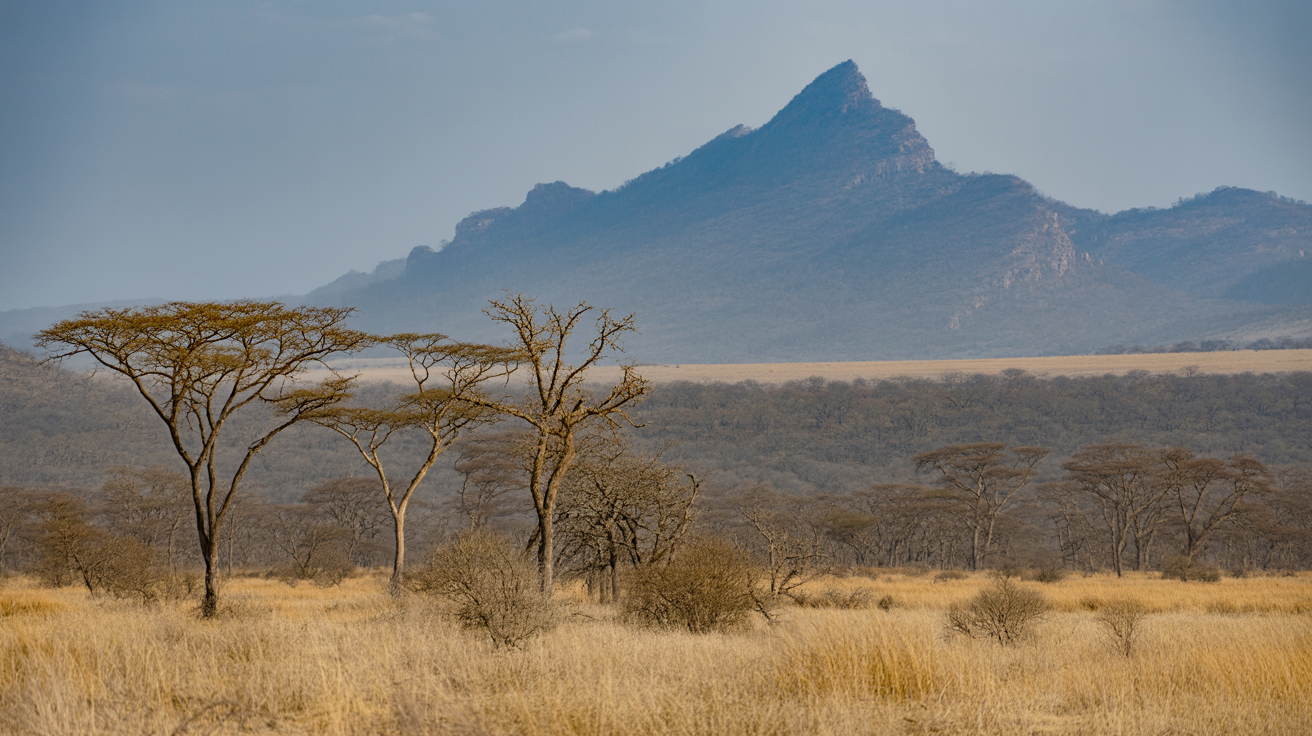 Africa
Savanna
Grasslands with scattered trees, characterized by seasonal rainfall and home to diverse grazing animals and predators.
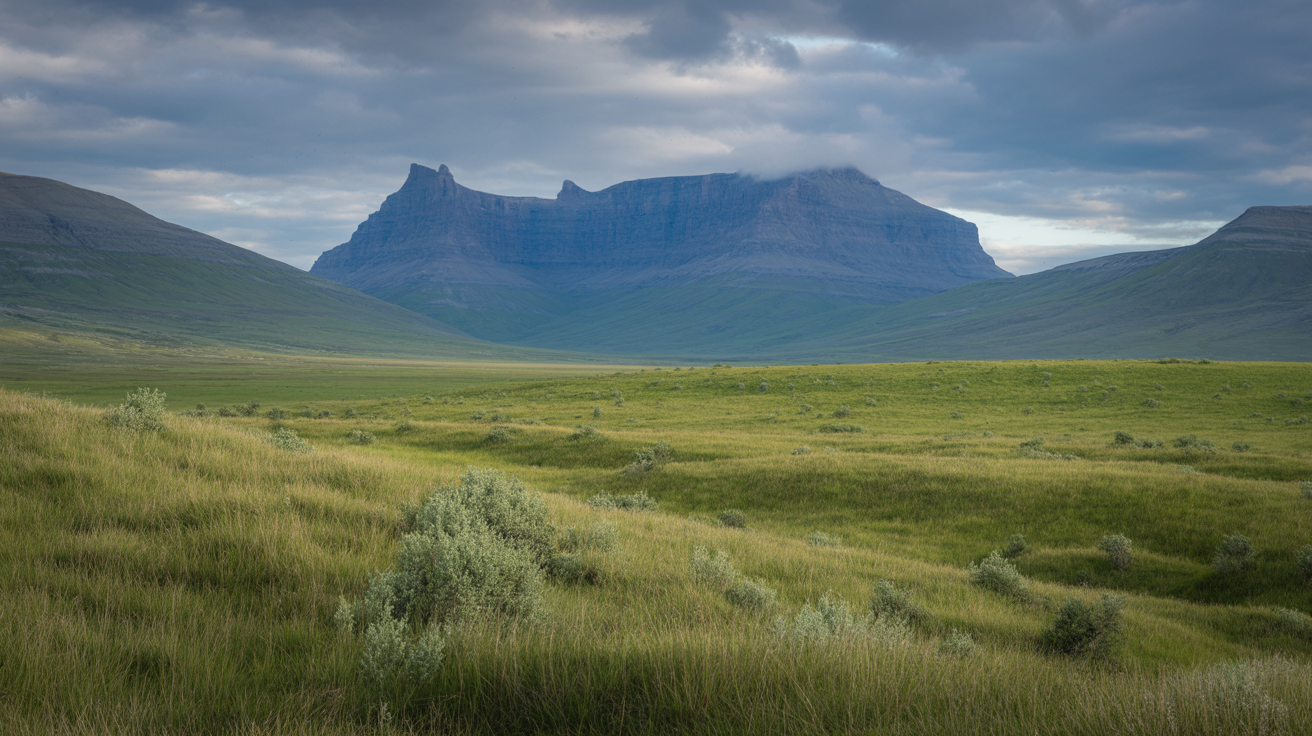 Various Continental Regions
Grassland
Open areas dominated by grasses rather than trees, supporting numerous herbivores and their predators.
 Global
Forest
Wooded areas with significant tree cover and diverse plant and animal communities.
Conservation
The American Bison is currently classified as Near Threatened on the IUCN Red List.
Threats & challenges
Historically, American bison populations suffered catastrophic declines due to commercial hunting, habitat loss, and deliberate eradication campaigns in the 19th century, dropping from an estimated 30–60 million to fewer than 1,000 individuals by the late 1800s. Today, major threats include habitat fragmentation, genetic bottlenecks, disease transmission (notably brucellosis from domestic cattle), and hybridization with cattle (producing 'beefalo'). Most bison now exist in managed herds within parks, reserves, or private ranches, limiting their ecological function and genetic diversity. Conservation challenges include restoring free-ranging populations, maintaining genetic integrity, and mitigating conflicts with agriculture. Recent population trends are stable or increasing in protected areas, but true wild, genetically pure bison are rare.
Taxonomy
Scientific name
Bison bison
- Kingdom
- Animalia
- Phylum
- Chordata
- Class
- Mammalia
- Order
- Artiodactyla
- Family
- Bovidae
- Genus
- Bison
- Species
- bison
Where to see an american bison
17 zoos and aquariums in 5 countries are recorded as keeping this species.
 Tierpark Hellabrunn🇩🇪 München, Germany
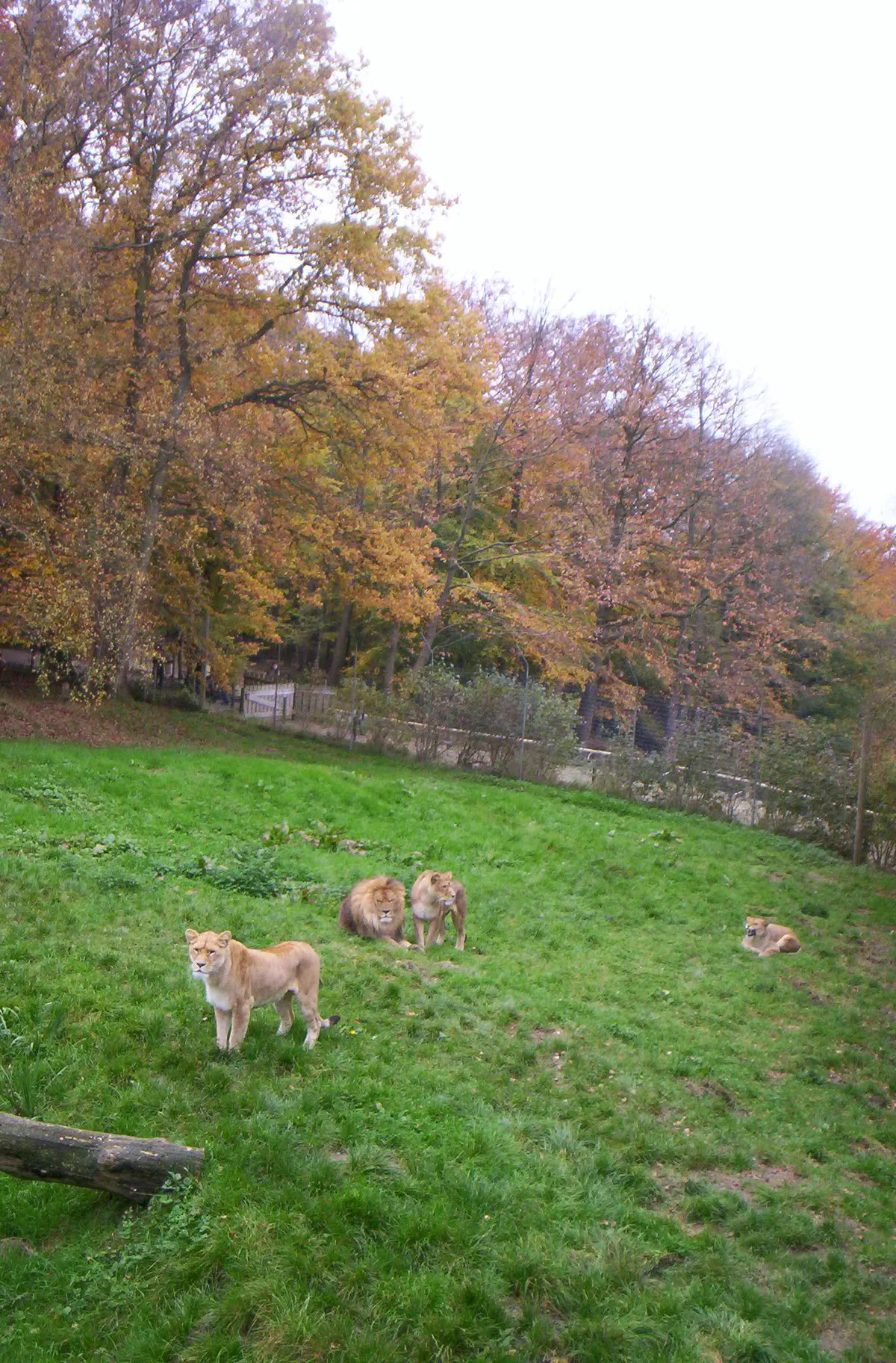 Zoo de Cerza🇫🇷 Hermival-les-Vaux, France
 Metro Richmond Zoo🇺🇸 Moseley, United States
 National Zoological Park🇺🇸 Washington, United States
 Brookfield Zoo Chicago🇺🇸 Brookfield, United States
Community notes
Share your observations about the American Bison.
No community notes yet. Be the first!
Discover more wildlife
More fascinating animals from the encyclopedia.