
About the Argentine Black and White Tegu
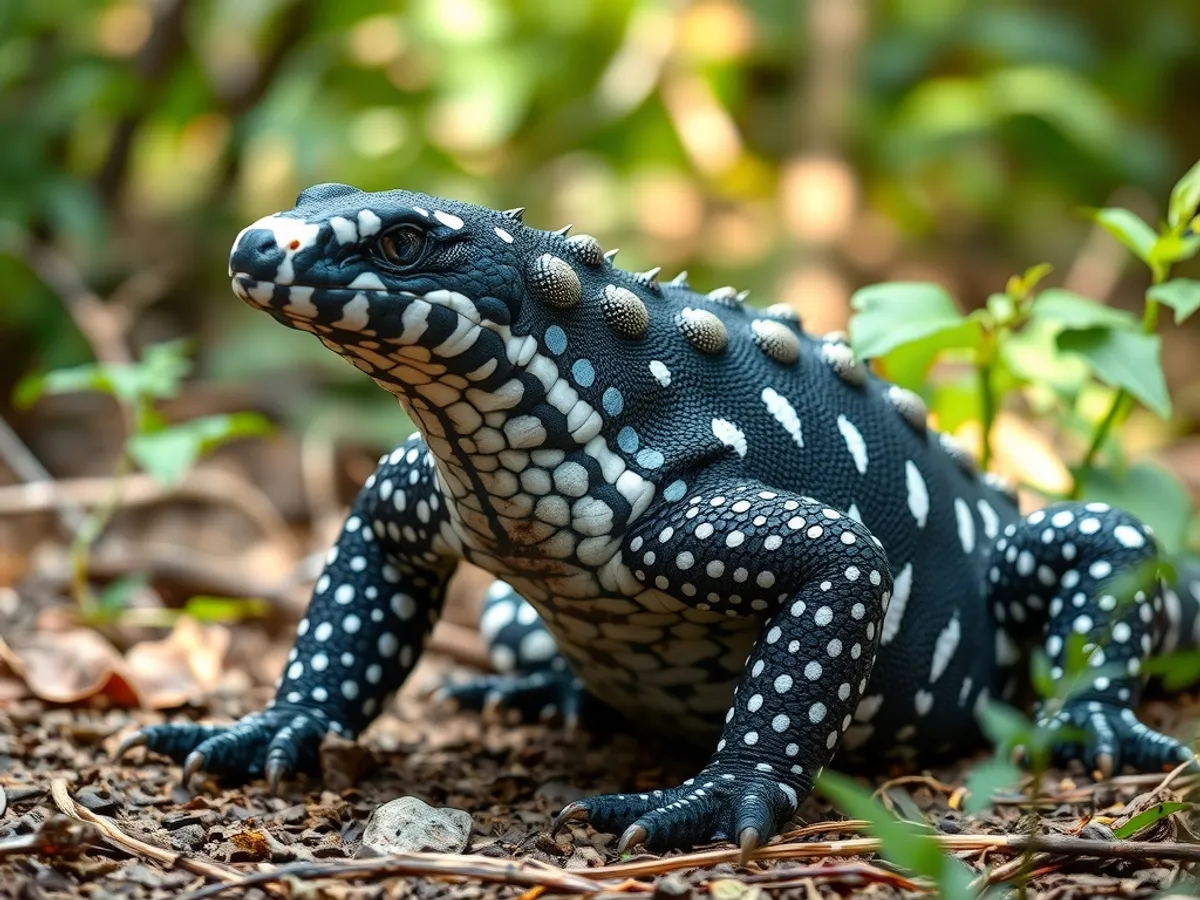
The Argentine Black and White Tegu is the largest species of tegu lizard native to South America, particularly Argentina, Brazil, and surrounding countries. It is easily recognized by its distinct black and white banded pattern and robust, muscular build. Tegus are highly intelligent reptiles, capable of learning simple tasks and even recognizing their human caretakers. They are terrestrial, spending much of their time foraging on the ground, and are known for their docile temperament, making them increasingly popular in the exotic pet trade.
Fascinating facts
Largest Tegu Species
Argentine Black and White Tegus can grow up to 1.5 meters (5 feet) in length, making them the largest of all tegu species.
Remarkable Intelligence
These lizards are capable of problem-solving and have been observed recognizing their owners and responding to training.
Warm-Blooded Traits
Unlike most reptiles, tegus can temporarily raise their body temperature above that of their environment during the breeding season.
Detailed description
The Argentine Black and White Tegu (Salvator merianae) is a robust, terrestrial lizard reaching adult lengths of 90–140 cm (3–4.5 ft) and weights of up to 7 kg (15 lbs), with males generally larger and more muscular than females. Its striking coloration consists of alternating black and white bands across the body and tail, with a prominent, beaded texture to the scales. The head is broad and angular, equipped with powerful jaws capable of crushing hard-shelled prey. Tegus possess a forked tongue and acute olfactory senses, aiding in food detection. Notably, they exhibit seasonal endothermy—raising their body temperature above ambient levels during the reproductive season, a rare trait among reptiles. Their limbs are strong and clawed, adapted for digging and foraging. The species is diurnal, spending daylight hours actively searching for food and basking, while retreating to burrows or dense vegetation at night. Juveniles display a greenish coloration on the head and dorsal surface, which fades as they mature. Highly intelligent, tegus demonstrate problem-solving abilities and can be conditioned to respond to human interaction, making them unique among large lizards.
Did you know?
The Argentine Black and White Tegu can enter a hibernation-like state called brumation during cooler months, slowing its metabolism dramatically.
Research & sources
Wikipedia summary
The Argentine black and white tegu, also commonly known as the Argentine giant tegu, the black and white tegu, the blue tegu, and the huge tegu, is a species of lizards in the family Teiidae. The species is the largest of the "tegu" lizards. It is an omnivorous species, which inhabits the tropical rain forests, savannas, and semideserts of eastern and central South America. It is native to south and southeastern Brazil, Uruguay, eastern Paraguay, Bolivia, and Argentina.
Behaviour & social structure
Argentine Black and White Tegus are primarily solitary, except during the breeding season or when juveniles aggregate in favorable microhabitats. They are opportunistic omnivores, foraging for a wide range of food items including fruits, eggs, insects, small vertebrates, carrion, and even fungi. Their foraging strategy involves both active searching and ambush, utilizing their keen sense of smell and vision. Tegus are known to raid bird and reptile nests for eggs, and their strong jaws allow them to consume hard-shelled prey such as snails and crustaceans. Daily activity peaks in the morning and late afternoon, with midday spent basking to regulate body temperature. In cooler months, they undergo a period of brumation (reptilian hibernation), retreating to self-dug burrows and reducing metabolic activity. Social interactions are limited, but males may display territorial aggression during the breeding season, using posturing and tail-whipping to deter rivals.
Reproduction & life cycle
Breeding occurs during the austral spring (September to December), triggered by increasing temperatures and photoperiod. Males exhibit increased activity and may travel long distances to locate receptive females, engaging in combat with rivals. Courtship involves tactile and chemical cues, with males biting and restraining females prior to copulation. Females lay a single clutch per year, typically consisting of 20–40 leathery eggs, deposited in burrows or under decaying vegetation. Incubation lasts 60–90 days, depending on environmental conditions. Hatchlings are precocial and independent, dispersing shortly after emergence. There is no parental care post-oviposition, although females may guard the nest site for a brief period. Sexual maturity is reached at 2–3 years of age, with longevity in the wild estimated at 10–15 years, and up to 20 years in captivity.
Adaptations & survival
Salvator merianae exhibits several notable adaptations: seasonal endothermy allows them to maintain higher activity levels during the reproductive season, enhancing mate searching and egg development. Their robust skull and jaw musculature enable consumption of a diverse diet, including hard-shelled prey. The forked tongue and Jacobson’s organ facilitate advanced chemosensory tracking of food and mates. Strong limbs and claws are specialized for digging burrows, which provide refuge from predators and extreme temperatures. Their ability to enter brumation enables survival during periods of food scarcity or low temperatures. Juvenile coloration provides camouflage in dense vegetation, reducing predation risk. Behavioral plasticity and intelligence support adaptability to varied habitats, including disturbed or urban environments.
Cultural significance
In their native range, tegus are sometimes featured in local folklore and are occasionally kept as pets or for pest control. Their skins are valued in the leather industry, particularly for boots and accessories. In rural areas, they may be hunted for food, and their fat is traditionally believed to have medicinal properties, used in folk remedies for respiratory ailments and rheumatism. In recent years, tegus have gained popularity in the exotic pet trade worldwide, admired for their intelligence and docile temperament. However, their role as invasive species in non-native regions has led to negative perceptions and management efforts to control their spread.
Recent research
Recent research has focused on the tegu’s unique seasonal endothermy, with studies revealing physiological mechanisms such as increased metabolic rate and cardiovascular adjustments during the breeding season. Ongoing ecological studies are investigating the impact of invasive tegu populations in North America, particularly their predation on threatened native species. Genetic research has clarified the taxonomy within the Salvator genus, distinguishing S. merianae from closely related species. Behavioral studies have documented advanced cognitive abilities, including spatial learning and social recognition. Conservation genetics is being used to monitor population structure and gene flow across fragmented habitats. Additionally, tegus are increasingly used as model organisms for studying reptilian endocrinology and reproductive biology.
Sources
Seasonal reproductive endothermy in the tegu lizard (Salvator merianae)
Tattersall, G.J. et al. (2016)
scientificEcology and impacts of the Argentine Black and White Tegu in Florida
Enge, K.M. et al. (2014)
scientificVideos
Habitat
Tropical forests, savannas, and semi-deserts
 Africa
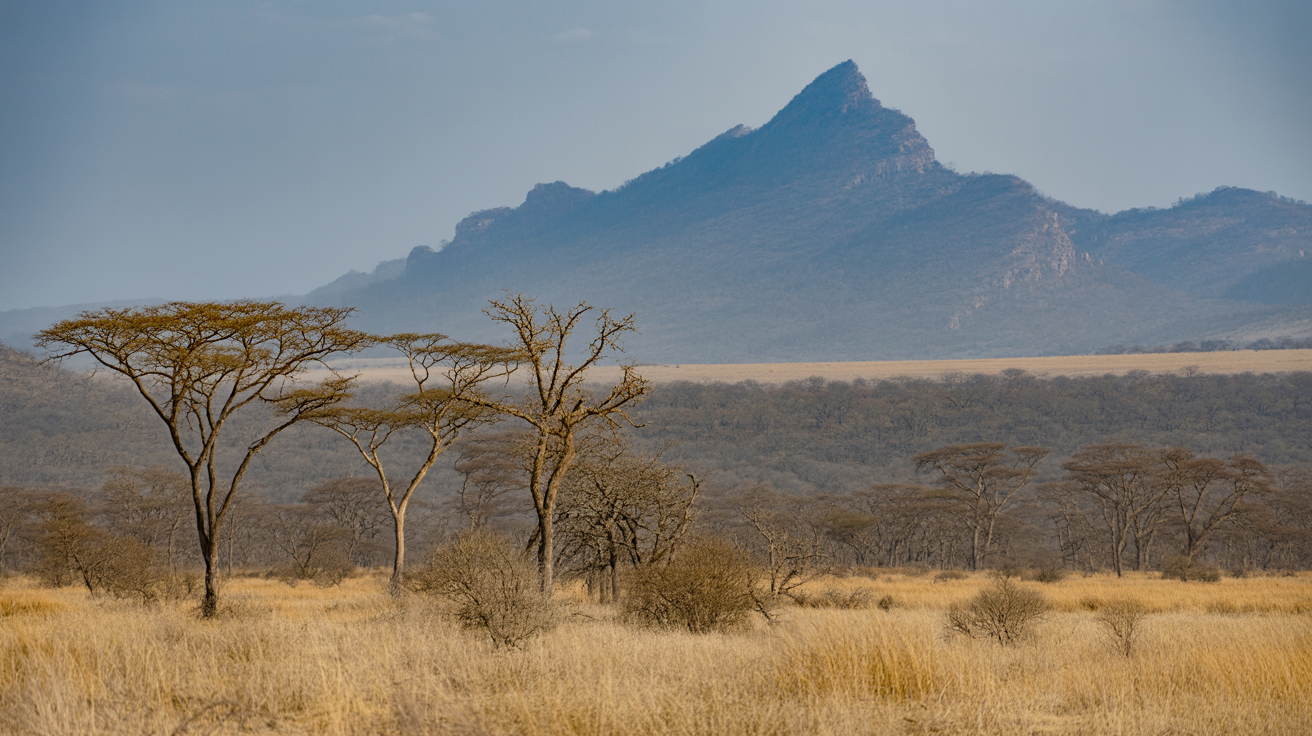
Savanna
Grasslands with scattered trees, characterized by seasonal rainfall and home to diverse grazing animals and predators.
 Various Continental Regions
Grassland
Open areas dominated by grasses rather than trees, supporting numerous herbivores and their predators.
 Global
Forest
Wooded areas with significant tree cover and diverse plant and animal communities.
Conservation
The Argentine Black and White Tegu is currently classified as Least Concern on the IUCN Red List.
Threats & challenges
While currently listed as Least Concern by the IUCN, Argentine Black and White Tegus face several localized threats. Habitat loss due to agricultural expansion, urbanization, and deforestation is a primary concern. They are hunted for their meat and skins, which are used in the leather trade, and are also collected for the international pet market. Invasive populations have established in regions such as the southeastern United States, where they threaten native wildlife by preying on eggs of ground-nesting birds and reptiles. Road mortality and persecution by humans (due to perceived threat to poultry and crops) also impact populations. Climate change poses a long-term risk by altering habitat suitability and seasonal cycles. Despite these pressures, their broad diet, high reproductive output, and adaptability have allowed populations to remain stable in much of their native range.
Taxonomy
Scientific name
Salvator merianae
- Kingdom
- Animalia
- Phylum
- Chordata
- Class
- Reptilia
- Order
- Squamata
- Family
- Teiidae
- Genus
- Salvator
- Species
- merianae
Community notes
Share your observations about the Argentine Black and White Tegu.
No community notes yet. Be the first!
Discover more wildlife
More fascinating animals from the encyclopedia.