
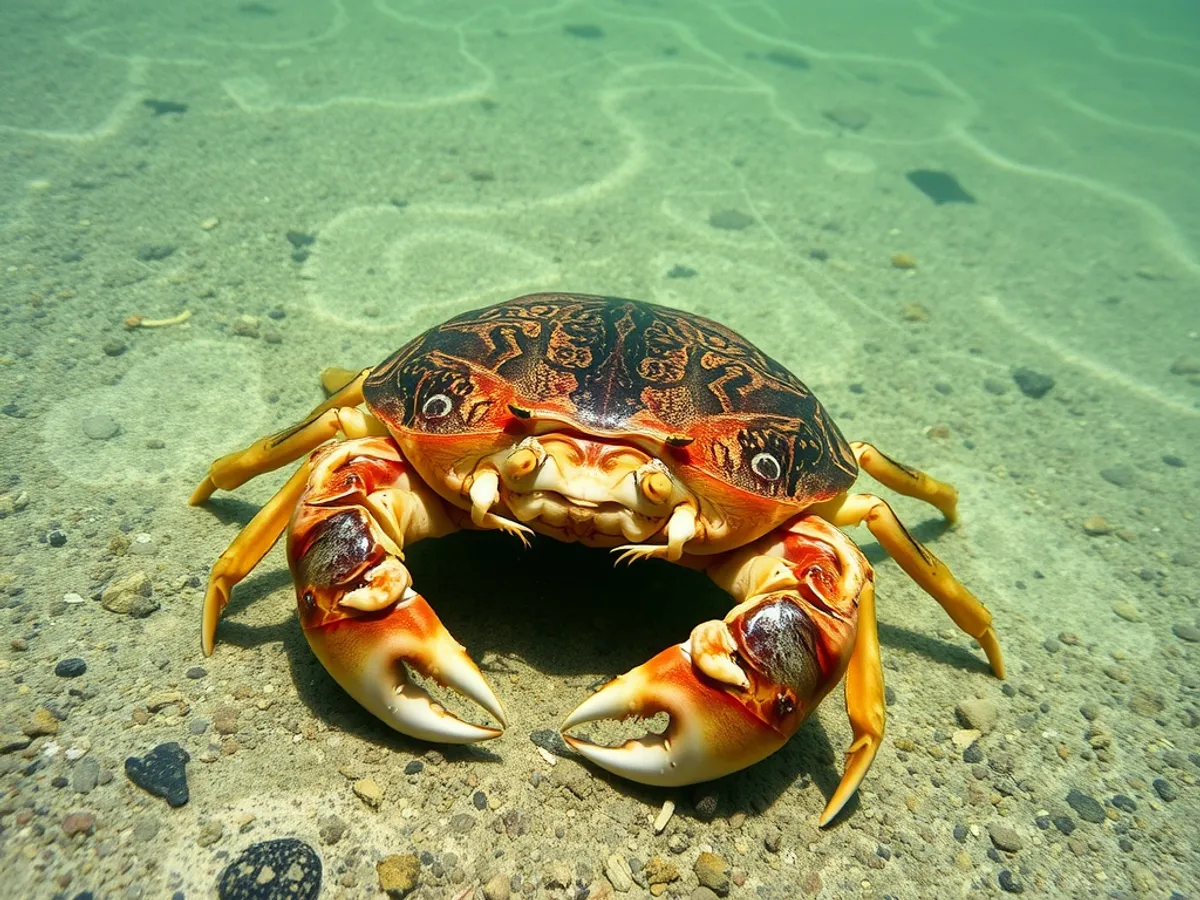
About the Atlantic Horseshoe Crab
The horseshoe crab is not a crab. It is closer to spiders and scorpions than to anything crustacean, and its body plan has run essentially unchanged for something like four hundred and fifty million years — it was old before the dinosaurs. Its blood is blue, because it carries oxygen with copper rather than iron, and it contains cells of extraordinary usefulness: they clot violently in the presence of bacterial endotoxin, in quantities almost too small to measure. That reaction was turned into a test, and it is now the global standard for checking that vaccines, injectable drugs and implanted devices are free of contamination — which means that essentially every injection given to a human being has been screened using the blood of this animal. Hundreds of thousands are caught each year, bled, and returned to the sea, a practice that is now under pressure as synthetic alternatives are developed. It has ten eyes, and every spring it comes ashore in huge numbers to spawn, feeding the shorebirds that time their migration to arrive exactly then.
Fascinating facts
Not a True Crab
Despite its name, the horseshoe crab is not a true crab but is more closely related to arachnids like spiders and scorpions.
Blue Blood
Their copper-based blue blood is crucial for the biomedical industry, as it clots in the presence of bacterial toxins.
Living Fossil
The Atlantic horseshoe crab has existed for over 450 million years, surviving several mass extinction events.
Detailed description
The Atlantic horseshoe crab (Limulus polyphemus) is a large, dome-shaped marine arthropod, typically measuring 40–60 cm (16–24 in) in length including its rigid, spike-like telson. Its body is divided into three main sections: the prosoma (head), opisthosoma (central body), and telson (tail spine). The prosoma is covered by a hard, horseshoe-shaped carapace with two compound lateral eyes and several simple eyes, providing both day and night vision. The ventral side features five pairs of walking legs, each equipped with pincers for manipulating food and digging. Horseshoe crabs breathe through book gills located on the opisthosoma, which also allow limited movement on land during spawning. Their copper-based blue blood contains amebocytes, crucial for detecting bacterial endotoxins, making it invaluable in biomedical testing. Atlantic horseshoe crabs are primarily nocturnal, burrowing into sediment during the day and emerging at night to feed. They are opportunistic omnivores, consuming worms, mollusks, small crustaceans, and detritus. Despite their ancient lineage, their basic body plan has remained unchanged for over 450 million years, earning them the title of 'living fossils.' They play a vital ecological role, serving as prey for migratory shorebirds and as hosts for various commensal organisms.
Did you know?
Atlantic horseshoe crab blood is so valuable to the medical industry that a quart can be worth thousands of dollars.
Research & sources
Wikipedia summary
The Atlantic horseshoe crab, also known as the American horseshoe crab, is a species of horseshoe crab, a kind of marine and brackish chelicerate arthropod. It is found in the Gulf of Mexico and along the Atlantic coast of North America. The main area of annual migration is Delaware Bay along the South Jersey Delaware Bayshore.
Behaviour & social structure
Atlantic horseshoe crabs are generally solitary but aggregate in large numbers during the spring spawning season. They are most active at night, using their legs to scavenge along the seafloor for food. Their feeding involves probing the sediment with their chelicerae and walking legs to uncover prey. Outside of breeding, they spend much of their time partially buried in sand or mud to avoid predators and desiccation. During high tides, especially around new and full moons, they migrate en masse to sandy beaches to spawn. Social interactions are mostly limited to breeding, where males use specialized front claws to grasp onto females. They exhibit homing behavior, often returning to the same beaches where they hatched.
Reproduction & life cycle
Reproduction occurs primarily in late spring and early summer, with peak spawning in May and June, especially in areas like Delaware Bay. Males arrive at spawning beaches first and wait for females, who release pheromones to attract them. Fertilization is external: the female digs a shallow nest and deposits up to 90,000 eggs in several clutches, while attached males fertilize them as they are laid. Multiple satellite males may also attempt to fertilize the eggs. There is no parental care after egg-laying. The eggs hatch in about 2–4 weeks, depending on temperature and salinity. Juveniles spend their first several years in shallow, protected estuaries before gradually moving to deeper waters as they mature, reaching sexual maturity at 9–12 years of age.
Adaptations & survival
Key adaptations include a tough, chitinous exoskeleton for protection, a long telson for righting themselves if overturned, and book gills for efficient oxygen exchange in both water and moist air. Their compound and simple eyes are sensitive to both visible and ultraviolet light, aiding navigation and spawning synchronization. The copper-based hemocyanin in their blood allows efficient oxygen transport in low-oxygen environments. Amebocytes in their blood provide a rapid immune response to pathogens. Their ability to tolerate wide ranges of salinity and temperature enables them to inhabit diverse coastal habitats. Behavioral adaptations include synchronized mass spawning, which increases reproductive success and predator satiation.
Cultural significance
Horseshoe crabs have been used for centuries by indigenous peoples as food, fertilizer, and tools. In modern times, their blood is critical for ensuring the safety of vaccines and medical devices, as it detects bacterial endotoxins with unmatched sensitivity. Their annual spawning event is a major ecological and ecotourism spectacle, especially in Delaware Bay, where it supports vast flocks of migratory shorebirds like the red knot. Horseshoe crabs also appear in local folklore and are sometimes considered symbols of longevity and resilience.
Recent research
Recent research has focused on sustainable harvesting practices and the development of synthetic alternatives to Limulus Amebocyte Lysate to reduce biomedical dependence. Genetic studies have revealed low diversity across populations, raising concerns about resilience to environmental change. Tagging and telemetry studies are improving understanding of migration, habitat use, and population connectivity. Horseshoe crabs are also model organisms for vision research due to their large, accessible optic nerves and unique photoreceptors. Ongoing conservation genetics and ecological monitoring projects aim to inform adaptive management strategies.
Videos
Habitat
Shallow coastal waters, estuaries, and tidal flats

Conservation
The Atlantic Horseshoe Crab is currently classified as Vulnerable on the IUCN Red List.
Threats & challenges
Major threats include overharvesting for bait in eel and whelk fisheries, biomedical bleeding (for Limulus Amebocyte Lysate production), habitat loss due to coastal development, and climate change affecting spawning beaches. Egg predation by birds and fish can also impact recruitment. While some populations remain stable, others, particularly in the northeast U.S., have declined significantly. Conservation measures include harvest restrictions, protected spawning beaches, and biomedical industry guidelines to reduce mortality. Ongoing monitoring is essential due to their ecological importance and slow maturation.
Taxonomy
Scientific name
Limulus polyphemus
- Kingdom
- Animalia
- Phylum
- Arthropoda
- Class
- Merostomata
- Order
- Xiphosurida
- Family
- Limulidae
- Genus
- Limulus
- Species
- polyphemus
Where to see an atlantic horseshoe crab
3 zoos and aquariums in 1 country are recorded as keeping this species.
 Georgia Aquarium🇺🇸 Atlanta, United States
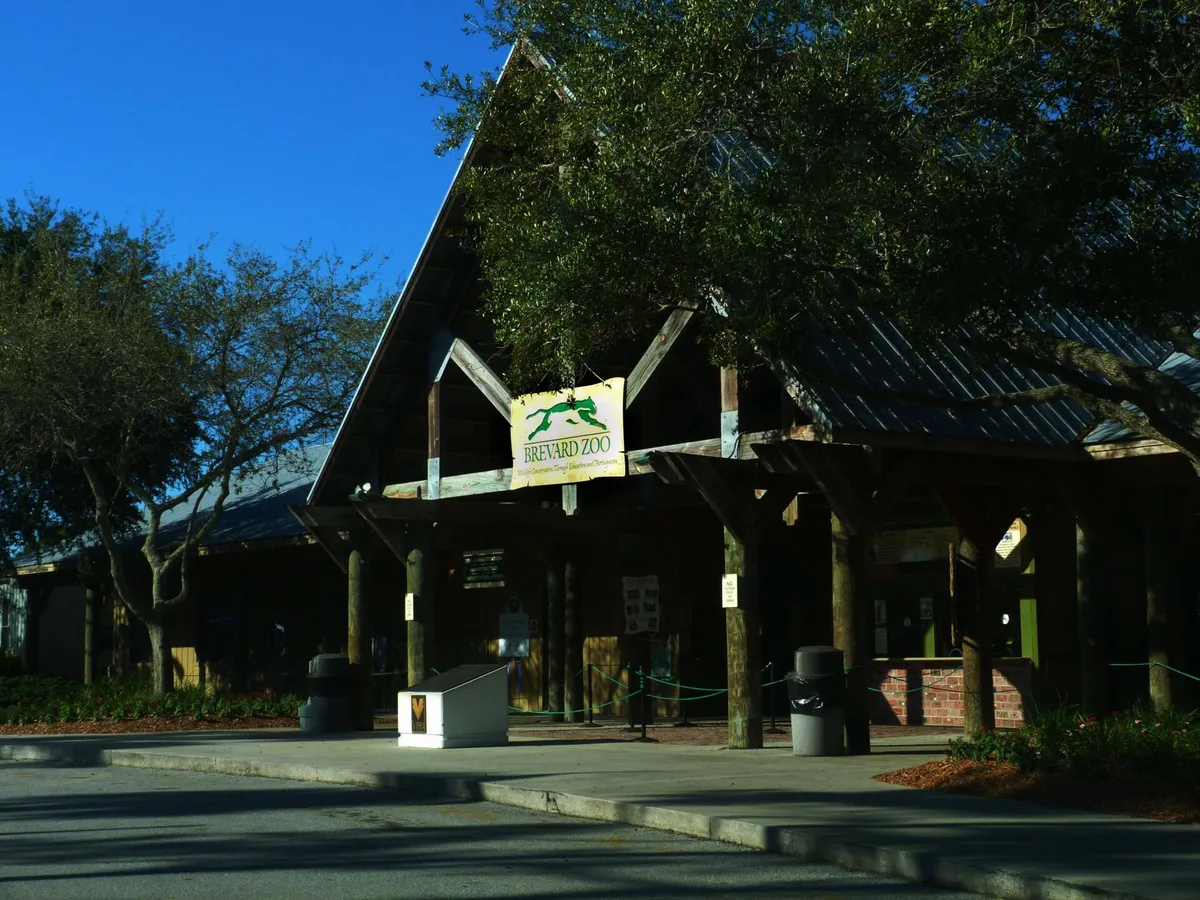 Brevard Zoo🇺🇸 Melbourne, United States
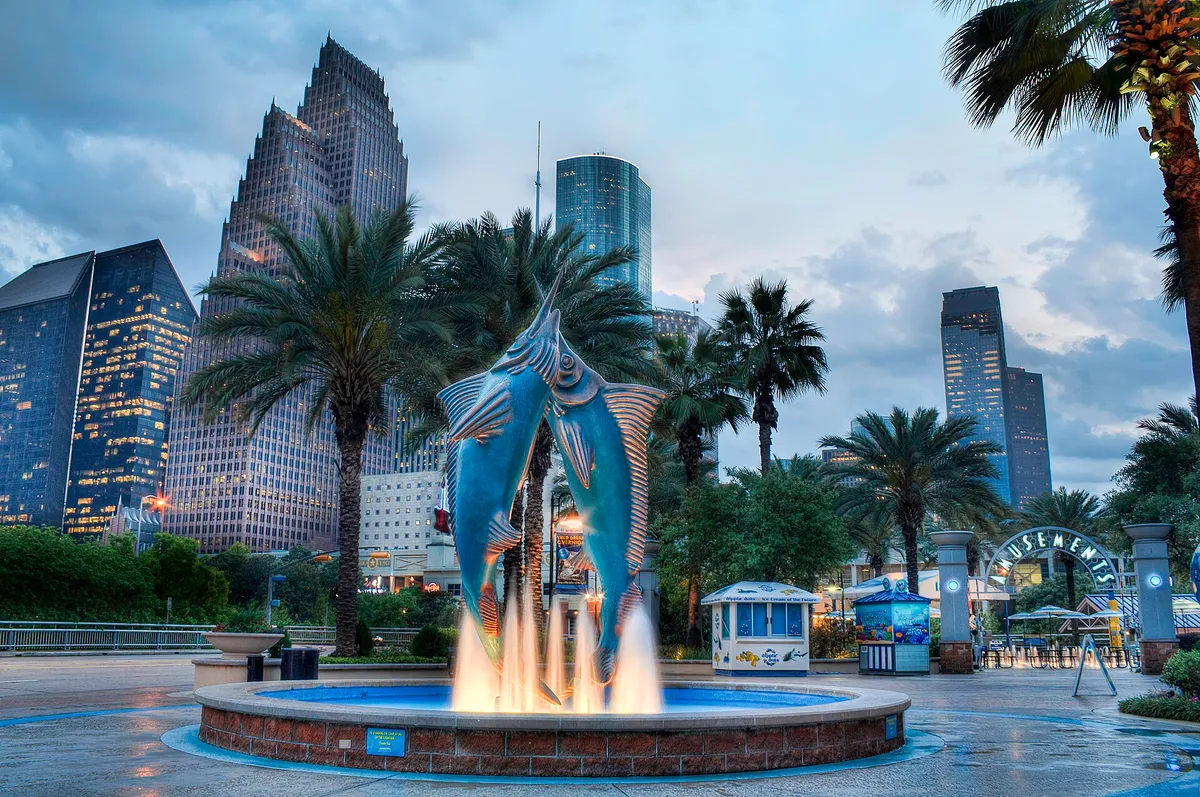 Downtown Aquarium🇺🇸 United States
Community notes
Share your observations about the Atlantic Horseshoe Crab.
No community notes yet. Be the first!
Discover more wildlife
More fascinating animals from the encyclopedia.