
About the Atlantic Tarpon
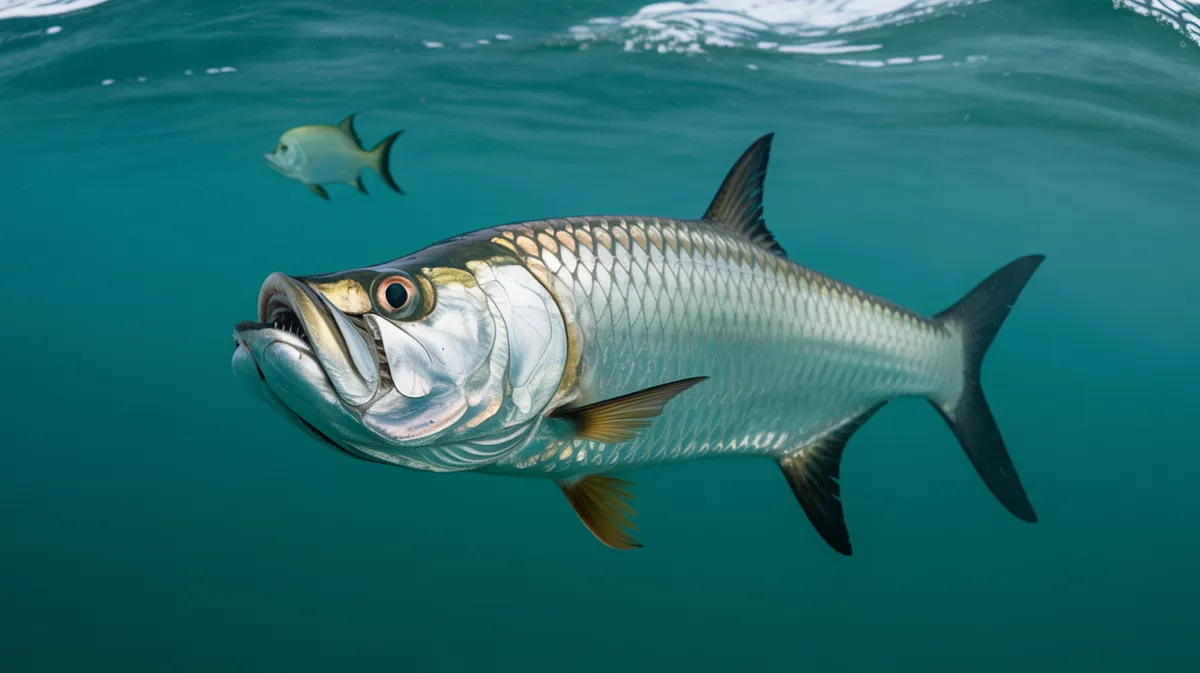
The tarpon is a large silver fish that breathes air. Its swim bladder connects to the oesophagus and is lined with spongy, alveolar-like tissue, so the fish gulps at the surface — anglers call it "rolling" — and can extract oxygen directly. This is not a curiosity: it is what lets juvenile tarpon survive in stagnant, near-anoxic mangrove pools and ditches where no predator can follow them, and those foul backwaters are the species' nursery. It is an ancient fish in a very literal sense: the larva is a leptocephalus, a transparent, ribbon-like, leaf-shaped creature almost identical to an eel's, marking tarpon as members of the Elopomorpha, a lineage that split off near the base of the modern bony fish. Adults exceed 2 m and 100 kg, live 50 to 80 years, and spawn offshore around new and full moons, with the ribbon larvae drifting back into the estuaries. Its mouth is a bony, unyielding bucket, which is why anglers lose most of the fish they hook.
Fascinating facts
Air Breather
Atlantic Tarpon possess a modified swim bladder that functions much like a lung, enabling them to breathe air at the surface.
Sport Fishing Icon
Known for spectacular leaps and powerful runs, tarpon are considered one of the top game fish for sport anglers.
Wide Range
They inhabit both marine and freshwater environments, ranging from the western Atlantic coasts of the Americas to the eastern Atlantic shores of Africa.
Detailed description
The Atlantic Tarpon (Megalops atlanticus) is a large, migratory fish renowned for its robust, streamlined body and striking, reflective silver scales, which can reach the size of a human palm. Adults commonly measure between 1.2 and 2.4 meters (4–8 feet) in length and can weigh up to 161 kg (355 lbs), though most individuals encountered are smaller. Its dorsal fin is elongated, with the last ray forming a distinctive filament, and its large, upturned mouth is adapted for surface feeding. The species possesses a unique, vascularized swim bladder that functions as an accessory respiratory organ, enabling it to gulp atmospheric oxygen—a crucial adaptation for survival in hypoxic (low-oxygen) environments such as stagnant lagoons and estuaries. Tarpon are known for their spectacular leaping ability, often clearing the water in dramatic displays, especially when threatened or hooked. They are primarily solitary or form loose aggregations, particularly during spawning migrations. Juveniles inhabit brackish or freshwater nursery habitats, where they are less vulnerable to predators. The Atlantic Tarpon is a long-lived species, with documented lifespans exceeding 50 years in the wild. Its ecological role as both predator and prey is vital in maintaining the balance of coastal and estuarine ecosystems.
Did you know?
Some Atlantic Tarpon have been recorded living for over 50 years in the wild, making them one of the longest-lived fish species.
Research & sources
Behaviour & social structure
Atlantic Tarpon are primarily crepuscular, exhibiting peak activity during dawn and dusk. They are opportunistic carnivores, feeding on a variety of prey including fish (such as mullet and sardines), crustaceans, and occasionally insects. Tarpon employ a suction feeding strategy, rapidly expanding their mouths to engulf prey. Juveniles often feed on zooplankton and small invertebrates. While generally solitary, tarpon may form loose schools, especially during spawning migrations or when congregating in areas of abundant food. They are known for their surface rolling behavior, which is associated with air gulping to supplement oxygen intake. Tarpon are highly migratory, with some populations undertaking seasonal movements of hundreds of kilometers, often linked to changes in water temperature and salinity. They are also noted for their wariness and sensitivity to disturbances, making them challenging quarry for anglers.
Reproduction & life cycle
Atlantic Tarpon exhibit broadcast spawning, where females release millions of eggs into open water, typically offshore in warm, saline environments. Spawning occurs seasonally, with peaks varying regionally—generally from late spring to early summer in the Gulf of Mexico and Caribbean. Fertilized eggs hatch into leptocephalus larvae, a transparent, ribbon-like stage that drifts with currents toward coastal nursery habitats. The leptocephalus stage lasts several weeks, after which larvae metamorphose into juvenile tarpon. There is no parental care; survival depends on the availability of suitable nursery habitats, such as mangrove swamps and tidal creeks, which provide shelter from predators. Sexual maturity is reached at 6–13 years of age, with females typically maturing later and growing larger than males. Tarpon are highly fecund, with a single female capable of producing up to 12 million eggs per spawning event.
Adaptations & survival
The Atlantic Tarpon's most notable adaptation is its modified swim bladder, which acts as a primitive lung, allowing it to extract oxygen from air. This adaptation enables tarpon to thrive in hypoxic waters where few predators can follow. Their large, reflective scales provide both protection and camouflage by scattering light in turbid waters. The elongated dorsal fin filament may play a role in social signaling or hydrodynamics. Juvenile tarpon are highly tolerant of fluctuating salinity and can inhabit freshwater, brackish, and marine environments, increasing their survival prospects. Their powerful musculature and streamlined body facilitate rapid bursts of speed and acrobatic leaps, aiding in predator evasion and prey capture. The leptocephalus larval stage is an adaptation for dispersal, allowing young tarpon to exploit distant nursery habitats.
Cultural significance
The Atlantic Tarpon holds significant cultural and economic value, especially in the Caribbean, Gulf of Mexico, and southeastern United States. It is revered as a premier game fish, often called the 'Silver King' for its size and fighting prowess. Tarpon fishing tournaments attract anglers worldwide, contributing to local economies through ecotourism. In some Caribbean cultures, tarpon are featured in folklore and are symbols of strength and endurance. Historically, their large scales were used as decorative items or in jewelry. Modern conservation efforts have elevated the tarpon's status as a flagship species for coastal habitat protection.
Recent research
Recent research has focused on tarpon migratory behavior using satellite and acoustic tagging, revealing complex, long-distance movements across international boundaries. Studies on the species' genetic diversity indicate distinct regional populations, underscoring the need for coordinated management. Ongoing investigations are examining the physiological mechanisms underlying their air-breathing ability and tolerance to hypoxia. Conservation research has highlighted the importance of mangrove and estuarine habitats for juvenile survival, leading to habitat restoration initiatives. There is also growing interest in understanding the effects of climate change on tarpon distribution and reproductive timing.
Sources
Megalops atlanticus: Biology and Conservation
Crabtree, R.E., Cyr, E.C., & Chacon-Chaverri, D. (1995)
scientificMegalops atlanticus: Biology, Ecology, and Conservation
Crabtree, R.E., Cyr, E.C., Chavarria, K.L., McLarney, W.O., Dean, J.M. (1995)
scientificVideos
Habitat
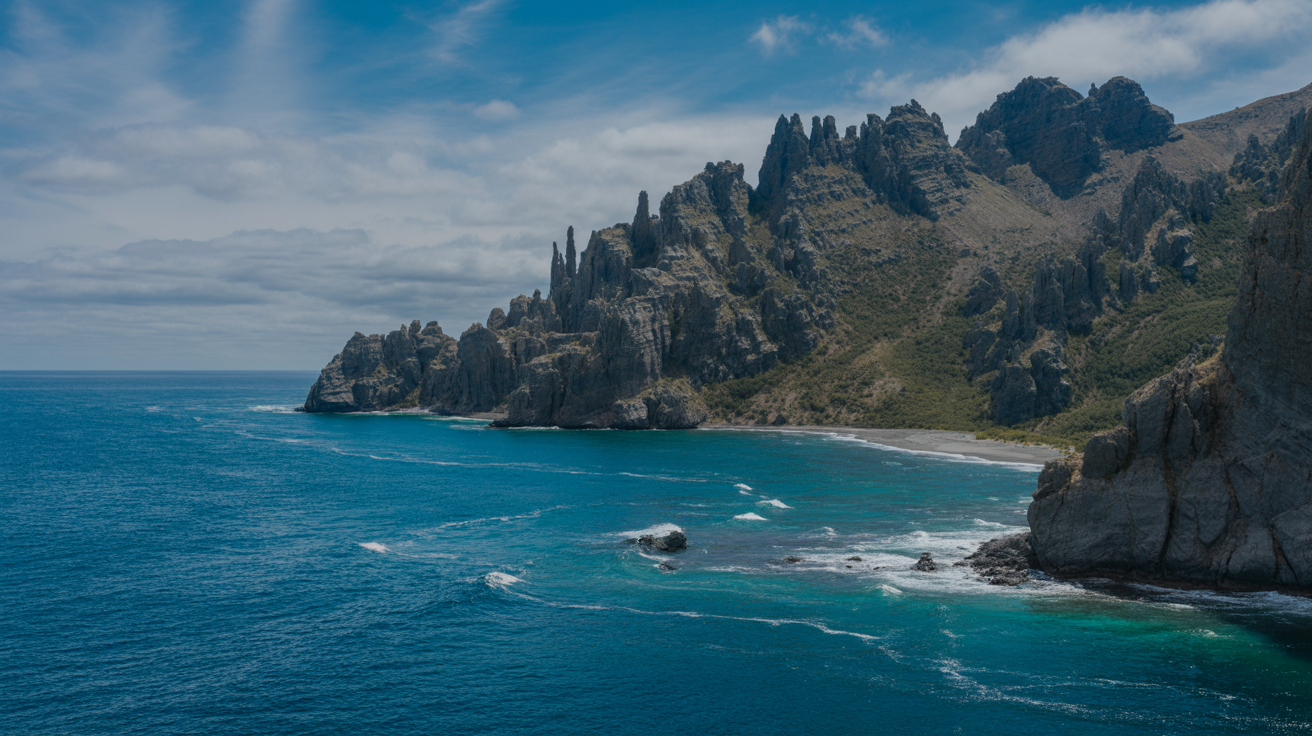
Coastal waters, estuaries, lagoons, and occasionally freshwater rivers

Conservation
The Atlantic Tarpon is currently classified as Vulnerable on the IUCN Red List.
Threats & challenges
Atlantic Tarpon populations face several threats, including habitat loss due to coastal development, mangrove deforestation, and water pollution, which degrade critical nursery areas. Overfishing, particularly in regions where tarpon are harvested for food or bait, has contributed to local declines. Although catch-and-release sport fishing is common, improper handling can result in significant post-release mortality. Climate change poses additional risks by altering spawning cues, migration patterns, and the distribution of suitable habitats. The species is currently listed as Vulnerable by the IUCN, with population trends showing declines in some areas. Conservation efforts focus on habitat protection, fishing regulations, and public education to promote sustainable practices.
Taxonomy
Scientific name
Megalops atlanticus
- Kingdom
- Animalia
- Phylum
- Chordata
- Class
- Actinopterygii
- Order
- Elopiformes
- Family
- Megalopidae
- Genus
- Megalops
- Species
- atlanticus
Community notes
Share your observations about the Atlantic Tarpon.
No community notes yet. Be the first!
Discover more wildlife
More fascinating animals from the encyclopedia.