
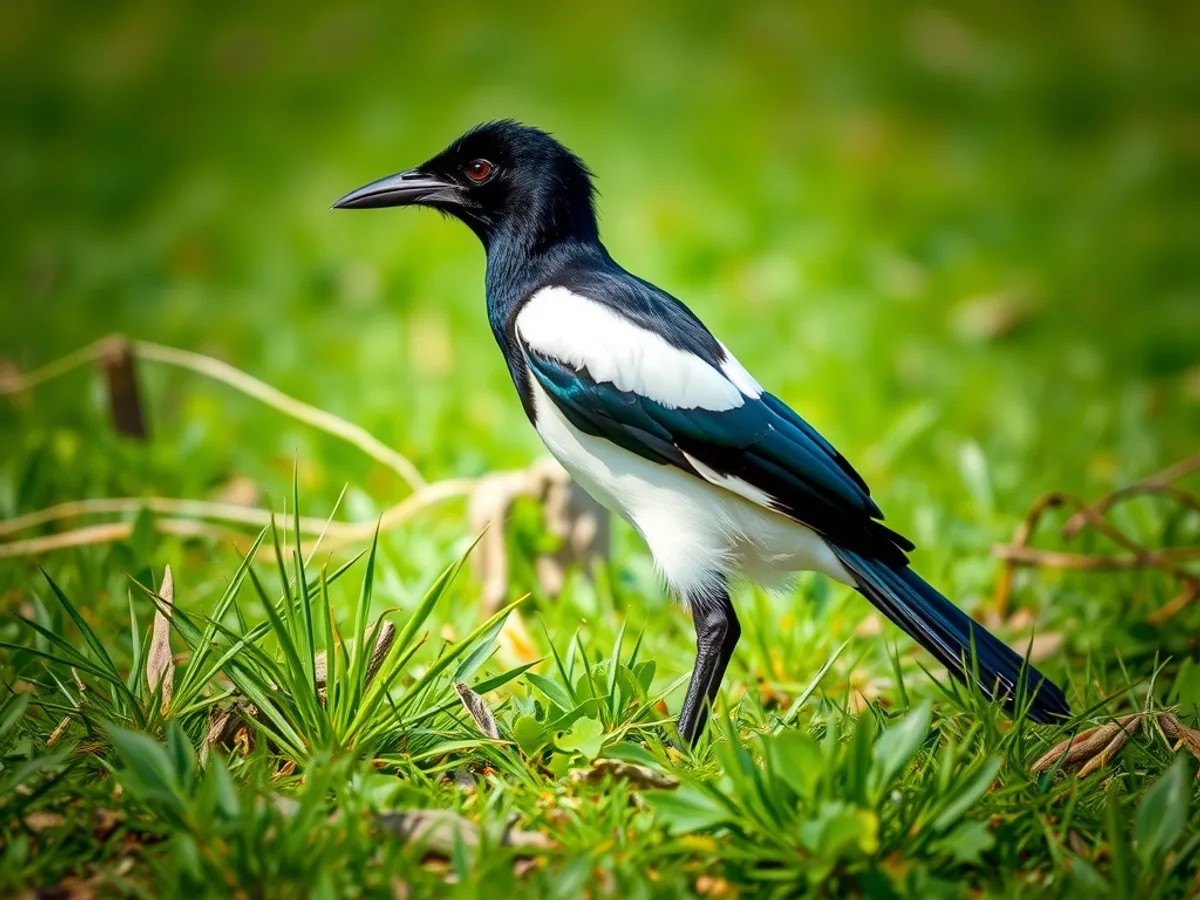
About the Australian Magpie
The Australian magpie is not a magpie and is not a crow: it belongs to the Artamidae, alongside butcherbirds and currawongs, and its resemblance to the European magpie is pure convergence in a black-and-white bird. Its carolling is one of the most complex songs of any bird, a fluting, organ-like improvisation that a group may perform together at dawn, and it is a good mimic — captive birds have reproduced human speech, dog barks and car alarms. It hunts by listening: it stands still on a lawn, head cocked, and detects scarab larvae moving under the turf, then drives its bill straight down. The infamous swooping season lasts only a few weeks and involves a small minority of birds — roughly one in ten males — and those birds are not attacking indiscriminately. Magpies recognise individual human faces and remember them for years, and a swooping male typically targets specific people it has decided are threats while ignoring others walking the same path.
Fascinating facts
Vocal Virtuosos
Australian Magpies have a rich and complex vocal repertoire, considered one of the most beautiful among songbirds. Their calls serve to establish territory and communicate within social groups.
Territorial Swooping
During nesting season (spring), magpies sometimes swoop at people or animals who come too close to their nests, a behavior that has become a notorious aspect of Australian wildlife.
Remarkable Intelligence
Studies have shown Australian Magpies can recognize themselves in mirrors, use tools, and form complex social groups, indicating high cognitive abilities.
Detailed description
The Australian Magpie (Gymnorhina tibicen) is a robust, medium-sized passerine, measuring 37–43 cm in length with a wingspan of 65–85 cm and weighing between 220–350 grams. Its plumage is a distinctive pattern of glossy black and white, with regional variation among the nine recognized subspecies, particularly in the extent of white on the nape, back, and rump. The species exhibits sexual monomorphism, though males are typically slightly larger and have whiter napes. The magpie’s strong, wedge-shaped bill is pale bluish-white with a black tip, adapted for probing and prising prey from the ground. Its eyes are reddish-brown, providing keen vision for spotting food and predators. Australian Magpies are highly vocal, producing complex, flute-like songs that serve both territorial and social functions; individuals can recognize over 30 different calls. Socially, they are cooperative breeders, forming stable groups of 3–24 individuals, often consisting of a dominant breeding pair and several helpers. These birds are primarily terrestrial, spending much of their time foraging on the ground for invertebrates, small vertebrates, and plant material. They are known for their intelligence, problem-solving abilities, and capacity for individual human recognition. During the breeding season, magpies become highly territorial, with some individuals engaging in defensive swooping behavior to deter perceived threats near nests. Their adaptability allows them to thrive in a wide range of habitats, including urban environments, where they have become a familiar and charismatic presence.
Did you know?
Australian Magpies are among the most intelligent birds, capable of using tools and solving complex problems.
Research & sources
Wikipedia summary
The Australian magpie is a black and white passerine bird native to Australia and southern New Guinea, and introduced to New Zealand, and the Fijian island of Taveuni. Although once considered to be three separate species, it is now considered to be one, with nine recognised subspecies. A member of the Artamidae, the Australian magpie is placed in its own genus Gymnorhina and is most closely related to the black butcherbird. It is not closely related to the Eurasian magpie, which is a corvid.
Behaviour & social structure
Australian Magpies are diurnal and spend the majority of daylight hours foraging on the ground, using their strong bills to probe soil and leaf litter for insects, spiders, worms, and occasionally small reptiles or mammals. They supplement their diet with seeds, grains, and occasionally human food scraps in urban areas. Magpies maintain and defend territories year-round, with group members participating in sentinel behavior, watching for predators while others feed. Social interactions within groups are complex, involving allopreening, vocal duetting, and cooperative defense against intruders. Their vocal repertoire is among the most sophisticated of any songbird, with individuals capable of mimicking other bird species and environmental sounds. Daily routines include communal singing at dawn and dusk, which reinforces group cohesion and territorial boundaries. Aggressive swooping, predominantly by males, is most frequent during the nesting season and is directed at perceived threats, including humans and other animals.
Reproduction & life cycle
Breeding occurs from July to December, with timing varying by latitude and local conditions. Australian Magpies are socially monogamous, forming long-term pair bonds, but extra-pair copulations have been documented. The female constructs a large, bowl-shaped nest of sticks lined with softer materials, typically placed 5–15 meters above ground in a tree fork. Clutch size ranges from 2–5 pale blue or greenish eggs, which are incubated solely by the female for 20–21 days. After hatching, both parents and often several helpers feed the chicks, which fledge at around 3–4 weeks of age. Juveniles remain dependent on the group for several months, learning foraging and social skills. Cooperative breeding is common, with non-breeding group members assisting in feeding and defending the young, increasing reproductive success.
Adaptations & survival
Australian Magpies possess several adaptations for their ground-foraging lifestyle, including long, strong legs for walking and running, and a robust bill for probing soil. Their keen eyesight aids in detecting prey and predators. Social cooperation enhances territory defense and chick survival, while their complex vocalizations facilitate communication and social bonding. Behavioral flexibility allows them to exploit urban environments, utilizing novel food sources and nesting sites. Their aggressive territoriality during breeding season is an effective deterrent against nest predators. Magpies also demonstrate advanced cognitive abilities, such as tool use, individual recognition (including humans), and problem-solving, which are rare among passerines.
Cultural significance
The Australian Magpie holds a prominent place in Australian culture, featured in folklore, literature, and popular music. Its melodious song is celebrated as a symbol of the Australian bush, and the bird is the mascot for several sports teams, most notably the Collingwood Football Club. Magpies appear in Aboriginal mythology, often as creators or tricksters, and their behaviors are used in traditional ecological knowledge. The annual 'magpie swooping season' is a well-known phenomenon, with public awareness campaigns and community strategies to mitigate human-wildlife conflict. In New Zealand, where the species was introduced, it is sometimes regarded as a pest due to its impact on native birds.
Recent research
Recent research has focused on the magpie’s cognitive abilities, revealing advanced problem-solving skills, social learning, and the capacity for mirror self-recognition—a trait rare among birds. Studies have documented individual magpies’ ability to recognize and remember human faces, adjusting their behavior accordingly. Genetic analyses have clarified subspecies boundaries and evolutionary relationships, confirming the magpie’s closest relatives are the butcherbirds (Cracticus spp.), not the Eurasian magpie (Pica pica). Ongoing research investigates the ecological impacts of urbanization, vocal communication complexity, and the role of cooperative breeding in reproductive success. Long-term banding studies have provided insights into lifespan (up to 25 years in the wild), dispersal, and social structure.
Sources
Handbook of the Birds of the World, Vol. 14: Bush-shrikes to Old World Sparrows
del Hoyo, J., Elliott, A., & Christie, D.A. (eds.) (2009)
scientificGymnorhina tibicen: The IUCN Red List of Threatened Species 2018
BirdLife International (2018)
conservationVideos
Habitat
Open woodlands, grasslands, urban parks, and suburban areas
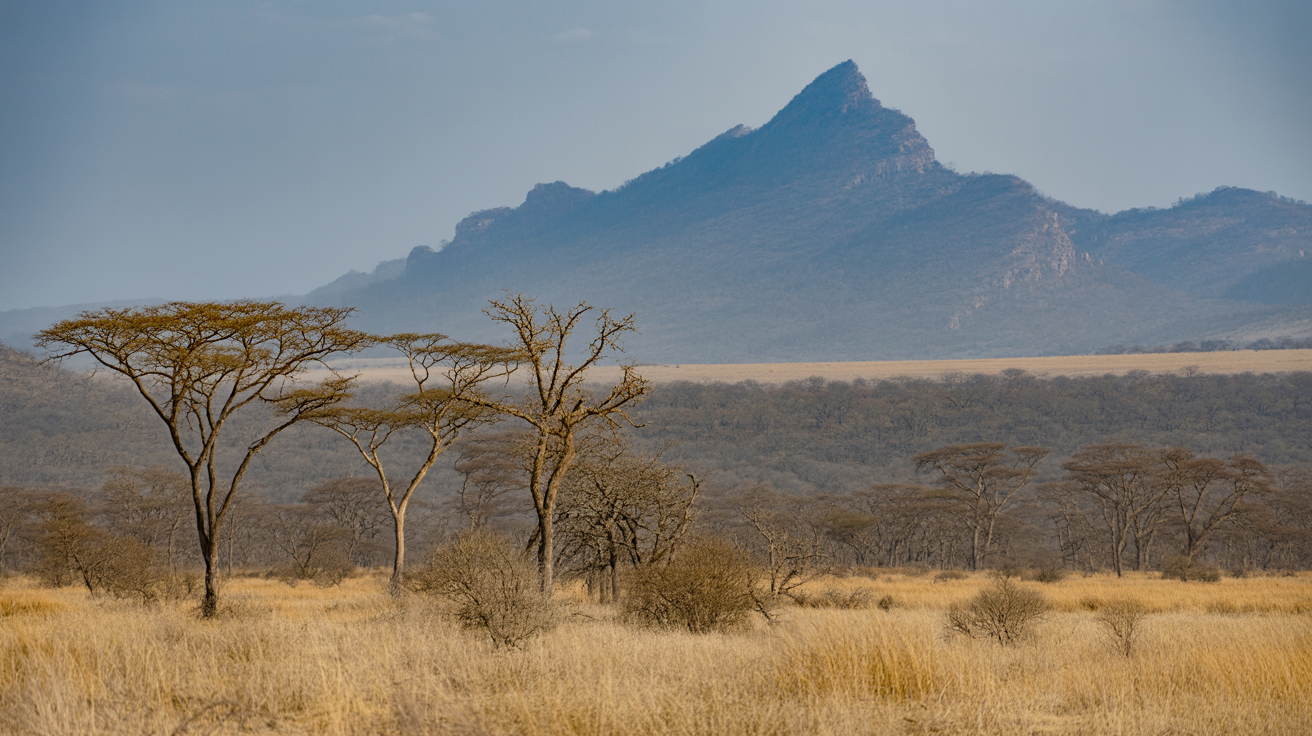 Africa
Savanna
Grasslands with scattered trees, characterized by seasonal rainfall and home to diverse grazing animals and predators.
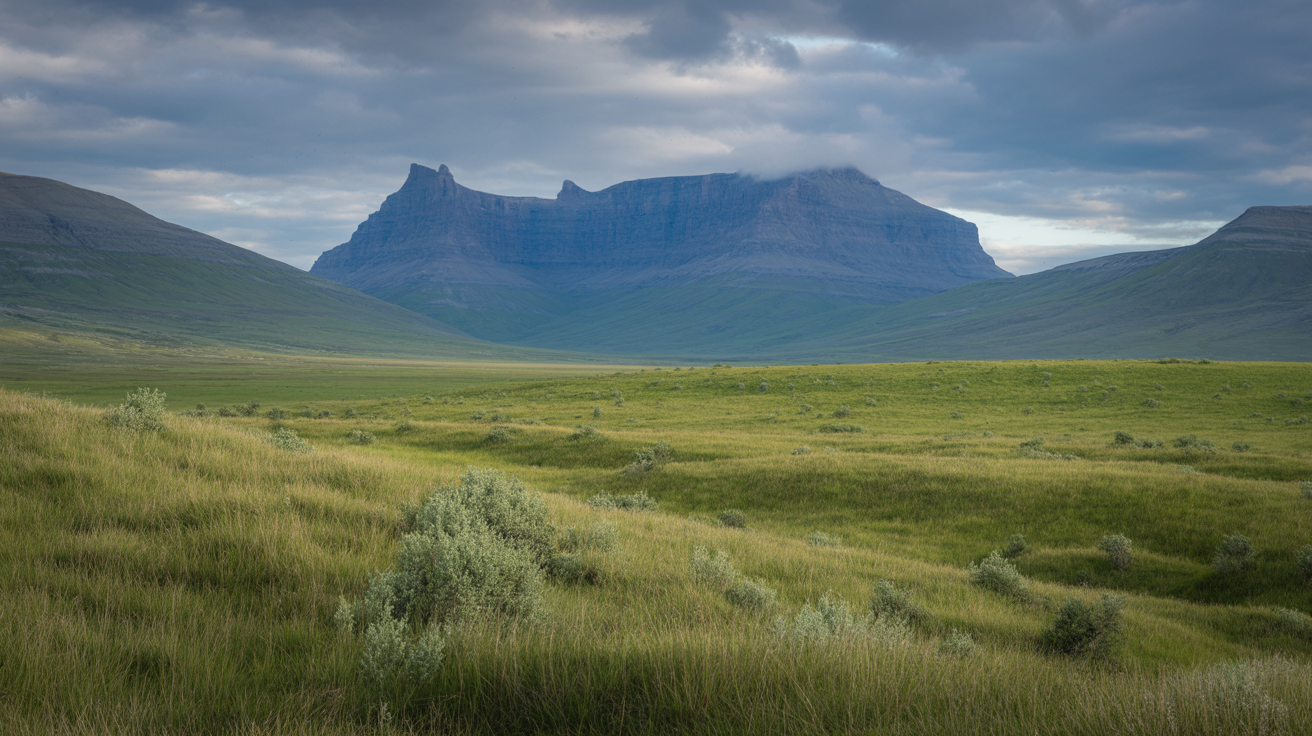 Various Continental Regions
Grassland
Open areas dominated by grasses rather than trees, supporting numerous herbivores and their predators.
 Global
Forest
Wooded areas with significant tree cover and diverse plant and animal communities.
Conservation
The Australian Magpie is currently classified as Least Concern on the IUCN Red List.
Threats & challenges
Overall, the Australian Magpie is classified as Least Concern due to its large, stable population and adaptability. However, threats include habitat loss from urban expansion, vehicle collisions, and predation by introduced species such as cats and foxes. In some areas, persecution by humans occurs due to aggressive swooping behavior. Urban populations may face risks from poisoning, entanglement in litter, and disease. Despite these challenges, the species has shown remarkable resilience and even population increases in modified landscapes. Long-term monitoring is necessary to detect potential declines, especially in regions facing rapid environmental change.
Taxonomy
Scientific name
Gymnorhina tibicen
- Kingdom
- Animalia
- Phylum
- Chordata
- Class
- Aves
- Order
- Passeriformes
- Family
- Artamidae
- Genus
- Gymnorhina
- Species
- tibicen
Community notes
Share your observations about the Australian Magpie.
No community notes yet. Be the first!
Discover more wildlife
More fascinating animals from the encyclopedia.