
About the Ball Python
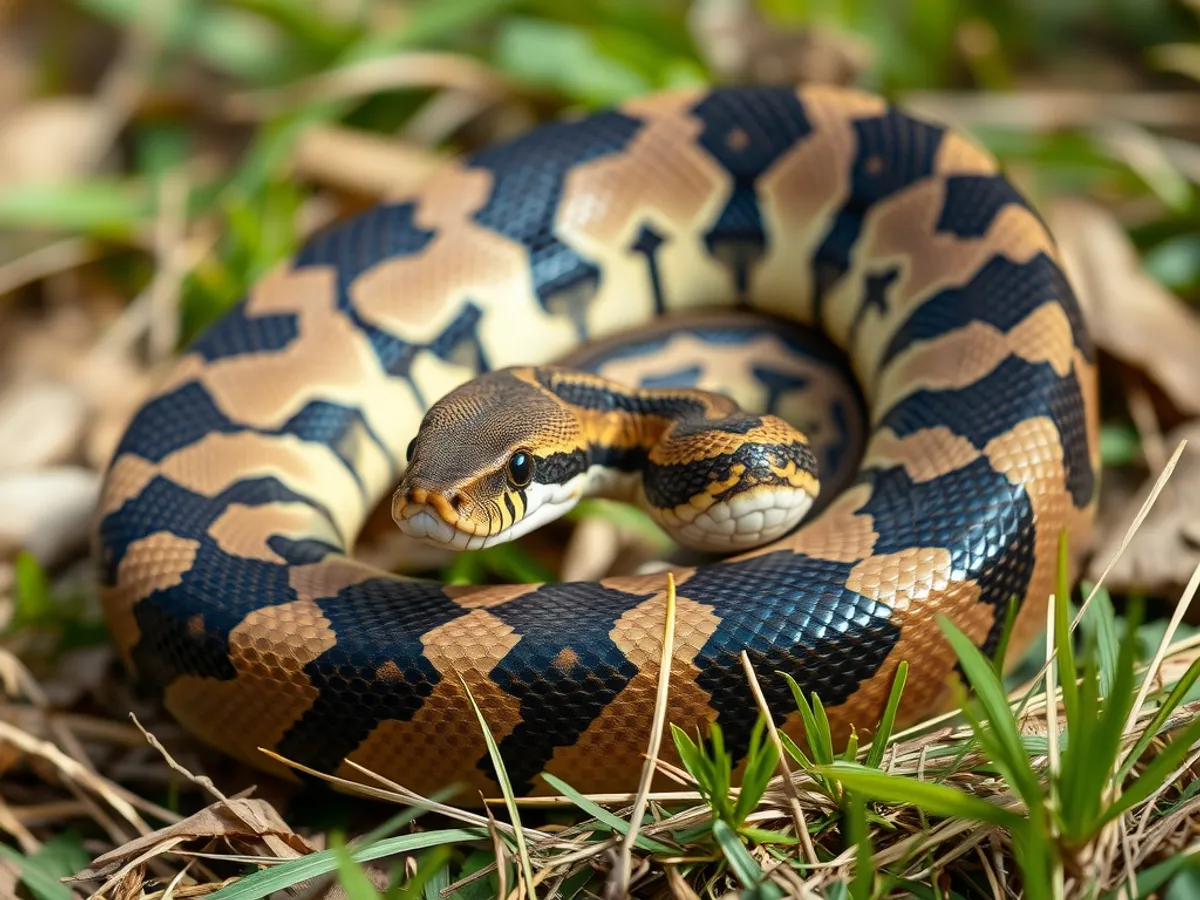
The ball python is named for its defence: rather than strike, it tucks its head into the centre of its coils and rolls into a tight ball that a predator struggles to open. It is a small, slow, mild African python — rarely over 1.5 m — and it is now the most heavily traded live African animal in the world, exported by the hundreds of thousands from Togo, Benin and Ghana under a system where wild-gravid females are collected, their eggs hatched, and a portion of the young released. In captivity, selective breeding has produced well over 8,000 documented colour and pattern morphs, an intensity of designer breeding matched by almost no other reptile — and it has surfaced real welfare problems, because the popular "spider" morph is inseparably linked to a neurological head-wobble. Its heat-sensing labial pits let it strike accurately at warm-blooded prey in total darkness. Females coil around the clutch and shiver to warm it, fasting for the roughly two months of incubation.
Fascinating facts
Defensive Ball
When threatened, the Ball Python coils tightly into a ball with its head protected in the center, a unique defensive posture among snakes.
Rodent Diet
Ball Pythons are strict carnivores, primarily feeding on small mammals such as rats and mice in the wild.
Many Morphs
Selective breeding has resulted in hundreds of unique color and pattern morphs in captive Ball Pythons, ranging from bright yellows to deep blues.
Detailed description
The ball python (Python regius) is a small to medium-sized constrictor, typically reaching adult lengths of 90–120 cm (3–4 ft), with exceptional individuals growing up to 182 cm (6 ft). It has a robust, muscular body with a relatively small, triangular head and smooth, glossy scales. The dorsal coloration is highly variable, but wild-type individuals display dark brown to black blotches on a lighter brown or gold background, providing effective camouflage in their native habitats. The ventral surface is pale, often white or cream, with irregular dark markings. Ball pythons possess heat-sensitive pits along their upper lip, enabling them to detect warm-blooded prey even in complete darkness. Their eyes have vertical pupils, an adaptation for nocturnal activity. Unlike many other pythons, they are primarily terrestrial and spend much of their time in abandoned mammal burrows or termite mounds. When threatened, they exhibit a unique defensive behavior: curling tightly into a ball with the head protected in the center, rather than striking. This species is known for its docile temperament and is generally solitary outside of the breeding season. Ball pythons are long-lived, with lifespans exceeding 20–30 years in captivity and potentially over 10 years in the wild.
Did you know?
In some parts of West Africa, Ball Pythons are revered and considered symbols of good fortune and protection.
Research & sources
Wikipedia summary
The ball python, also called the royal python, is a python species native to West and Central Africa, where it lives in grasslands, shrublands and open forests. This nonvenomous constrictor is the smallest of the African pythons, growing to a maximum length of 182 cm (72 in). The name "ball python" refers to its tendency to curl into a ball when stressed or frightened.
Behaviour & social structure
Ball pythons are predominantly nocturnal and crepuscular, becoming most active at dusk and during the night. They are ambush predators, relying on stealth and patience to capture prey rather than active pursuit. Using their heat-sensing pits, they detect small mammals and birds, striking rapidly and constricting their prey until suffocation occurs. Feeding frequency varies with age and environmental conditions; juveniles may eat every 7–10 days, while adults may feed less frequently. In the wild, ball pythons spend much of the day concealed in burrows or under dense vegetation to avoid predators and extreme temperatures. They are solitary animals, only coming together for breeding. Social interactions are minimal, and they do not exhibit territoriality. When disturbed, their primary defense is to coil into a tight ball, a behavior that minimizes injury risk and makes them less conspicuous to predators.
Reproduction & life cycle
Ball pythons are oviparous, with breeding typically occurring during the rainy season (generally November to March in West Africa). Males locate receptive females by following pheromone trails. Courtship involves tactile stimulation, with males using their vestigial pelvic spurs to stroke the female. After successful copulation, females lay clutches of 3–11 eggs (average 6), usually in concealed, humid locations such as abandoned burrows. Females exhibit maternal care by coiling around the eggs to regulate temperature and humidity, occasionally shivering to generate heat (shivering thermogenesis). Incubation lasts 55–70 days at optimal temperatures (31–32°C/88–90°F). Hatchlings emerge fully independent, measuring 25–43 cm (10–17 in) and immediately capable of hunting small prey. There is no parental care beyond egg attendance.
Adaptations & survival
Ball pythons have evolved several adaptations for survival in their savanna and forest-edge habitats. Their cryptic coloration provides camouflage against leaf litter and soil. The ability to sense infrared radiation via labial pits allows them to hunt endothermic prey in low-light conditions. Their muscular bodies and prehensile tails facilitate movement through dense undergrowth and occasional climbing. The unique balling behavior is a defensive adaptation, reducing vulnerability to predators by protecting the head and vital organs. Physiologically, they can endure extended periods without food—sometimes several months—by lowering their metabolic rate, an adaptation to the seasonal availability of prey. Their reproductive strategy, including maternal incubation, enhances offspring survival in fluctuating environmental conditions.
Cultural significance
Ball pythons hold cultural significance in several West African societies. In parts of Benin, Togo, and Ghana, they are revered as sacred animals associated with royalty and spiritual protection. The species is sometimes linked to fertility and is featured in local myths and rituals. In some communities, harming or killing a ball python is taboo, and individuals found in homes are ceremoniously returned to the wild. Conversely, in other regions, they are hunted for food or used in traditional medicine. Globally, the ball python is one of the most popular pet snakes due to its manageable size, calm demeanor, and the wide variety of color and pattern morphs selectively bred in captivity.
Recent research
Recent research has focused on the genetic diversity of wild and captive populations, with concerns about the impact of selective breeding on genetic health. Studies have also examined the physiological mechanisms underlying shivering thermogenesis in egg incubation. Conservation research is ongoing to assess population status, trade impacts, and the effectiveness of community-based management programs in West Africa. Additionally, ball pythons have been used as model organisms for studying reptilian thermoregulation, stress physiology, and the effects of captivity on behavior and health. Advances in molecular genetics have facilitated the identification of new morphs and the understanding of inheritance patterns in captive breeding.
Videos
Habitat
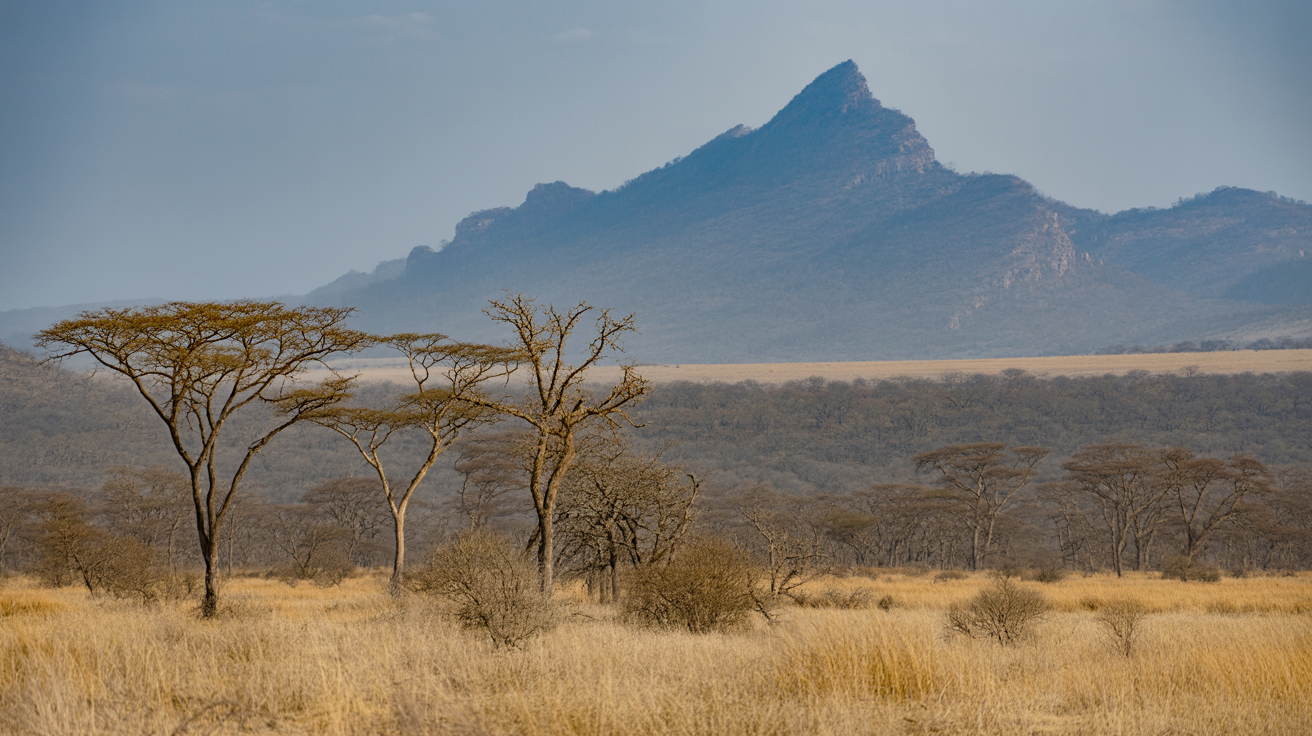
Grasslands, savannas, and open forests
 Africa
Savanna
Grasslands with scattered trees, characterized by seasonal rainfall and home to diverse grazing animals and predators.
 Various Continental Regions
Grassland
Open areas dominated by grasses rather than trees, supporting numerous herbivores and their predators.
 Global
Forest
Wooded areas with significant tree cover and diverse plant and animal communities.
Conservation
The Ball Python is currently classified as Least Concern on the IUCN Red List.
Threats & challenges
The primary threats to wild ball python populations include habitat loss due to agricultural expansion, deforestation, and urbanization. Over-collection for the international pet trade and for local use as bushmeat or traditional medicine also exerts significant pressure, particularly in West Africa. While the species is still relatively widespread, localized declines have been reported, and some populations are considered at risk. Ball pythons are listed as Near Threatened by the IUCN (2022) and included in CITES Appendix II, regulating international trade. Conservation challenges include inadequate enforcement of trade regulations, lack of population monitoring, and the need for sustainable management practices in range countries.
Taxonomy
Scientific name
Python regius
- Kingdom
- Animalia
- Phylum
- Chordata
- Class
- Reptilia
- Order
- Squamata
- Family
- Pythonidae
- Genus
- Python
- Species
- regius
Where to see a ball python
19 zoos and aquariums in 3 countries are recorded as keeping this species.
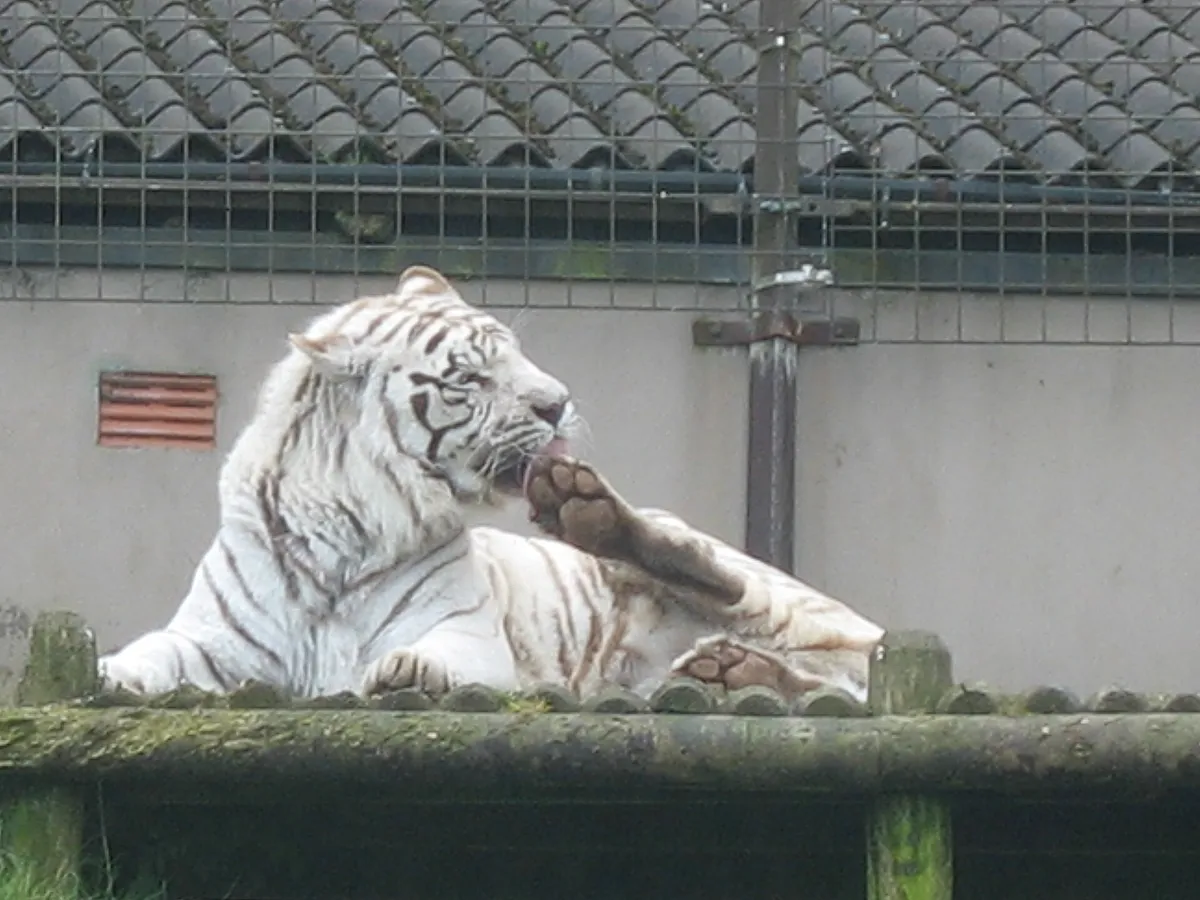 Belfast Zoo🇬🇧 Belfast, United Kingdom
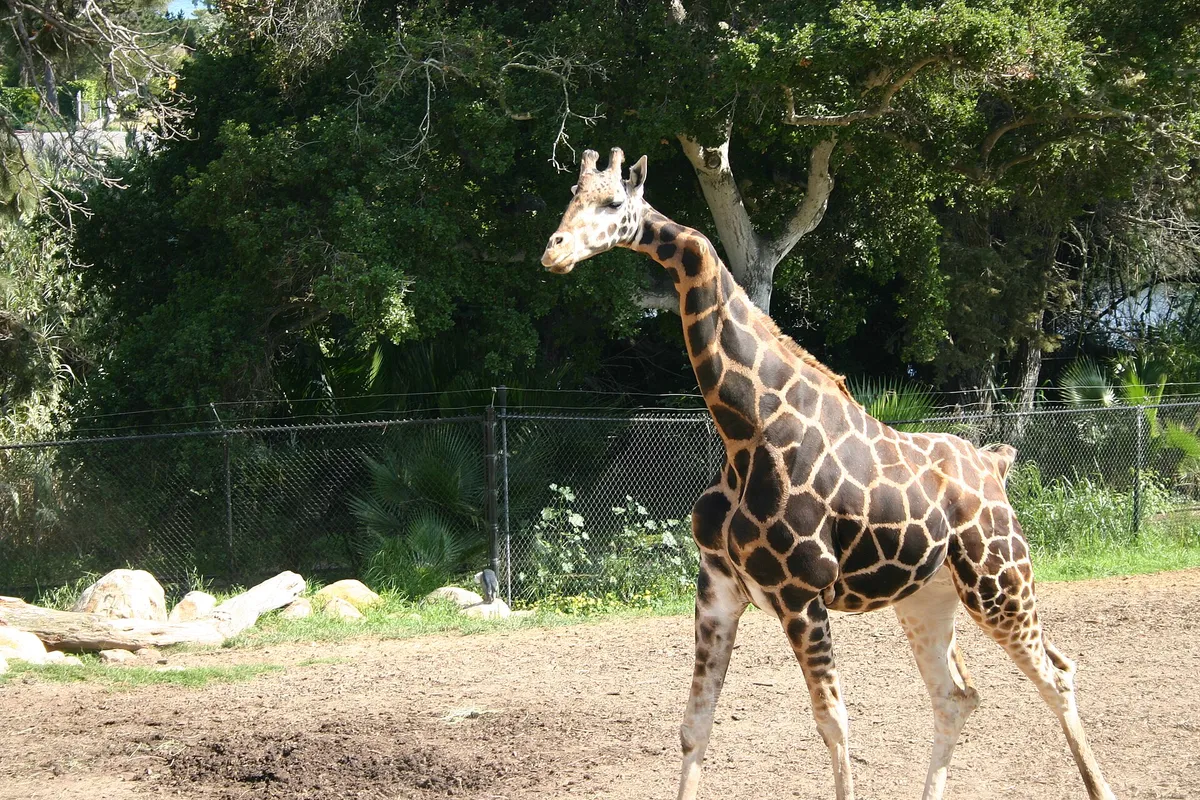 Santa Barbara Zoological Gardens🇺🇸 Santa Barbara, United States
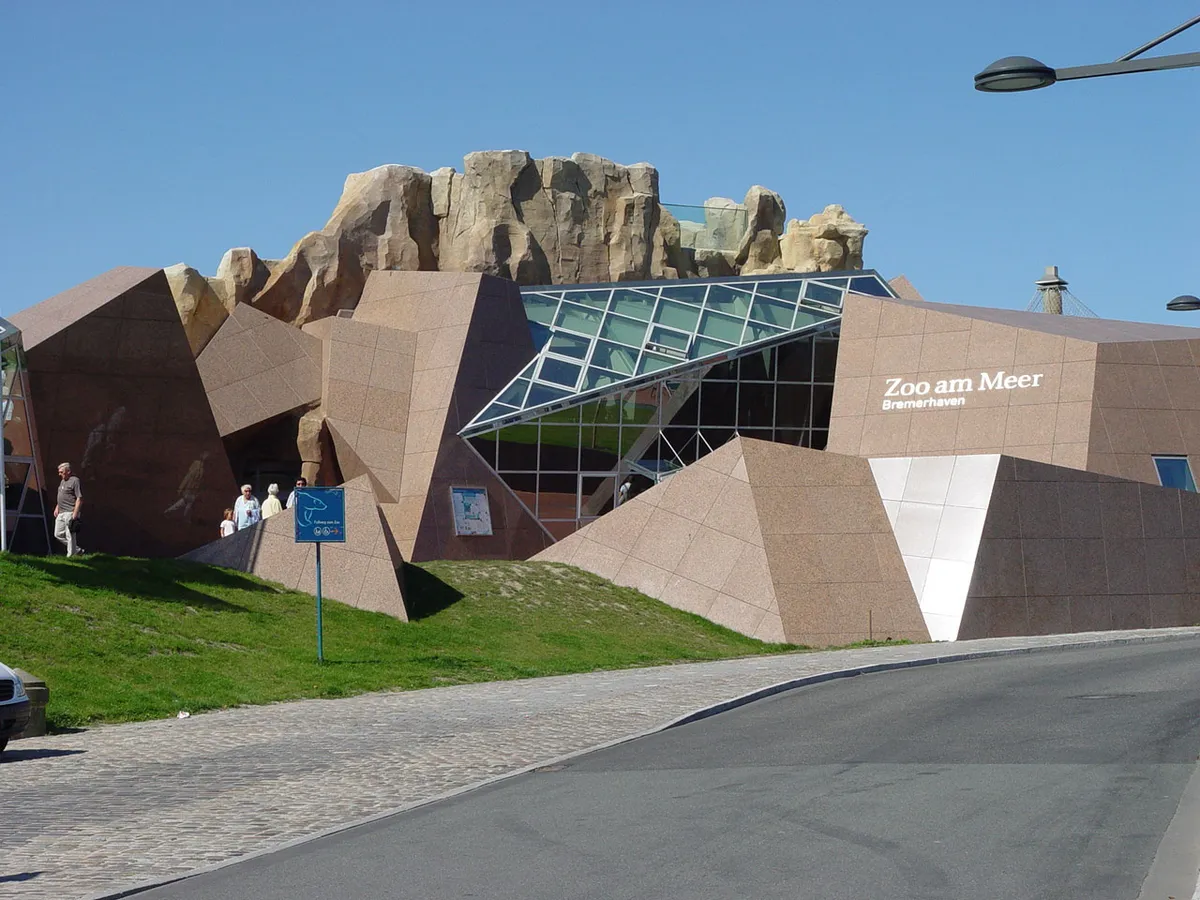 Zoo am Meer🇩🇪 Bremerhaven, Germany
 Brevard Zoo🇺🇸 Melbourne, United States
- 🦁Dakota Zoo🇺🇸 Bismarck, United States
Community notes
Share your observations about the Ball Python.
No community notes yet. Be the first!
Discover more wildlife
More fascinating animals from the encyclopedia.