
About the Beluga Whale
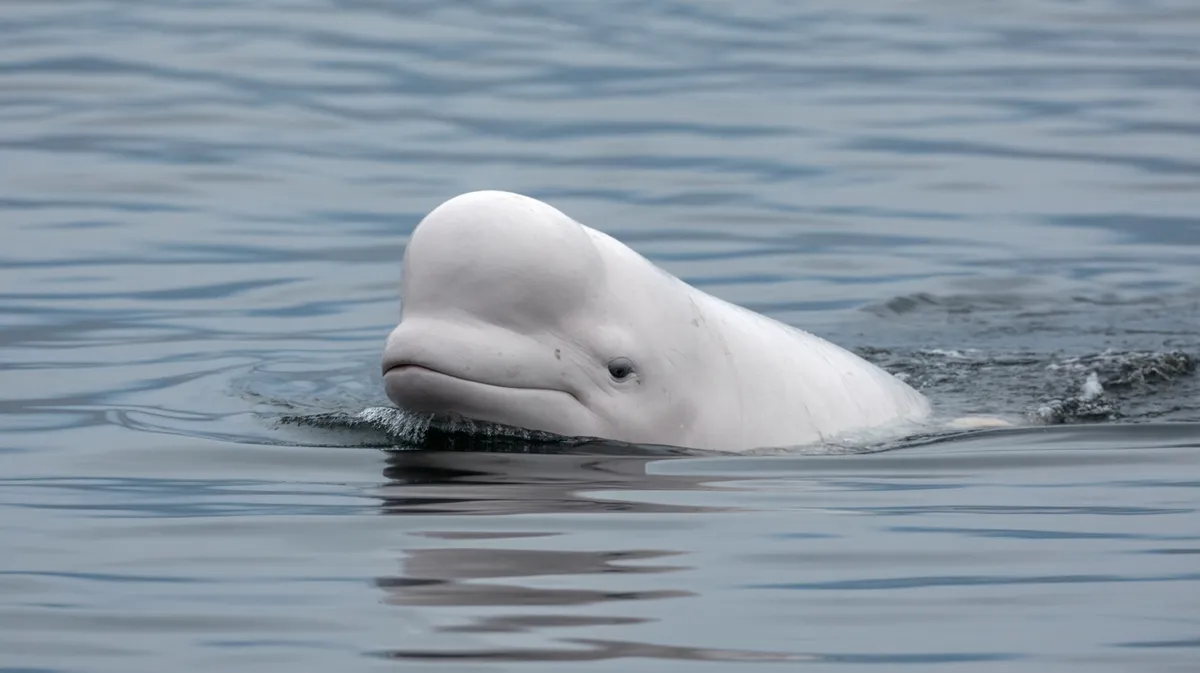
The beluga is the only whale that can turn its head. In every other cetacean the neck vertebrae are fused into a rigid block; in the beluga they are not, so it can nod and look sideways — an adaptation for manoeuvring in the shallow, ice-choked coastal water and river estuaries where it feeds. The bulging melon on its forehead is a fatty organ, and unlike other whales the beluga can visibly deform it, changing its shape to focus and steer the beam of its echolocation clicks like a lens. It is so vocal that whalers called it the sea canary — clicks, whistles, chirps and squeals, audible through a boat's hull. It has no dorsal fin, which would be a liability under ice; in its place is a tough dorsal ridge, which it uses to break through thin ice from below to breathe. It moults each year, rubbing itself against gravel in river shallows, and it is born grey, whitening only as it matures.
Fascinating facts
Vocal Communicators
Beluga whales produce a wide array of whistles, clicks, and clangs, making them one of the most vocal whale species.
Arctic Adapted
Their thick blubber layer helps insulate them from the frigid Arctic waters, and the absence of a dorsal fin prevents heat loss.
Flexible Forehead
The beluga's bulbous forehead, or melon, is flexible and aids in echolocation by changing shape to focus sound waves.
Detailed description
The beluga whale (Delphinapterus leucas) is a medium-sized toothed whale, typically measuring 3.5 to 5.5 meters in length and weighing between 700 and 1,600 kilograms, with males generally larger than females. Its most distinctive features are its pure white coloration, which develops fully by sexual maturity, and its bulbous forehead, known as the melon, which is flexible and aids in echolocation. Belugas possess a robust, stocky body with a thick layer of blubber (up to 15 cm) for insulation in frigid Arctic waters. Unlike most cetaceans, they lack a dorsal fin, an adaptation that allows them to swim beneath sea ice. Their neck vertebrae are unfused, granting them remarkable head mobility for scanning their environment. Belugas have a complex vocal repertoire, producing clicks, whistles, and clangs for communication and navigation. Socially, they are highly gregarious, forming pods ranging from a few individuals to several hundred during migrations or in rich feeding areas. Their diet is diverse, including fish (such as salmon and Arctic cod), crustaceans, and cephalopods. Belugas are long-lived, with lifespans commonly reaching 40 to 60 years in the wild. They inhabit a variety of Arctic and sub-Arctic environments, including coastal waters, river estuaries, and deep offshore regions, often migrating seasonally in response to ice cover and prey availability.
Did you know?
Beluga whales can survive in freshwater for extended periods and are sometimes found swimming far up rivers.
Research & sources
Wikipedia summary
The beluga whale is an Arctic and sub-Arctic cetacean. It is one of two living members of the family Monodontidae, along with the narwhal, and the only member of the genus Delphinapterus. It is also known as the white whale, as it is the only cetacean to regularly occur with this colour; the sea canary, due to its high-pitched calls; and the melonhead, though that more commonly refers to the melon-headed whale, which is an oceanic dolphin.
Behaviour & social structure
Beluga whales exhibit complex social behaviors, often forming stable matrilineal groups and displaying cooperative hunting strategies. They are diurnal, engaging in most feeding and social activities during daylight hours. Belugas use echolocation to locate prey and navigate under ice, emitting a wide range of vocalizations that facilitate group cohesion and individual recognition. They are known to rub against gravel in shallow riverbeds, possibly for skin maintenance during molting. Feeding strategies vary by region and prey type, including herding fish into shallow waters or using coordinated movements to corral prey. Belugas are also curious and interactive, both with conspecifics and occasionally with humans, and have been observed playing with objects and engaging in alloparental care (helping care for others' calves). Seasonal migrations can cover hundreds to thousands of kilometers, with some populations moving into river estuaries during summer months to exploit spawning fish and warmer waters.
Reproduction & life cycle
Beluga whales reach sexual maturity between 4 and 9 years of age, with females typically maturing earlier than males. Mating occurs in late winter to early spring, often in offshore or ice-edge habitats. Gestation lasts approximately 14 to 15 months, resulting in the birth of a single calf, usually between May and July. Calves are born dark gray and measure about 1.5 meters in length, weighing 80 to 100 kilograms. Mothers nurse their young for up to two years, though weaning can occur earlier. Calves remain closely associated with their mothers and often with other females in nursery pods, benefiting from communal protection and social learning. Interbirth intervals are typically two to three years, reflecting the substantial investment in each offspring.
Adaptations & survival
Belugas are highly adapted to Arctic life. Their thick blubber layer provides insulation and energy reserves during periods of food scarcity. The absence of a dorsal fin minimizes heat loss and allows navigation beneath ice. Their flexible melon enables sophisticated echolocation, critical for hunting and orientation in turbid or ice-covered waters. Unfused cervical vertebrae grant head mobility, aiding in prey detection and ice navigation. Seasonal molting, rare among cetaceans, helps maintain skin health. Belugas can regulate their buoyancy and dive to depths exceeding 700 meters, though most foraging occurs at shallower depths. Their ability to slow heart rate during dives (bradycardia) conserves oxygen. Social learning and vocal plasticity enhance adaptability to changing environments and complex social structures.
Cultural significance
Beluga whales hold significant cultural and subsistence value for many Indigenous Arctic peoples, including the Inuit, Chukchi, and Inuvialuit. They feature prominently in oral traditions, mythology, and art, symbolizing abundance, adaptability, and community. Beluga meat, blubber (muktuk), and skin are traditional food sources, while bones and sinew have been used for tools and crafts. In Western culture, belugas are popular in aquaria due to their expressive faces and vocalizations, and they have inspired literature and music. Conservation of belugas is often intertwined with Indigenous rights and knowledge systems.
Recent research
Recent research has focused on beluga vocal learning and dialects, revealing population-specific call types and evidence of vocal mimicry. Satellite tagging and genetic studies have improved understanding of migration routes, population structure, and connectivity. Studies on contaminant loads have highlighted regional differences in exposure to pollutants, with implications for health and reproduction. Ongoing research addresses the impacts of climate change on beluga distribution and prey dynamics, as well as the effectiveness of protected areas and conservation measures. The beluga genome has been sequenced, providing insights into adaptations to cold and hypoxic environments.
Videos
Habitat
Arctic and sub-Arctic coastal waters and river estuaries
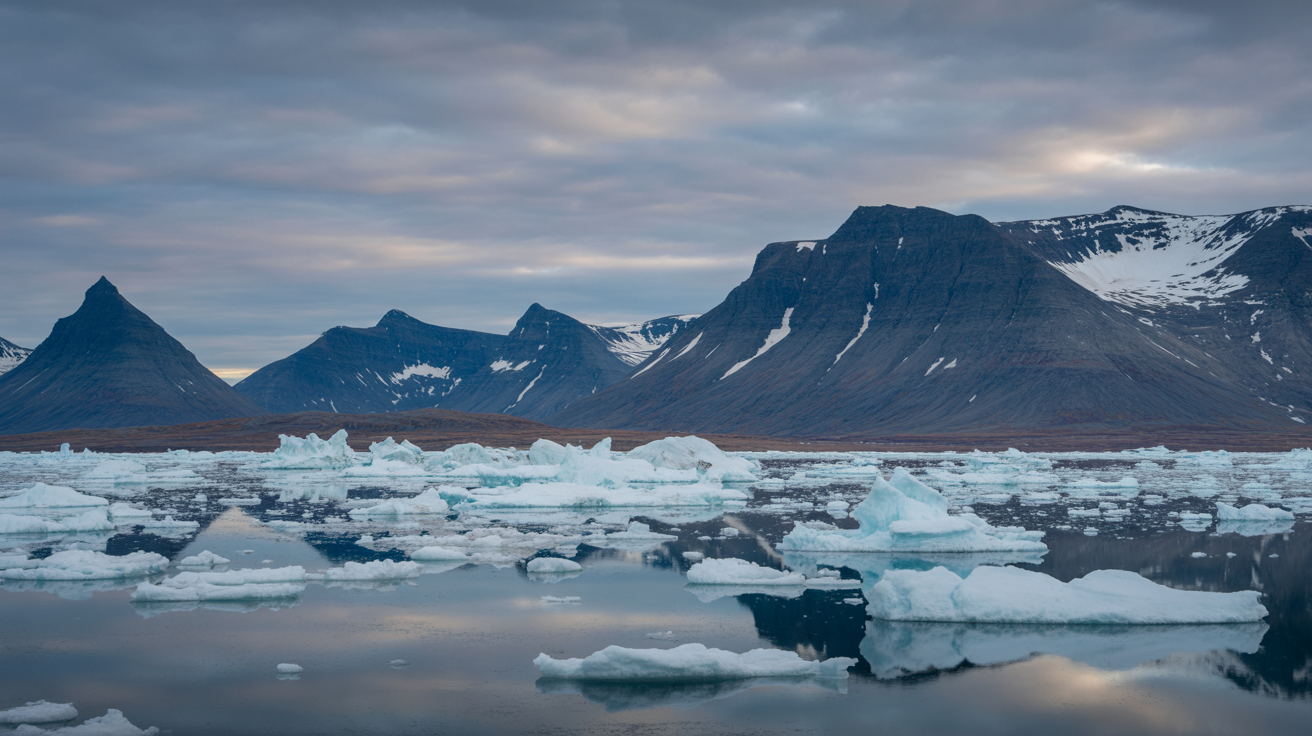 Polar Regions
Arctic
Cold, frozen landscapes around the North Pole with specialized wildlife adapted to extreme cold.
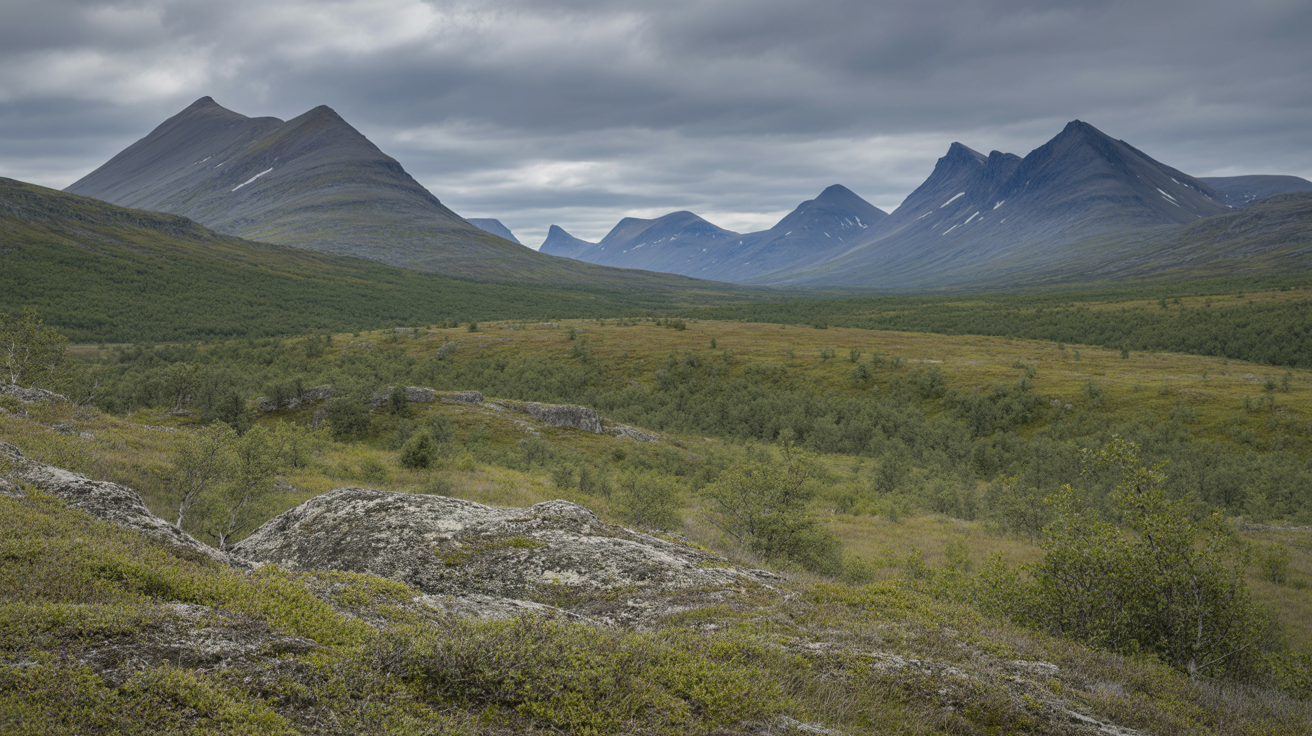 Polar and Subpolar Regions
Tundra
Cold, treeless regions with permafrost supporting specialized cold-adapted wildlife.
 Global Waters
Ocean
Saltwater environments covering more than 70% of the Earth's surface, home to a vast variety of marine life.
 Global
Freshwater
Lakes, rivers, and wetlands with diverse aquatic ecosystems.
Conservation
The Beluga Whale is currently classified as Near Threatened on the IUCN Red List.
Threats & challenges
Beluga populations face multiple threats, including climate change, which alters sea ice patterns and prey availability. Industrial development (oil, gas, shipping) increases noise pollution, habitat fragmentation, and risk of chemical contamination (e.g., heavy metals, PCBs). Some populations are still subject to subsistence hunting, though this is regulated in most regions. Infectious diseases and predation by killer whales (Orcinus orca) and polar bears (Ursus maritimus) also impact certain populations. The IUCN currently lists the species as 'Least Concern' globally, but several subpopulations, such as the Cook Inlet belugas, are critically endangered. Population trends vary regionally, with some stable and others declining due to cumulative anthropogenic pressures.
Taxonomy
Scientific name
Delphinapterus leucas
- Kingdom
- Animalia
- Phylum
- Chordata
- Class
- Mammalia
- Order
- Cetacea
- Family
- Monodontidae
- Genus
- Delphinapterus
- Species
- leucas
Where to see a beluga whale
3 zoos and aquariums in 1 country are recorded as keeping this species.
 Georgia Aquarium🇺🇸 Atlanta, United States
 Shedd Aquarium🇺🇸 Chicago, United States
 Mystic Aquarium🇺🇸 United States
Community notes
Share your observations about the Beluga Whale.
No community notes yet. Be the first!
Discover more wildlife
More fascinating animals from the encyclopedia.