
About the Bengal Slow Loris
The slow loris is the only venomous primate in the world, and the mechanism is peculiar enough that it took a long time to be believed. It has a gland on the inside of the upper arm that secretes an oily toxin, and it raises its arms above its head and licks that gland, mixing the secretion with its saliva — only then is the bite venomous. The combined toxin can cause severe, slow-healing wounds and, in humans, anaphylactic shock. A mother will also groom the toxin into her infant's fur before leaving it parked on a branch while she forages, which appears to deter predators from the unguarded baby. Its slowness is not laziness but strategy: it moves with a deliberate, fluid, almost mechanical crawl that generates none of the sudden motion a predator's eye is tuned to detect, and it can hold a branch with a grip that does not tire, thanks to a network of blood vessels in its limbs. The pet trade routinely pulls its teeth out with pliers.
Fascinating facts
Nocturnal Lifestyle
The Bengal Slow Loris is strictly nocturnal, relying on its exceptional night vision to forage in the dark.
Venomous Bite
It is one of the few primates with a venomous bite, capable of causing severe allergic reactions in predators and humans.
Arboreal Existence
This species spends nearly its entire life in the trees, rarely coming down to the ground.
Detailed description
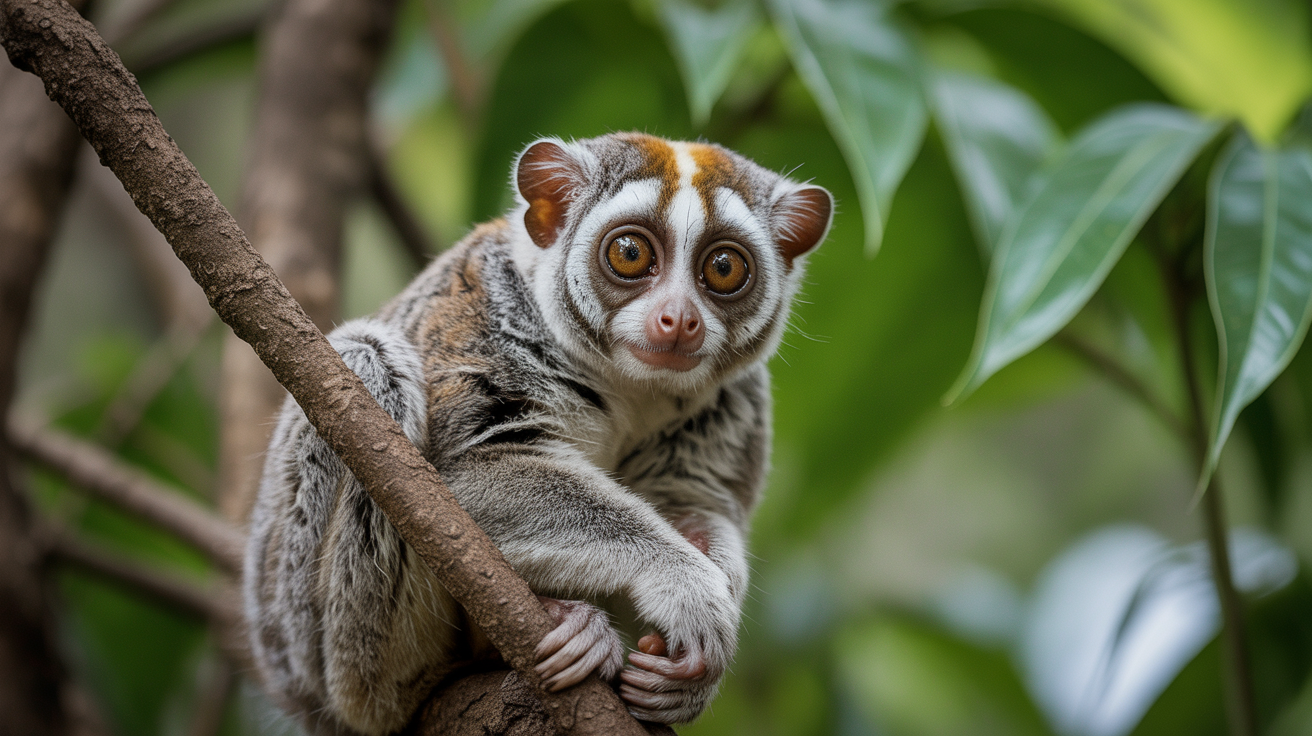
The Bengal slow loris (Nycticebus bengalensis) is the largest member of the slow loris genus, with a head-body length ranging from 26 to 38 cm and a weight between 1 and 2.1 kg. Its dense, woolly fur is generally pale brown to grayish, with a distinct dark stripe running from the crown down the back and a contrasting facial mask that accentuates its large, forward-facing eyes—an adaptation for nocturnal vision. The species possesses a vestigial tail, robust limbs, and opposable thumbs, enabling a powerful grasp for slow, deliberate movement through the forest canopy. The round head, flat face, and small, rounded ears are characteristic features. The Bengal slow loris is arboreal and strictly nocturnal, spending daylight hours concealed in dense foliage or tree hollows. Its diet is omnivorous, comprising fruits, tree gum, nectar, insects, and small vertebrates. Uniquely among primates, it secretes a toxin from its brachial gland, which, when mixed with saliva, delivers a venomous bite capable of causing severe allergic reactions in predators and humans. Socially, the species is generally solitary or found in small, loosely associated groups, with overlapping home ranges. Vocalizations are limited, but chemical communication via scent-marking is highly developed. Reproduction is slow, with females giving birth to a single offspring after a gestation period of approximately 188 days, and infants are carried or parked on branches while the mother forages.
Did you know?
The Bengal Slow Loris produces a toxin from glands in its elbows, which it spreads onto its teeth to deliver a venomous bite.
Research & sources
Wikipedia summary
The Bengal slow loris or northern slow loris is a strepsirrhine primate and a species of slow loris native to the Indian subcontinent and Indochina. Its geographic range is larger than that of any other slow loris species. Considered a subspecies of the Sunda slow loris (N. coucang) until 2001, phylogenetic analysis suggests that the Bengal slow loris is most closely related to the Sunda slow loris. However, some individuals in both species have mitochondrial DNA sequences that resemble those of the other species, due to introgressive hybridization. It is the largest species of slow loris, measuring 26 to 38 cm from head to tail and weighing between 1 and 2.1 kg. Like other slow lorises, it has a wet nose (rhinarium), a round head, flat face, large eyes, small ears, a vestigial tail, and dense, woolly fur. The toxin it secretes from its brachial gland differs chemically from that of other slow loris species and may be used to communicate information about sex, age, health, and social status.
Behaviour & social structure
Bengal slow lorises are primarily solitary, with individuals maintaining overlapping territories that are marked using urine and brachial gland secretions. They exhibit a slow, deliberate locomotion known as 'cryptic movement,' minimizing detection by predators. Feeding occurs mainly at night; they use their specialized toothcomb (a row of forward-facing lower incisors) to gouge tree bark and extract gum, a significant dietary component. They also consume nectar, fruits, insects, bird eggs, and occasionally small vertebrates. Foraging is typically silent and methodical, and they may hang upside down or use both hands to manipulate food. Social interactions are infrequent but include grooming, play, and occasional vocalizations such as whistles and clicks. Parental care is pronounced, with mothers 'parking' their young on branches while foraging, returning frequently to nurse and groom them. Bengal slow lorises are known to freeze or remain motionless when threatened, relying on camouflage and their venomous bite as defense mechanisms.
Reproduction & life cycle
The reproductive cycle of the Bengal slow loris is not strictly seasonal, but births tend to peak during periods of food abundance. Courtship involves scent-marking and vocalizations, with males often competing for access to receptive females. Gestation lasts approximately 188 days (about 6 months), after which a single infant is born, though twins are rare. Neonates are altricial, with eyes closed and limited mobility. Maternal care is extensive: infants are carried or parked while the mother forages, and weaning occurs at around 6-7 months. Juveniles remain in the maternal range for several months post-weaning, gradually becoming independent. Sexual maturity is reached at approximately 18-24 months. The species exhibits a slow reproductive rate, with females typically producing one offspring every 1-2 years.
Adaptations & survival
Key adaptations of the Bengal slow loris include its strong, opposable thumbs and reduced index fingers, which facilitate a powerful grip for arboreal locomotion and feeding. The large eyes, with a reflective tapetum lucidum, enhance night vision. Its slow, cryptic movement reduces detection by predators. The species' brachial gland secretes a unique toxin, which, when mixed with saliva, delivers a venomous bite—an extremely rare trait among mammals. This toxin also plays a role in intraspecific communication, conveying information about sex, age, and health. The toothcomb is specialized for grooming and for extracting gum from trees. Their metabolic rate is lower than that of most primates, an adaptation to their energy-conserving lifestyle and diet rich in indigestible plant exudates.
Cultural significance
In parts of South and Southeast Asia, the Bengal slow loris has been featured in local folklore and traditional medicine. Its slow, mysterious movements and large eyes have led to associations with supernatural powers or omens in some cultures. Body parts and secretions are used in traditional remedies for ailments such as asthma, eye diseases, and as aphrodisiacs, despite lack of scientific evidence. The species is also kept as an exotic pet, especially in urban centers, fueled by social media and misconceptions about its behavior. Conservation organizations are working to dispel myths and promote the species' ecological importance.
Recent research
Recent research has focused on the chemical composition of the Bengal slow loris's brachial gland toxin, revealing unique peptides and proteins not found in other slow loris species. Studies using camera traps and radio telemetry have improved understanding of habitat use, home range size (typically 1-3 hectares for females, larger for males), and population density. Genetic analyses have uncovered evidence of hybridization with neighboring slow loris species, raising questions about species boundaries and evolutionary history. Conservation research is increasingly focused on the impacts of the illegal pet trade and the effectiveness of rescue, rehabilitation, and reintroduction programs. Ongoing studies are examining the role of slow lorises in forest ecology, particularly their contributions to pollination and seed dispersal.
Videos
Habitat
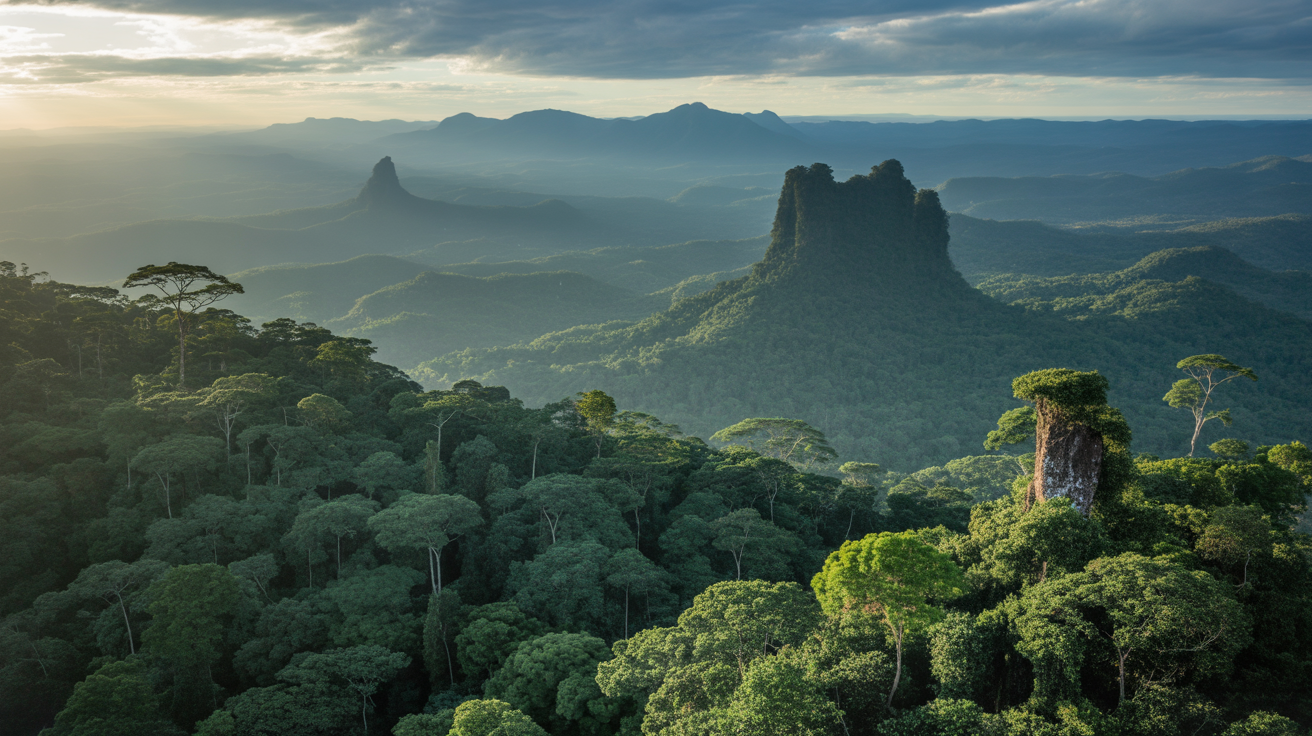
Tropical and subtropical forests

Conservation
The Bengal Slow Loris is currently classified as Vulnerable on the IUCN Red List.
Threats & challenges
The Bengal slow loris faces severe threats from habitat loss due to deforestation, agricultural expansion, and infrastructure development across its range. Illegal wildlife trade is a major concern; individuals are captured for use as pets, traditional medicine, and for their perceived mystical properties. The removal of teeth to prevent biting in the pet trade often results in infection and death. Road mortality and fragmentation of forest habitats further threaten populations. The species is classified as 'Vulnerable' by the IUCN, with populations declining throughout its range. Conservation challenges include limited law enforcement, lack of public awareness, and difficulties in monitoring elusive, nocturnal populations. Recent genetic studies indicate introgressive hybridization with other slow loris species, complicating conservation strategies.
Taxonomy
Scientific name
Nycticebus bengalensis
- Kingdom
- Animalia
- Phylum
- Chordata
- Class
- Mammalia
- Order
- Primates
- Family
- Lorisidae
- Genus
- Nycticebus
- Species
- bengalensis
Where to see a bengal slow loris
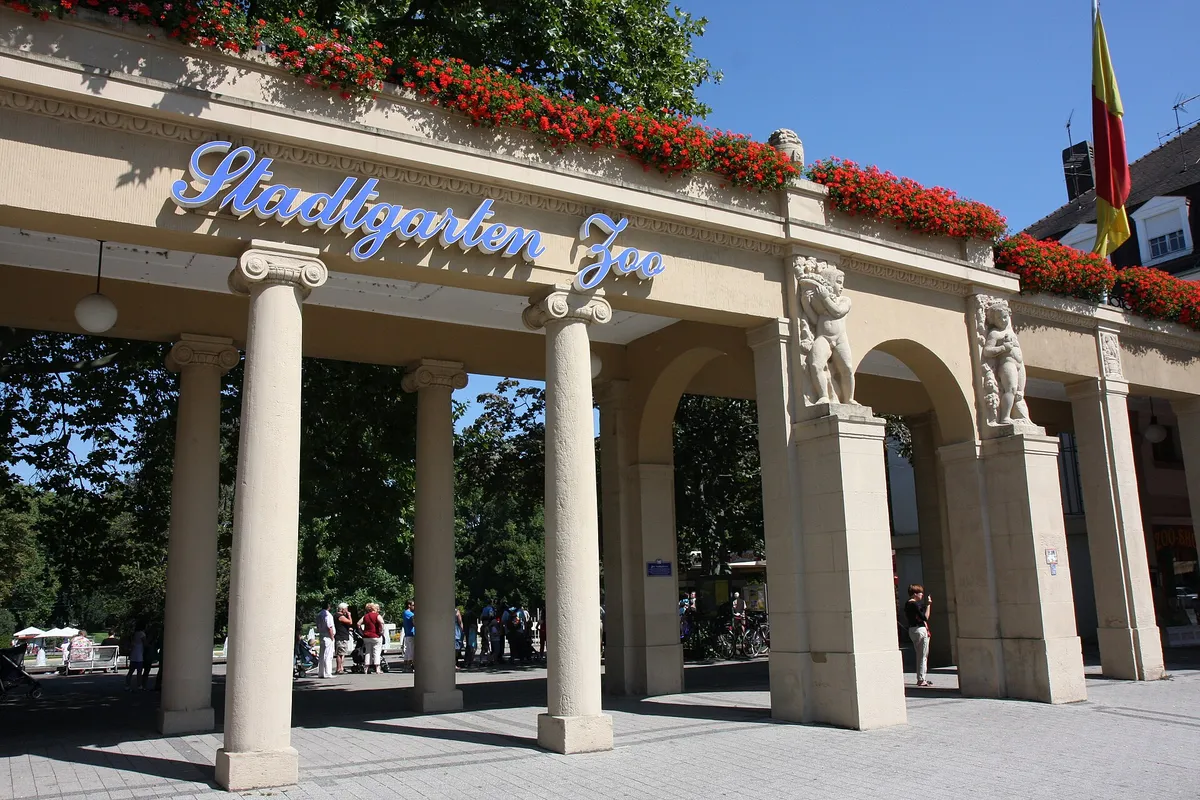
1 zoo and aquarium in 1 country are recorded as keeping this species.
Community notes
Share your observations about the Bengal Slow Loris.
No community notes yet. Be the first!
Discover more wildlife
More fascinating animals from the encyclopedia.