
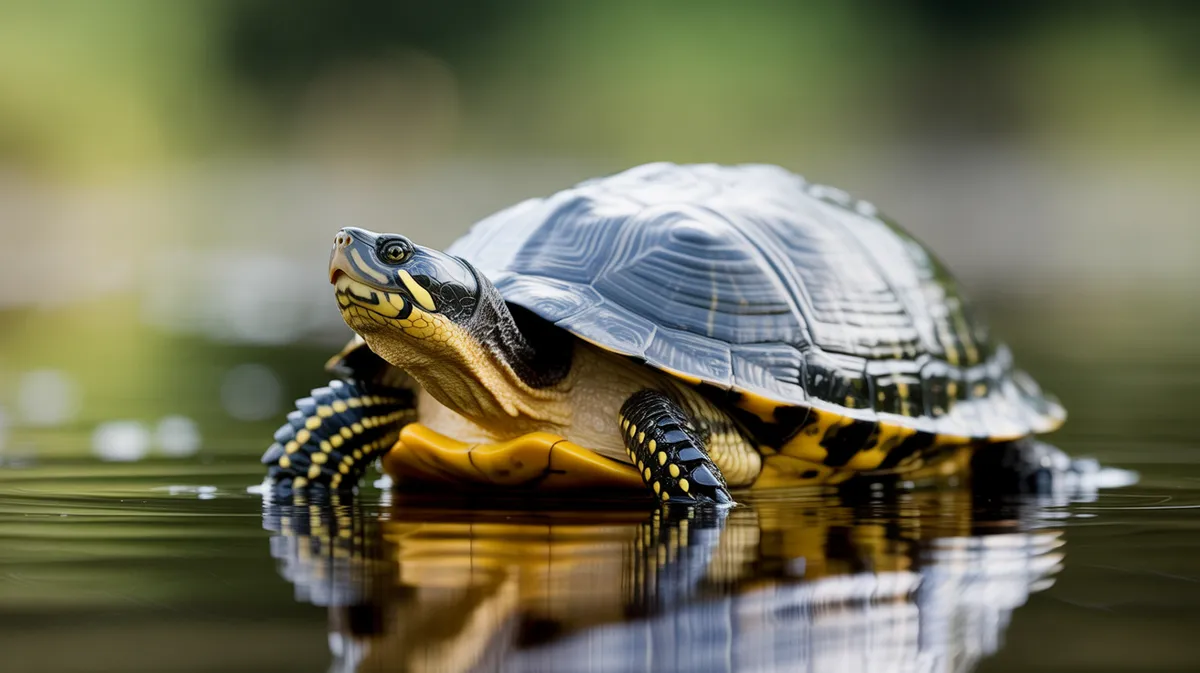
About the Blanding's Turtle
Blanding's Turtle is a medium-sized, semi-aquatic turtle native to the upper Midwest and northeastern regions of North America. It is easily recognized by its bright yellow throat and chin, along with a domed, dark carapace covered in yellow flecks. This secretive species prefers shallow wetlands with abundant aquatic vegetation and can travel significant distances over land between water bodies. Blanding's Turtles are long-lived and slow to mature, making their populations particularly vulnerable to habitat loss and road mortality.
Fascinating facts
Yellow Chin
Blanding's Turtles are easily identified by their distinct bright yellow throat and chin.
Long-Distance Travelers
They regularly travel over land between wetlands, sometimes covering distances greater than 1 kilometer.
Longevity
This species can live up to 80 years or more, making them one of the longest-lived freshwater turtles.
Detailed description
Blanding's Turtle (Emydoidea blandingii) is a medium-sized, semi-aquatic turtle, typically measuring 18–25 cm (7–10 in) in carapace length, with some individuals reaching up to 27 cm (10.6 in). Its most distinctive features are a highly domed, smooth carapace marked with yellow speckles and a vivid yellow throat and chin, which are visible even when the head is withdrawn. The plastron is yellow with dark blotches and is hinged, allowing partial closure for protection. The species has robust, webbed feet adapted for swimming, and a long neck that can extend considerably, aiding in foraging and predator awareness. Blanding's Turtles are primarily crepuscular, being most active at dawn and dusk, and are known for their secretive, cautious nature. They are strong overland travelers, often moving between wetlands, sometimes covering distances over 1.5 km (0.9 mi) in a single journey. Longevity is remarkable in this species, with individuals living 70–90 years and remaining reproductively active throughout their lives, exhibiting negligible senescence. Their home ranges can be extensive, particularly for females during nesting season. Blanding's Turtles are omnivorous, consuming a wide variety of animal and plant matter, and play an important role in wetland ecosystem dynamics.
Did you know?
Blanding's Turtles do not reach sexual maturity until they are 14 to 20 years old, one of the latest ages among North American turtles.
Research & sources
Wikipedia summary
Blanding's turtle is a species of semi-aquatic turtle of the family Emydidae. This species is native to central and eastern parts of Canada and the United States. It is considered to be an endangered species throughout much of its range. Blanding's turtle is of interest in longevity research, as it shows few or no common signs of aging and is physically active and capable of reproduction into eight or nine decades of life.
Behaviour & social structure
Blanding's Turtles are solitary and generally non-territorial, except during the breeding season when males may compete for access to females. They spend much of their time submerged in shallow water, basking on logs or mats of vegetation to regulate body temperature. Foraging occurs both in water and along the shoreline, with a diet that includes aquatic invertebrates (such as crayfish, insects, snails), small fish, amphibians, carrion, and a variety of aquatic plants and algae. They employ a sit-and-wait hunting strategy, often remaining motionless before striking rapidly at prey with their long necks. During the active season (April–October), they follow daily routines of basking, foraging, and resting, but may travel overland to seek new habitats or nesting sites. In colder months, they hibernate underwater in the mud of wetlands, remaining inactive until spring. Social interactions are minimal outside of breeding, though multiple individuals may be found basking together in optimal locations.
Reproduction & life cycle
Breeding occurs in spring, shortly after emergence from hibernation, with courtship involving tactile and visual cues. Mating usually takes place in shallow water. Females reach sexual maturity at 14–20 years of age, reflecting the species' slow life history. Nesting occurs from late May to early July, with females traveling considerable distances—sometimes over a kilometer—to find well-drained, sandy or loamy soils exposed to sunlight. Clutch sizes range from 6 to 21 eggs, with an average of 10–12. Eggs are elliptical, leathery, and incubate for 50–90 days depending on temperature. Blanding's Turtles exhibit temperature-dependent sex determination, with warmer incubation producing females. There is no parental care after oviposition; hatchlings are independent upon emergence in late summer or early fall. Nest predation by raccoons, skunks, and foxes is a significant threat to reproductive success.
Adaptations & survival
Blanding's Turtles possess a hinged plastron, allowing them to partially close their shells against predators, a trait shared with box turtles. Their long necks and sharp jaws facilitate rapid prey capture and enhance vigilance. Webbed feet and streamlined bodies are well-adapted for aquatic locomotion, while their tolerance for a wide range of water conditions enables survival in both permanent and ephemeral wetlands. Physiologically, they exhibit remarkable longevity and negligible senescence, with little decline in reproductive output or activity with age. Their ability to travel long distances over land allows them to exploit multiple habitats and maintain genetic diversity across fragmented landscapes. During hibernation, they can tolerate low oxygen levels by reducing metabolic rates and utilizing anaerobic metabolism.
Cultural significance
While Blanding's Turtle does not have a prominent role in indigenous mythology or folklore compared to other North American turtles, it is regarded as a symbol of wetland conservation in regions where it occurs. Its charismatic appearance and longevity have made it an ambassador species for wetland protection initiatives. The turtle is sometimes featured in educational programs and conservation campaigns, highlighting the importance of preserving aquatic habitats and biodiversity. There are no known traditional uses in medicine or cuisine.
Recent research
Blanding's Turtle is a model organism in studies of aging and longevity, as individuals show little evidence of senescence and maintain reproductive capability into old age. Recent genetic studies have clarified its phylogenetic position, supporting its placement in a monotypic genus, Emydoidea, closely related to the genus Emys. Ongoing research includes population genetics, movement ecology using radio telemetry, and the impacts of road mortality and habitat fragmentation. Conservation research focuses on head-starting (raising hatchlings in captivity before release), nest protection, and the effectiveness of wildlife corridors. Studies on temperature-dependent sex determination are relevant for understanding potential impacts of climate change on population demographics.
Videos
Habitat
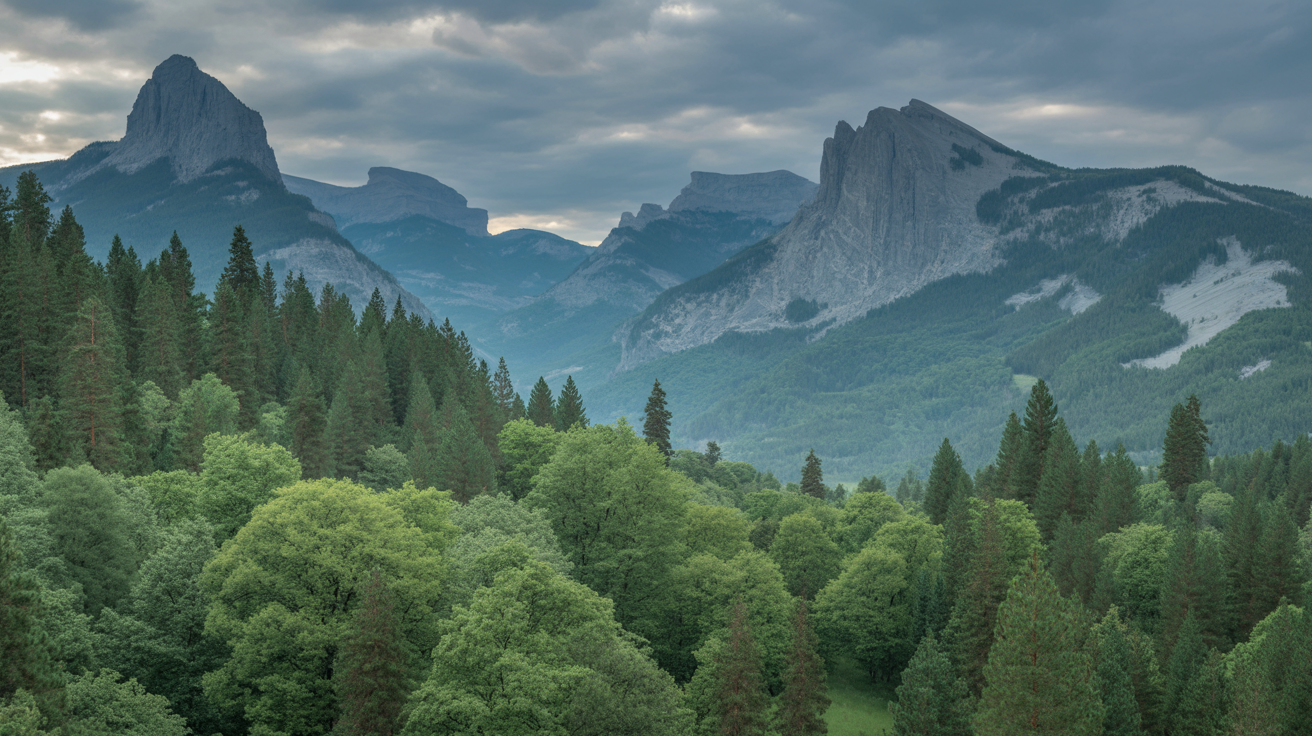
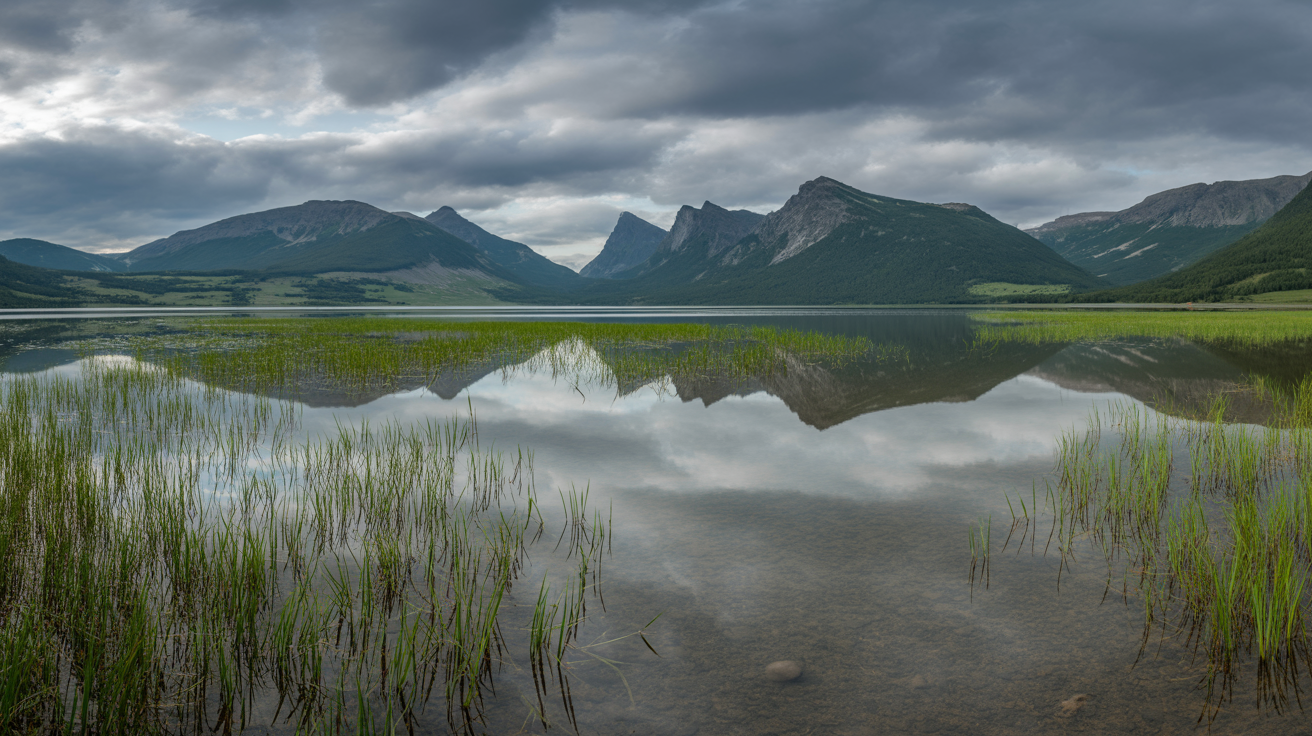
Freshwater wetlands, marshes, and shallow lakes
Conservation
The Blanding's Turtle is currently classified as Endangered on the IUCN Red List.
Threats & challenges
Major threats include habitat loss and fragmentation due to wetland drainage, urban development, and agriculture. Road mortality is a significant cause of adult deaths, particularly among nesting females crossing roads. High rates of nest predation, often exacerbated by increased populations of raccoons and other predators in human-altered landscapes, severely limit recruitment. Illegal collection for the pet trade and incidental capture in fishing gear also pose risks. Climate change may alter wetland hydrology and nesting success. Population declines have been documented across much of the species' range, with many subpopulations isolated and at risk of extirpation. Conservation efforts focus on habitat protection, nest monitoring, head-starting programs for hatchlings, and public education.
Taxonomy
Scientific name
Emydoidea blandingii
- Kingdom
- Animalia
- Phylum
- Chordata
- Class
- Reptilia
- Order
- Testudines
- Family
- Emydidae
- Genus
- Emydoidea
- Species
- blandingii
Community notes
Share your observations about the Blanding's Turtle.
No community notes yet. Be the first!
Discover more wildlife
More fascinating animals from the encyclopedia.