
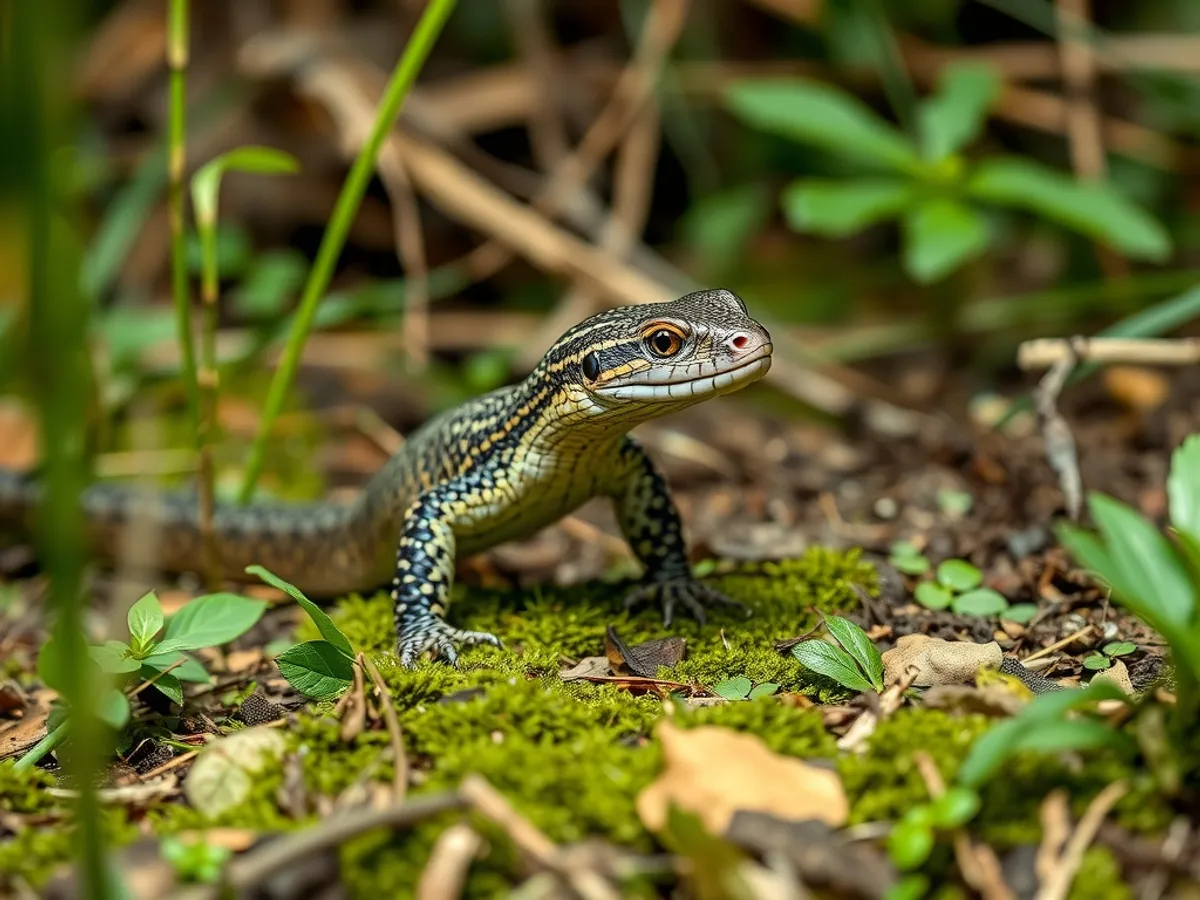
About the Blue-tongued Skink
The tongue is a weapon of surprise. A blue-tongue does not display it constantly — it holds it hidden, and when a predator gets close it suddenly gapes and thrusts out a broad, shockingly blue tongue while hissing and flattening its body. Research has shown the display is precisely engineered for that moment: the rear of the tongue is far more UV-reflective and more intensely coloured than the tip, and the lizard reveals the back of the tongue only in a full, last-instant flash — a deimatic startle display calibrated to buy the half-second needed for a bird or snake to hesitate. It is a heavy, short-legged, semi-fossorial lizard with a body far too long for its limbs, which is why it is regularly mistaken for a snake as it shoulders through leaf litter. It gives birth to live young — up to about 25 in a litter — rather than laying eggs. It is an omnivore, and its broad, blunt jaws are built to crush snails and beetles, which makes it one of the most useful animals in an Australian garden.
Fascinating facts
Blue Tongue Defense
When threatened, blue-tongued skinks stick out their bright blue tongues to deter predators by making themselves appear dangerous or unpalatable.
Live Birth
Unlike most reptiles, female blue-tongued skinks give birth to live young, with litters usually containing between 5 and 25 offspring.
Adaptable Survivors
These skinks are highly adaptable and are frequently found in suburban gardens, where they help control insect and snail populations.
Detailed description
The Blue-tongued Skink (Tiliqua scincoides) is a large, robust lizard, reaching lengths of 30–60 cm (12–24 inches) and weighing up to 1 kg (2.2 lbs), making it one of the largest members of the skink family (Scincidae). Its most distinctive feature is its broad, fleshy, cobalt-blue tongue, which it displays when threatened to startle predators. The body is elongated with smooth, overlapping scales that provide a glossy appearance and help reduce water loss. Limbs are relatively short and sturdy, adapted for terrestrial locomotion and burrowing. The head is triangular and well-armored, with powerful jaws capable of crushing hard-shelled prey. Blue-tongued skinks are primarily diurnal, spending much of their day basking to regulate body temperature. They are solitary outside the breeding season, occupying overlapping home ranges but rarely interacting. Their omnivorous diet is highly opportunistic, including insects, snails, small vertebrates, fruits, flowers, and even carrion. Reproduction is viviparous, with females giving birth to live young rather than laying eggs, a rare trait among reptiles. Lifespans in the wild are estimated at 10–15 years, though captive individuals can exceed 20 years.
Did you know?
Blue-tongued skinks can drop their tails as a defense mechanism, but unlike some lizards, the regrown tail is often shorter and less colorful.
Research & sources
Behaviour & social structure
Blue-tongued skinks are generally solitary and secretive, spending much of their time hidden under leaf litter, logs, or rocks to avoid predators and extreme temperatures. They are crepuscular to diurnal, most active during the morning and late afternoon. Foraging is slow and deliberate, using their keen sense of smell (via the Jacobson's organ) to locate food. When threatened, they flatten their bodies, hiss loudly, and display their blue tongues as a deimatic (startle) display. If this fails, they may bite, but they are not aggressive by nature. Territorial disputes are rare but can occur during the breeding season, usually involving ritualized displays rather than direct combat. They are known to bask in open areas to thermoregulate and will retreat quickly if disturbed. In suburban environments, they may exploit gardens and compost heaps for food, demonstrating remarkable adaptability.
Reproduction & life cycle
Tiliqua scincoides is viviparous, with internal fertilization. Mating occurs in early spring (September–November in Australia), often preceded by vigorous courtship involving biting and chasing. Gestation lasts approximately 90–120 days, after which females give birth to 5–25 live young, each measuring about 10–15 cm (4–6 inches) at birth. Neonates are precocial and fully independent, receiving no parental care. Females may breed annually or biennially, depending on resource availability and body condition. Sexual maturity is typically reached at 2–3 years of age. Breeding success and litter size are influenced by environmental factors such as temperature, rainfall, and food abundance.
Adaptations & survival
The blue tongue is a unique antipredator adaptation, thought to mimic the appearance of toxic or venomous species and deter would-be attackers. The robust skull and strong jaw muscles allow the skink to consume hard-shelled prey such as snails and beetles, which are abundant in its habitat. Smooth, overlapping scales minimize water loss and facilitate movement through dense vegetation and debris. The ability to autotomize (shed) the tail is present but less pronounced than in other skinks, as the tail is important for fat storage. Behavioral plasticity allows adaptation to a wide range of habitats, including urban areas. Viviparity (live birth) is an evolutionary adaptation to cooler climates, enabling embryos to develop at optimal temperatures within the mother's body.
Cultural significance
Blue-tongued Skinks hold a modest place in Australian culture, often regarded as beneficial garden inhabitants due to their appetite for pest insects and snails. They are featured in Aboriginal folklore as totem animals and symbols of resilience and adaptability. In the pet trade, they are valued for their docile nature and ease of care, contributing to their popularity worldwide. Educational programs frequently use them to promote reptile conservation and awareness. There are no known traditional medicinal or culinary uses, but their striking appearance has made them a subject of fascination and local myth.
Recent research
Recent research has focused on the genetic diversity and phylogeography of Tiliqua scincoides, revealing distinct subspecies and hybrid zones across Australia. Studies on diet and gut microbiota have highlighted the skink's role in seed dispersal and ecosystem functioning. Investigations into the chemical composition of the blue tongue suggest it may contain UV-reflective compounds, enhancing its effectiveness as a warning signal to predators with UV-sensitive vision. Ongoing research is examining the impact of urbanization on behavior and health, including increased exposure to pollutants and novel pathogens. Captive breeding programs are being studied to improve welfare and genetic management in the pet trade.
Videos
Habitat
Woodlands, grasslands, forests, and suburban areas
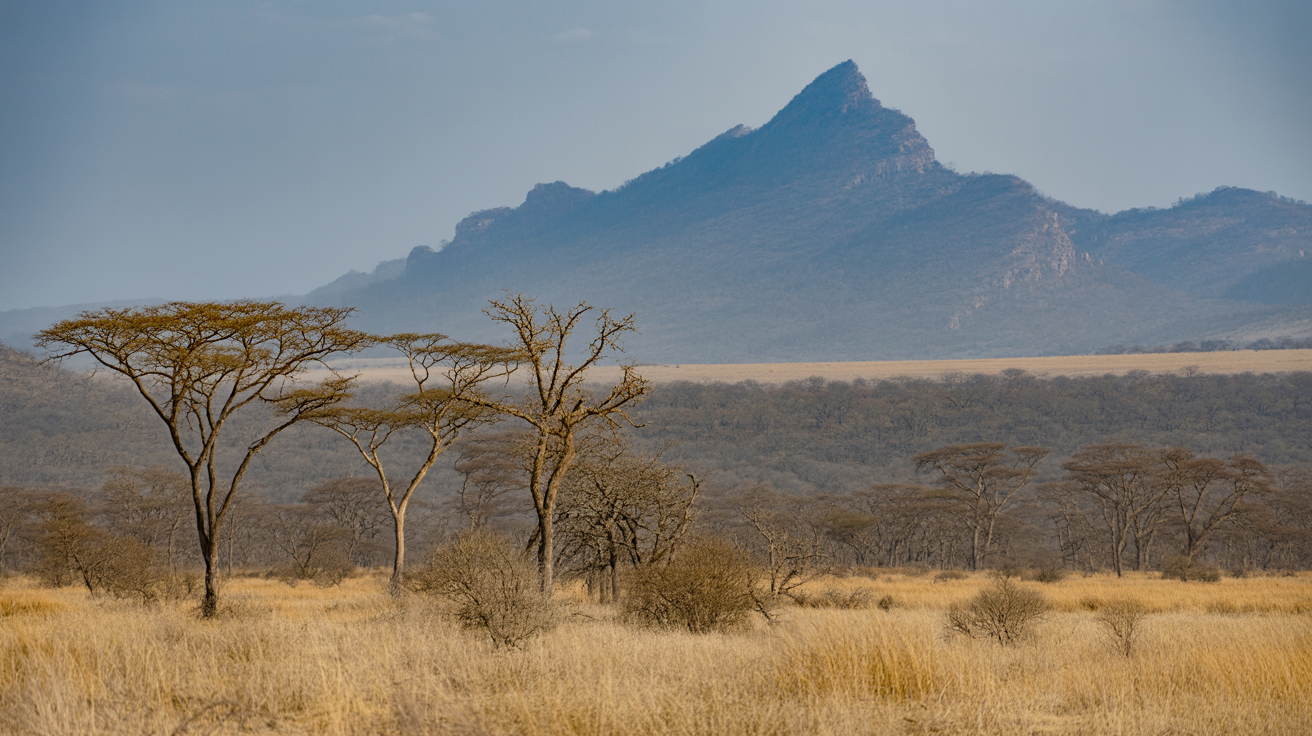 Africa
Savanna
Grasslands with scattered trees, characterized by seasonal rainfall and home to diverse grazing animals and predators.
 Various Continental Regions
Grassland
Open areas dominated by grasses rather than trees, supporting numerous herbivores and their predators.
 Global
Forest
Wooded areas with significant tree cover and diverse plant and animal communities.
Conservation
The Blue-tongued Skink is currently classified as Least Concern on the IUCN Red List.
Threats & challenges
While currently listed as Least Concern by the IUCN, Blue-tongued Skinks face several localized threats. Habitat loss and fragmentation due to urbanization, agriculture, and road construction can reduce suitable shelter and foraging grounds. Predation by introduced species such as domestic cats, dogs, and foxes is significant, especially in suburban and peri-urban areas. Road mortality is a notable threat, as skinks often bask on warm surfaces. Illegal collection for the pet trade, though regulated, can impact wild populations in some regions. Pesticide use may reduce prey availability and cause secondary poisoning. Despite these challenges, the species remains widespread and adaptable, with stable overall population trends.
Taxonomy
Scientific name
Tiliqua scincoides
- Kingdom
- Animalia
- Phylum
- Chordata
- Class
- Reptilia
- Order
- Squamata
- Family
- Scincidae
- Genus
- Tiliqua
- Species
- scincoides
Where to see a blue-tongued skink
3 zoos and aquariums in 2 countries are recorded as keeping this species.
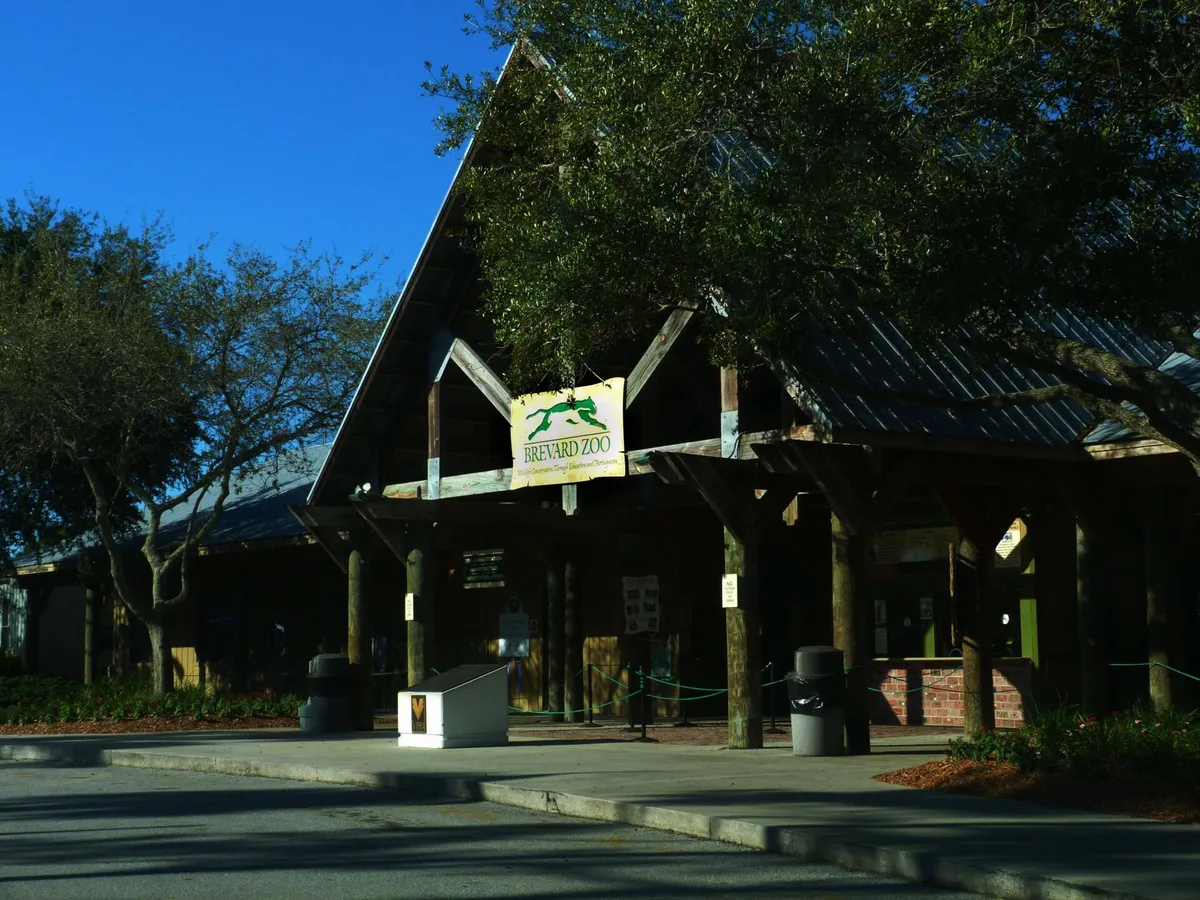 Brevard Zoo🇺🇸 Melbourne, United States
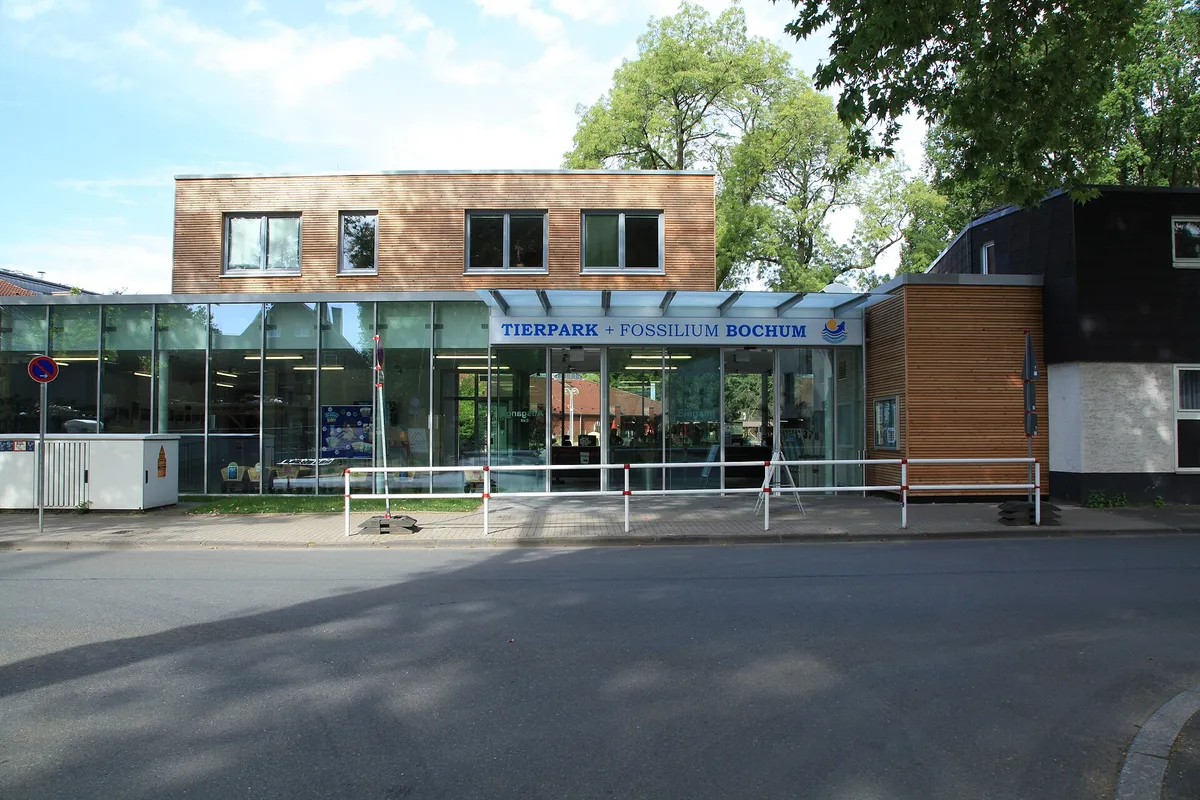 Tierpark und Fossilium Bochum🇩🇪 Bochum, Germany
 Virginia Zoological Park🇺🇸 Norfolk, United States
Community notes
Share your observations about the Blue-tongued Skink.
No community notes yet. Be the first!
Discover more wildlife
More fascinating animals from the encyclopedia.