
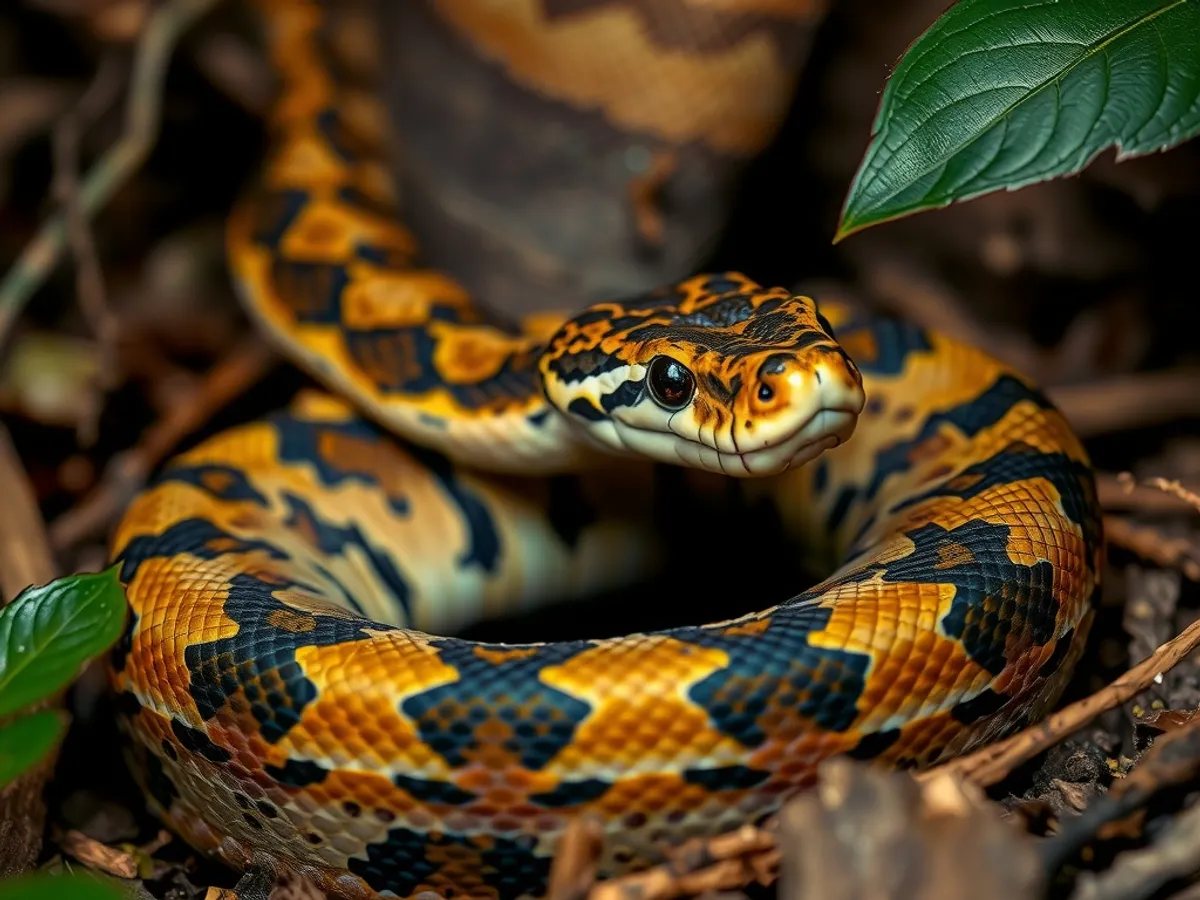
About the Carpet Python
The Carpet Python is a large, non-venomous snake native to Australia, New Guinea, and parts of Indonesia. It is recognized for its striking pattern of dark crossbands and blotches on a lighter background, resembling a woven carpet. This adaptable reptile thrives in a variety of habitats, from rainforests and woodlands to savannas and suburban areas. Carpet Pythons are skilled climbers and often hunt birds, mammals, and even bats by ambush, using constriction to subdue prey. Their calm demeanor and manageable size make them a popular species among reptile enthusiasts and in the pet trade.
Fascinating facts
Varied Coloration
Carpet pythons exhibit a wide range of colors and patterns depending on their subspecies and local habitat, making each individual visually unique.
Arboreal Hunter
These snakes are semi-arboreal and often hunt in trees, preying on birds, their eggs, and small mammals.
Human Coexistence
Carpet pythons are frequently found in suburban areas, where they help control rats and other pests, and are often welcomed by local residents.
Detailed description
The Carpet Python (Morelia spilota) is a robust, semi-arboreal constrictor, typically ranging from 1.5 to 4 meters in length, with some individuals exceeding 4 meters, especially in the Morelia spilota mcdowelli subspecies. Its body is muscular and laterally compressed, aiding in climbing and gripping branches. The species is renowned for its striking coloration, which varies geographically but generally features intricate patterns of olive, brown, gold, and black, forming bands, blotches, or reticulations that provide excellent camouflage in dappled light. The head is distinct from the neck, with large, heat-sensitive labial pits along the upper and lower jaws, allowing detection of warm-blooded prey even in darkness. Eyes are medium-sized with vertical pupils, adapted for nocturnal activity. Scales are smooth and glossy, contributing to the snake's agility in both arboreal and terrestrial environments. Carpet Pythons are highly adaptable, occupying diverse habitats from rainforests and woodlands to rocky outcrops and urban gardens. They are solitary outside of the breeding season and exhibit a wide range of behaviors, including basking, climbing, and ambush hunting. Their adaptability and tolerance of human-modified landscapes have contributed to their stable populations across much of their range.
Did you know?
Despite their intimidating size, Carpet Pythons are non-venomous and pose little threat to humans.
Research & sources
Wikipedia summary
Morelia spilota, commonly known as the carpet python, is a large snake of the family Pythonidae found in Australia, New Guinea, Bismarck Archipelago, and the northern Solomon Islands. Many subspecies are recognised; ITIS lists six, the Reptile Database six, and the IUCN eight.
Behaviour & social structure
Carpet Pythons are primarily nocturnal but may bask during the day, especially in cooler months. They are adept climbers, often found in trees, shrubs, and even rooftops, but also hunt on the ground. Their hunting strategy is typically ambush-based: they remain motionless, camouflaged among foliage or debris, and strike rapidly at passing prey. Diet is diverse and includes small to medium-sized mammals (such as rodents and possums), birds, and occasionally reptiles or bats. Prey is subdued by constriction. Juveniles may focus more on smaller prey like lizards and birds, while adults target larger mammals. Carpet Pythons are generally solitary, except during the breeding season, and exhibit territorial behaviors, with individuals occupying overlapping home ranges but rarely interacting. They are known for their calm demeanor when undisturbed but may hiss or strike if threatened.
Reproduction & life cycle
Breeding usually occurs in late winter to early spring (August–October in Australia). Males may engage in combat for access to females, intertwining and attempting to pin each other. Females are oviparous, laying clutches of 10–50 eggs (average 20–30) in secluded, humid locations such as hollow logs or burrows. Incubation lasts 50–65 days, depending on temperature. Remarkably, females exhibit maternal care by coiling around the eggs and shivering to generate metabolic heat, maintaining optimal incubation temperatures. After hatching, neonates are independent and receive no further parental care. Sexual maturity is typically reached at 2–4 years, depending on food availability and environmental conditions.
Adaptations & survival
Carpet Pythons possess several adaptations for survival. Their cryptic coloration provides effective camouflage in varied habitats, aiding both predation and predator avoidance. Heat-sensitive labial pits enable detection of endothermic prey in low-light conditions. Muscular bodies and prehensile tails facilitate climbing and anchoring in trees. They can go for extended periods without food, slowing metabolism during resource-scarce times. Behavioral thermoregulation, such as basking and seeking shelter, allows them to maintain optimal body temperatures. Their broad diet and tolerance of disturbed habitats, including urban areas, are key evolutionary advantages.
Cultural significance
Carpet Pythons hold a notable place in Australian Aboriginal culture, often featured in Dreamtime stories as creators or guardians of the land. They are sometimes regarded as totem animals and symbols of fertility or renewal. In contemporary times, they are valued in the pet trade for their manageable size, striking appearance, and generally docile temperament. In some rural areas, they are tolerated or even encouraged around human dwellings for their role in controlling rodent populations.
Recent research
Recent genetic studies have clarified the taxonomy and evolutionary relationships within the Morelia spilota complex, revealing significant genetic divergence among subspecies and populations. Ongoing research focuses on their ecological role in controlling pest species, their adaptability to urban environments, and the physiological mechanisms behind maternal thermogenesis during egg incubation. Studies using radio-telemetry have provided insights into their home range size, habitat use, and movement patterns. There is also interest in the impact of environmental changes, such as urbanization and climate shifts, on their distribution and behavior.
Sources
A review of the Morelia spilota complex (Serpentes: Pythonidae) in Australia
Harvey, M.B., Barker, D.G., Ammerman, L.K., & Chippindale, P.T. (2000)
scientificVideos
Habitat
Forests, woodlands, savannas, and suburban areas
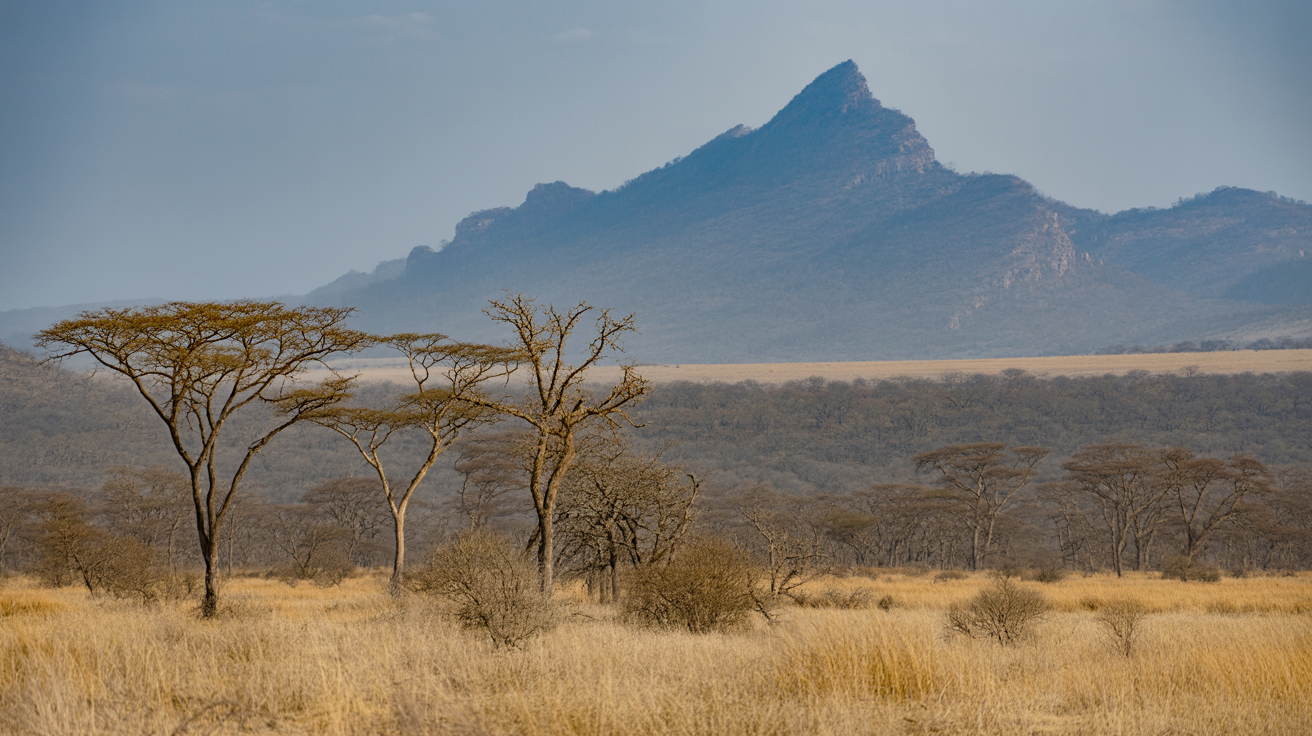 Africa
Savanna
Grasslands with scattered trees, characterized by seasonal rainfall and home to diverse grazing animals and predators.
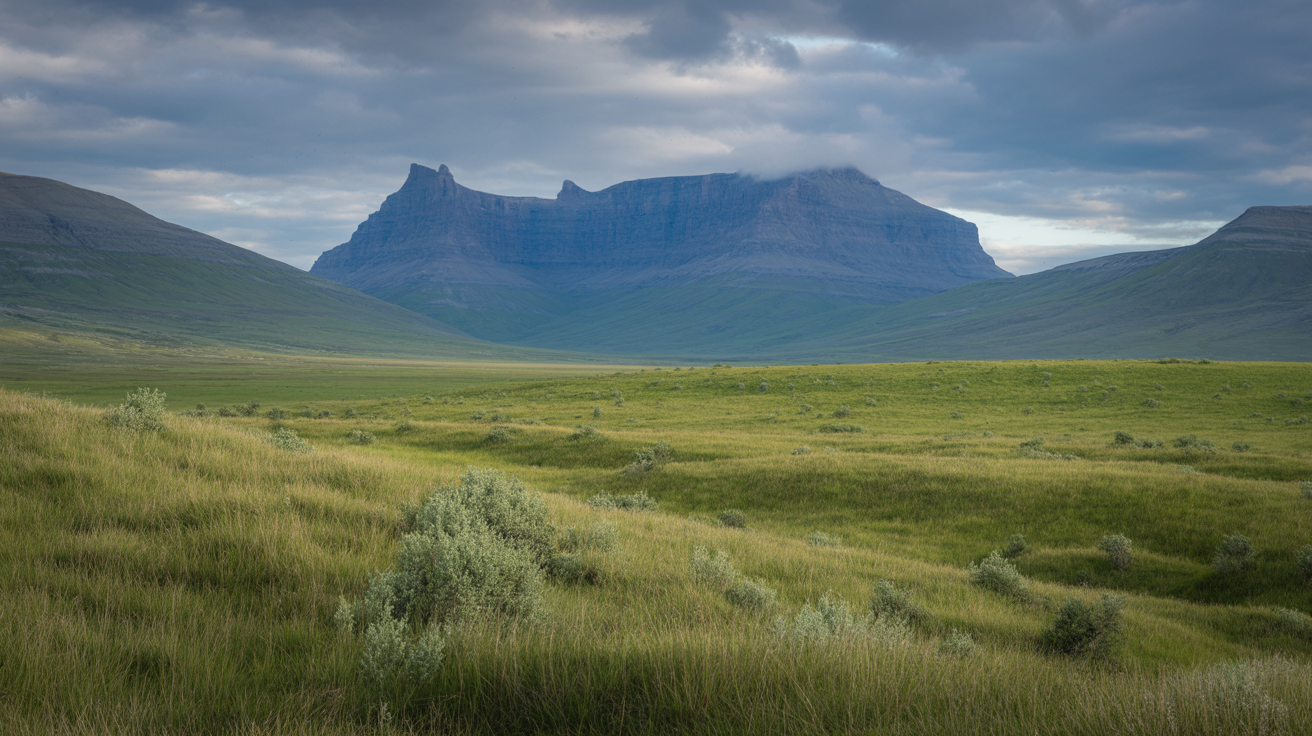 Various Continental Regions
Grassland
Open areas dominated by grasses rather than trees, supporting numerous herbivores and their predators.
 Elevated Terrain
Mountain
High-altitude environments with varying climates and specialized wildlife adapted to rugged terrain and thin air.
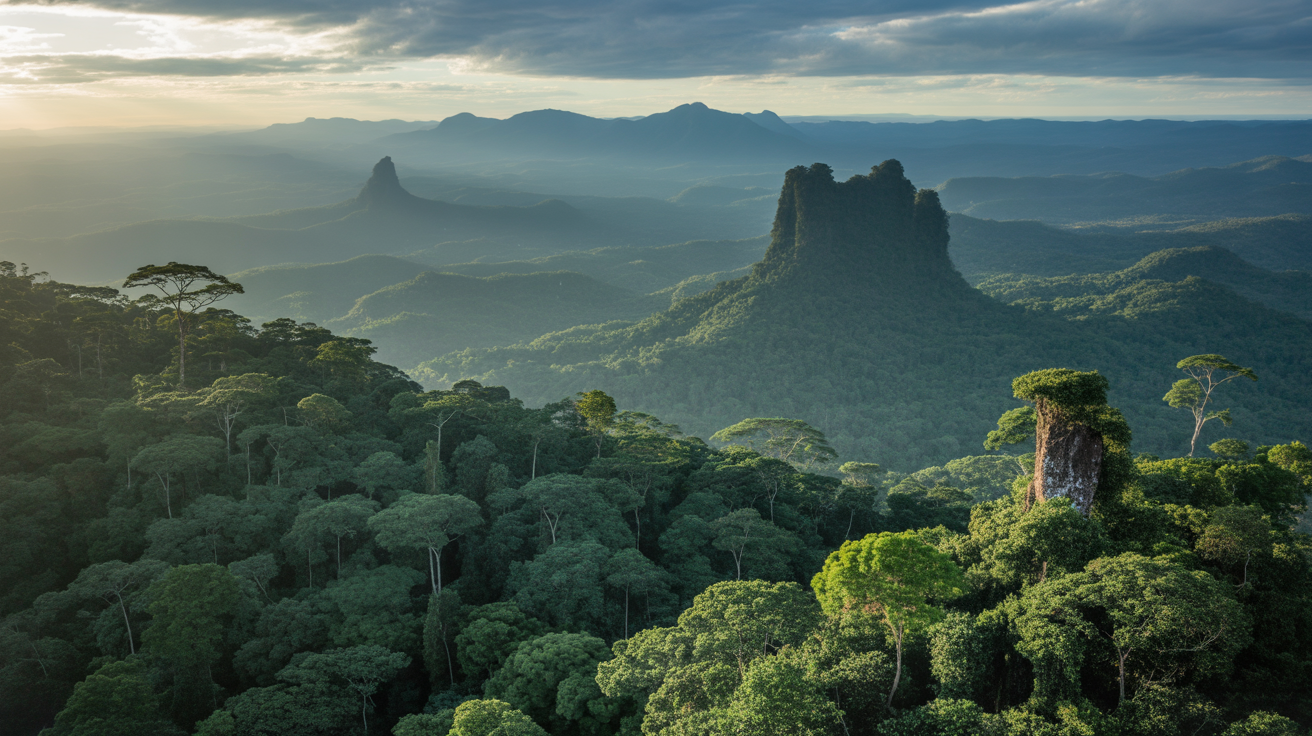 Tropical Regions
Rainforest
Dense, wet forests with the highest biodiversity on Earth, containing more than half of the world's plant and animal species.
 Global
Forest
Wooded areas with significant tree cover and diverse plant and animal communities.
Conservation
The Carpet Python is currently classified as Least Concern on the IUCN Red List.
Threats & challenges
Currently listed as Least Concern by the IUCN, Carpet Pythons face localized threats from habitat loss due to land clearing, road mortality, and persecution by humans who mistake them for venomous snakes. In some regions, populations are impacted by the illegal pet trade and predation by introduced species such as cats and foxes. However, their adaptability to urban and suburban environments has buffered them against more severe declines. Ongoing monitoring is necessary to detect potential future threats, especially as urbanization and climate change alter their habitats.
Taxonomy
Scientific name
Morelia spilota
- Kingdom
- Animalia
- Phylum
- Chordata
- Class
- Reptilia
- Order
- Squamata
- Family
- Pythonidae
- Genus
- Morelia
- Species
- spilota
Where to see a carpet python
3 zoos and aquariums in 1 country are recorded as keeping this species.
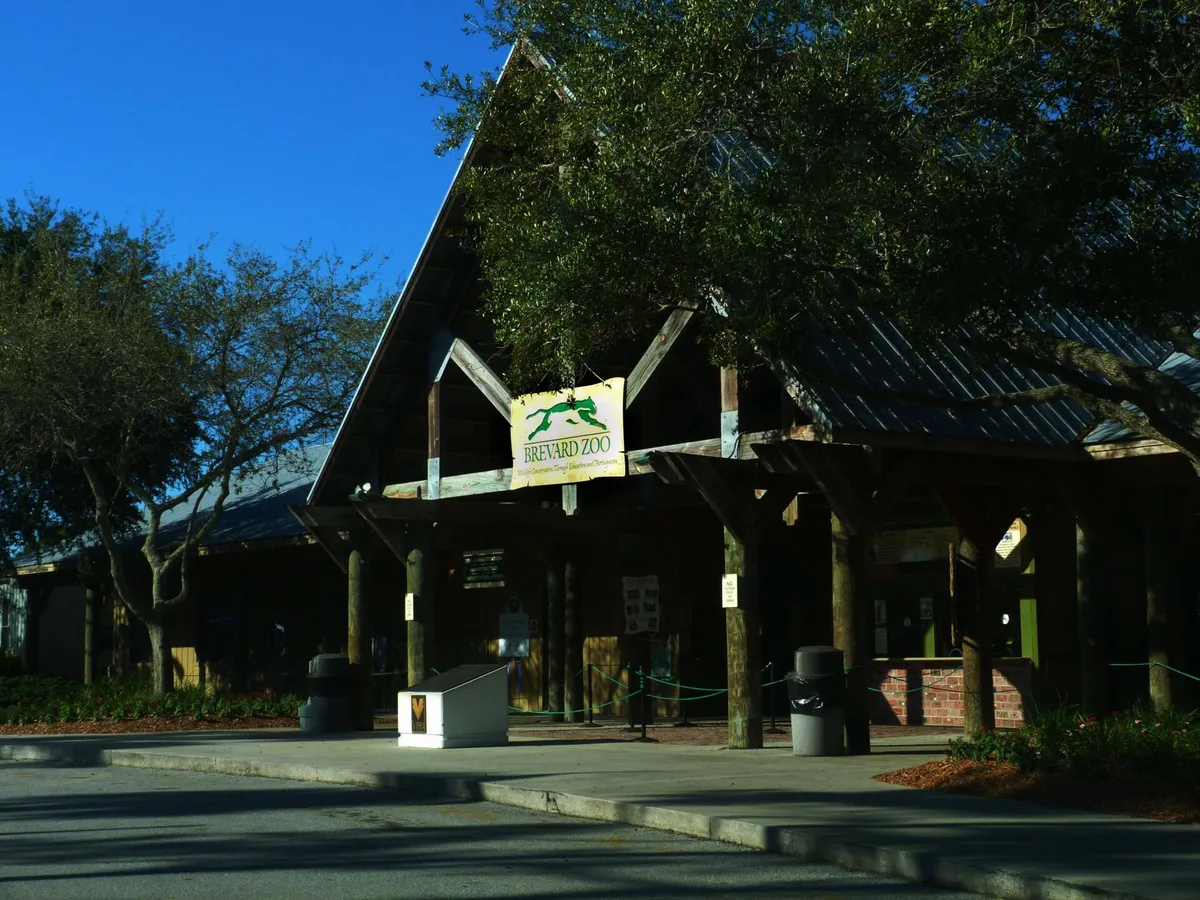 Brevard Zoo🇺🇸 Melbourne, United States
- 🦁Charles Paddock Zoo🇺🇸 Atascadero, United States
 Birmingham Zoo🇺🇸 United States
Community notes
Share your observations about the Carpet Python.
No community notes yet. Be the first!
Discover more wildlife
More fascinating animals from the encyclopedia.