
About the Carrion beetle
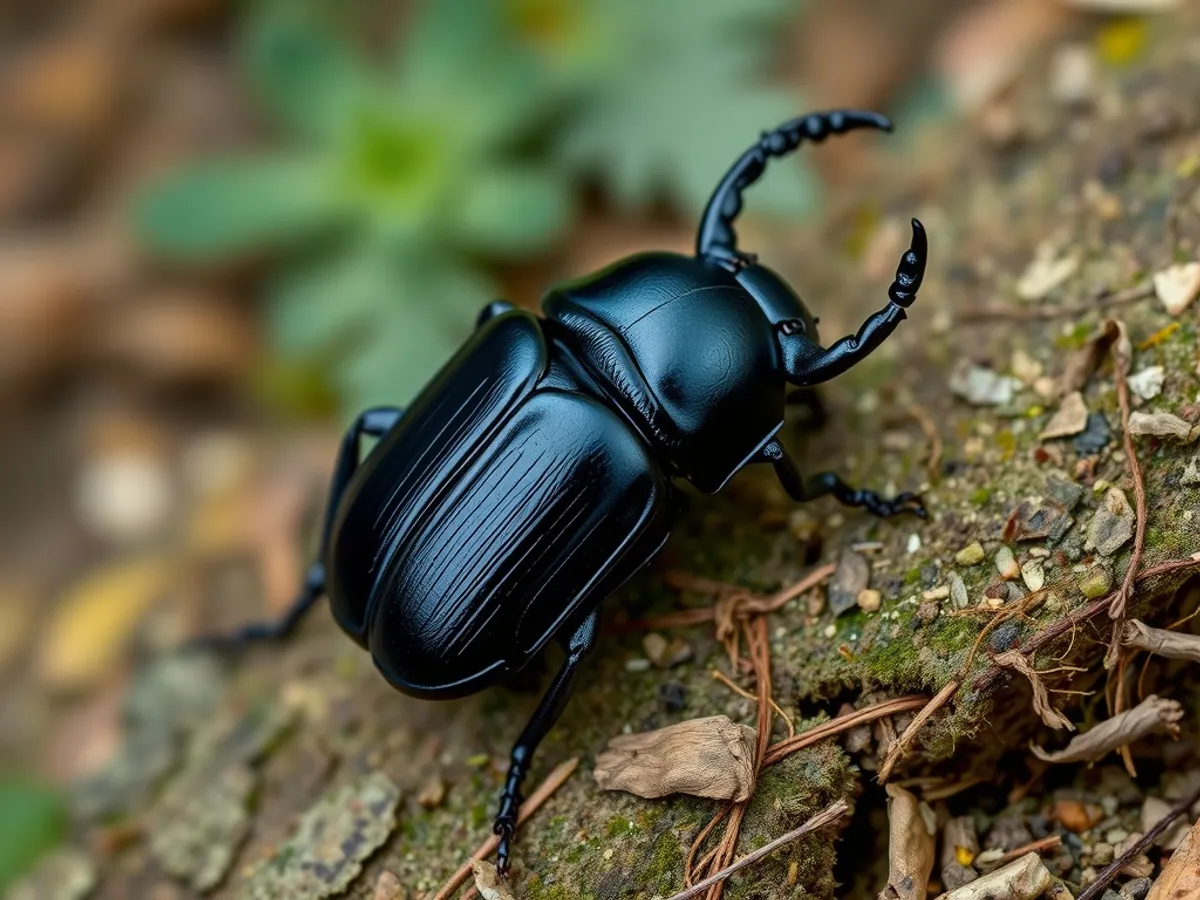
The carrion beetle is a medium-sized beetle renowned for its role in consuming and decomposing dead animals. Sporting a flattened, oval-shaped body, carrion beetles often display distinctive black or dark brown coloration, sometimes with orange or yellow markings. They are primarily nocturnal and are equipped with strong antennae to locate decaying organic matter from a distance. These beetles play a crucial ecological role by recycling nutrients and helping to break down carcasses in forest and grassland ecosystems.
Fascinating facts
Natural Recycler
Carrion beetles help break down and recycle dead animals, preventing the spread of disease and enriching the soil.
Sensitive Smell
They possess highly sensitive antennae that can detect the scent of a carcass from kilometers away.
Parental Care
Some carrion beetle species exhibit unique parental care, staying with their young and feeding them until they are ready to pupate.
Detailed description
Silpha americana, commonly known as the American carrion beetle, is a medium-sized beetle typically measuring 13–20 mm in length. Its body is dorsoventrally flattened and broadly oval, an adaptation that allows it to maneuver beneath carcasses and within leaf litter. The elytra (hardened forewings) are usually matte black or dark brown, often displaying subtle orange or yellowish markings near the pronotum, which can aid in species identification. The antennae are clubbed and highly sensitive, enabling the beetle to detect volatile organic compounds released by decomposing animal matter from considerable distances. The legs are robust, facilitating both rapid movement and digging. Silpha americana is primarily nocturnal, emerging at dusk to search for carrion, which serves as both a food source and breeding substrate. Unlike some other Silphidae, this species does not bury carcasses but instead feeds and breeds on exposed remains. The larvae are elongate, dark, and somewhat flattened, resembling miniature adults, and are well-adapted for moving through decaying tissue. Adults and larvae both contribute to the decomposition process, playing a vital role in nutrient cycling within temperate forest and grassland ecosystems.
Did you know?
Certain carrion beetles are able to bury small animal carcasses underground to provide food for their offspring, helping to reduce competition and predation.
Research & sources
Wikipedia summary
Silphidae is a family of beetles that are known commonly as large carrion beetles, carrion beetles or burying beetles. There are two subfamilies: Silphinae and Nicrophorinae. Members of Nicrophorinae are sometimes known as burying beetles or sexton beetles. The number of species is relatively small, at around two hundred. They are more diverse in the temperate region although a few tropical endemics are known. Both subfamilies feed on decaying organic matter such as dead animals. The subfamilies differ in which uses parental care and which types of carcasses they prefer. Silphidae are considered to be of importance to forensic entomologists because when they are found on a decaying body they are used to help estimate a post-mortem interval.
Behaviour & social structure
Silpha americana exhibits crepuscular to nocturnal activity, with peak foraging occurring shortly after sunset. Adults are attracted to fresh and moderately decayed carcasses, where they feed on both soft tissues and the larvae of competing insects such as flies. They use their antennae to locate food sources, often traveling significant distances. Upon finding a carcass, adults may engage in aggressive interactions with conspecifics or other scavengers to establish feeding territories. While generally solitary, multiple individuals can be found on larger carcasses, where a loose aggregation may form. Feeding involves both scraping and chewing, with mandibles adapted for tearing flesh. Adults are also known to feed opportunistically on other decomposing organic matter, including fungi and decaying plant material. Larvae are less mobile than adults and remain on the carcass, feeding voraciously until pupation.
Reproduction & life cycle
Reproduction in Silpha americana typically occurs from late spring through early autumn, coinciding with increased availability of vertebrate carcasses. After mating, females lay clusters of eggs directly on or near the carcass. The incubation period lasts 3–7 days, depending on temperature and humidity. Unlike the closely related Nicrophorinae (burying beetles), Silpha americana provides minimal parental care; adults may remain on the carcass to feed but do not actively tend to the larvae. Larvae undergo three instar stages over a period of 10–14 days, feeding continuously before burrowing into the soil to pupate. The pupal stage lasts approximately 7–14 days, after which new adults emerge. Multiple generations may be produced per year in warmer climates.
Adaptations & survival
Silpha americana possesses several adaptations for scavenging. Its flattened body allows access to tight spaces beneath carcasses and within detritus. The clubbed antennae are highly sensitive to olfactory cues, enabling efficient location of food sources. The beetle's dark coloration provides camouflage against the substrate and may help regulate body temperature during nocturnal activity. Mandibles are robust and well-suited for tearing through tough tissues. Both adults and larvae can tolerate high concentrations of bacteria and toxins present in decaying flesh, thanks to specialized gut microbiota and immune responses. The species' ability to exploit a wide range of carrion sizes, from small vertebrates to larger mammals, enhances its ecological flexibility.
Cultural significance
Carrion beetles, including Silpha americana, have historically been regarded with a mixture of fascination and aversion due to their association with death and decay. In some cultures, they symbolize transformation and the recycling of life, reflecting their ecological role. While not commonly featured in folklore or mythology, carrion beetles are important in forensic entomology, where their presence on decomposing remains can help estimate the post-mortem interval in criminal investigations. There are no known traditional uses of Silpha americana in medicine or crafts.
Recent research
Recent phylogenetic studies have led to a reclassification of Silphidae, with some taxonomists now placing the group as a subfamily (Silphinae) within the larger family Staphylinidae. Ongoing research focuses on the chemical ecology of carrion beetles, particularly the volatile compounds used in carcass detection and intraspecific communication. Studies have also examined the gut microbiome of Silpha americana, revealing adaptations that enable digestion of putrefying tissues and resistance to pathogens. Forensic entomologists continue to refine the use of Silphidae in post-mortem interval estimation, with Silpha americana serving as a model species in North American contexts.
Videos
Habitat
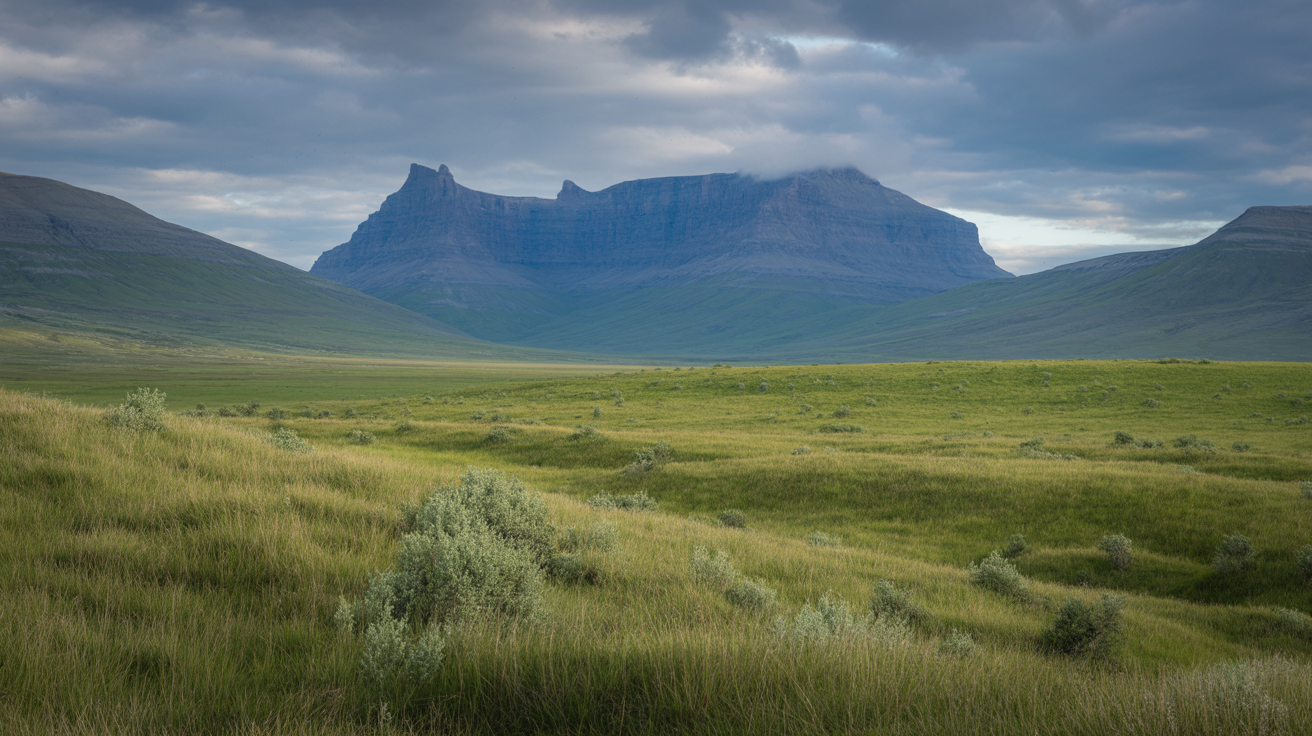
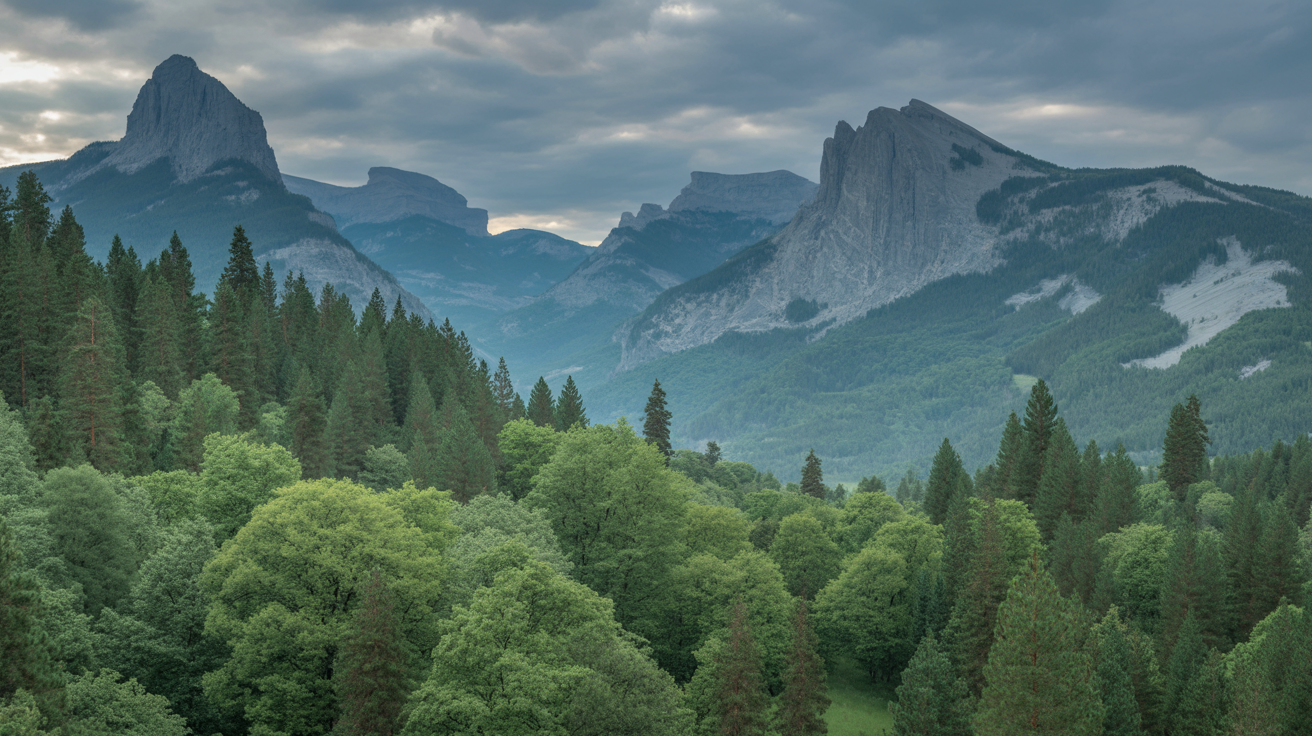
Temperate forests and grasslands
Conservation
The Carrion beetle is currently classified as Least Concern on the IUCN Red List.
Threats & challenges
Currently, Silpha americana is listed as Least Concern, with stable populations across its range. However, habitat loss due to deforestation, urbanization, and agricultural expansion can reduce the availability of suitable carrion and microhabitats. The widespread use of pesticides and rodenticides may also indirectly impact populations by reducing food sources or causing direct toxicity. Climate change could alter the timing and abundance of carrion resources, potentially affecting reproductive success. Despite these challenges, the species' adaptability and broad ecological niche have allowed it to persist in both natural and disturbed environments.
Taxonomy
Scientific name
Silpha americana
- Kingdom
- Animalia
- Phylum
- Arthropoda
- Class
- Insecta
- Order
- Coleoptera
- Family
- Silphidae
- Genus
- Silpha
- Species
- americana
Community notes
Share your observations about the Carrion beetle.
No community notes yet. Be the first!
Discover more wildlife
More fascinating animals from the encyclopedia.