
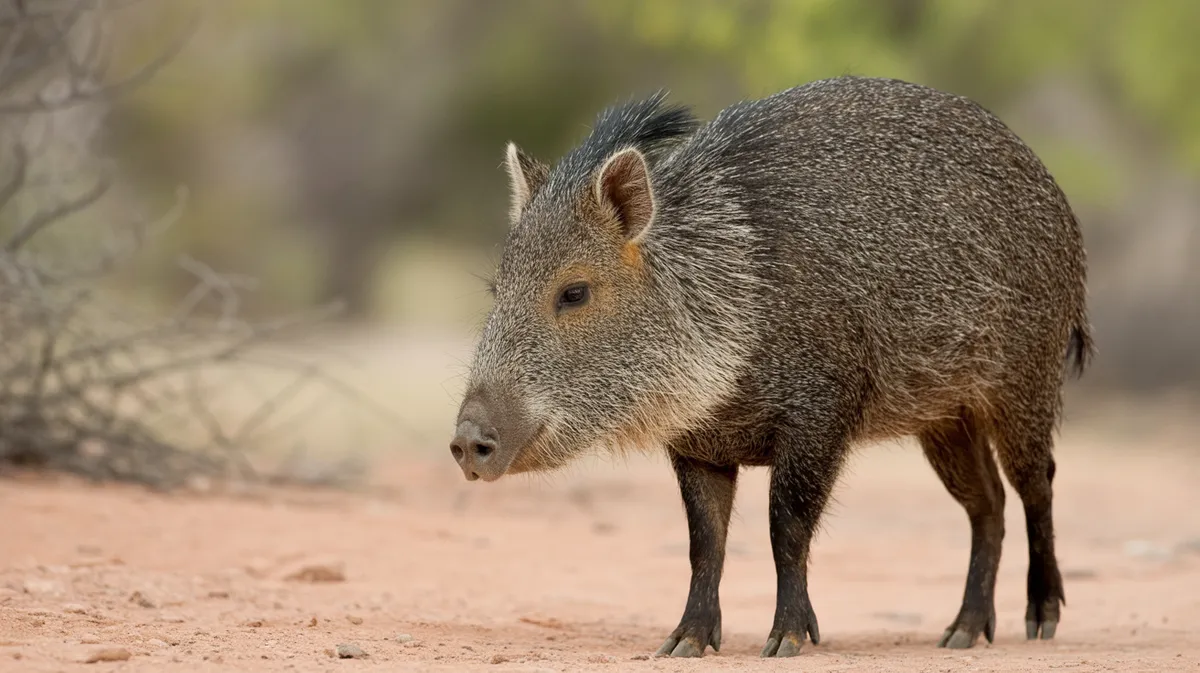
About the Collared Peccary
The collared peccary is a medium-sized mammal native to the Americas, often mistaken for a wild pig due to its similar appearance. It has a coarse, bristly coat that is grayish-black with a distinctive white or yellowish collar across its shoulders. Highly adaptable, the collared peccary thrives in a variety of habitats, from deserts and scrublands to tropical forests. Social animals, they typically live in herds ranging from a few individuals to over twenty. Their diet is omnivorous, consisting mainly of fruits, seeds, roots, and small animals.
Fascinating facts
Scent Glands
Collared peccaries use strong-smelling scent glands near their tails to communicate and mark territory.
Social Herds
They are highly social animals, living in groups that provide protection and facilitate foraging.
Desert Adapted
Collared peccaries are well adapted to arid environments and can survive on tough desert plants like prickly pear cacti.
Detailed description
The collared peccary (Pecari tajacu), also known as the javelina, is a robust, medium-sized mammal measuring 85–105 cm (33–41 in) in length and weighing 16–27 kg (35–60 lbs), with males and females being similar in size. Its most distinctive feature is a pale, whitish or yellowish band of fur encircling its shoulders, contrasting with the coarse, grizzled black and gray pelage covering the rest of its body. The head is wedge-shaped with a short, mobile snout adapted for rooting, and the eyes are small, providing limited vision but a keen sense of smell. Collared peccaries possess sharp, ever-growing canine teeth (tusks) that point downward, unlike the outward-pointing tusks of true pigs. These animals are highly social, forming stable herds typically ranging from 6 to 20 individuals, though groups of up to 50 have been recorded in optimal habitats. Communication is achieved through a complex array of vocalizations, scent marking, and body language. They are primarily diurnal, with peak activity during cooler morning and evening hours, and rest in shaded areas or burrows during the heat of the day. Their omnivorous diet includes fruits, seeds, roots, tubers, insects, small vertebrates, and occasionally carrion. Collared peccaries play a significant ecological role as seed dispersers and as prey for large predators. Their adaptability allows them to thrive in diverse environments, from arid deserts to humid tropical forests, and even in proximity to human settlements.
Did you know?
Despite resembling pigs, collared peccaries are not members of the pig family but belong to their own separate family, Tayassuidae.
Research & sources
Wikipedia summary
The collared peccary is a peccary, a species of artiodactyl (even-toed) mammal in the family Tayassuidae found in North, Central, and South America. It is the only member of the genus Dicotyles. They are commonly referred to as javelina, saíno, taitetu, or báquiro, although these terms are also used to describe other species in the family. The species is also known as the musk hog. In Trinidad, it is colloquially known as quenk.
Behaviour & social structure
Collared peccaries exhibit strong group cohesion, with individuals engaging in mutual grooming and coordinated movements to maintain social bonds. They use communal latrines and scent glands located on their backs to mark territory and reinforce group identity. When threatened, the herd may form a defensive circle, presenting their tusks outward and emitting loud barking or grunting calls. Foraging is usually a group activity, with individuals using their sensitive snouts to root for food and their keen sense of smell to locate fruits and tubers. They are opportunistic feeders and may adjust their diet seasonally based on resource availability. Daily routines include foraging in the early morning and late afternoon, resting in shaded thickets or shallow burrows during midday, and returning to established sleeping sites at night. In areas with human presence, they may become more nocturnal to avoid disturbance. Aggression within the herd is rare but can occur during competition for food or mating opportunities.
Reproduction & life cycle
Collared peccaries do not have a strict breeding season, though in many regions, births peak during the rainy season when food is abundant. Females reach sexual maturity at about 8–14 months of age. After a gestation period of approximately 141–151 days (about 4.5–5 months), females give birth to litters of 1–4 precocial young, with 2 being most common. Births usually occur in dense cover or shallow burrows for protection. Newborns are well-developed, able to follow the mother within hours, and are weaned at around 2–3 months. Both males and females may participate in defending the young, but maternal care is primary. Females can breed again shortly after weaning, allowing for multiple litters per year under favorable conditions.
Adaptations & survival
Collared peccaries are highly adapted to a range of environments. Their tough, leathery snouts and strong jaw muscles enable them to root for underground food and crack hard seeds or nuts. The downward-pointing tusks are used for digging, defense, and in social interactions. Their bristly fur provides protection from thorny vegetation and helps regulate body temperature. Scent glands on the rump produce a musky odor used for communication and territorial marking. Physiologically, they are efficient water conservers, able to survive on succulent plants and tolerate high temperatures, which is crucial in arid habitats. Behaviorally, their social structure enhances predator detection and defense, while their flexible diet allows them to exploit a wide range of food sources.
Cultural significance
Collared peccaries hold various roles in indigenous and local cultures throughout their range. They are hunted for meat and hides, and in some regions, their bones and teeth are used in traditional crafts or as amulets. In folklore, they are often depicted as symbols of resourcefulness and social cooperation. In the southwestern United States and Mexico, the javelina features in Native American stories and is sometimes associated with rain or fertility. In Trinidad, the 'quenk' is a notable figure in rural traditions and cuisine. In some areas, peccaries are considered agricultural pests, while in others, they are valued game animals and a source of subsistence protein.
Recent research
Recent genetic studies have clarified the taxonomy of collared peccaries, confirming Pecari tajacu as the only extant member of its genus, with some debate over subspecies delineation. Ongoing research focuses on their ecological role as seed dispersers and their adaptability to fragmented landscapes. Studies using GPS telemetry have revealed detailed movement patterns and habitat use, showing their ability to exploit urban environments. Research into disease dynamics, particularly the transmission of pathogens between peccaries and livestock, is an emerging field. There is also interest in their behavioral plasticity, including shifts in activity patterns in response to human disturbance and climate change.
Videos
Habitat
Deserts, scrublands, tropical forests, and grasslands
 Arid Regions
Desert
Arid lands with minimal rainfall, extreme temperatures, and specialized wildlife adapted to harsh conditions.
 Various Continental Regions
Grassland
Open areas dominated by grasses rather than trees, supporting numerous herbivores and their predators.
 Global
Forest
Wooded areas with significant tree cover and diverse plant and animal communities.
Conservation
The Collared Peccary is currently classified as Least Concern on the IUCN Red List.
Threats & challenges
Although currently listed as Least Concern by the IUCN, collared peccaries face localized threats from habitat loss due to agricultural expansion, urbanization, and deforestation. Hunting for meat and hides, as well as conflict with farmers over crop damage, also pose significant pressures in some areas. Road mortality is a growing concern in regions with expanding infrastructure. Disease transmission from domestic livestock, particularly in areas of habitat overlap, is an emerging threat. Despite these challenges, their adaptability and reproductive capacity have allowed populations to remain stable or even expand in some regions, including urban and suburban areas. However, isolated populations, especially at the northern and southern edges of their range, may be more vulnerable to local extirpation.
Taxonomy
Scientific name
Pecari tajacu
- Kingdom
- Animalia
- Phylum
- Chordata
- Class
- Mammalia
- Order
- Artiodactyla
- Family
- Tayassuidae
- Genus
- Pecari
- Species
- tajacu
Where to see a collared peccary
7 zoos and aquariums in 5 countries are recorded as keeping this species.
 National Zoological Park🇺🇸 Washington, United States
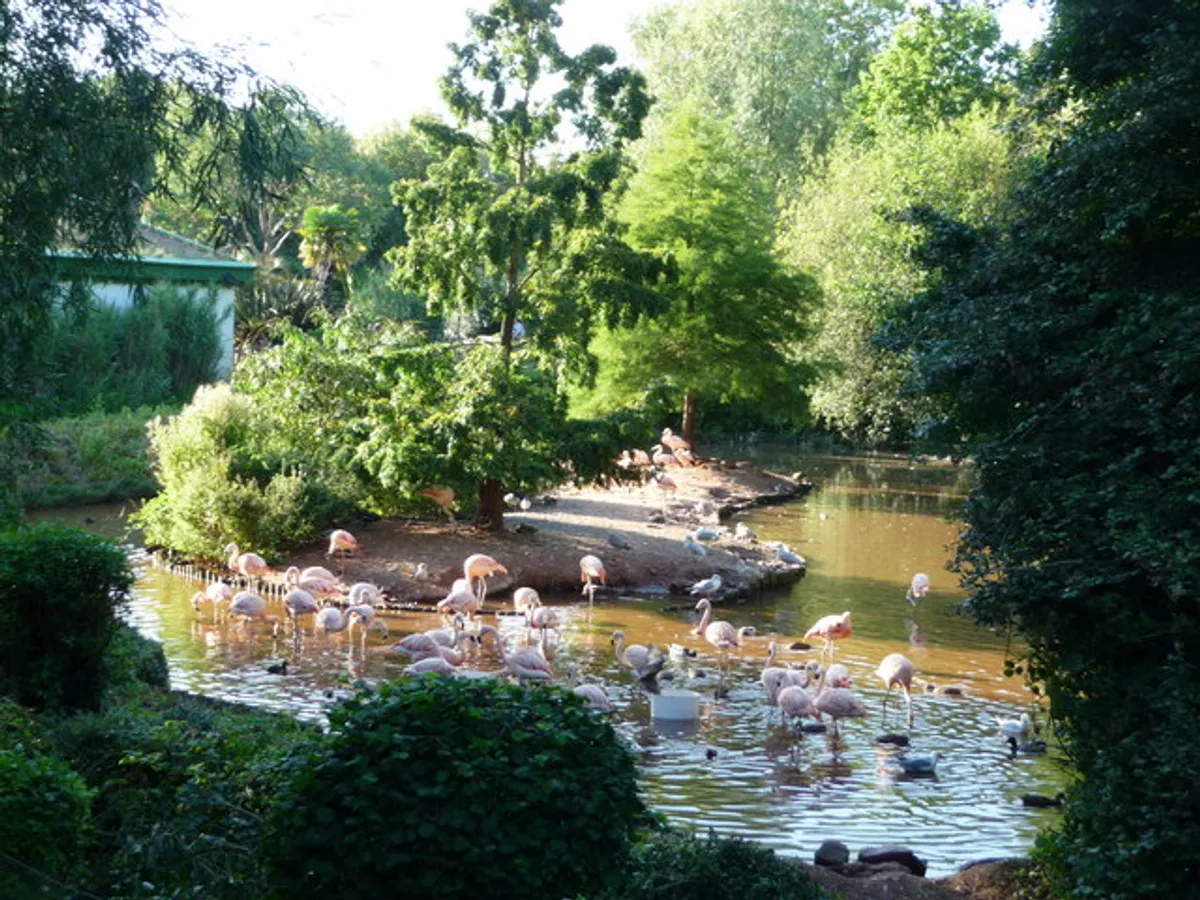 Paignton Zoo🇬🇧 Paignton, United Kingdom
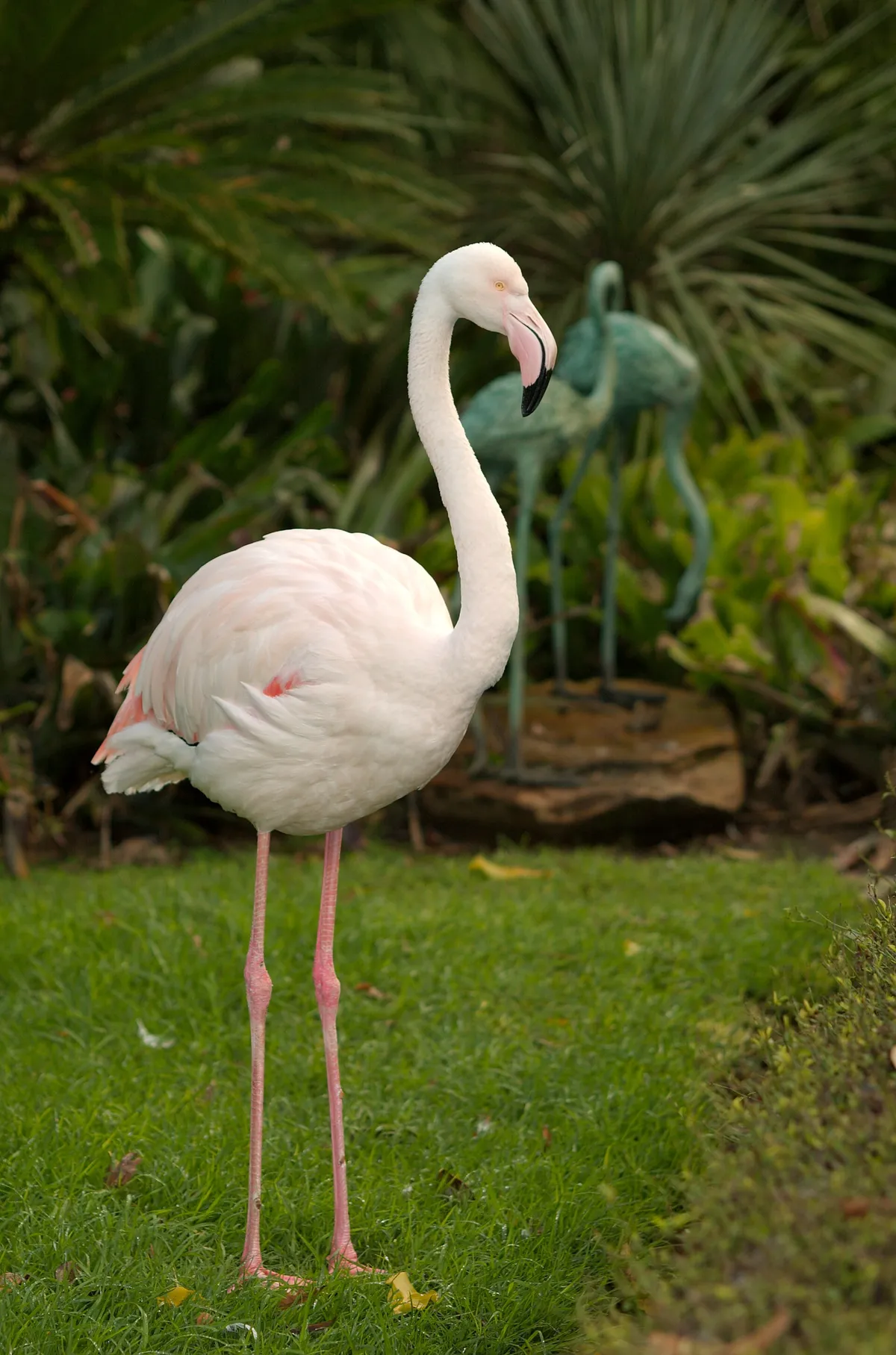 Adelaide Zoo🇦🇺 Australia
 Melbourne Zoological Gardens🇦🇺 Australia
- 🦁Greater Vancouver Zoo🇨🇦 Canada
Community notes
Share your observations about the Collared Peccary.
No community notes yet. Be the first!
Discover more wildlife
More fascinating animals from the encyclopedia.