
About the Dwarf Crocodile
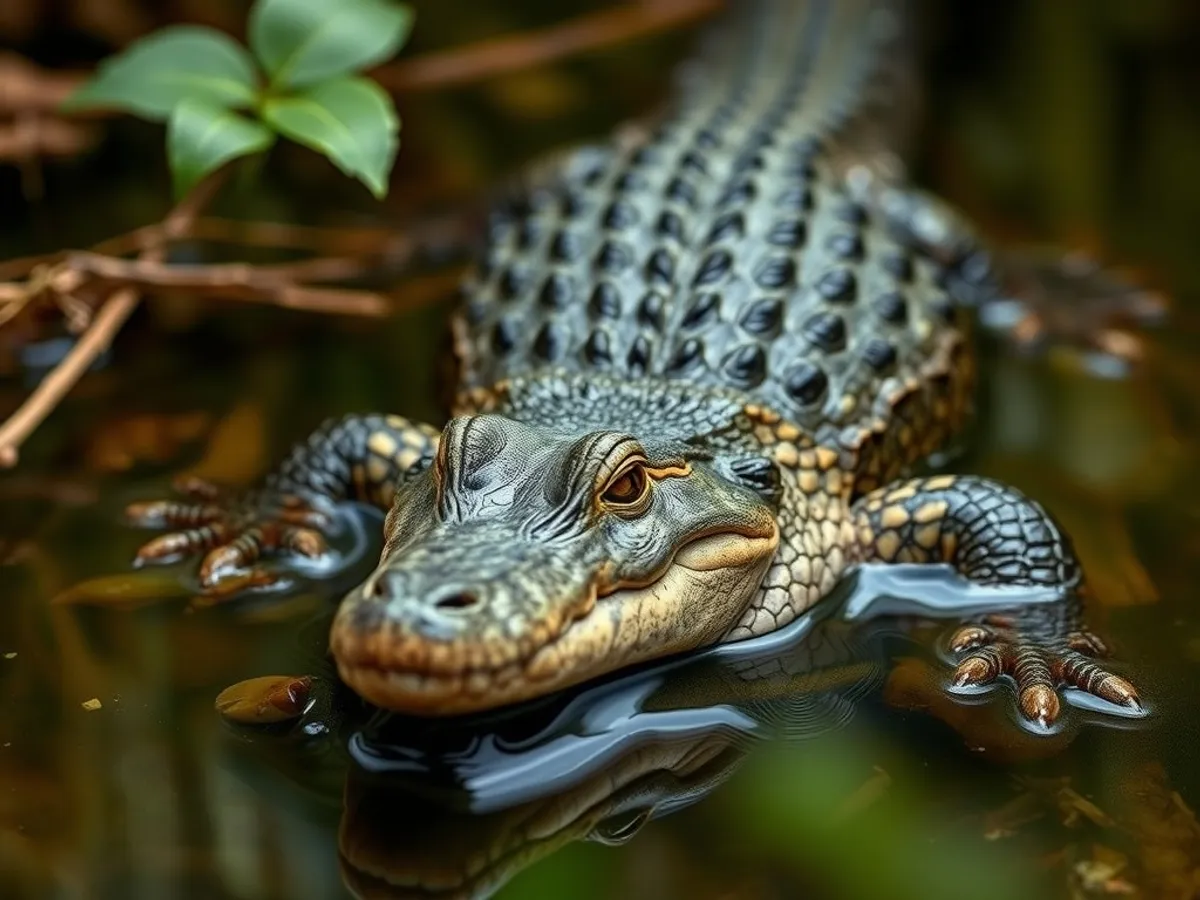
The Dwarf Crocodile is the smallest living crocodilian species, native to the dense tropical forests and swamps of West and Central Africa. Characterized by its short, broad snout and heavily armored body, it typically grows much smaller than other crocodiles, rarely exceeding 1.6 meters in length. Nocturnal and shy, the dwarf crocodile spends much of its time in burrows or shallow water, emerging at night to hunt. This elusive reptile is well-adapted for a semi-aquatic lifestyle and plays a vital role in its ecosystem by controlling populations of aquatic invertebrates and small vertebrates.
Fascinating facts
Smallest Crocodilian
The dwarf crocodile is the world's smallest crocodile species, typically growing to only about 1.5 meters in length.
Nocturnal Hunter
This species is almost entirely nocturnal, spending daylight hours hidden in burrows or dense vegetation.
Heavily Armored
Their body is covered in bony, armor-like scales called osteoderms, which offer significant protection.
Detailed description
The dwarf crocodile (Osteolaemus tetraspis) is the smallest extant crocodilian, with adults typically measuring 1.2 to 1.6 meters in length, though rare individuals may reach up to 1.9 meters. It has a robust, heavily armored body with prominent osteoderms (bony scutes) covering the back and tail, providing exceptional protection. The head is short and broad, with a blunt snout adapted for crushing prey. Its coloration is generally dark brown to black, aiding in camouflage in the shadowy, muddy waters of its forested habitat. The limbs are relatively short but strong, facilitating both swimming and terrestrial movement. Dwarf crocodiles are primarily nocturnal and secretive, spending daylight hours hidden in burrows or dense vegetation near water. Their eyes and nostrils are positioned dorsally, allowing them to remain mostly submerged while observing their surroundings. Unlike larger crocodilians, they are solitary and highly territorial, especially during the breeding season. Their ecological role is significant, as they regulate populations of aquatic invertebrates, fish, amphibians, and small mammals, contributing to the health of wetland ecosystems.
Did you know?
Despite their small size, dwarf crocodiles are known to dig complex burrows up to 6 meters long to stay cool and safe during the day.
Research & sources
Wikipedia summary
The dwarf crocodile, also known as the African dwarf crocodile, broad-snouted crocodile or bony crocodile, is an African crocodile that is also the smallest extant (living) species of crocodile.
Behaviour & social structure
Dwarf crocodiles are predominantly nocturnal, emerging from burrows or dense cover at dusk to forage. They are opportunistic feeders, preying on fish, crustaceans, mollusks, amphibians, insects, and occasionally small mammals or birds. Foraging is typically solitary and involves slow, stealthy movements along the water’s edge or in shallow pools. They may also scavenge carrion. During the day, they retreat to self-dug burrows—sometimes up to 3 meters long—or natural cavities to avoid predators and extreme temperatures. Social interactions are minimal outside of the breeding season, with individuals maintaining exclusive territories. Vocalizations are rare but may include hissing or grunting, especially during territorial disputes or courtship.
Reproduction & life cycle
Breeding occurs at the onset of the rainy season (typically May to July, depending on locality). Males and females engage in brief courtship displays, which may involve vocalizations and tactile interactions. Females construct mound nests from vegetation and mud, usually close to water, and lay clutches of 10–20 eggs. Incubation lasts approximately 85–105 days, with nest temperature influencing the sex of hatchlings (temperature-dependent sex determination). Females exhibit parental care by guarding the nest and assisting hatchlings to water upon emergence. Juveniles remain near the mother for several weeks, benefiting from her protection against predators. Sexual maturity is reached at about 10–12 years of age.
Adaptations & survival
The dwarf crocodile exhibits several adaptations for a semi-aquatic, forest-dwelling lifestyle. Its heavily armored skin provides defense against predators and conspecific aggression. The short, broad snout is specialized for crushing hard-shelled prey such as crustaceans and mollusks. Dorsally placed eyes and nostrils allow for stealthy surveillance while mostly submerged. Burrowing behavior helps regulate body temperature and offers refuge from both predators and environmental extremes. Nocturnality reduces competition and predation risk, while cryptic coloration enhances camouflage in low-light, muddy environments. Their slow metabolism enables survival in habitats with fluctuating food availability.
Cultural significance
The dwarf crocodile holds a modest place in local folklore and traditional practices in West and Central Africa. In some regions, it is considered a symbol of resilience and adaptability. Its meat is consumed as bushmeat, and occasionally, body parts are used in traditional medicine or rituals. However, it does not have the same prominent mythological or symbolic status as larger crocodilian species in African cultures.
Recent research
Recent phylogenetic studies (e.g., Rio & Mannion, 2021) have clarified the evolutionary relationships of Osteolaemus within Crocodylia, supporting its placement in the subfamily Osteolaeminae. Genetic research has revealed the existence of cryptic diversity within the genus, with some evidence suggesting the presence of distinct lineages or subspecies (e.g., Osteolaemus osborni in Central Africa). Ongoing field studies focus on population genetics, habitat use, and the impacts of human activities. Conservation research is increasingly using environmental DNA (eDNA) and camera trapping to monitor elusive populations. There is growing interest in the species’ role as an indicator of wetland ecosystem health.
Sources
Phylogenetic analysis of a new morphological dataset elucidates the evolutionary history of Crocodylia and resolves the long-standing gharial problem
Jonathan P. Rio & Philip D. Mannion (2021)
scientificVideos
Habitat
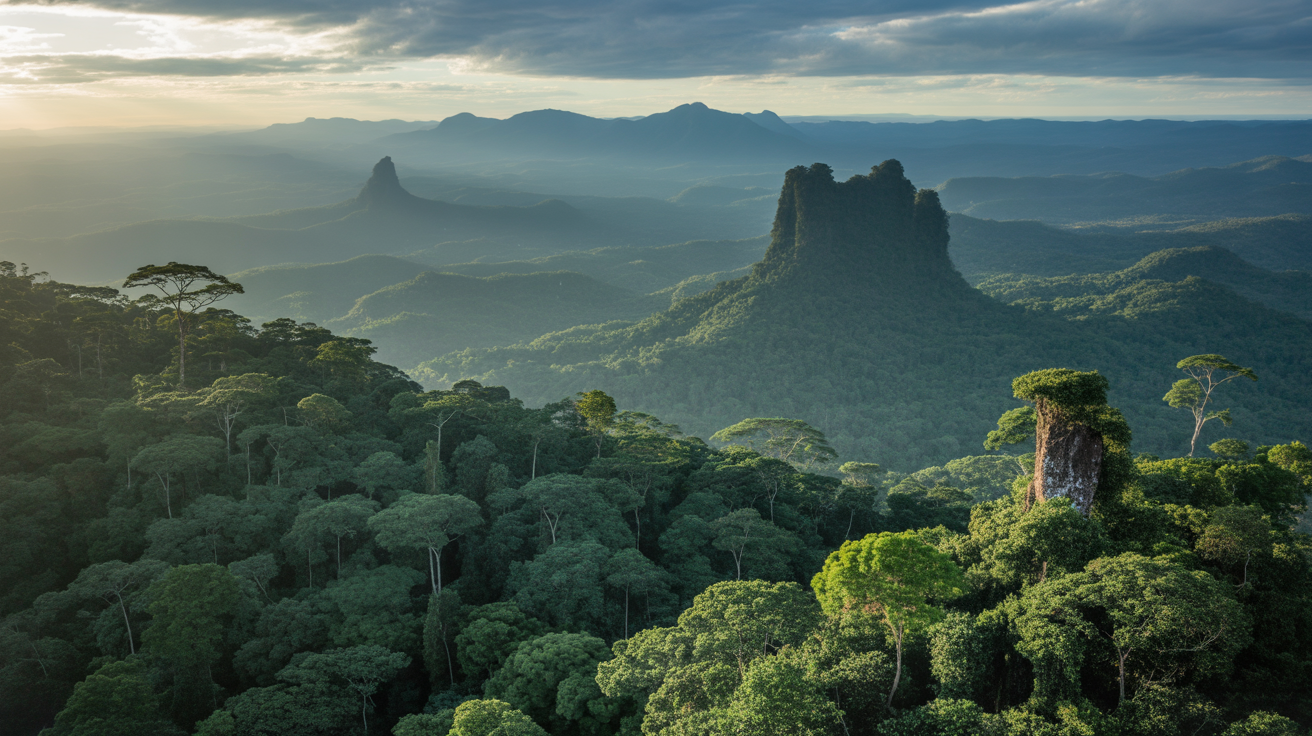
Tropical rainforest swamps and slow-moving freshwater bodies
 Tropical Regions
Rainforest
Dense, wet forests with the highest biodiversity on Earth, containing more than half of the world's plant and animal species.
 Global
Forest
Wooded areas with significant tree cover and diverse plant and animal communities.
 Global
Freshwater
Lakes, rivers, and wetlands with diverse aquatic ecosystems.
Conservation
The Dwarf Crocodile is currently classified as Vulnerable on the IUCN Red List.
Threats & challenges
Major threats to the dwarf crocodile include habitat destruction due to deforestation, wetland drainage, and conversion of forests to agriculture. Bushmeat hunting is a significant pressure, as the species is targeted for its meat in local markets. Pollution and waterway modification further degrade suitable habitat. Although still relatively widespread, populations are declining and becoming increasingly fragmented. The IUCN lists the species as Vulnerable, with some local populations at greater risk. Conservation challenges include limited data on population trends, difficulties in monitoring due to the species’ secretive nature, and ongoing habitat loss.
Taxonomy
Scientific name
Osteolaemus tetraspis
- Kingdom
- Animalia
- Phylum
- Chordata
- Class
- Reptilia
- Order
- Crocodylia
- Family
- Crocodylidae
- Genus
- Osteolaemus
- Species
- tetraspis
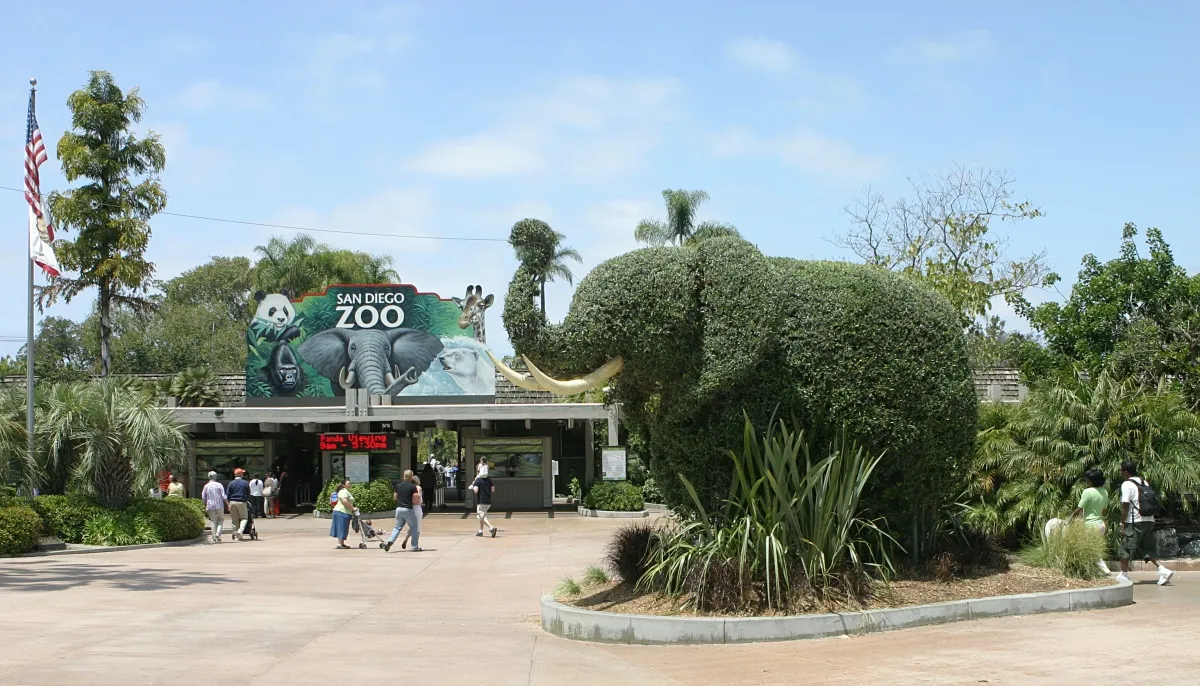
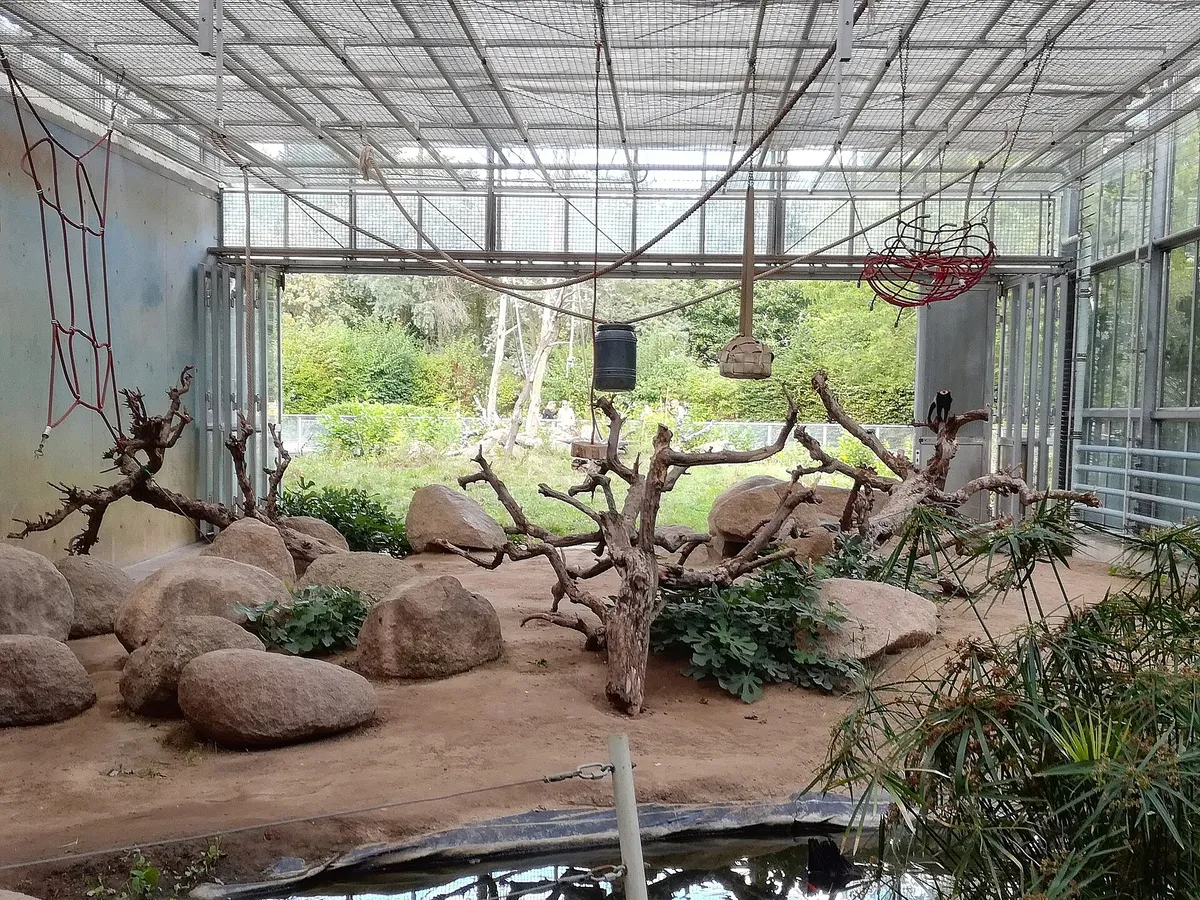
Where to see a dwarf crocodile
3 zoos and aquariums in 2 countries are recorded as keeping this species.

Community notes
Share your observations about the Dwarf Crocodile.
No community notes yet. Be the first!
Discover more wildlife
More fascinating animals from the encyclopedia.