
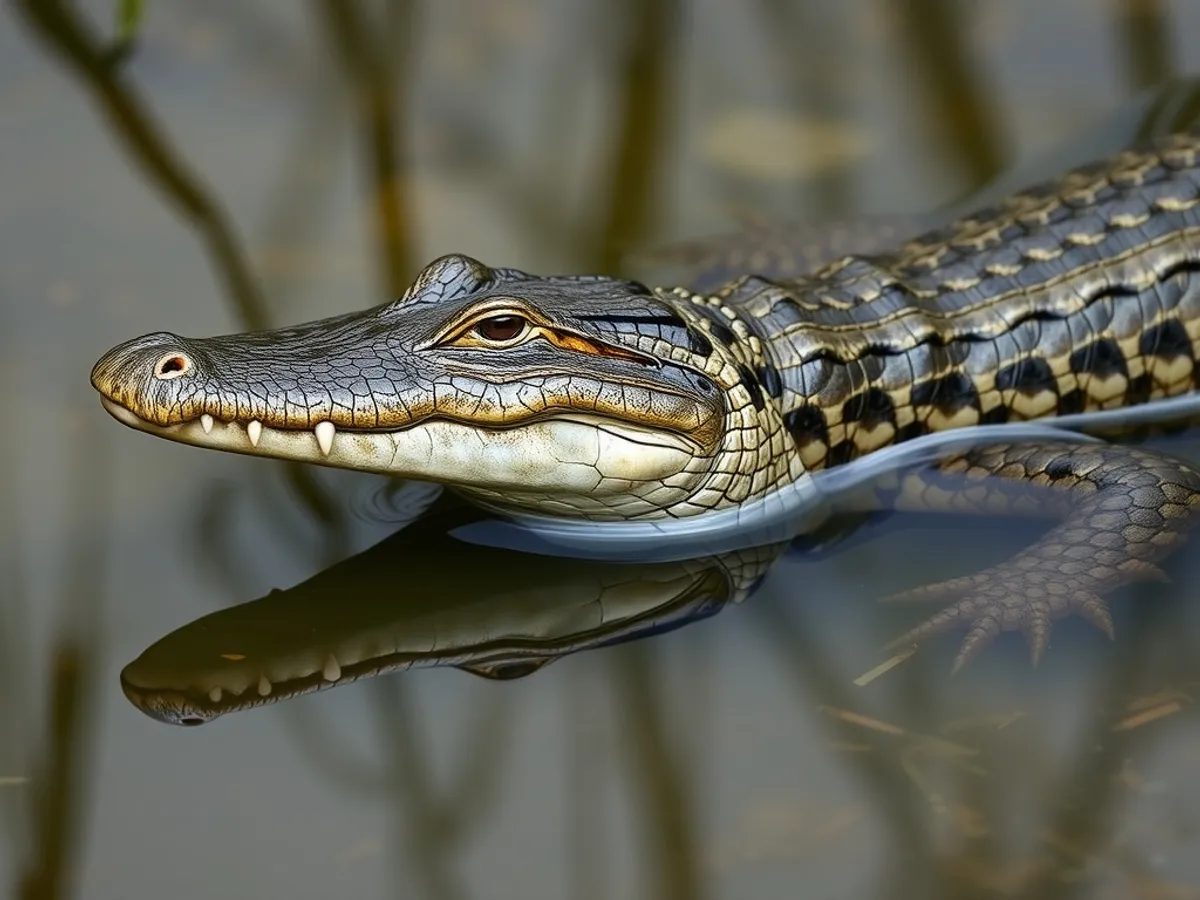
About the False Gharial
The False Gharial, also known as the Malayan gharial, is a large, freshwater crocodilian native to Southeast Asia. Distinguished by its long, slender snout, it closely resembles the true gharial but is genetically distinct and more closely related to crocodiles. This elusive reptile inhabits lowland swamps, peat forests, and slow-moving rivers, where it is a top aquatic predator. Due to extensive habitat loss and fragmentation, its populations have declined sharply in recent decades. Conservation efforts are underway to protect this rare species from extinction.
Fascinating facts
Distinctive Snout
The False Gharial's elongated, narrow snout reduces water resistance, making it highly effective at catching swift fish.
Forest Dweller
It prefers peat swamp forests and freshwater wetlands, habitats that are rapidly disappearing due to deforestation.
Hidden Nests
Females build mound nests from vegetation, and the eggs hatch after around 90 days of incubation.
Detailed description
The false gharial (Tomistoma schlegelii) is a large, semi-aquatic reptile distinguished by its exceptionally long and slender snout, which is proportionally narrower than that of most crocodilians but broader at the base than the true gharial. Adults can reach lengths of 4–5 meters (13–16 feet), with some historical records suggesting rare individuals exceeding 5 meters. Its coloration is typically dark brown to black with lighter, irregular banding on the body and tail, especially prominent in juveniles. The jaws are lined with 76–84 sharp, interlocking teeth, perfectly adapted for grasping slippery prey. The eyes are positioned high on the head, providing a wide field of vision while submerged. Unlike many crocodilians, the false gharial has a relatively narrow skull and lacks the pronounced bony boss at the tip of the snout seen in the true gharial. The body is laterally compressed with a powerful tail, facilitating efficient swimming in slow-moving waters. The limbs are relatively short but robust, aiding in both aquatic propulsion and terrestrial locomotion. Sexual dimorphism is present, with males generally larger and possessing broader heads than females. This species is primarily crepuscular and nocturnal, spending daylight hours concealed in dense vegetation or submerged.
Did you know?
Despite its name, the False Gharial is genetically closer to true crocodiles than to the true gharial.
Research & sources
Wikipedia summary
The false gharial, also known by the names Malayan gharial, Sunda gharial and tomistoma is a freshwater crocodilian of the family Gavialidae native to Peninsular Malaysia, Borneo, Sumatra and Java. It is listed as Endangered on the IUCN Red List, as the global population is estimated at around 2,500 to 10,000 mature individuals.
Behaviour & social structure
False gharials are predominantly solitary and secretive, rarely observed in groups outside of the breeding season. They are ambush predators, relying on stealth and patience to capture prey. Their diet shifts ontogenetically: juveniles feed mainly on fish, amphibians, and invertebrates, while adults are known to take larger vertebrates, including fish, birds, small mammals, and occasionally other reptiles. Recent studies have documented predation on primates and ungulates, indicating a broader dietary range than previously thought. Hunting typically occurs at night or during twilight, with the animal lying motionless near the water's edge before striking rapidly at passing prey. False gharials are generally non-territorial, with overlapping home ranges, but males may become aggressive during the breeding season. Basking is infrequent compared to other crocodilians, likely due to their preference for shaded, forested habitats. Vocalizations are rare, and communication is limited, though juveniles may emit distress calls.
Reproduction & life cycle
Breeding occurs during the rainy season, varying regionally but typically between October and March. Courtship involves subtle tactile and chemical cues, with males and females engaging in gentle snout rubbing and body contact. Females construct large mound nests from leaf litter and mud, usually on elevated banks close to water. Clutch sizes range from 20 to 60 eggs, with an average of 30–40. Incubation lasts approximately 90–110 days, depending on ambient temperature and humidity. Unlike many crocodilians, false gharial females exhibit minimal nest attendance and rarely assist hatchlings to water, resulting in high predation rates on eggs and juveniles. Hatchlings are independent from birth and must quickly seek cover to avoid predation by birds, monitor lizards, and other aquatic predators. Sexual maturity is reached at 10–15 years of age, with females maturing slightly earlier than males.
Adaptations & survival
The false gharial's elongated, narrow snout is a specialized adaptation for piscivory, allowing rapid lateral movement and minimal water resistance when snapping at fish. Its interlocking teeth are ideal for gripping slippery prey. The dorsally positioned eyes and nostrils enable the animal to remain almost entirely submerged while observing its surroundings. Cryptic coloration and a preference for dense, vegetated habitats provide effective camouflage from both predators and prey. The species is highly sensitive to vibrations in the water, aiding in the detection of approaching animals. Physiologically, false gharials exhibit efficient oxygen storage and utilization, allowing extended dives of up to 30 minutes. Their eggs are adapted to humid, low-oxygen nest environments typical of peat swamp forests.
Cultural significance
The false gharial holds a relatively minor role in regional folklore compared to other crocodilians, though it is sometimes featured in local myths as a river guardian or omen. In some indigenous communities, sightings are considered auspicious or associated with water spirits. Historically, its skin was occasionally used in traditional crafts, but it has not been a major target for commercial exploitation. In modern times, the species has become a symbol of wetland conservation in Southeast Asia, highlighting the importance of peat swamp forests and their unique biodiversity.
Recent research
Recent phylogenetic analyses have clarified the evolutionary relationships of Tomistoma schlegelii, confirming its placement within Gavialidae alongside the true gharial (Gavialis gangeticus), despite earlier morphological studies suggesting closer ties to Crocodylidae. Molecular and morphological datasets now support a shared ancestry with Gavialis, resolving a long-standing taxonomic debate. Ongoing research focuses on population genetics, habitat requirements, and the impacts of environmental change. Satellite telemetry and environmental DNA (eDNA) surveys are increasingly used to monitor populations and assess habitat connectivity. Conservation breeding programs and habitat restoration projects are underway in Malaysia and Indonesia, with some success in head-starting and releasing juveniles into protected areas.
Sources
Phylogenetic analysis of a new morphological dataset elucidates the evolutionary history of Crocodylia and resolves the long-standing gharial problem
J.P. Rio & P.D. Mannion (2021)
scientificVideos
Habitat
Freshwater swamps, peatland forests, and slow-moving rivers


Conservation
The False Gharial is currently classified as Vulnerable on the IUCN Red List.
Threats & challenges
The false gharial faces severe threats from habitat destruction, particularly the drainage and conversion of peat swamp forests and lowland wetlands for agriculture (notably oil palm plantations), logging, and infrastructure development. Illegal hunting for skin and meat, as well as egg collection, further exacerbates population declines. Fragmentation of remaining habitats restricts gene flow and increases vulnerability to local extinctions. The species is highly sensitive to water pollution and changes in hydrology, which impact nesting success and prey availability. Current population estimates suggest only 2,500–10,000 mature individuals remain, with many subpopulations isolated and declining. Conservation challenges include limited enforcement of protective legislation, lack of public awareness, and the difficulty of monitoring such a cryptic species in remote habitats.
Taxonomy
Scientific name
Tomistoma schlegelii
- Kingdom
- Animalia
- Phylum
- Chordata
- Class
- Reptilia
- Order
- Crocodylia
- Family
- Gavialidae
- Genus
- Tomistoma
- Species
- schlegelii
Where to see a false gharial
3 zoos and aquariums in 2 countries are recorded as keeping this species.
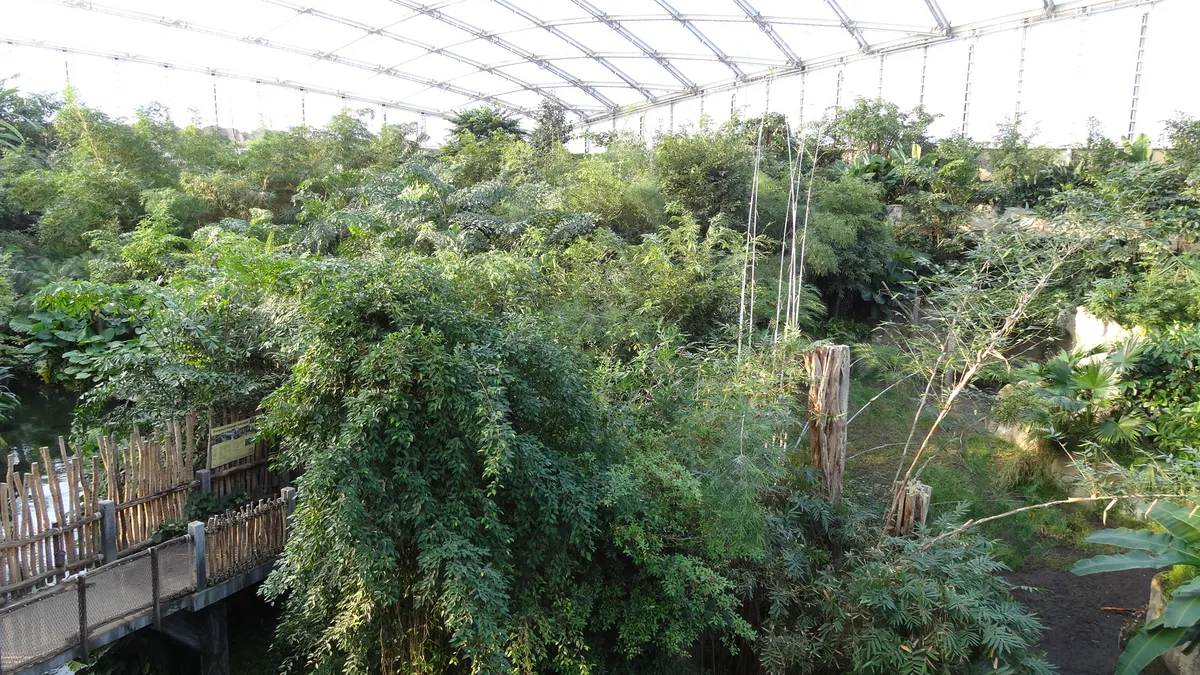 Leipzig Zoological Garden🇩🇪 Leipzig, Germany
 Zoo Dresden🇩🇪 Dresden, Germany
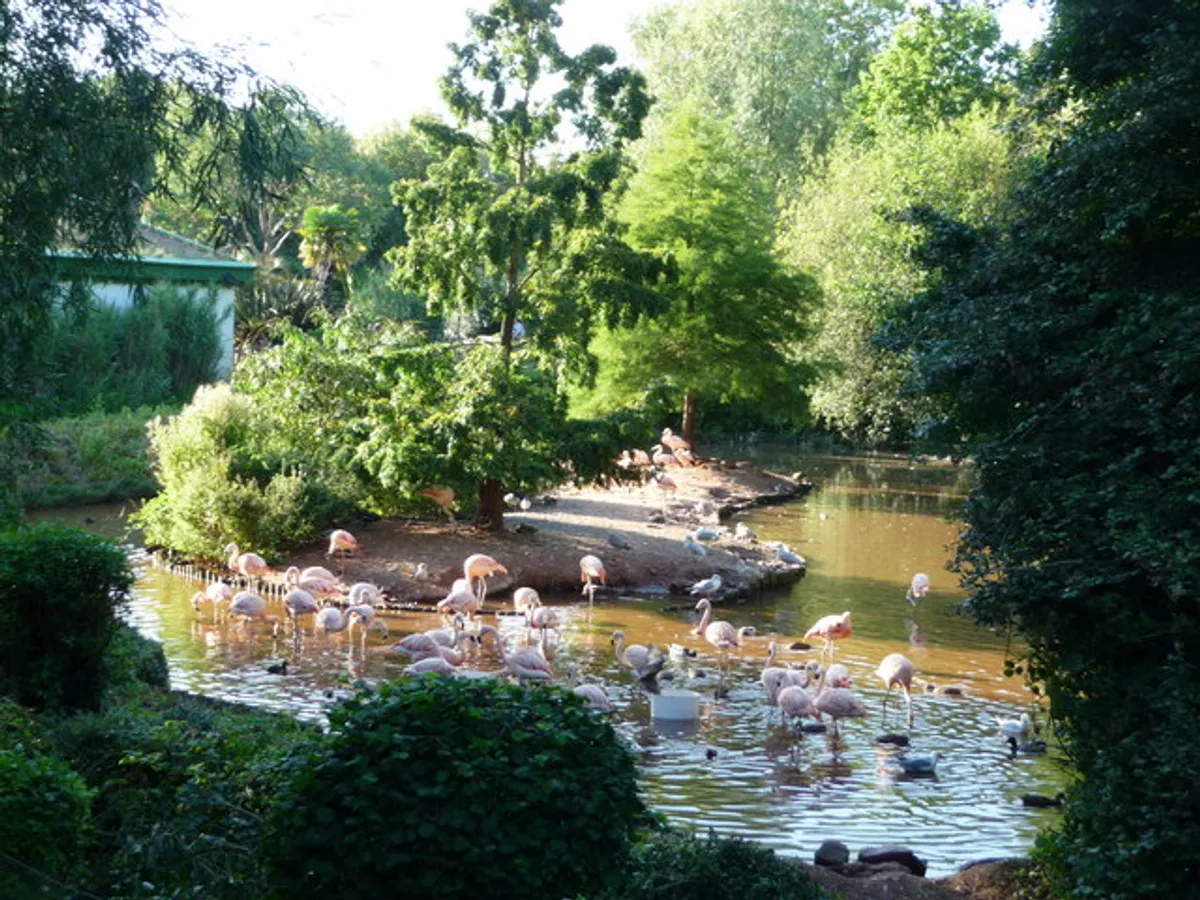 Paignton Zoo🇬🇧 Paignton, United Kingdom
Community notes
Share your observations about the False Gharial.
No community notes yet. Be the first!
Discover more wildlife
More fascinating animals from the encyclopedia.