
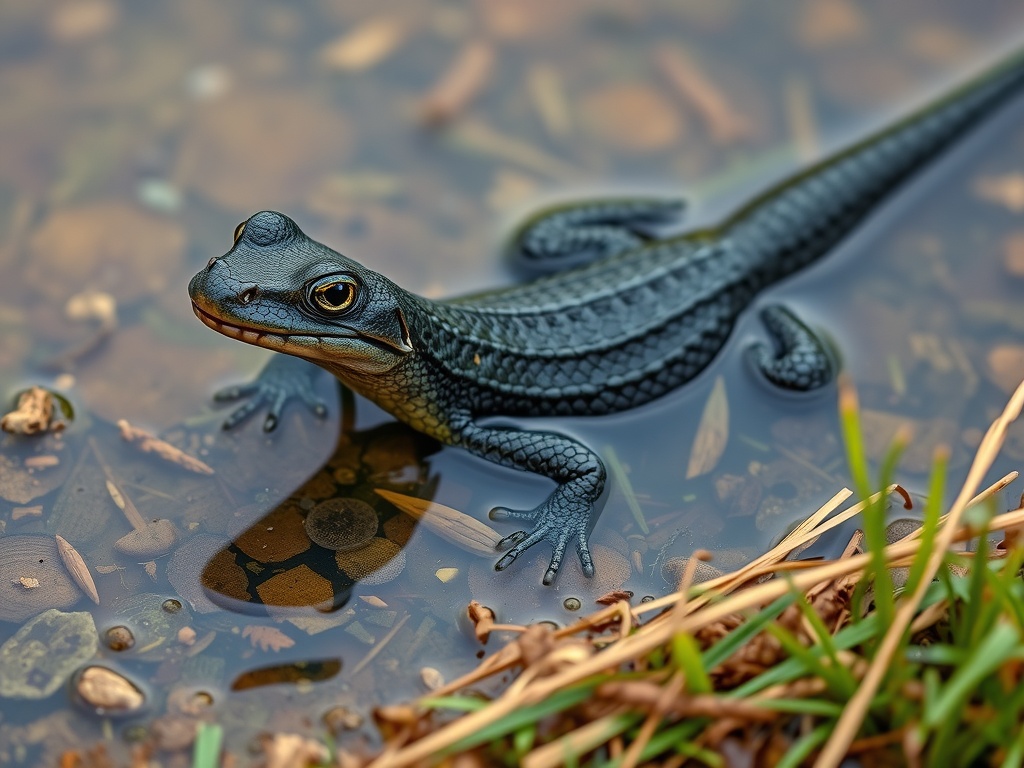
About the Great Crested Newt
Triturus cristatus is Europe's largest newt at up to 17 cm, and in the breeding season the male grows a jagged, sail-like dorsal crest and a white or silver flash along the tail that he wobbles in front of a female while fanning pheromones toward her with his tail. There is no amplexus: the male deposits a spermatophore on the pond bottom and steers the female over it. Females then perform a laborious, individual leaf-fold for each of 200 or so eggs, wrapping the egg in a pond plant leaf with the hind feet - which is necessary because of one of the strangest facts about the species. Great crested newts carry a chromosome 1 arrangement in which every individual is heterozygous, and half of all embryos inherit a lethal combination and die. The species therefore loses 50 percent of its offspring at the egg stage as a matter of genetic routine, and no viable homozygotes exist. In Britain the newt is strictly protected: it is an offence to capture, disturb or damage its habitat, and developers must hold a licence, which has made this animal one of the most legally consequential species in British planning.
Fascinating facts
Distinctive Crest
Male Great Crested Newts grow a tall, jagged crest along their back and tail during the breeding season, which is used to attract females.
Egg Wrapping
Females carefully wrap each of their eggs in individual pond plant leaves to protect them from predators and UV light.
Strict Protection
This species is strictly protected across Europe due to steep population declines from habitat loss and fragmentation.
Detailed description
The Great Crested Newt (Triturus cristatus) is a robust amphibian, with adults typically measuring 12–16 cm in length, though exceptional females may reach up to 18 cm. Its skin is granular and dark brown to black, often appearing almost velvety, with conspicuous white speckling along the flanks. The ventral surface is vivid orange or yellow, marked with irregular black spots that are unique to each individual and used in identification. Males are distinguished during the breeding season by a prominent, jagged dorsal crest running from the head to the tail, separated by a distinct notch at the tail base, and a silvery-white flash along the tail. The head is relatively large with a rounded snout and small, lidless eyes with a golden iris. Limbs are strong and well-developed, aiding both terrestrial locomotion and swimming. Outside the breeding season, Great Crested Newts are largely terrestrial, sheltering under logs, stones, or in mammal burrows. Their skin secretes toxins as a defense against predators. This species is primarily nocturnal, emerging at dusk to forage and returning to refuges before dawn. Their longevity is notable, with individuals documented to live up to 15–17 years in the wild.
Did you know?
Great Crested Newts are protected under both UK and European law, making it illegal to disturb or harm them or their habitats.
Research & sources
Wikipedia summary
The northern crested newt, great crested newt or warty newt is a newt species native to Great Britain, northern and central continental Europe and parts of Western Siberia. It is a large newt, with females growing up to 16 cm (6.3 in) long. Its back and sides are dark brown, while the belly is yellow to orange with dark blotches. Males develop a conspicuous jagged crest on their back and tail during the breeding season.
Behaviour & social structure
Great Crested Newts are solitary for most of the year, exhibiting territorial behavior during the breeding season, particularly among males. They are crepuscular to nocturnal, spending daylight hours in moist, concealed terrestrial refuges. Foraging occurs at night, with a diet consisting of invertebrates such as earthworms, slugs, insects, and occasionally small amphibians or tadpoles. In aquatic environments, they are agile swimmers, using their laterally compressed tails for propulsion. Males perform elaborate courtship displays, including tail-fanning and undulating movements to attract females. Outside the breeding season, individuals disperse widely into terrestrial habitats, often traveling several hundred meters from breeding ponds. They exhibit site fidelity, returning to the same breeding sites annually. Hibernation occurs from late autumn to early spring, typically in frost-free underground cavities or deep leaf litter.
Reproduction & life cycle
Breeding occurs from March to June, triggered by rising temperatures and increased rainfall. Males arrive at breeding ponds first and establish territories. Courtship involves a complex display: the male positions himself in front of the female, waves his tail to waft pheromones, and performs a 'cat-walk' display. If receptive, the female follows the male, who deposits a spermatophore that she picks up with her cloaca. Females lay 200–400 eggs individually, wrapping each in aquatic plant leaves using their hind legs—a behavior unique among European newts. Embryonic development lasts 2–3 weeks, depending on water temperature. Larvae are aquatic, with external gills and a filamentous tail, and undergo metamorphosis after 2–4 months, at which point they leave the water as juveniles (efts). There is no parental care post-oviposition. Sexual maturity is reached at 2–4 years.
Adaptations & survival
Triturus cristatus exhibits several adaptations for its semi-aquatic lifestyle. Its warty skin contains granular glands that secrete toxins (tetrodotoxin-like compounds), deterring predators such as fish and birds. The jagged crest of breeding males enhances visual signaling during courtship. Their cryptic coloration provides camouflage in both aquatic and terrestrial environments. The ability to absorb oxygen through the skin allows survival in low-oxygen water. Eggs are individually wrapped in leaves, protecting them from predation and desiccation. Terrestrial adaptations include strong limbs for digging and burrowing, and the capacity to reduce metabolic rate during hibernation. Site fidelity and homing ability are supported by well-developed spatial memory and chemosensory cues.
Cultural significance
The Great Crested Newt holds significant conservation status in Europe, symbolizing the importance of wetland and pond conservation. In the United Kingdom, it is a flagship species for habitat protection and restoration, often influencing land development and planning decisions. While not prominent in folklore, its striking appearance and rarity have made it a subject of interest among naturalists and conservationists. Legal protection has raised public awareness, and the species is sometimes featured in educational programs about amphibian ecology and biodiversity. There are no known traditional uses, but its presence is considered an indicator of healthy freshwater ecosystems.
Recent research
Recent research has focused on the genetic diversity and population structure of Triturus cristatus, revealing significant genetic differentiation across its range due to habitat fragmentation. Environmental DNA (eDNA) techniques have revolutionized monitoring, allowing for non-invasive detection of populations in ponds. Studies on the effects of agrochemicals have highlighted sub-lethal impacts on larval development and adult health. Ongoing research is investigating the impacts of climate change on breeding phenology and larval survival. Conservation genetics is being applied to inform translocation and reintroduction efforts. Notably, the species' unique egg-wrapping behavior and chemical communication during courtship remain active areas of ethological study.
Videos
Habitat
Ponds, wetlands, and surrounding terrestrial habitats such as grasslands and woodlands
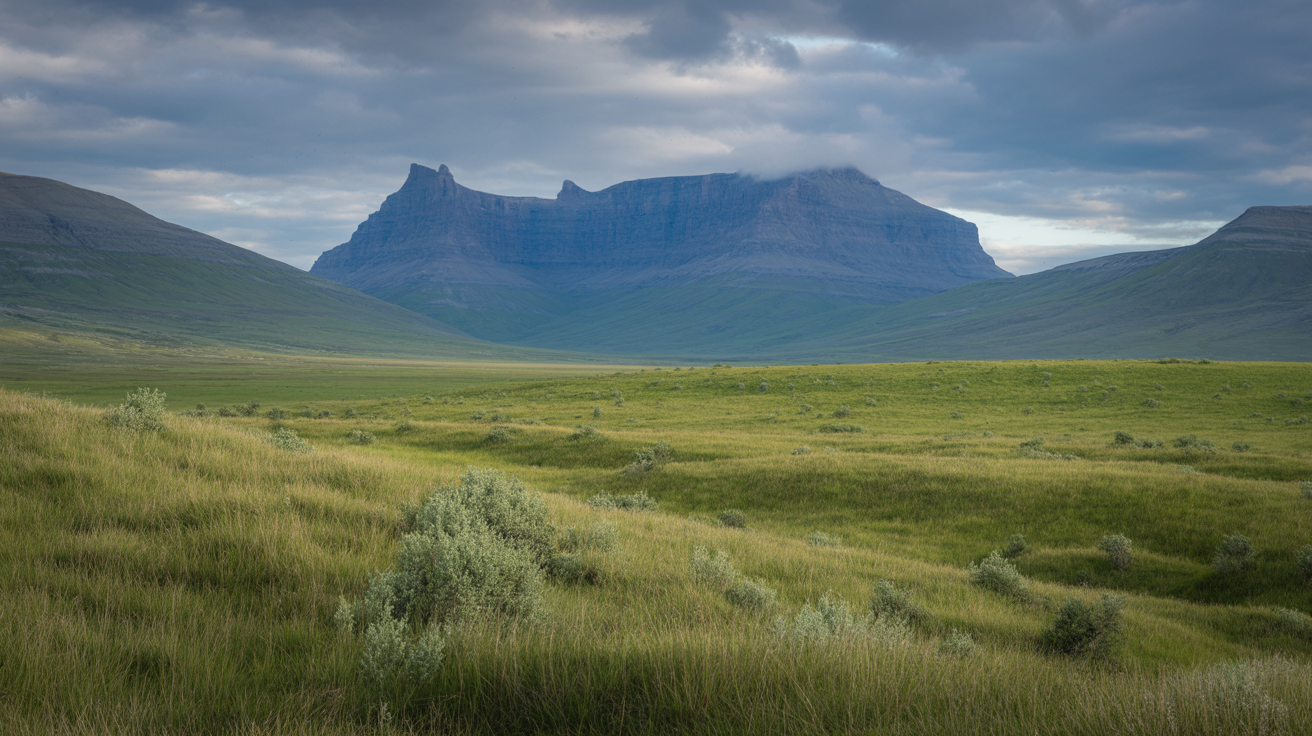 Various Continental Regions
Grassland
Open areas dominated by grasses rather than trees, supporting numerous herbivores and their predators.
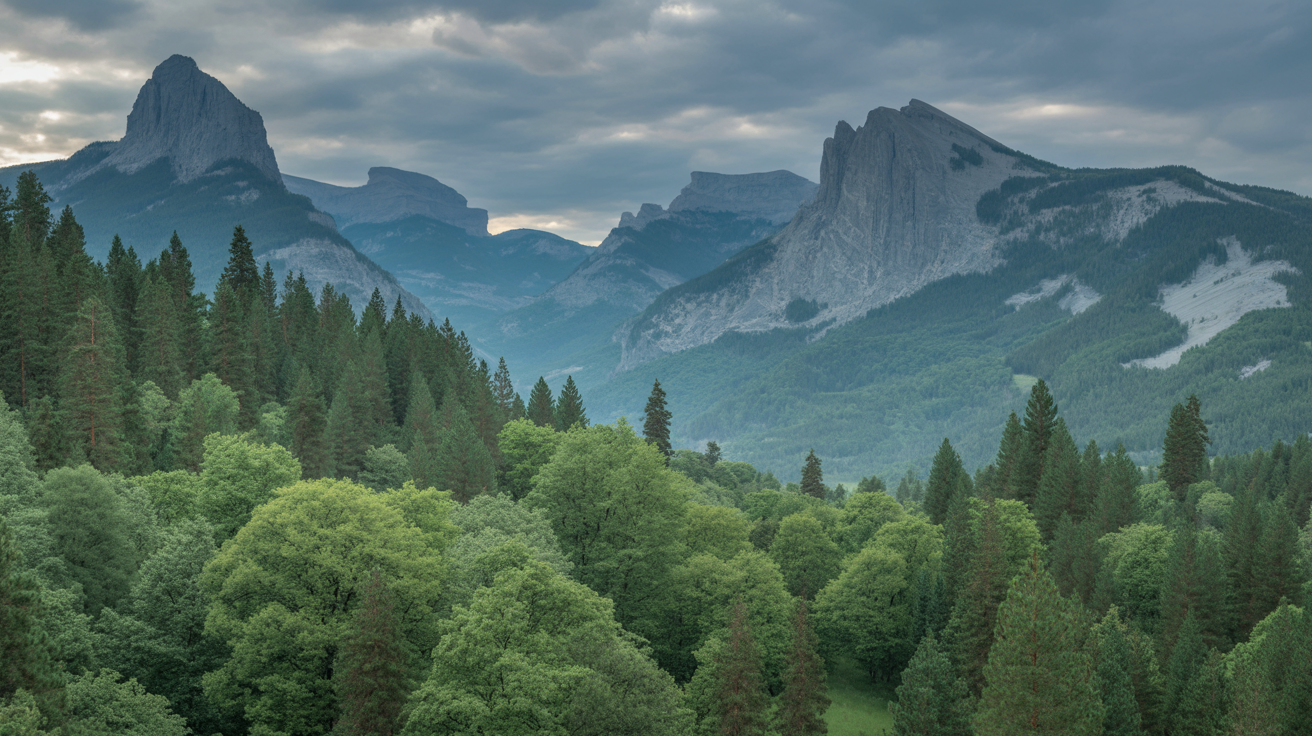 Global
Forest
Wooded areas with significant tree cover and diverse plant and animal communities.
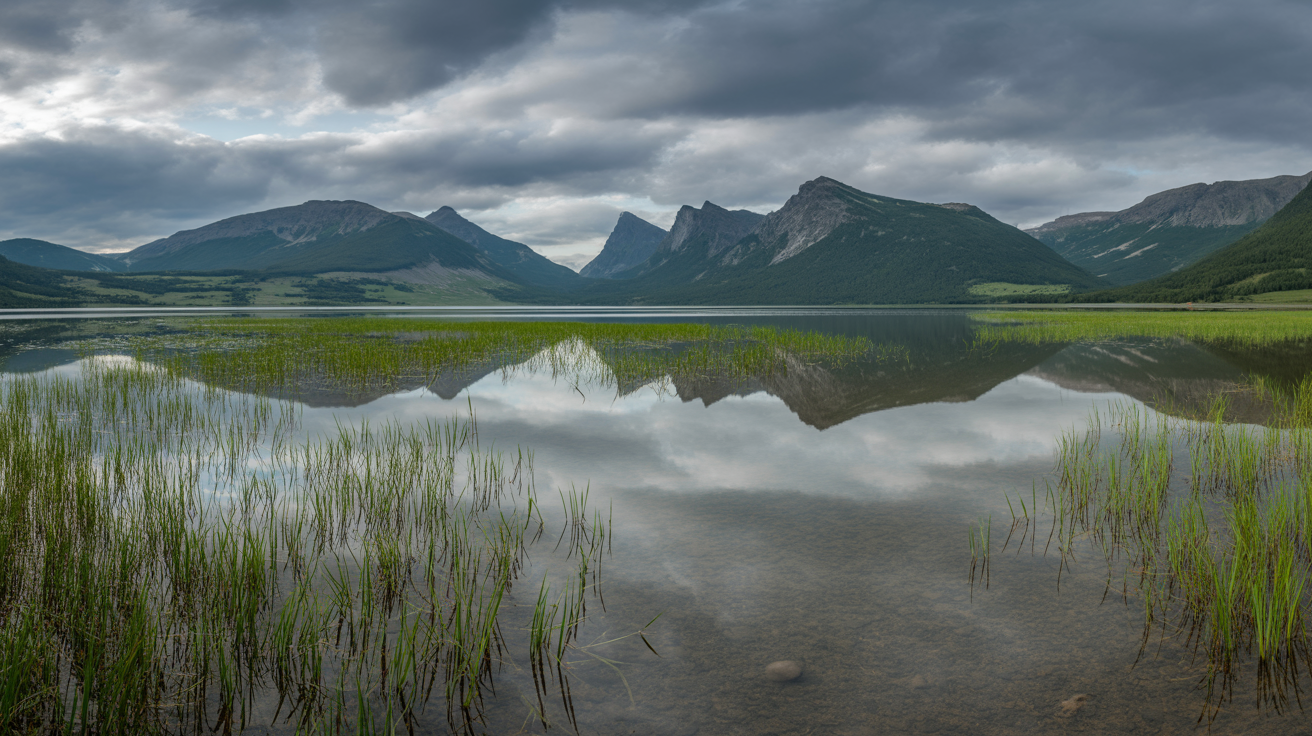 Global
Freshwater
Lakes, rivers, and wetlands with diverse aquatic ecosystems.
Conservation
The Great Crested Newt is currently classified as Vulnerable on the IUCN Red List.
Threats & challenges
The primary threats to Great Crested Newts are habitat loss and fragmentation, particularly the destruction or pollution of breeding ponds and surrounding terrestrial habitats due to urbanization, agriculture, and infrastructure development. Pesticide and fertilizer runoff can render ponds unsuitable for breeding. Introduction of fish, especially predatory species, leads to larval predation and reduced recruitment. Climate change poses additional risks by altering hydroperiods and increasing the frequency of droughts. Road mortality during seasonal migrations and genetic isolation in fragmented landscapes further threaten populations. Despite being listed as Least Concern globally by the IUCN, many local populations are declining, and the species is strictly protected under European legislation (Habitats Directive, Bern Convention). Conservation challenges include maintaining pond networks, ensuring terrestrial habitat connectivity, and mitigating the effects of land use change.
Taxonomy
Scientific name
Triturus cristatus
- Kingdom
- Animalia
- Phylum
- Chordata
- Class
- Amphibia
- Order
- Urodela
- Family
- Salamandridae
- Genus
- Triturus
- Species
- cristatus
Community notes
Share your observations about the Great Crested Newt.
No community notes yet. Be the first!
Discover more wildlife
More fascinating animals from the encyclopedia.