
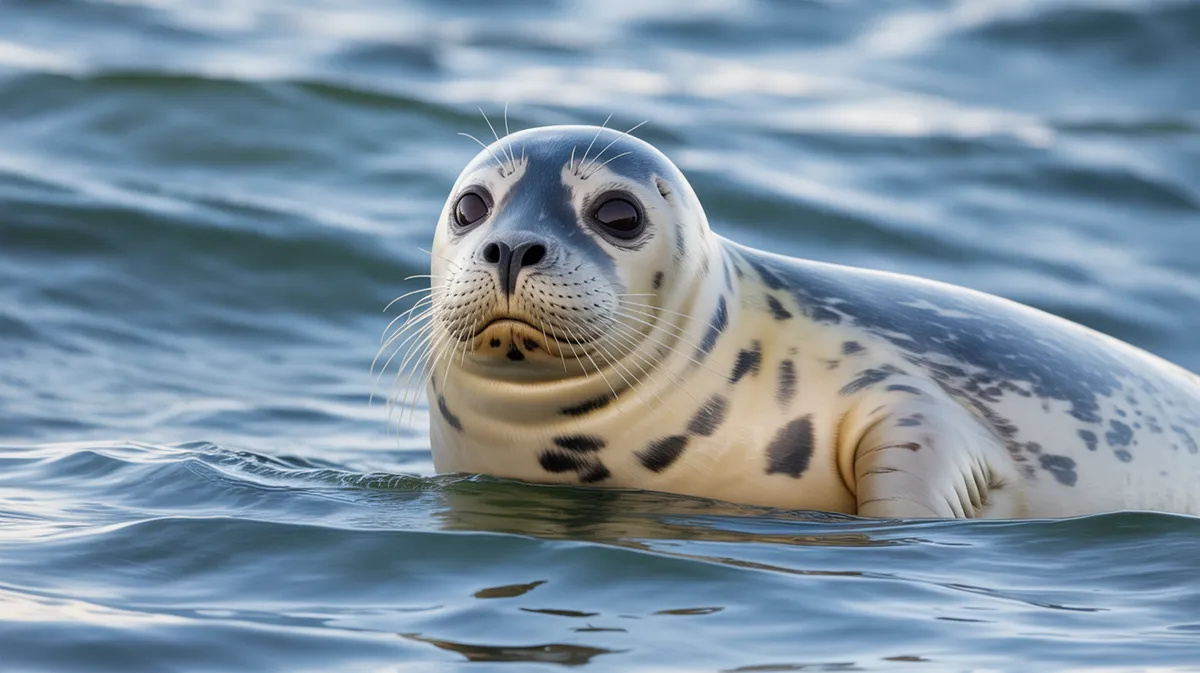
About the Harbor Seal
Phoca vitulina is the most widely distributed pinniped in the northern hemisphere, and its hunting depends on an organ most people never think about: the whiskers. Harbour seal vibrissae are not smooth cylinders but wavy, undulating in a precise repeating pattern along their length, and that geometry suppresses the vortices the whisker would otherwise shed as it moves through water. The result is a sensor with an extraordinary signal-to-noise ratio - blindfolded, headphone-wearing seals in experiments by Guido Dehnhardt tracked the hydrodynamic wake left by a model fish more than 30 seconds after it had passed, following the invisible trail accurately across a pool. That lets seals hunt in turbid or dark water where vision is useless. Harbour seal pups are born so developed they can swim and dive within hours, having shed the white lanugo coat in the womb, which is what allows the species to pup on tidal sandbars that flood twice a day. Adults haul out in loose, unsociable aggregations, keeping personal space and squabbling, rather than forming the packed rookeries of sea lions. They can dive to 400 m and stay down over 20 minutes, slowing the heart to a handful of beats a minute.
Fascinating facts
Diverse Range
Harbor seals inhabit both the Atlantic and Pacific coasts of North America, as well as European and Asian shores, making them one of the most widely distributed seal species.
Precocious Pups
Harbor seal pups can swim and dive within hours of birth, an adaptation crucial for survival in their aquatic environment.
Varied Diet
They feed on more than 60 types of fish and invertebrates, demonstrating remarkable adaptability in their foraging habits.
Detailed description
The harbor seal (Phoca vitulina) is a medium-sized true seal, with adults typically measuring 1.5 to 1.9 meters in length and weighing between 55 and 170 kilograms, with males generally larger than females. Their streamlined bodies are covered in short, dense fur that varies in color from silver-gray to brown or black, often marked with distinctive spots or rings. Harbor seals lack external ear flaps, a characteristic of true seals, and possess large, dark eyes adapted for low-light underwater vision. Their forelimbs are short and webbed, while the hind limbs are oriented backward, aiding in powerful swimming but making terrestrial movement awkward. Harbor seals are highly adapted for aquatic life, capable of diving to depths exceeding 500 meters and remaining submerged for up to 30 minutes due to their efficient oxygen storage and bradycardia (slowing of the heart rate) during dives. They are distributed across the temperate and subarctic coastal waters of the North Atlantic and North Pacific, including the Baltic and North Seas. While generally solitary, harbor seals haul out on land or ice in groups for resting, molting, and breeding. Their vocalizations are less elaborate than those of some other pinnipeds, but they communicate through grunts, growls, and body postures. The species exhibits site fidelity, often returning to the same haul-out locations year after year.
Did you know?
Despite their clumsy appearance on land, harbor seals are incredibly agile swimmers, reaching speeds up to 19 km/h underwater.
Research & sources
Wikipedia summary
The harbor seal, also known as the common seal, is a true seal found along temperate and Arctic marine coastlines of the Northern Hemisphere. The most widely distributed species of pinniped, they are found in coastal waters of the northern Atlantic and Pacific oceans, Baltic and North seas.
Behaviour & social structure
Harbor seals are primarily solitary, but they display loose aggregations at haul-out sites, especially during molting and pupping seasons. They are diurnal and crepuscular, with peak activity during dawn and dusk, when they forage for fish, cephalopods, and crustaceans. Their hunting strategy is opportunistic and varies with local prey availability; they use sensitive vibrissae (whiskers) to detect prey in murky waters and can pursue fish with agile underwater maneuvers. While foraging, they may travel up to 50 kilometers from their haul-out sites. Social interactions are generally limited outside of the breeding season, with individuals maintaining personal space and displaying aggressive or submissive behaviors through vocalizations, postures, and flipper slaps. Resting and thermoregulation occur on land or ice, where seals adopt a characteristic 'banana' posture, arching their bodies to minimize contact with cold surfaces.
Reproduction & life cycle
Harbor seals are polygynous, with males competing for access to females through underwater vocal displays and physical posturing rather than direct combat. The breeding season varies geographically but generally occurs from spring to early summer. Females give birth to a single pup after a gestation period of about 9 to 11 months, which includes a delayed implantation phase of several weeks. Pups are born well-developed, with a lanugo coat that is usually shed in utero, allowing them to swim within hours of birth. Maternal care is intensive but brief; mothers nurse their pups with high-fat milk for 3 to 6 weeks, during which time the pup rapidly doubles in weight. After weaning, pups are left to fend for themselves, though they may remain near haul-out sites for several weeks.
Adaptations & survival
Harbor seals possess numerous adaptations for marine life, including a thick layer of blubber for insulation and energy storage, and highly vascularized flippers that help regulate body temperature. Their nostrils close automatically during dives, and their blood has a high concentration of myoglobin, allowing efficient oxygen storage. Sensitive vibrissae detect minute water movements, aiding in prey detection even in darkness or turbid conditions. Their streamlined bodies and powerful hind flippers enable agile swimming and deep diving. Behavioral adaptations include site fidelity to reliable haul-out locations and flexible foraging strategies that exploit a wide range of prey species.
Cultural significance
Harbor seals have featured prominently in the folklore and mythology of coastal peoples, particularly in northern Europe and the Arctic. In Celtic and Norse traditions, seals are associated with selkies—mythical beings capable of shedding their skins to become human. Historically, harbor seals were hunted for their pelts, oil, and meat, though such practices have largely ceased in most regions. Today, they are valued for their ecological role and as charismatic species in wildlife tourism and education.
Recent research
Recent research has focused on the impacts of environmental contaminants on harbor seal health, revealing bioaccumulation of PCBs and heavy metals in some populations. Satellite telemetry studies have provided insights into their movement ecology, revealing extensive foraging ranges and site fidelity. Ongoing genetic studies are clarifying subspecies distinctions and population structure, with five recognized subspecies across their range. Research into the effects of noise pollution and human disturbance is ongoing, with evidence suggesting that chronic disturbance can alter haul-out behavior and stress physiology.
Videos
Habitat
Coastal waters, estuaries, and sheltered bays
 Polar Regions
Arctic
Cold, frozen landscapes around the North Pole with specialized wildlife adapted to extreme cold.
 Polar and Subpolar Regions
Tundra
Cold, treeless regions with permafrost supporting specialized cold-adapted wildlife.
 Global Waters
Ocean
Saltwater environments covering more than 70% of the Earth's surface, home to a vast variety of marine life.
Conservation
The Harbor Seal is currently classified as Least Concern on the IUCN Red List.
Threats & challenges
Major threats to harbor seals include entanglement in fishing gear (bycatch), habitat disturbance from coastal development, pollution (notably persistent organic pollutants and heavy metals), and disease outbreaks such as phocine distemper virus. Climate change poses emerging risks through altered prey distribution, sea-level rise, and changes in ice availability in northern populations. While global populations are stable and the species is listed as Least Concern by the IUCN, some regional populations have experienced declines due to historical hunting and ongoing anthropogenic pressures. Conservation challenges include mitigating human-seal conflicts, protecting critical haul-out and breeding sites, and monitoring emerging diseases.
Taxonomy
Scientific name
Phoca vitulina
- Kingdom
- Animalia
- Phylum
- Chordata
- Class
- Mammalia
- Order
- Carnivora
- Family
- Phocidae
- Genus
- Phoca
- Species
- vitulina
Where to see a harbor seal
24 zoos and aquariums in 7 countries are recorded as keeping this species.
 Aquarium of Genoa🇮🇹 Genova, Italy
 Point Defiance Zoo & Aquarium🇺🇸 Tacoma, United States
 Vancouver Aquarium🇨🇦 Vancouver, Canada
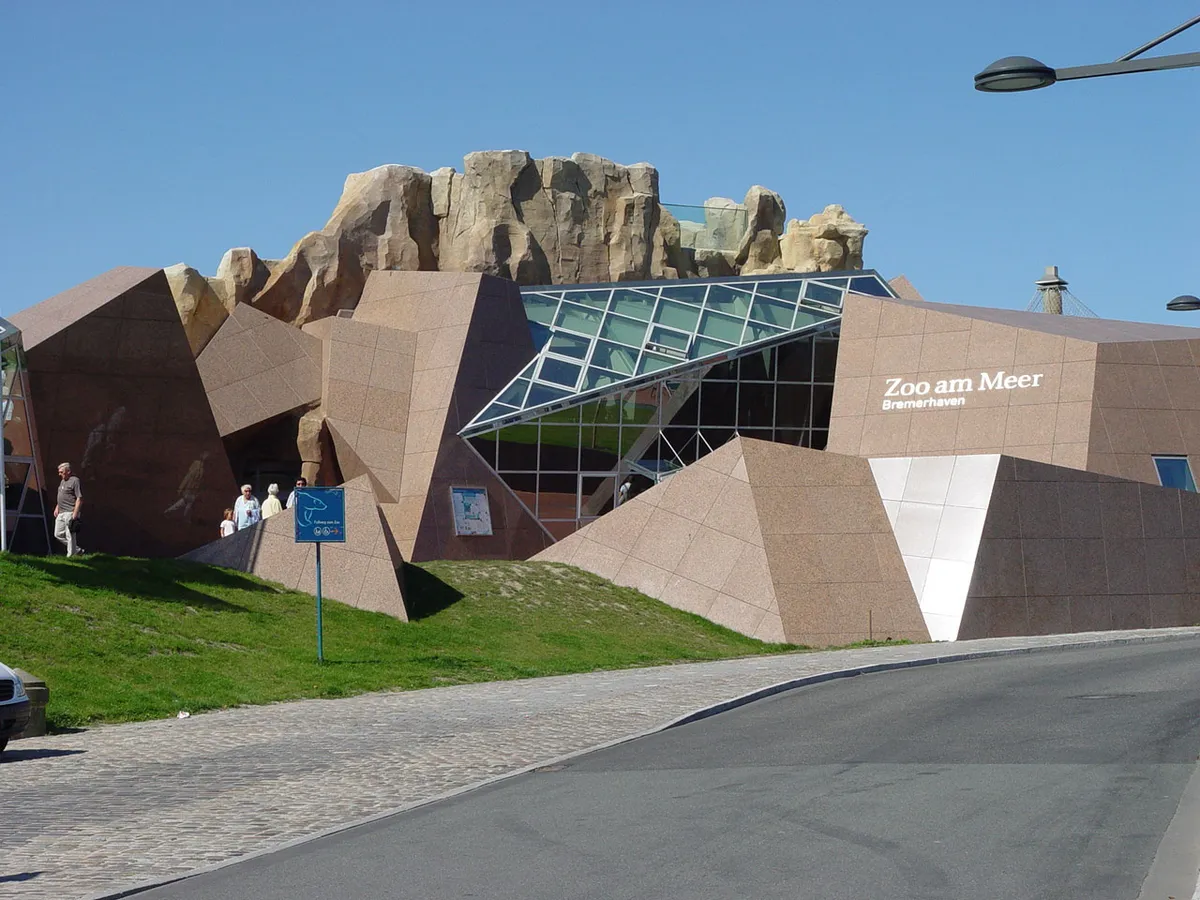 Zoo am Meer🇩🇪 Bremerhaven, Germany
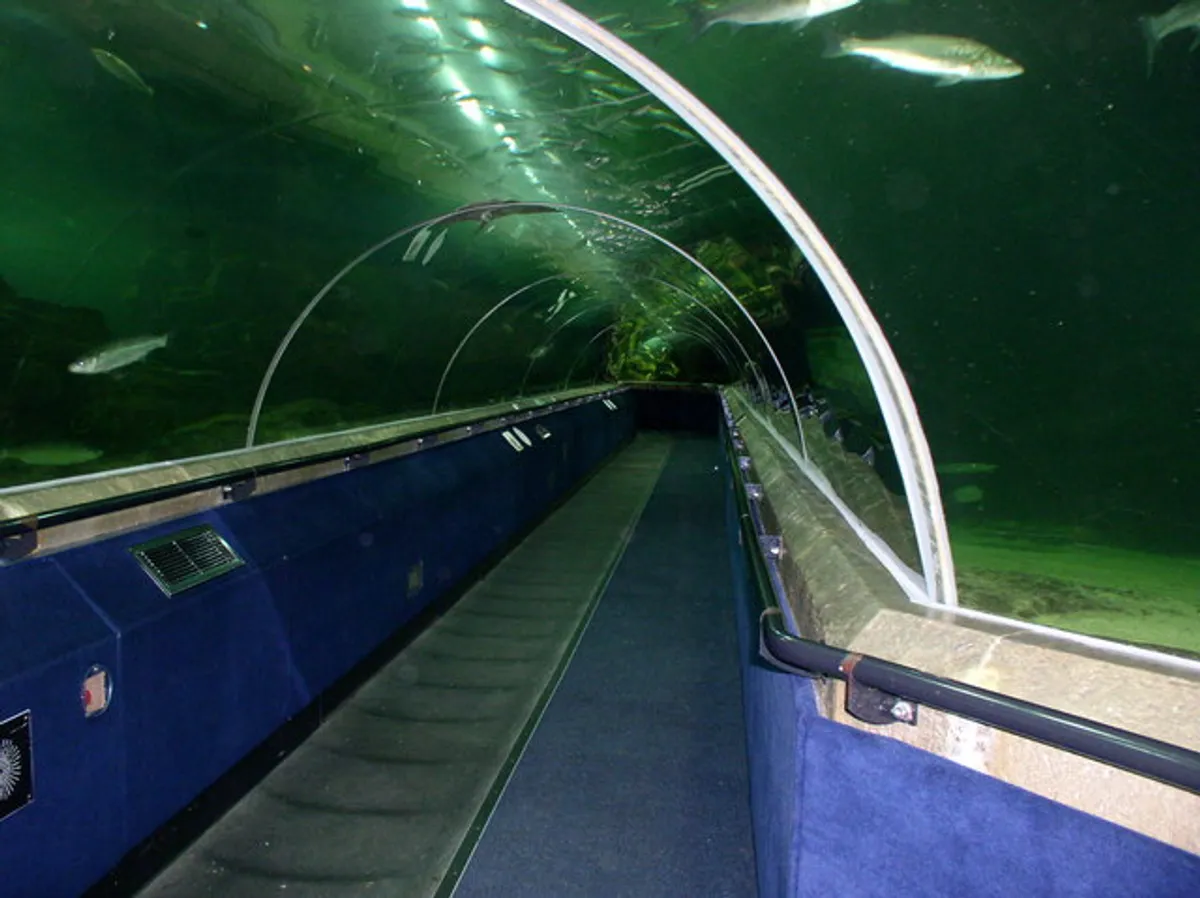 Deep Sea World🇬🇧 North Queensferry, United Kingdom
Community notes
Share your observations about the Harbor Seal.
No community notes yet. Be the first!
Discover more wildlife
More fascinating animals from the encyclopedia.