
About the Harlequin Bug
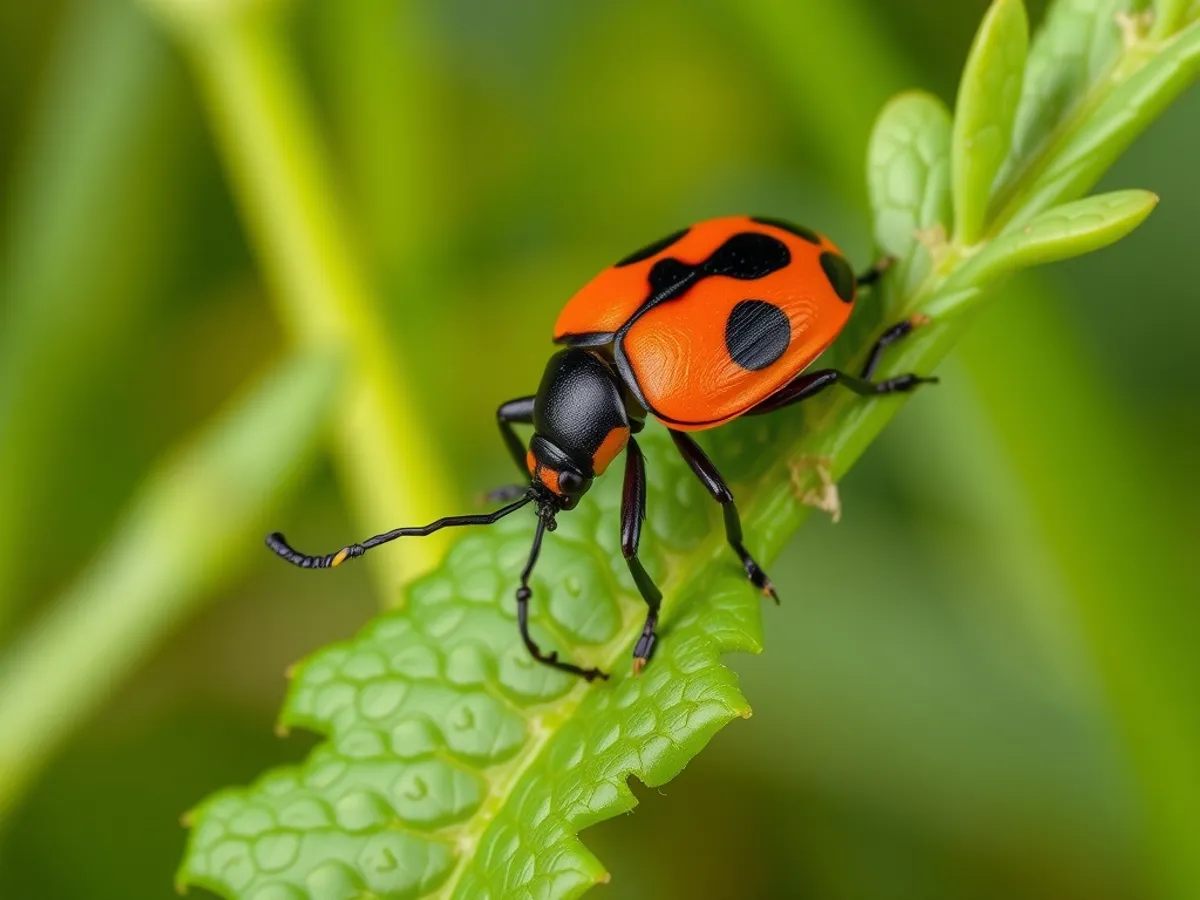
The Harlequin Bug is a strikingly colored insect notable for its bold black and orange or red markings. Native to North America, this true bug is a member of the stink bug family and is commonly found on cruciferous plants. It is recognized as a significant agricultural pest due to its tendency to feed on cabbage, kale, and related crops, causing serious damage to leaves and stems. Its distinctive appearance acts as a warning to predators, signaling its foul taste and chemical defenses.
Fascinating facts
Agricultural Pest
The Harlequin Bug is a major pest of cruciferous crops, including cabbage, collards, and broccoli, causing significant agricultural losses.
Host Plant Preference
They prefer to feed on plants in the Brassicaceae family, using their piercing-sucking mouthparts to extract sap from leaves and stems.
Aposematic Coloration
Their bold black and orange or red patterns serve as a warning to predators about their chemical defenses and unpleasant taste.
Detailed description
The Harlequin Bug (Murgantia histrionica) is a medium-sized true bug belonging to the family Pentatomidae, commonly known as stink bugs. Adults typically measure 7–11 mm in length and are easily recognized by their vivid aposematic coloration: alternating black and orange or red markings on a shield-shaped, slightly convex body. The head is small with prominent compound eyes and short, clubbed antennae. The thorax and scutellum are broad, providing protection and aiding in camouflage among host plants. The ventral side is lighter, often pale yellow or orange. Nymphs resemble adults but lack fully developed wings and exhibit more rounded bodies. Harlequin Bugs possess specialized piercing-sucking mouthparts (rostrum) adapted for extracting sap from plant tissues. Their exoskeleton emits a pungent odor when threatened, produced by specialized thoracic glands. This chemical defense, combined with their warning coloration, deters many predators. They are primarily diurnal, active during warm daylight hours, and are most abundant in late spring through early fall. Their life cycle includes egg, five nymphal instars, and adult stages, with multiple generations per year in warmer climates. The species is highly adaptable, thriving in disturbed habitats and agricultural landscapes, particularly where cruciferous crops are cultivated.
Did you know?
Harlequin Bugs can overwinter as adults, hiding in plant debris until warmer temperatures return.
Research & sources
Wikipedia summary
Harlequin bug may refer to:Harlequin cabbage bug, Murgantia histrionica, a species of stinkbug found in North America Harmonia axyridis, a large lady beetle found worldwide Dindymus versicolor, a species of cotton stainer bug found in Australia
Behaviour & social structure
Harlequin Bugs are gregarious, especially during the nymphal stages, often clustering in large groups on host plants. Feeding is accomplished by inserting their rostrum into leaves, stems, or seed pods and injecting digestive enzymes to liquefy plant tissues, which are then ingested. This feeding causes characteristic stippling, wilting, and necrosis in host plants. Adults are capable of short flights but generally move by walking between plants. They exhibit negative phototaxis when disturbed, often dropping to the ground and remaining motionless to avoid predation. Harlequin Bugs are not aggressive and rely on chemical defenses rather than active confrontation. They are most active during warm, sunny periods and may seek shelter under leaves or debris during extreme heat or drought. Aggregation is thought to enhance their aposematic signaling and may reduce individual predation risk.
Reproduction & life cycle
Reproduction occurs primarily in late spring and summer, with females laying clusters of 12–16 barrel-shaped eggs on the undersides of host plant leaves. Eggs are white with two distinctive black bands and a cap-like operculum. Incubation lasts 4–29 days, depending on temperature. Upon hatching, nymphs remain near the egg mass for several days before dispersing to feed. There is no parental care beyond egg-laying site selection. Development through five nymphal instars takes approximately 35–50 days, with adults emerging and mating soon after maturation. In warmer regions, up to three generations may occur annually, while cooler climates may support only one. Overwintering occurs in the adult stage, typically in plant debris or sheltered microhabitats.
Adaptations & survival
Murgantia histrionica exhibits several key adaptations for survival. Its aposematic coloration warns predators of its unpalatability, a result of volatile aldehydes and ketones secreted from thoracic glands. The piercing-sucking mouthparts are highly specialized for feeding on cruciferous plants, which contain glucosinolates; the bug's digestive system is adapted to detoxify these compounds. Their gregarious behavior amplifies warning signals and may reduce individual predation. The ability to overwinter as adults allows rapid population buildup in spring. Eggs are camouflaged and resistant to desiccation, enhancing survival in exposed environments. Behavioral adaptations include dropping from plants when threatened and seeking microhabitats to avoid temperature extremes.
Cultural significance
While the Harlequin Bug lacks major symbolic or mythological roles, it is well-known among North American farmers and gardeners as a persistent pest. Its striking coloration has made it a subject in entomological studies and educational materials about aposematism and insect defenses. In some regions, traditional remedies for controlling Harlequin Bugs include hand-picking and the use of trap crops. The species has also been referenced in agricultural extension literature as a model organism for studying pest management.
Recent research
Recent research has focused on the Harlequin Bug's adaptation to novel host plants, resistance to insecticides, and the genetic basis of its aposematic coloration. Studies have also examined the efficacy of biological control agents, such as egg parasitoids and entomopathogenic fungi, in reducing populations. Ongoing genomic research aims to elucidate detoxification pathways that enable feeding on glucosinolate-rich plants. Climate modeling studies are predicting range shifts due to warming temperatures, with potential implications for northern agricultural regions. The bug's role in tri-trophic interactions (plant–herbivore–natural enemy) is a subject of ecological research, particularly regarding its impact on crop ecosystems.
Videos
Habitat
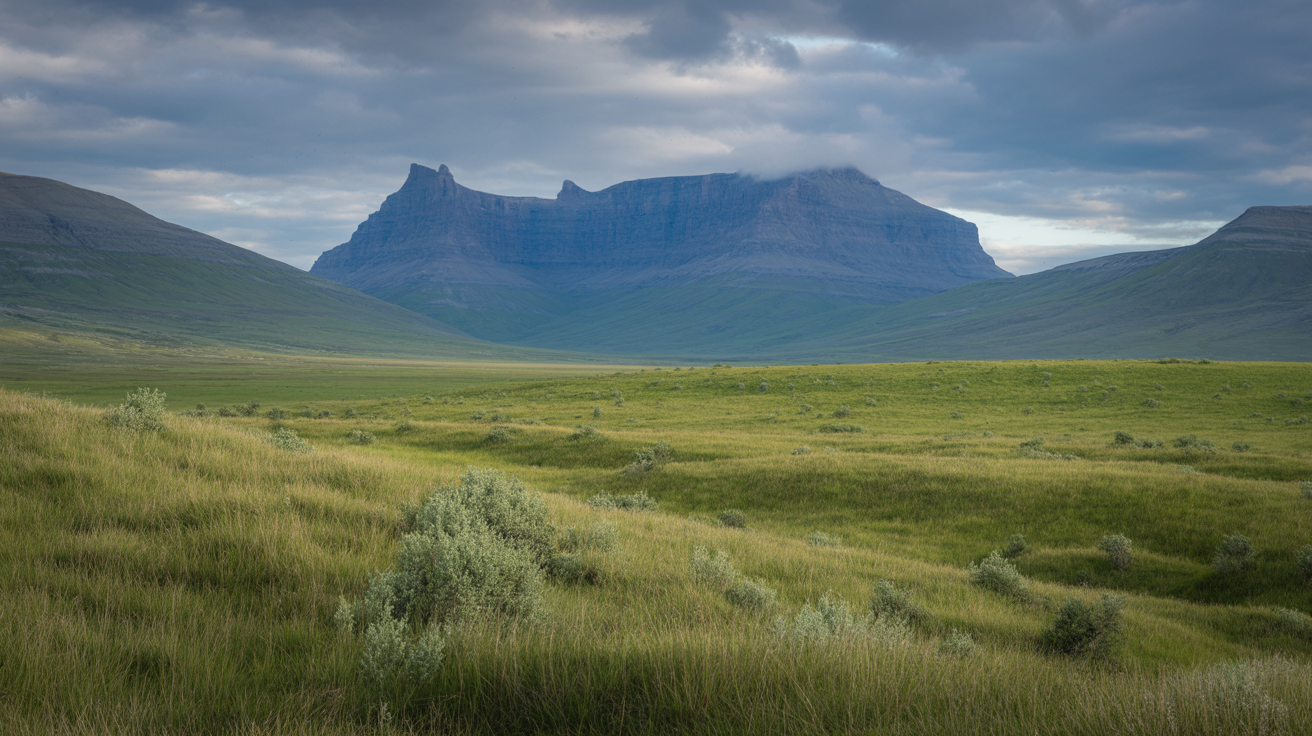
Fields, gardens, and agricultural areas with cruciferous crops

Conservation
The Harlequin Bug is currently classified as Least Concern on the IUCN Red List.
Threats & challenges
Currently, the Harlequin Bug is not considered threatened and is listed as Least Concern. However, it faces natural predation from birds, spiders, and parasitoid wasps (notably Trissolcus spp.), as well as entomopathogenic fungi. Human agricultural practices, such as crop rotation and pesticide use, can locally reduce populations but have not significantly impacted overall abundance. Climate change may alter distribution patterns, potentially expanding the range northward. The primary conservation challenge is not for the bug itself, but for managing its impact as an agricultural pest, as it can cause significant yield losses in cruciferous crops. Integrated pest management strategies are increasingly favored to minimize environmental impact.
Taxonomy
Scientific name
Murgantia histrionica
- Kingdom
- Animalia
- Phylum
- Arthropoda
- Class
- Insecta
- Order
- Hemiptera
- Family
- Pentatomidae
- Genus
- Murgantia
- Species
- histrionica
Community notes
Share your observations about the Harlequin Bug.
No community notes yet. Be the first!
Discover more wildlife
More fascinating animals from the encyclopedia.