
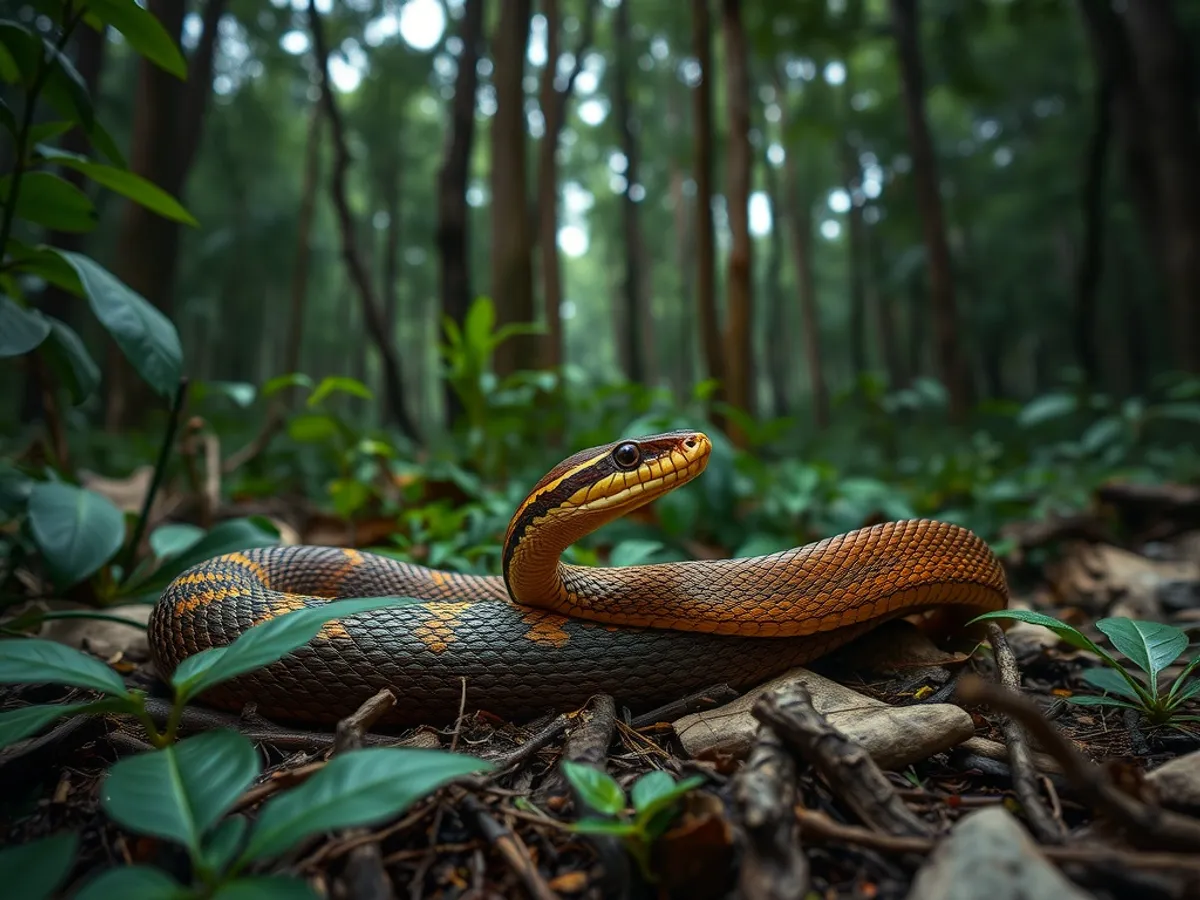
About the Jamaican boa
The Jamaican boa is a large, non-venomous snake endemic to the island of Jamaica. This nocturnal reptile inhabits forests, woodlands, and limestone caves, where it is an important predator of birds, rodents, and bats. With a distinctive yellow and black pattern, the Jamaican boa can grow up to 2.2 meters in length, making it the largest native terrestrial predator on the island. Despite its ecological role, the species faces significant threats from habitat loss, invasive species, and human persecution.
Fascinating facts
Arboreal Hunter
The Jamaican boa spends much of its time in trees, using its strong body and prehensile tail to climb and ambush prey.
Live-bearing Snake
Unlike many snake species, Jamaican boas give birth to live young instead of laying eggs, with litters typically consisting of 5-44 offspring.
Bat Predator
These snakes have been observed hunting bats by hanging at cave entrances and catching them mid-flight.
Detailed description
The Jamaican boa (Chilabothrus subflavus) is a robust, muscular snake, typically ranging from 1.5 to 2.2 meters in length, with some individuals occasionally exceeding this size. Its coloration is striking, featuring a vibrant yellow to olive background interspersed with irregular black or dark brown crossbands and blotches, which provide effective camouflage among the dappled light of forest canopies. The head is slightly distinct from the neck, with large, smooth scales and heat-sensitive pits along the upper lip, aiding in the detection of warm-blooded prey. The species is primarily arboreal, spending much of its time in trees, but it is also known to descend to the ground or enter limestone caves in search of food or shelter. Nocturnal by nature, the Jamaican boa is most active after dusk, when it hunts a diverse array of prey, including birds, rodents, bats, and occasionally lizards. Its prehensile tail is highly adapted for climbing, allowing it to navigate complex arboreal environments with agility. The species is solitary outside of the breeding season, exhibiting territorial behavior and rarely tolerating the presence of conspecifics. Reproduction is ovoviviparous, with females giving birth to live young after an extended gestation period. Due to its ecological role as a top native predator, the Jamaican boa is integral to maintaining the balance of Jamaica’s forest ecosystems.
Did you know?
The Jamaican boa is the only large native predator remaining on Jamaica, playing a vital role in controlling local rodent and bird populations.
Research & sources
Wikipedia summary
The Jamaican boa, Jamaican yellow boa or yellow snake is a boa species endemic to Jamaica. No subspecies are recognized. Like all other boas, it is not venomous.
Behaviour & social structure
Jamaican boas are predominantly nocturnal and secretive, emerging at night to hunt and thermoregulate. They are ambush predators, often waiting motionless on tree branches or near cave entrances to strike at passing prey. Their diet is highly opportunistic, with a preference for birds and their nestlings, but they are also known to prey on rodents and bats, the latter captured in flight at cave mouths. Hunting is facilitated by their sensitive labial pits, which detect infrared radiation emitted by warm-blooded animals. During the day, the snakes retreat to tree hollows, dense foliage, or caves to avoid predators and extreme temperatures. Social interactions are limited, with individuals maintaining exclusive home ranges. Aggressive encounters may occur if two adults meet, especially during the breeding season or when competing for limited resources.
Reproduction & life cycle
The Jamaican boa exhibits a seasonal reproductive cycle, with mating typically occurring during the rainy season (May to August). Males locate females by following pheromone trails, and courtship involves tactile stimulation and body alignment. The species is ovoviviparous; after internal fertilization, females carry developing embryos for a gestation period of approximately 5 to 7 months. Litters usually consist of 5 to 44 live young, each measuring about 30–40 cm at birth. Neonates are independent from birth, receiving no parental care. Sexual maturity is reached at 3 to 4 years of age, depending on environmental conditions and food availability.
Adaptations & survival
Chilabothrus subflavus possesses several adaptations for its arboreal and predatory lifestyle. Its prehensile tail provides exceptional grip and balance in trees, while its muscular body enables powerful constriction of prey. The heat-sensitive labial pits allow for precise detection of endothermic animals in low-light conditions. Camouflaged coloration disrupts its outline among foliage and shadows, aiding both in ambush hunting and predator avoidance. The species’ ability to exploit a wide range of habitats, from dry limestone forests to humid montane woodlands and caves, reflects its ecological versatility. Additionally, its capacity to consume a variety of prey types, including volant bats, is unique among Caribbean boas.
Cultural significance
Historically, the Jamaican boa has been both revered and feared in Jamaican culture. Known locally as the 'yellow snake,' it appears in folklore as a symbol of mystery and transformation. While some indigenous and rural communities recognize its ecological importance, others associate it with superstition, leading to its persecution. There are no documented traditional medicinal uses, but the species is sometimes featured in local stories and proverbs. Recent conservation outreach programs aim to shift public perception by highlighting the boa’s role in controlling pest populations and maintaining forest health.
Recent research
Recent research has focused on the species’ habitat use, population genetics, and the impact of invasive predators. A 2016 study by Newman et al. used radio telemetry to reveal that Jamaican boas exhibit strong site fidelity and prefer undisturbed forest habitats, avoiding areas with high human activity. Genetic studies indicate low genetic diversity, raising concerns about inbreeding and long-term viability. Conservation biologists are investigating the effectiveness of predator control and habitat restoration in bolstering wild populations. Ongoing monitoring by local and international organizations is critical for assessing population trends and informing management strategies.
Videos
Habitat
Forests and woodlands

Conservation
The Jamaican boa is currently classified as Vulnerable on the IUCN Red List.
Threats & challenges
The Jamaican boa faces a suite of conservation challenges. Habitat loss and fragmentation, driven by deforestation for agriculture, logging, and urban development, are the primary threats. The introduction of invasive species such as the small Indian mongoose (Herpestes auropunctatus) and feral cats has increased predation pressure, particularly on juveniles. Human persecution, stemming from cultural fear and the mistaken belief that the snake is venomous, further reduces population numbers. Road mortality and illegal collection for the pet trade also contribute to declines. Current population estimates suggest fewer than 10,000 mature individuals remain, with numbers continuing to decrease. Conservation efforts are hampered by limited public awareness and insufficient legal protection of critical habitats.
Taxonomy
Scientific name
Chilabothrus subflavus
- Kingdom
- Animalia
- Phylum
- Chordata
- Class
- Reptilia
- Order
- Squamata
- Family
- Boidae
- Genus
- Chilabothrus
- Species
- subflavus
Where to see a jamaican boa
3 zoos and aquariums in 2 countries are recorded as keeping this species.
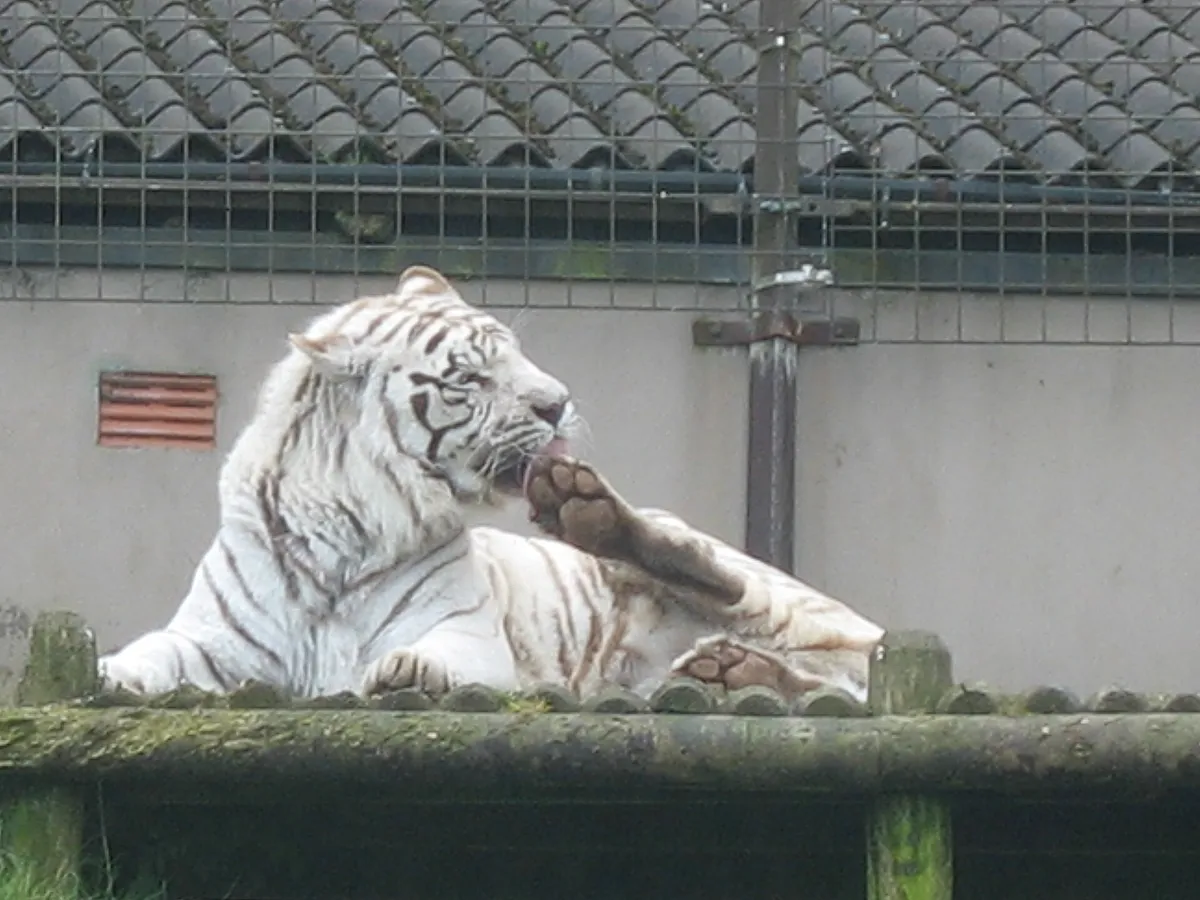 Belfast Zoo🇬🇧 Belfast, United Kingdom
 Dudley Zoo & Castle🇬🇧 Dudley, United Kingdom
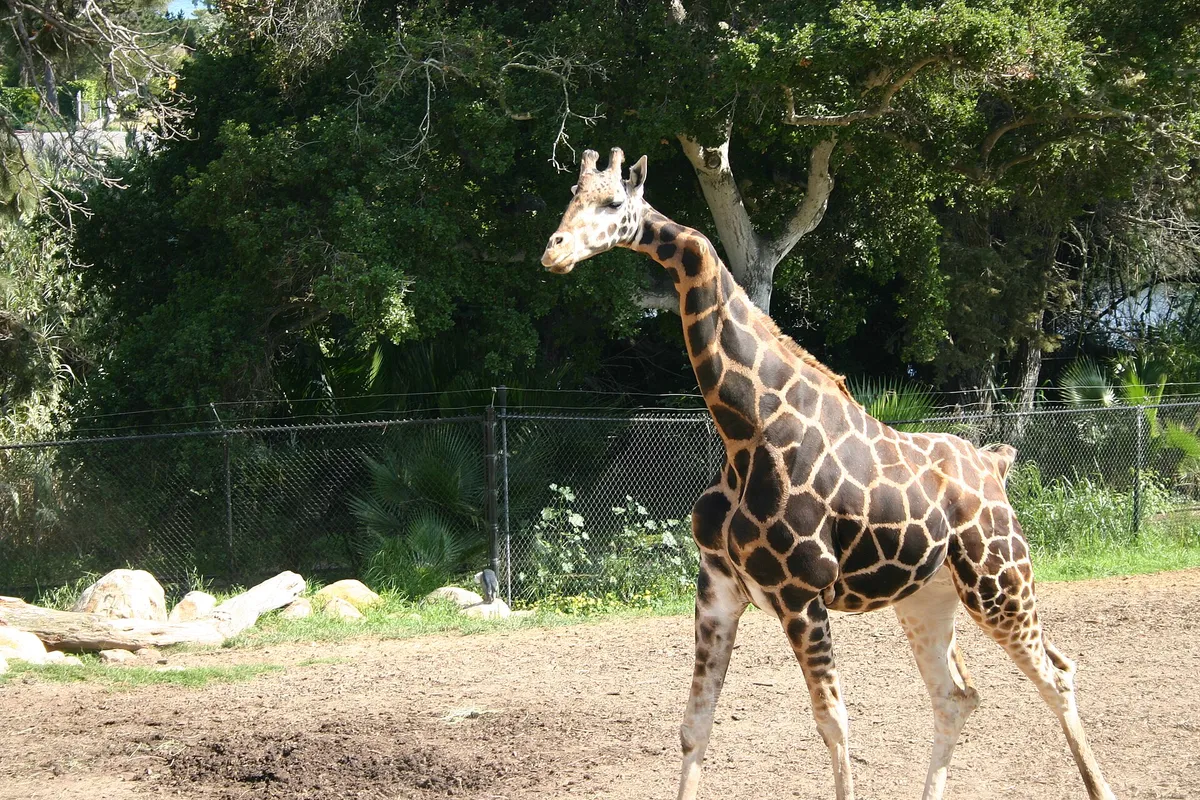 Santa Barbara Zoological Gardens🇺🇸 Santa Barbara, United States
Community notes
Share your observations about the Jamaican boa.
No community notes yet. Be the first!
Discover more wildlife
More fascinating animals from the encyclopedia.