
About the Mexican Beaded Lizard
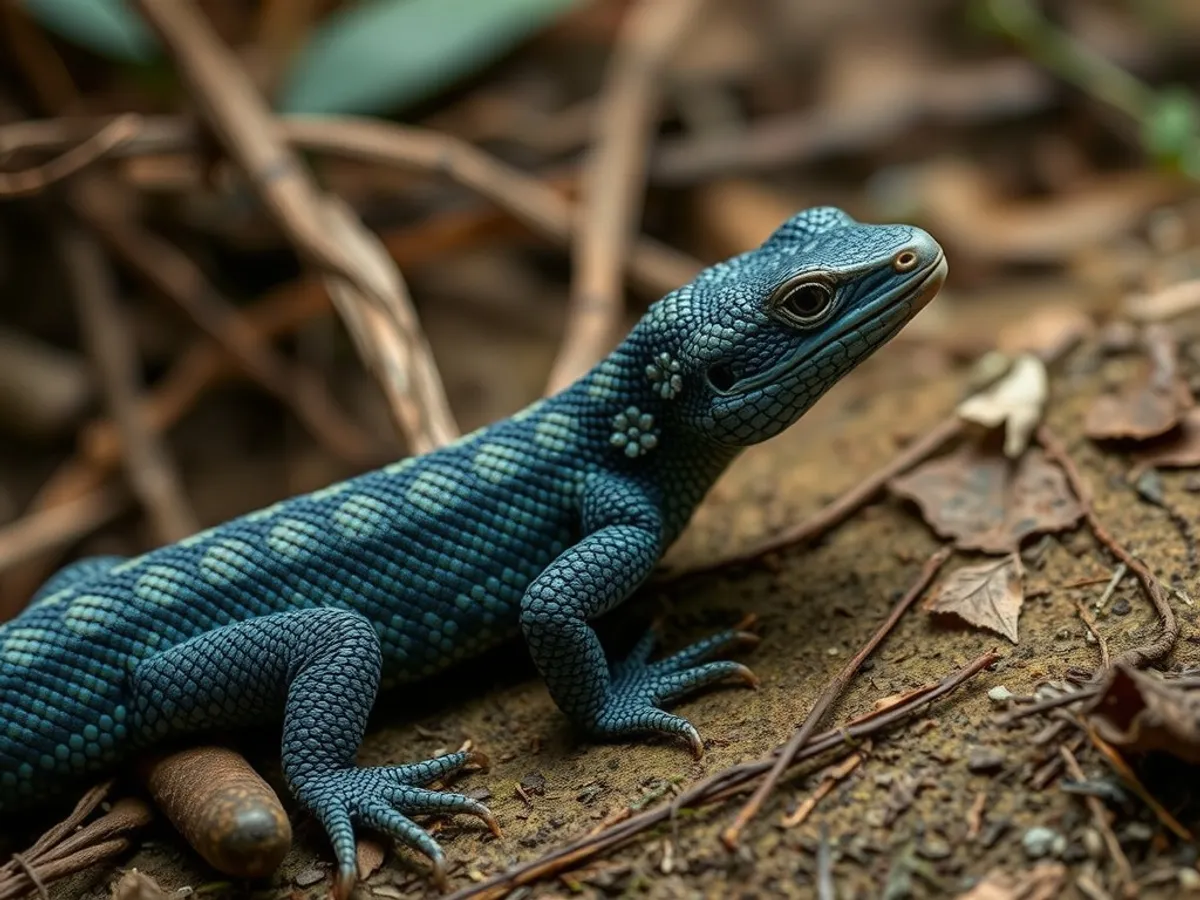
The Mexican Beaded Lizard is a large venomous lizard native to the Pacific slopes of Mexico and parts of Central America. It is known for its striking, bead-like scales that cover its robust body, as well as its slow-moving, secretive nature. This reptile spends much of its life hiding in burrows, emerging primarily during the wet season to feed and mate. As one of only a few venomous lizards in the world, its venom is delivered through grooved teeth in its lower jaw, primarily used for subduing prey.
Fascinating facts
Venomous Bite
The Mexican Beaded Lizard produces venom in glands in its lower jaw, which it delivers through grooves in its teeth. Its bite is rarely fatal to humans but can cause severe pain and swelling.
Egg Eater
This lizard's diet consists mainly of bird and reptile eggs, but it also eats small mammals, birds, and insects when available.
Secretive Lifestyle
Mexican Beaded Lizards spend up to 95% of their time underground in burrows to avoid predators and extreme heat.
Detailed description
The Mexican Beaded Lizard (Heloderma horridum) is a robust, heavy-bodied lizard reaching adult lengths of 60–90 cm (24–35 in) and weighing up to 2 kg (4.4 lbs), making it the largest member of the Helodermatidae family. Its skin is covered with bead-like, osteoderm-reinforced scales, giving it a distinctive, textured appearance and providing protection against predators and environmental hazards. The coloration is typically black or dark brown, interspersed with yellowish or cream-colored bands or spots, which serve as camouflage among leaf litter and rocky terrain. The head is broad and blunt, with powerful jaws and grooved lower teeth specialized for venom delivery. The tail is thick and serves as a fat storage organ, allowing the lizard to survive periods of food scarcity. Mexican Beaded Lizards are primarily terrestrial and spend much of their lives in self-dug or abandoned burrows, emerging mainly during the wet season. They are slow-moving and secretive, relying on stealth and their potent venom rather than speed to subdue prey. Their sensory adaptations include a highly developed vomeronasal (Jacobson's) organ for detecting chemical cues, aiding in the location of eggs and other prey. As a long-lived species, individuals can survive for over 30 years in captivity, with similar longevity suspected in the wild. Their reproductive biology is oviparous, with females laying clutches of leathery eggs that incubate for several months before hatching.
Did you know?
Unlike most lizards, the Mexican Beaded Lizard stores fat in its tail, allowing it to survive long periods without food.
Research & sources
Wikipedia summary
The Mexican beaded lizard or beaded lizard is a species of lizard in the family Helodermatidae, one of the two species of venomous beaded lizards found principally in Mexico and southern Guatemala. It and the other members of the same genus, including the Gila monster, are the only lizards known to have evolved an overt venom delivery system. The Mexican beaded lizard is larger than the Gila monster, with duller coloration, black with yellowish bands. As it is a specialized predator that feeds primarily upon eggs, the primary use of its venom is still a source of debate among scientists. This venom has been found to contain several enzymes useful for manufacturing drugs in the treatment of diabetes, and research on the pharmacological use of its venom is ongoing.
Behaviour & social structure
Mexican Beaded Lizards are solitary and primarily nocturnal or crepuscular, becoming most active during the early morning and late afternoon, especially in the wet season (May–October). They exhibit a sit-and-wait hunting strategy, using their acute sense of smell to locate nests of birds, reptiles, and small mammals, from which they consume eggs and occasionally young animals. Feeding bouts are infrequent but can be voracious, with lizards consuming large quantities in a single meal and then fasting for extended periods. When threatened, they display defensive behaviors such as hissing, puffing up the body, and delivering a venomous bite if provoked. Social interactions are limited, but males may engage in ritualized combat during the breeding season, involving grappling and wrestling to establish dominance. Daily routines involve long periods of inactivity within burrows, with surface activity closely tied to ambient temperature and humidity.
Reproduction & life cycle
Breeding occurs during the early wet season (May–June), triggered by increased rainfall and food availability. Males locate receptive females using chemical cues and may engage in combat with rivals. Courtship involves tactile stimulation and circling behaviors. Females lay a clutch of 5–30 eggs in a secure underground chamber, typically in late summer. The eggs have a leathery shell and require an incubation period of 7–8 months, one of the longest among lizards, with hatching occurring the following spring. There is no parental care post-oviposition; hatchlings are independent from birth and possess fully functional venom glands. Sexual maturity is reached at 5–6 years of age, and reproductive output is highly variable depending on environmental conditions.
Adaptations & survival
Key adaptations include the development of venom glands connected to grooved mandibular teeth, allowing for efficient envenomation of prey. The venom contains a complex mixture of proteins, including exendin-4, which has significant pharmacological properties. The beaded, osteoderm-covered skin provides armor against predators and abrasion. The large, fat-storing tail enables survival during periods of food scarcity. Behavioral adaptations include burrowing to avoid extreme temperatures and desiccation, and a low metabolic rate that supports long periods of inactivity. Their acute chemosensory system allows them to detect prey hidden underground, particularly eggs, which form the bulk of their diet.
Cultural significance
In local folklore, the Mexican Beaded Lizard is often regarded with fear and superstition, sometimes believed to possess supernatural powers or lethal venom. Historically, indigenous peoples attributed mystical qualities to the species, and in some regions, its body parts were used in traditional medicine or as talismans. Modern conservation education efforts aim to dispel myths and highlight the lizard's ecological and biomedical importance, particularly its role in the development of diabetes medications.
Recent research
Recent research has focused on the pharmacological properties of Heloderma venom, particularly the peptide exendin-4, which has led to the development of exenatide, a drug used to treat type 2 diabetes. Ongoing studies are examining the ecological role of venom in prey subjugation versus defense, as well as population genetics and habitat use. Advances in radio telemetry have provided new insights into movement patterns, home range sizes, and habitat preferences. Conservation genetics studies are underway to assess genetic diversity and inform management of fragmented populations.
Videos
Habitat
Dry tropical forests and scrublands
 Arid Regions
Desert
Arid lands with minimal rainfall, extreme temperatures, and specialized wildlife adapted to harsh conditions.
 Various Continental Regions
Grassland
Open areas dominated by grasses rather than trees, supporting numerous herbivores and their predators.
 Elevated Terrain
Mountain
High-altitude environments with varying climates and specialized wildlife adapted to rugged terrain and thin air.
 Global
Forest
Wooded areas with significant tree cover and diverse plant and animal communities.
Conservation
The Mexican Beaded Lizard is currently classified as Near Threatened on the IUCN Red List.
Threats & challenges
While currently listed as Least Concern by the IUCN, the Mexican Beaded Lizard faces localized threats from habitat loss due to agricultural expansion, deforestation, and urbanization. Illegal collection for the pet trade and persecution due to fear and misunderstanding of its venomous nature also pose risks. Road mortality and fragmentation of populations are increasing concerns. Although populations remain stable in some areas, ongoing habitat degradation could lead to future declines, particularly in isolated or heavily impacted regions. Conservation efforts include legal protection under CITES Appendix II and national wildlife laws in Mexico.
Taxonomy
Scientific name
Heloderma horridum
- Kingdom
- Animalia
- Phylum
- Chordata
- Class
- Reptilia
- Order
- Squamata
- Family
- Helodermatidae
- Genus
- Heloderma
- Species
- horridum
Where to see a mexican beaded lizard
9 zoos and aquariums in 4 countries are recorded as keeping this species.
 Belfast Zoo🇬🇧 Belfast, United Kingdom
 Paignton Zoo🇬🇧 Paignton, United Kingdom
 Turtle Back Zoo🇺🇸 West Orange, United States
 Sacramento Zoo🇺🇸 Sacramento, United States
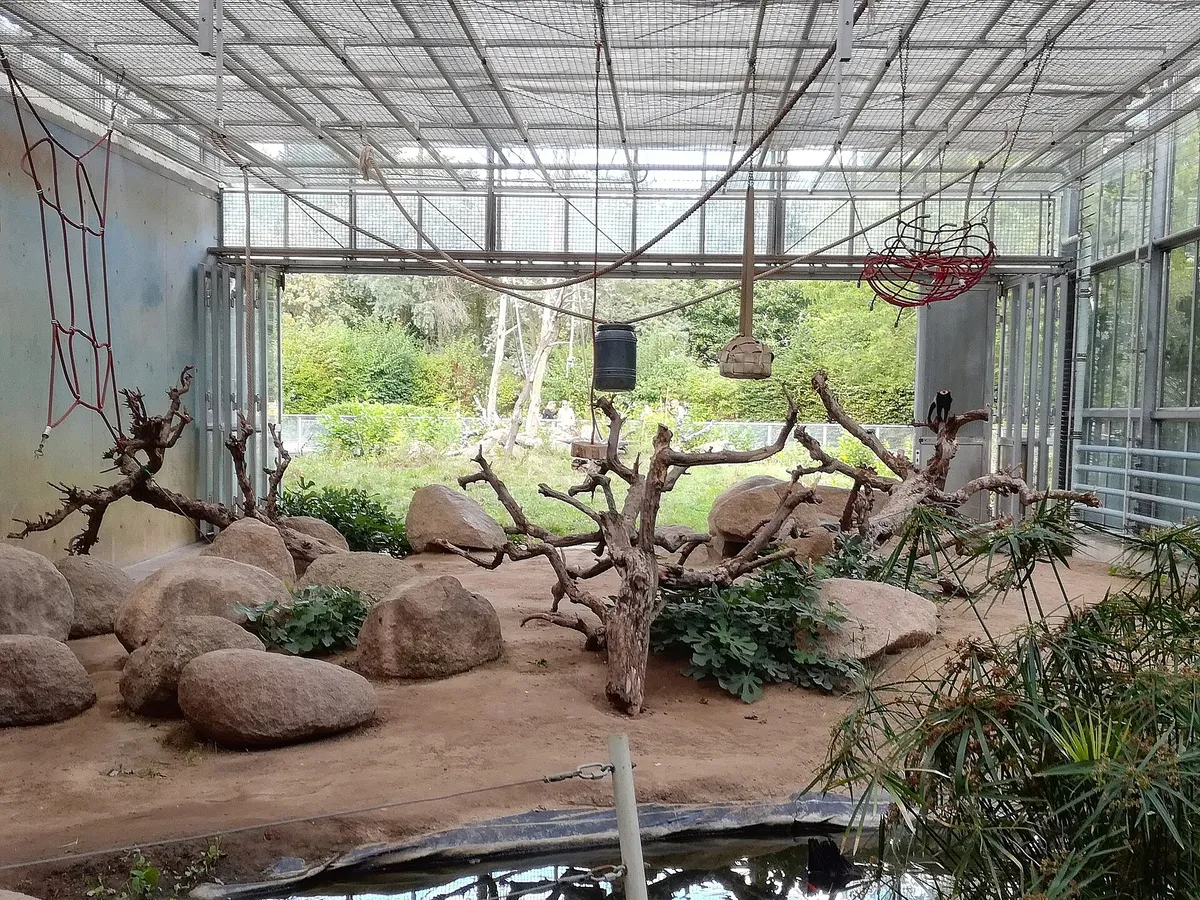 Vivarium🇩🇪 Darmstadt, Germany
Community notes
Share your observations about the Mexican Beaded Lizard.
No community notes yet. Be the first!
Discover more wildlife
More fascinating animals from the encyclopedia.