
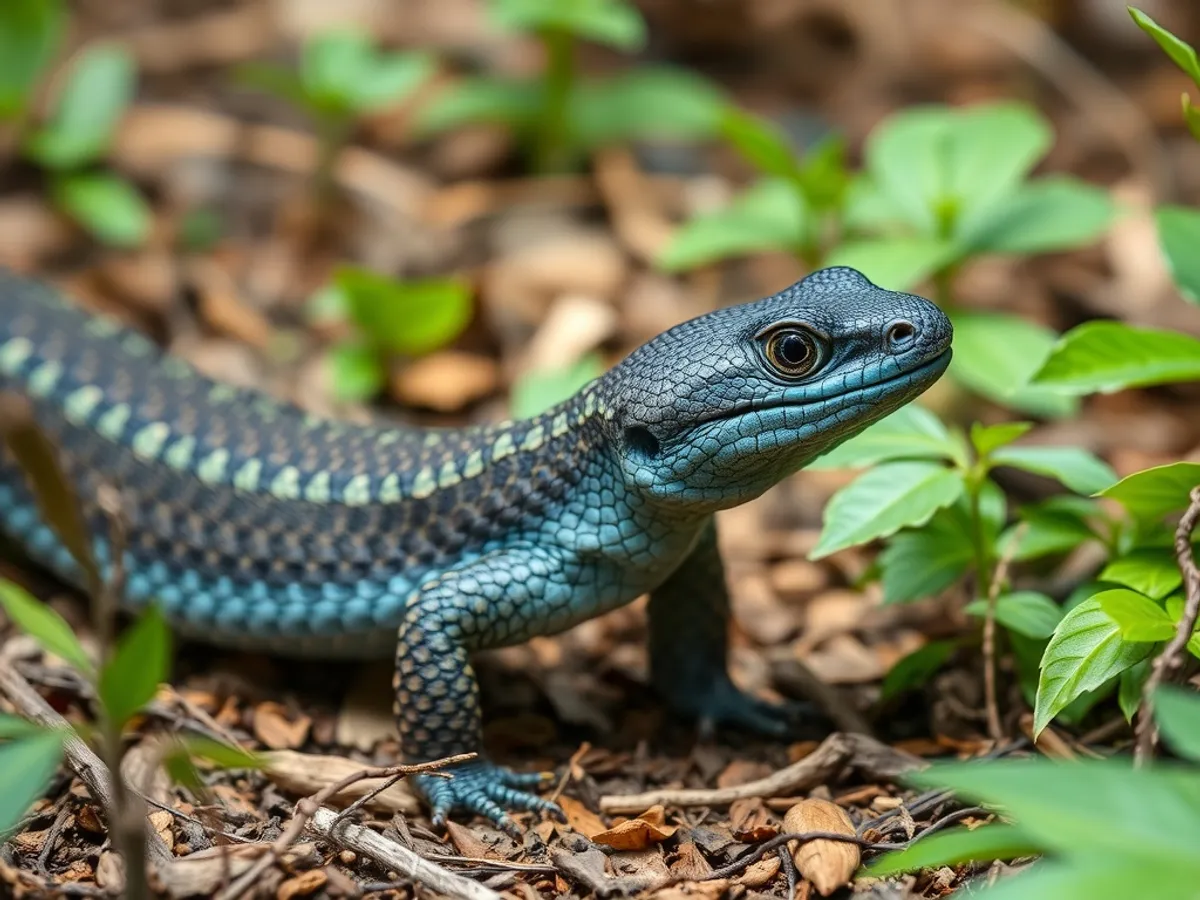
About the Northern Blue-tongued Skink
The Northern Blue-tongued Skink is a large, robust lizard native to northern Australia, easily recognized by its vivid blue tongue, which it displays as a defensive mechanism. Its body is broad and elongated, with smooth, shiny scales in shades of tan, brown, and orange, adorned with dark banding. Highly adaptable, this skink thrives in various habitats, from tropical forests to grassy woodlands and even suburban areas. Omnivorous by nature, it feeds on a wide variety of plants, insects, and small animals, playing a crucial role in its ecosystem. Its docile temperament and distinctive appearance have also made it popular in the pet trade.
Fascinating facts
Blue Tongue Display
When threatened, the skink flashes its bright blue tongue to intimidate predators and avoid confrontation.
Live Birth
Unlike most reptiles, Northern Blue-tongued Skinks give birth to live young instead of laying eggs.
Dietary Diversity
They are opportunistic omnivores, eating everything from fruits and flowers to insects, snails, and small vertebrates.
Detailed description
The Northern Blue-tongued Skink (Tiliqua scincoides intermedia) is the largest and most robust of all blue-tongued skinks, with adults typically reaching 45–60 cm (18–24 in) in total length and weighing up to 1 kg (2.2 lbs). Its body is elongated and cylindrical, covered in smooth, overlapping scales that provide protection and reduce water loss. The coloration is highly variable but often features a pale to bright orange or peach background, with broad, dark transverse bands across the back and tail. The head is large and triangular, with powerful jaws adapted for crushing a variety of foods. Its most distinctive feature is the vivid cobalt-blue tongue, which is rapidly displayed when threatened as a deimatic (startle) display to deter predators. The limbs are relatively short but strong, each ending in five clawed toes. The skink has well-developed parietal eyes and a keen sense of smell, aiding in foraging and predator detection. Northern Blue-tongued Skinks are primarily terrestrial and spend much of their time basking or sheltering under logs, leaf litter, or debris. They are solitary animals, coming together only for breeding. Their omnivorous diet and tolerance for a range of habitats, from tropical savanna to suburban gardens, contribute to their ecological success. Lifespans in the wild are estimated at 15–20 years, with some captive individuals living over 25 years.
Did you know?
The blue coloration of their tongue is thought to mimic the appearance of venomous animals, helping to deter would-be attackers.
Research & sources
Wikipedia summary
The northern blue-tongued skink or northern blue-tongued lizard is the largest and heaviest of the blue-tongued lizards. They are native to Australia and found almost exclusively in the Northern Region. They generally live around 20 years and are commonly kept as pets.
Behaviour & social structure
Northern Blue-tongued Skinks are diurnal, being most active during the early morning and late afternoon when temperatures are moderate. They are primarily ground-dwelling, moving with a slow, undulating gait but capable of surprising bursts of speed when threatened. Foraging is opportunistic; they use their forked tongue and acute olfactory senses to locate food, including insects, snails, flowers, fruits, and carrion. These skinks are known to raid bird nests for eggs and will consume small vertebrates if available. They are generally solitary and territorial, with males displaying aggressive behaviors—such as head bobbing, hissing, and tongue flashing—toward rivals during the breeding season. When threatened, they flatten their bodies, hiss loudly, and display their blue tongues to intimidate predators. They are not known for burrowing but will utilize existing burrows or natural shelters for thermoregulation and protection. In captivity, they exhibit docile temperaments and can recognize individual keepers, showing some degree of learning and habituation.
Reproduction & life cycle
Northern Blue-tongued Skinks are ovoviviparous, meaning females give birth to live young rather than laying eggs. Breeding typically occurs at the onset of the dry season (late spring to early summer, October–December in northern Australia). Courtship involves males pursuing and biting females, sometimes resulting in minor injuries. After successful mating, females undergo a gestation period of approximately 100–110 days. Litters usually consist of 5–20 fully formed juveniles, each measuring 10–15 cm (4–6 in) at birth. Neonates are precocial and independent from birth, receiving no parental care. Survival rates are relatively low in the wild due to predation, but high fecundity ensures population stability. Sexual maturity is reached at around 2–3 years of age.
Adaptations & survival
The Northern Blue-tongued Skink exhibits several key adaptations for survival in its variable environment. Its blue tongue is a unique antipredator adaptation, believed to mimic the appearance of toxic or unpalatable animals and to startle potential threats. The robust skull and jaw musculature allow it to consume hard-shelled prey such as snails and beetles. Its smooth, overlapping scales reduce water loss and protect against abrasion in rough terrain. The skink’s omnivorous diet and ability to exploit a wide range of food sources provide resilience in fluctuating environments. Behavioral thermoregulation—basking to warm up and seeking shade or shelter to cool down—enables it to maintain optimal body temperature. Its cryptic coloration and tendency to remain motionless when approached help it avoid detection by predators.
Cultural significance
While not a major figure in Aboriginal mythology, the Northern Blue-tongued Skink is recognized in some Indigenous Australian cultures as a food source and a symbol of adaptability. In contemporary Australian culture, it is valued as a charismatic and easily recognizable reptile, often featured in educational programs and wildlife outreach. Its docile nature and striking appearance have made it a popular pet both in Australia and internationally, contributing to public interest in reptile conservation. There are no known significant traditional medicinal or ritual uses.
Recent research
Recent research has focused on the genetic diversity and phylogeography of Tiliqua scincoides intermedia, revealing significant genetic structuring across its range, which may have implications for conservation management. Studies on its diet and ecological role have highlighted its importance in controlling pest invertebrates and dispersing seeds. Behavioral research has examined the function of the blue tongue in predator deterrence, with evidence supporting both aposematic and startle hypotheses. Captive breeding programs have contributed to understanding reproductive physiology and have established best practices for husbandry, reducing pressure on wild populations. Ongoing studies are investigating the impacts of climate change on distribution and reproductive timing.
Videos
Habitat
Tropical savanna and woodland
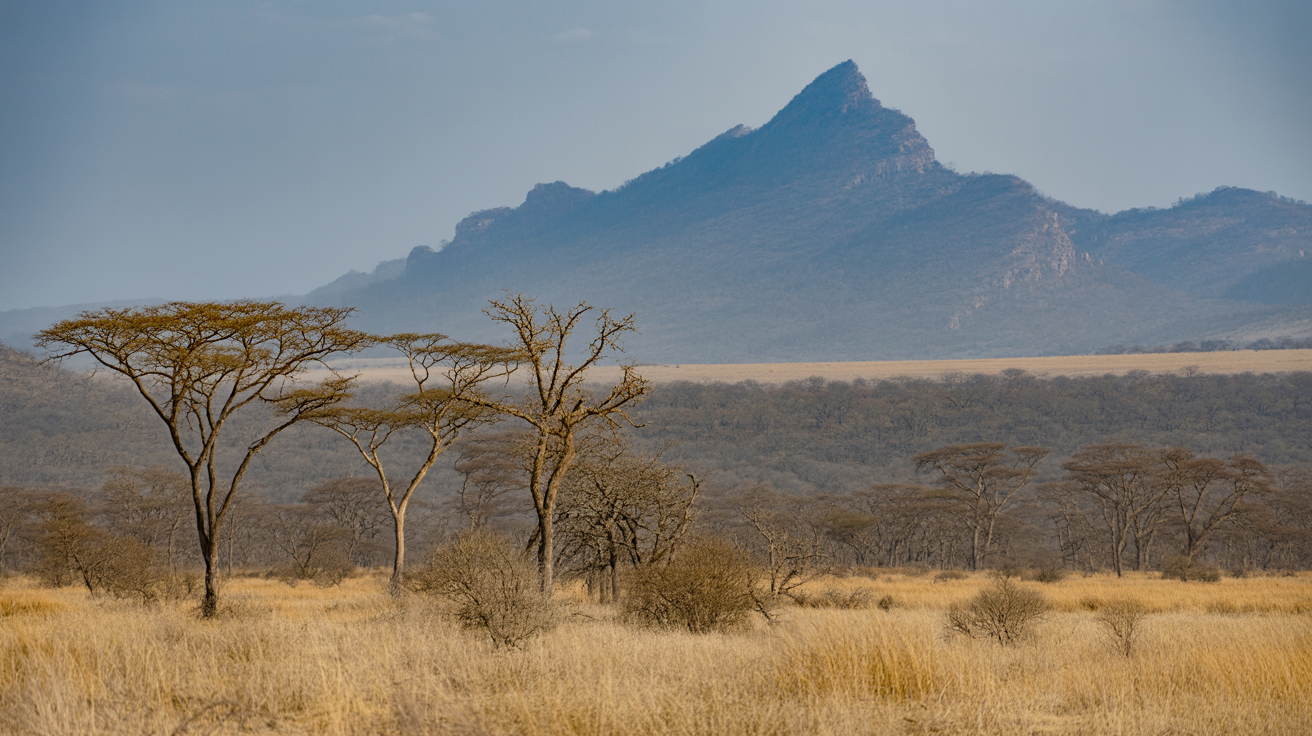 Africa
Savanna
Grasslands with scattered trees, characterized by seasonal rainfall and home to diverse grazing animals and predators.
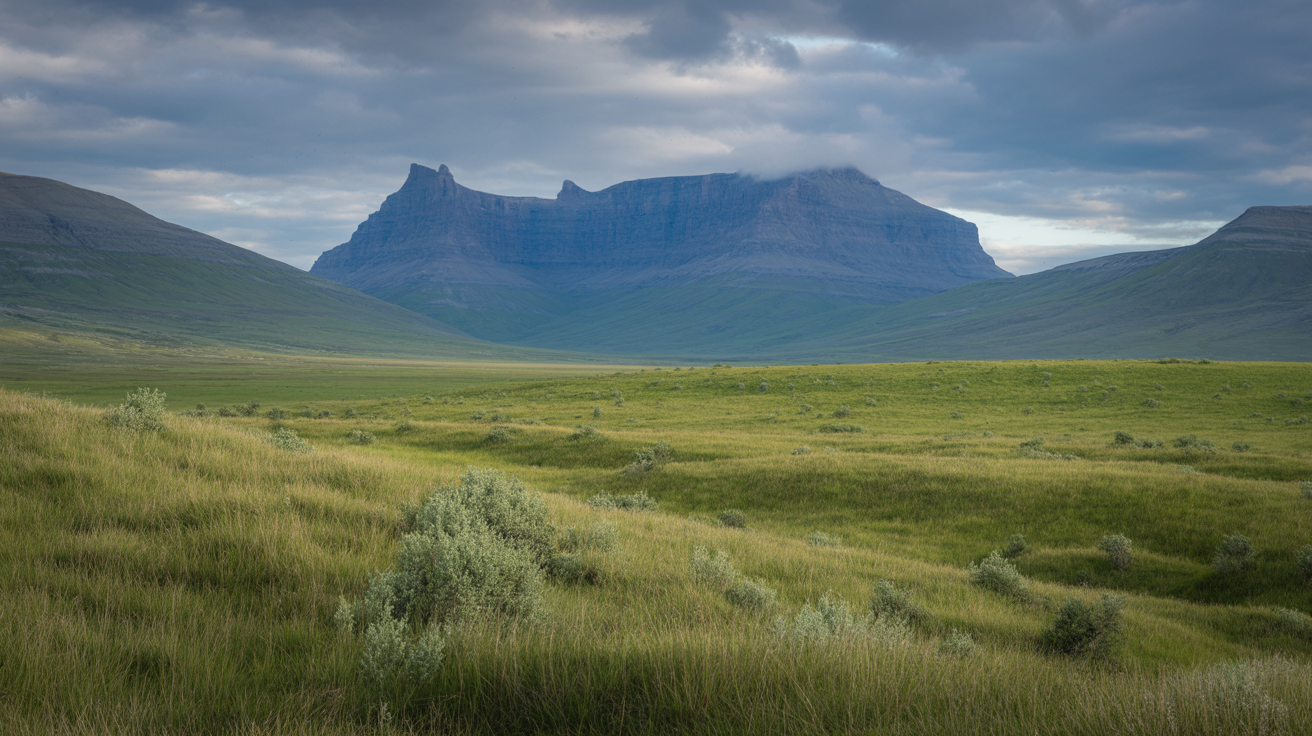 Various Continental Regions
Grassland
Open areas dominated by grasses rather than trees, supporting numerous herbivores and their predators.
 Global
Forest
Wooded areas with significant tree cover and diverse plant and animal communities.
Conservation
The Northern Blue-tongued Skink is currently classified as Least Concern on the IUCN Red List.
Threats & challenges
Currently, the Northern Blue-tongued Skink is classified as Least Concern, with stable populations across its range. However, localized threats include habitat loss due to agricultural expansion, urbanization, and frequent burning of savanna habitats. Predation by introduced species such as feral cats, dogs, and foxes poses a risk, particularly to juveniles. Road mortality is a significant threat in peri-urban areas. Collection for the pet trade is regulated but can impact wild populations if not managed sustainably. Climate change, with its potential to alter rainfall patterns and increase the frequency of extreme weather events, may present future challenges for habitat suitability and food availability.
Taxonomy
Scientific name
Tiliqua scincoides intermedia
- Kingdom
- Animalia
- Phylum
- Chordata
- Class
- Reptilia
- Order
- Squamata
- Family
- Scincidae
- Genus
- Tiliqua
- Species
- scincoides intermedia
Where to see a northern blue-tongued skink
2 zoos and aquariums in 1 country are recorded as keeping this species.
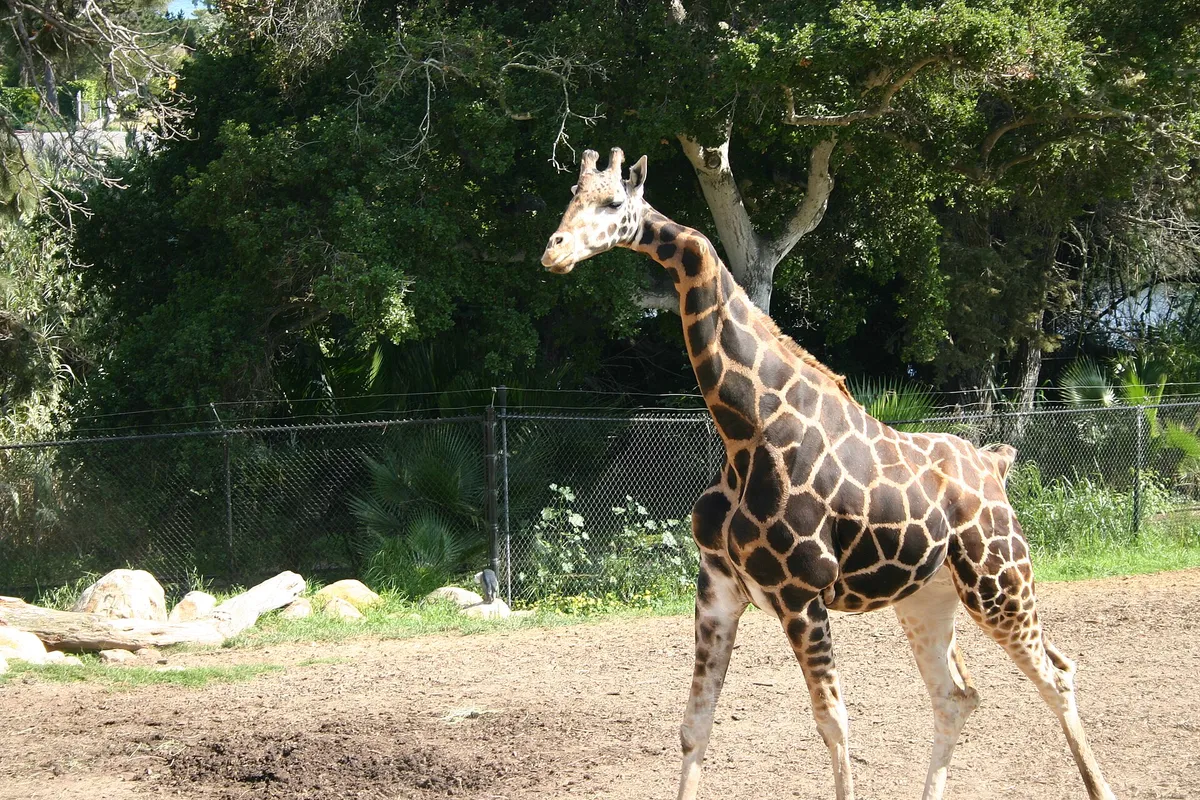 Santa Barbara Zoological Gardens🇺🇸 Santa Barbara, United States
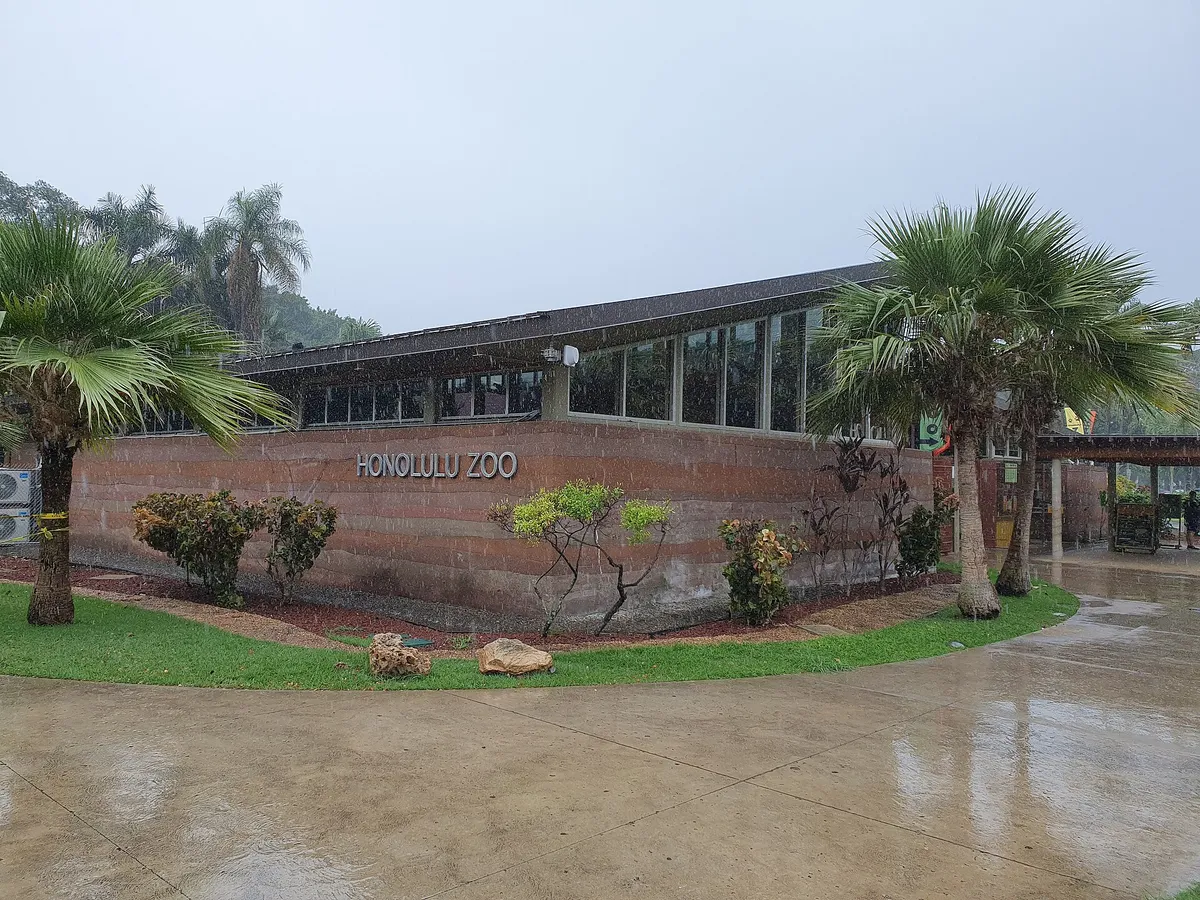 Honolulu Zoo🇺🇸 Honolulu, United States
Community notes
Share your observations about the Northern Blue-tongued Skink.
No community notes yet. Be the first!
Discover more wildlife
More fascinating animals from the encyclopedia.