
About the Northern Flicker
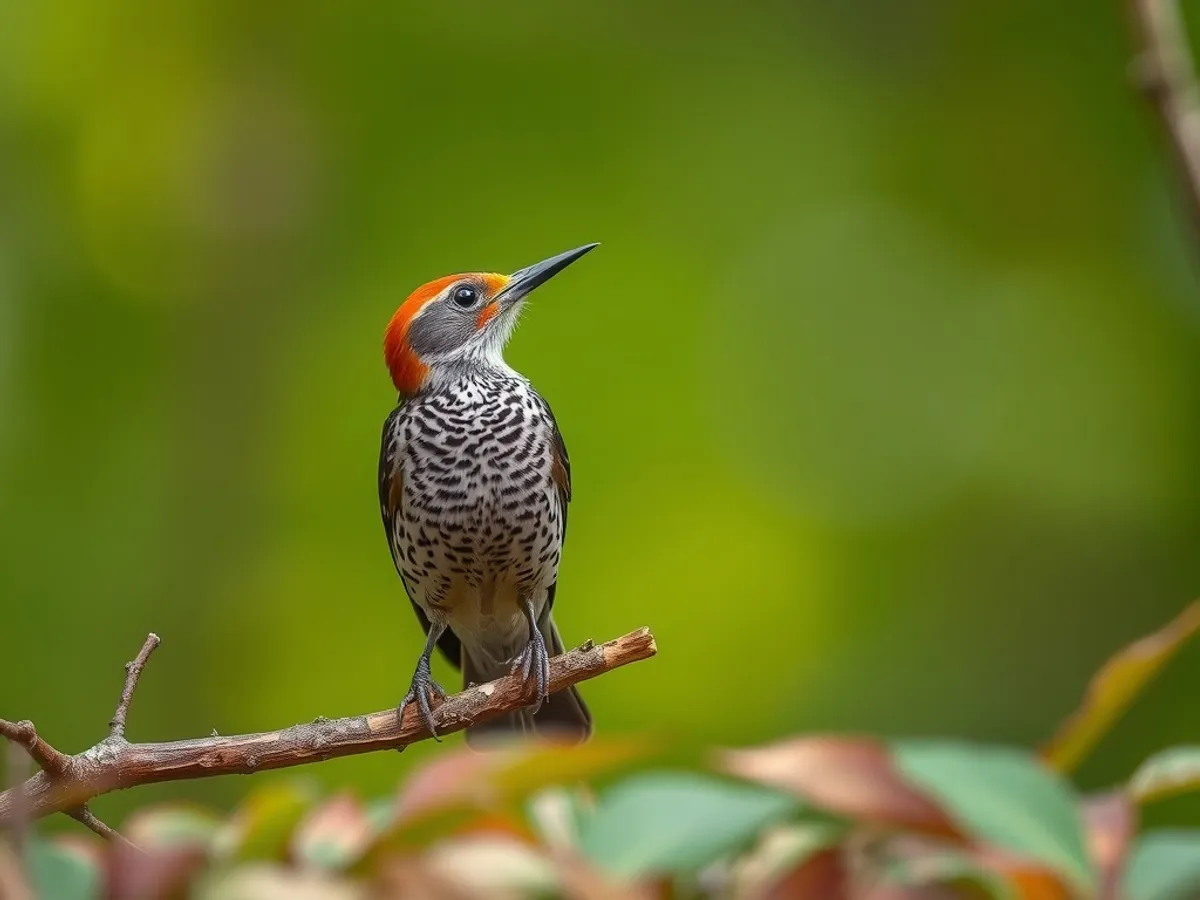
Colaptes auratus is a woodpecker that has largely given up on wood. It spends most of its time hopping on the ground digging into ant nests, and ants make up around half its diet — more than for any other North American bird. Its tongue can extend roughly 5 cm past the bill tip and is coated in sticky saliva, and the bill is slightly downcurved and less chisel-like than a typical woodpecker's, better suited to probing soil than excavating bark. The species comes in two long-recognised forms that were once treated as separate species: the yellow-shafted flicker of the east and north, with lemon-yellow underwings and a red nape crescent, and the red-shafted flicker of the west, with salmon-pink shafts and no nape mark. They interbreed freely in a broad hybrid zone through the Great Plains, and intermediate birds with orange shafts are common there. Flickers still excavate nest cavities in dead or soft wood, and the abandoned holes are critical real estate for kestrels, screech-owls and bluebirds that cannot dig their own. In spring, males drum on whatever resonates loudest — often a metal chimney cap or gutter — because the point is volume, not carpentry.
Fascinating facts
Ground Forager
Northern Flickers are unique among woodpeckers for their habit of foraging on the ground rather than exclusively on trees.
Loud Drummers
Their drumming can be heard echoing through woodlands, as they use it to attract mates and mark territory, sometimes even drumming on metal objects.
Colorful Shafts
Depending on location, their wing and tail feathers display bright yellow (east) or red (west) shafts, leading to the names Yellow-shafted and Red-shafted Flicker.
Detailed description
The Northern Flicker (Colaptes auratus) is a robust, medium-sized woodpecker, measuring 28–36 cm (11–14 in) in length with a wingspan of 42–54 cm (16.5–21 in) and weighing 86–167 g (3–6 oz). Its plumage is predominantly brownish with black barring on the back and wings, a white rump visible in flight, and a prominent black crescent-shaped bib on the upper breast. Two main forms are recognized: the 'yellow-shafted' flicker (eastern and northern North America) with yellow underwing and tail feathers, and the 'red-shafted' flicker (western North America) with red highlights. Males typically display a black or red malar (mustache) stripe, depending on the subspecies. Unlike most woodpeckers, Northern Flickers are often observed foraging on the ground, using their slightly curved bill to dig for ants, beetles, and other insects, which constitute up to 45% of their diet. They also consume fruits, seeds, and nuts, especially in winter. Their vocalizations are varied, including a loud 'wick-a-wick-a-wick' call and a distinctive drumming used for communication and territory defense. Socially, flickers are generally solitary or found in pairs, but may gather in loose groups during migration or at abundant food sources. They nest in tree cavities, often excavating their own or reusing abandoned holes, and are known for their adaptability to urban and suburban environments.
Did you know?
Unlike most woodpeckers, Northern Flickers are frequently seen on the ground searching for ants, which make up to 45% of their diet.
Research & sources
Wikipedia summary
The northern flicker or common flicker is a medium-sized bird of the woodpecker family. It is native to most of North America, parts of Central America, Cuba, and the Cayman Islands, and is one of the few woodpecker species that migrate. Over 100 common names for the northern flicker are known, including yellowhammer, clape, gaffer woodpecker, harry-wicket, heigh-ho, wake-up, walk-up, wick-up, yarrup, and gawker bird. Many of these names derive from attempts to imitate some of its calls. It is the state bird of Alabama.
Behaviour & social structure
Northern Flickers exhibit diurnal activity, with peak foraging occurring in the early morning and late afternoon. Their ground-feeding behavior is unique among North American woodpeckers, involving probing and flicking aside leaf litter to access ant colonies and insect larvae. They use their long, barbed tongues to extract prey from tunnels and crevices. Flickers are territorial during the breeding season, engaging in ritualized displays such as head bobbing, wing spreading, and drumming on resonant surfaces (including metal poles and gutters) to advertise territory and attract mates. Outside of breeding, they are less aggressive and may tolerate conspecifics at rich feeding sites. During migration, especially in northern populations, they travel singly or in small flocks. Roosting occurs in tree cavities or occasionally in nest boxes. Flickers are known to cache food, particularly fruits and nuts, during periods of abundance.
Reproduction & life cycle
Breeding season varies geographically but typically spans from April to July. Northern Flickers are monogamous within a breeding season and both sexes participate in nest excavation, which may take up to two weeks. Nests are usually placed 1–6 m (3–20 ft) above ground in dead or decaying trees, utility poles, or occasionally in human-made structures. Clutch size ranges from 5–8 glossy white eggs. Both parents share incubation duties for 11–14 days and feed the altricial chicks by regurgitation. Fledging occurs at 24–28 days post-hatching, after which juveniles may remain with parents for several weeks. Flickers often reuse or renovate old cavities in subsequent years, and may have one or occasionally two broods per season depending on latitude and resource availability.
Adaptations & survival
Northern Flickers possess several specialized adaptations: their zygodactyl feet (two toes forward, two backward) and stiff tail feathers provide support while climbing or excavating wood. The long, extensible tongue (up to 5 cm beyond the bill tip) is sticky and barbed, ideal for capturing ants and larvae. Their skulls are reinforced to withstand repeated pecking, and a specialized hyoid apparatus cushions the brain. Camouflage plumage aids in predator avoidance, while the conspicuous rump patch and underwing coloration may serve as flash signals during flight. Behavioral flexibility, such as ground foraging and urban nesting, has enabled the species to exploit a wide range of habitats.
Cultural significance
The Northern Flicker holds cultural importance in various regions. It is the state bird of Alabama, where it is known as the 'Yellowhammer,' a name that has become a state symbol and nickname for Alabama residents and military units. Indigenous peoples have incorporated flicker feathers into regalia and ceremonial objects, particularly in the Plains and Southwest. The bird's drumming and calls have inspired numerous folk names and feature in local folklore as harbingers of weather or omens. Its adaptability and striking appearance make it a familiar and admired species in North American backyards.
Recent research
Recent research has focused on hybridization zones between the yellow-shafted and red-shafted forms, particularly in the Great Plains, revealing complex gene flow and behavioral interactions. Studies using stable isotope analysis have provided insights into migratory connectivity and dietary shifts. Ongoing work examines the impacts of urbanization on nesting success and the role of flickers as ecosystem engineers, as their abandoned cavities benefit secondary cavity-nesting birds and mammals. Genomic studies are elucidating the evolutionary history of the Colaptes genus and adaptation to diverse habitats.
Videos
Habitat
Woodlands, forest edges, open fields, and urban parks
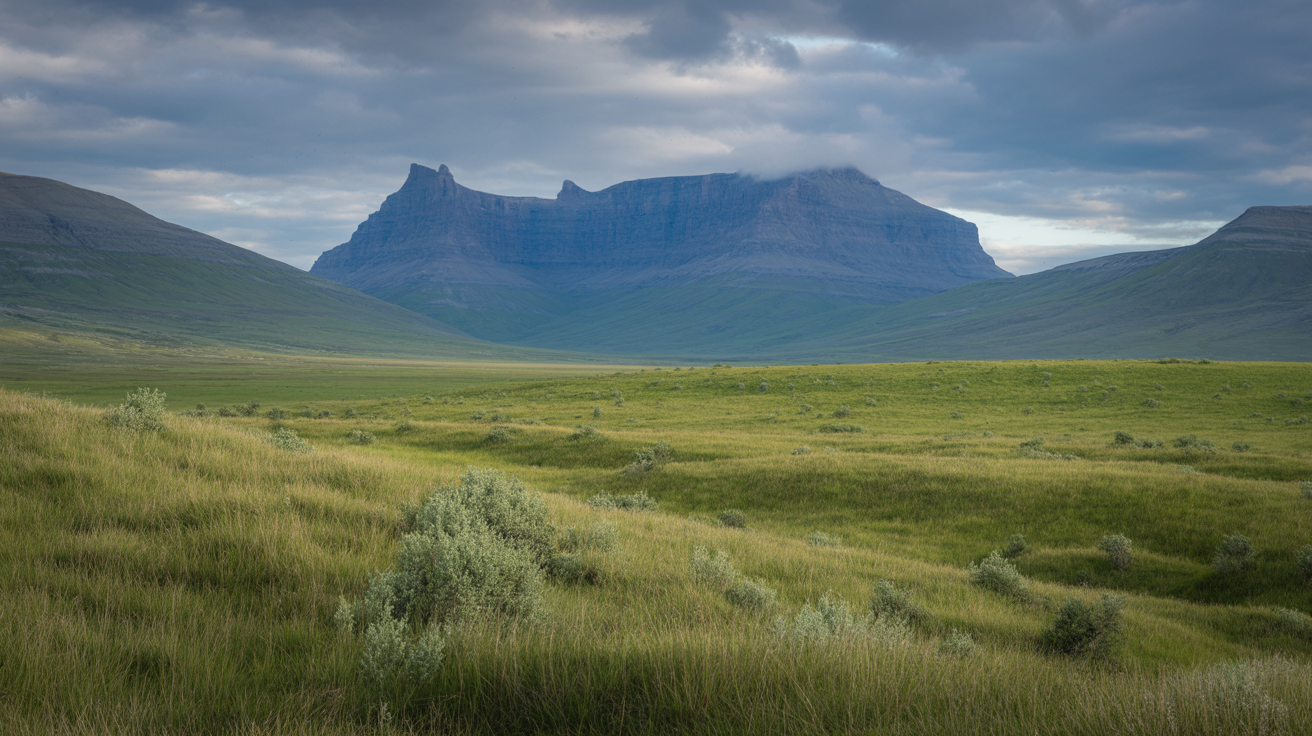 Various Continental Regions
Grassland
Open areas dominated by grasses rather than trees, supporting numerous herbivores and their predators.
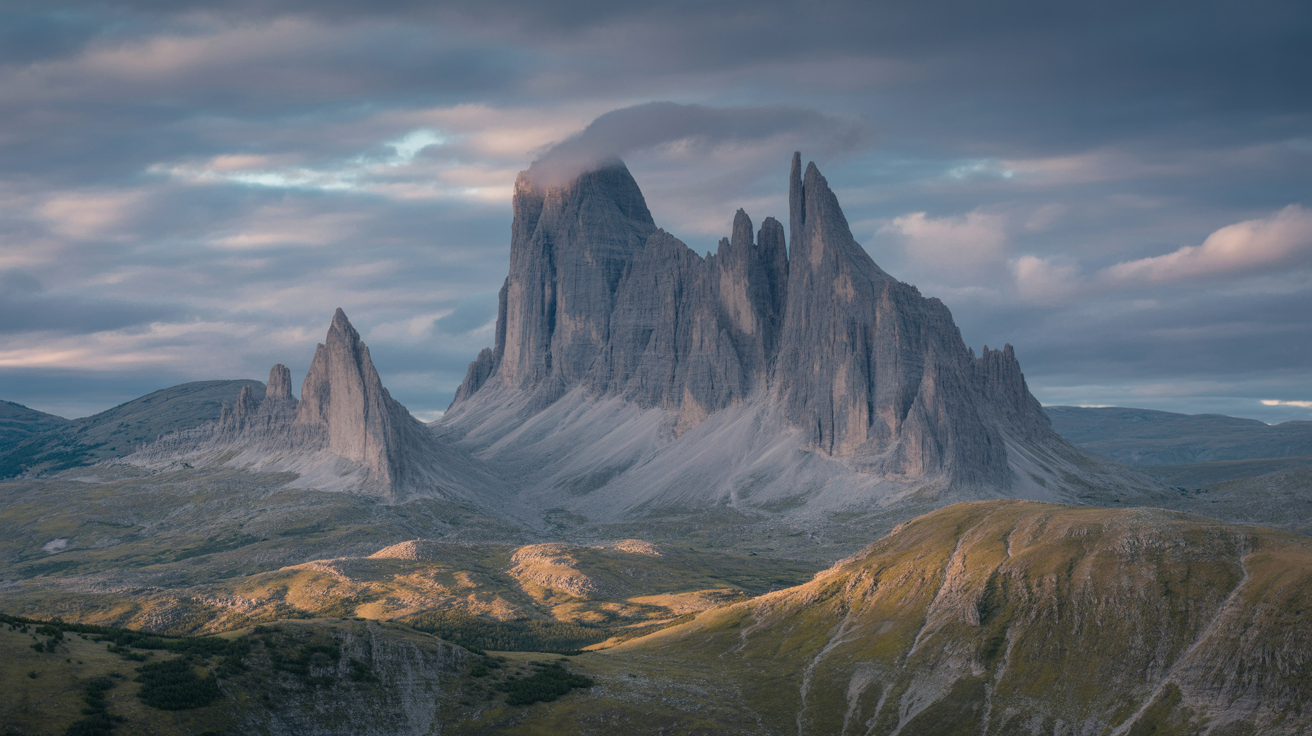 Elevated Terrain
Mountain
High-altitude environments with varying climates and specialized wildlife adapted to rugged terrain and thin air.
 Global
Forest
Wooded areas with significant tree cover and diverse plant and animal communities.
Conservation
The Northern Flicker is currently classified as Least Concern on the IUCN Red List.
Threats & challenges
Currently classified as Least Concern by the IUCN, Northern Flickers have stable populations across most of their range, though localized declines have been noted. Threats include habitat loss due to deforestation, removal of dead trees (snags) essential for nesting, competition for cavities with invasive species (e.g., European Starlings), pesticide use reducing insect prey, and window collisions in urban areas. Climate change may alter migration patterns and food availability. Conservation efforts focus on maintaining mature woodlands, preserving snags, and promoting nest box programs.
Taxonomy
Scientific name
Colaptes auratus
- Kingdom
- Animalia
- Phylum
- Chordata
- Class
- Aves
- Order
- Piciformes
- Family
- Picidae
- Genus
- Colaptes
- Species
- auratus
Where to see a northern flicker
1 zoo and aquarium in 1 country are recorded as keeping this species.
Community notes
Share your observations about the Northern Flicker.
No community notes yet. Be the first!
Discover more wildlife
More fascinating animals from the encyclopedia.