
Orca (Killer Whale)
Orcinus orca
About the Orca (Killer Whale)
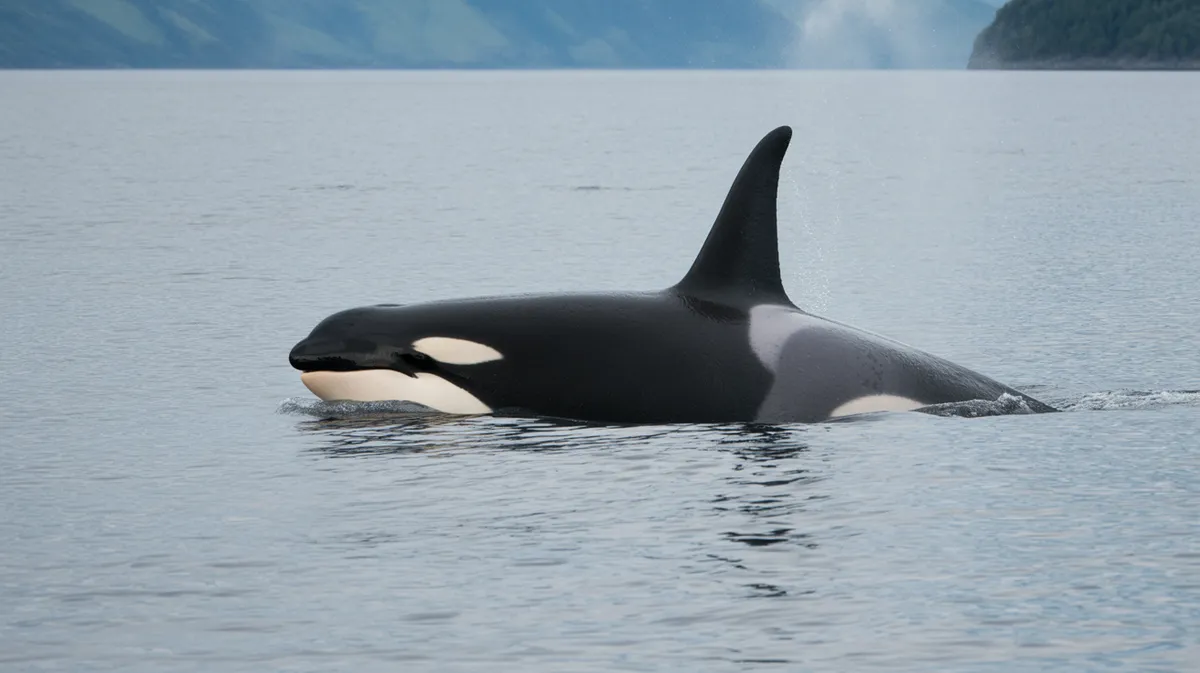
Orcas, or killer whales (Orcinus orca), are the largest members of the dolphin family, Delphinidae, with adult males reaching lengths of up to 9 meters and weighing over 5,400 kilograms. These apex predators are distributed across all of the world's oceans, from the frigid Arctic and Antarctic regions to tropical seas. Orcas exhibit remarkable adaptability, with distinct populations, known as ecotypes, that have evolved unique hunting strategies and prey preferences. For instance, the North Pacific's 'transient' orcas primarily hunt marine mammals, while 'resident' groups focus on fish, particularly salmon. Their striking black and white coloration serves as a form of disruptive camouflage, breaking up their outline in the water and aiding in stealth during hunting. Socially, orcas live in matrilineal pods, where offspring remain with their mothers for life, enhancing cooperative hunting and caregiving. Their complex vocalizations, which vary significantly between pods, suggest a sophisticated level of communication and cultural transmission.
Fascinating facts
Dolphin Family
Orcas belong to the family Delphinidae, making them the largest of all dolphins.
Smart Hunters
Orcas use complex hunting strategies, including teamwork and communication, to catch prey ranging from fish to seals and even whales.
Strong Family Bonds
Orca pods are matrilineal and often consist of several generations led by a dominant female, with offspring staying with their mothers for life.
Detailed description
The orca (Orcinus orca) is a robust, highly intelligent marine mammal and the largest member of the Delphinidae (oceanic dolphin) family. Adult males typically reach lengths of 6–8 meters (20–26 ft) and weigh up to 6,000 kg (13,200 lbs), while females are slightly smaller, averaging 5–7 meters (16–23 ft) and 3,000–4,000 kg (6,600–8,800 lbs). Orcas are instantly recognizable by their striking black-and-white coloration, with a black back, white chest and sides, and a distinctive white patch above and behind each eye. Their large dorsal fin, which can reach up to 1.8 meters (6 ft) in males, is the tallest of any cetacean. Orcas possess conical, interlocking teeth (up to 56), adapted for grasping and tearing prey. They are highly social, living in complex, stable matrilineal pods that can range from a few individuals to over 40 members. These pods exhibit sophisticated communication through a repertoire of clicks, whistles, and pulsed calls, with dialects unique to each group. Orcas display remarkable behavioral plasticity, employing diverse hunting strategies tailored to local prey, including coordinated wave-washing, beaching, and carousel feeding. Females have long lifespans, often exceeding 50 years, with some individuals documented over 90 years old, and play a central role in pod cohesion and knowledge transfer. Their cosmopolitan distribution spans all oceans, from polar to tropical regions, with distinct ecotypes adapted to specific habitats and prey. As apex predators, orcas have no natural predators and exert significant influence on marine ecosystems.
Did you know?
Despite their name, killer whales are actually the largest species of dolphin, not whales.
Research & sources
Behaviour & social structure
Orcas exhibit some of the most complex social and behavioral patterns among non-human animals. They live in matrilineal pods, where offspring remain with their mothers for life, forming stable social units. Daily routines include cooperative hunting, socializing, resting, and traveling, with activity patterns varying by ecotype and region. Their hunting behavior is highly specialized: resident orcas in the North Pacific primarily consume fish (notably salmon), while transient (Bigg’s) orcas specialize in marine mammals such as seals, sea lions, and even large whales. Hunting is often a coordinated group effort, involving role differentiation, vocal communication, and learned techniques passed down generations. For example, Antarctic orcas have been observed creating waves to wash seals off ice floes, while Norwegian orcas herd herring into tight balls before stunning them with tail slaps. Social interactions include tactile contact, synchronized swimming, breaching, spyhopping, and vocal exchanges. Play behavior is common, especially among juveniles, and may serve to strengthen social bonds and develop hunting skills.
Reproduction & life cycle
Orcas have a polygynous mating system, with males mating with females from other pods to avoid inbreeding. Breeding can occur year-round, though peaks are observed in late winter to early spring in some populations. Females reach sexual maturity between 10–15 years, while males mature later, around 15–20 years. Gestation lasts approximately 15–18 months, after which a single calf is born, measuring about 2–2.5 meters (6.6–8.2 ft) and weighing 150–200 kg (330–440 lbs). Calving intervals are typically 3–10 years, reflecting the species’ slow reproductive rate. Calves nurse for up to two years but may remain dependent on their mothers for longer. Maternal care is extensive, with mothers and close female relatives providing protection, guidance, and social integration for the young. Post-reproductive females (matriarchs) play a crucial role in pod leadership and knowledge transmission, a phenomenon known as the 'grandmother effect.'
Adaptations & survival
Orcas possess a suite of physical and behavioral adaptations for marine predation. Their streamlined, muscular bodies enable bursts of speed up to 56 km/h (35 mph) for short distances. The large dorsal fin and pectoral flippers aid in stability and maneuverability. Echolocation, using clicks and returning echoes, allows them to navigate and locate prey in dark or murky waters. Their acute hearing and complex vocalizations facilitate communication and coordination within pods. The countershaded coloration provides camouflage: the black back blends with the ocean depths when viewed from above, while the white underside matches the brighter surface when seen from below. Behavioral adaptations include cultural transmission of hunting techniques, prey specialization by ecotype, and the ability to adapt strategies to local conditions. Their large brains, with highly developed neocortex and limbic systems, support advanced cognition, memory, and social learning.
Cultural significance
Orcas hold profound significance in the cultures of Indigenous peoples of the Pacific Northwest, where they are revered as powerful spiritual beings, clan totems, and symbols of family, unity, and protection. In mythology, orcas are often seen as guardians of the sea or reincarnations of ancestors. They appear in art, oral traditions, and ceremonies, and their imagery is widespread in totem poles and carvings. In modern culture, orcas are iconic figures in marine conservation, popular media, and ecotourism, though their captivity has sparked ethical debates and inspired movements for improved animal welfare. The orca's intelligence, social complexity, and striking appearance have made it a symbol of wildness and the interconnectedness of marine life.
Recent research
Recent research has revealed extensive cultural diversity among orca populations, with distinct vocal dialects, hunting traditions, and social structures—some scientists propose these differences are akin to 'ecotypes' or even incipient speciation. Genetic studies have identified at least 10 ecotypes globally, each with unique morphology, diet, and behavior. Long-term photo-identification and acoustic monitoring have provided insights into pod stability, kinship, and social learning. Studies on orca cognition demonstrate advanced problem-solving, imitation, and even evidence of empathy. Ongoing research focuses on the impacts of pollutants (notably PCBs) on immune and reproductive health, the effects of noise pollution on communication, and the consequences of climate change on prey availability. Conservation efforts are increasingly informed by interdisciplinary studies integrating genetics, ecology, and traditional ecological knowledge.
Sources
Killer Whales: The Natural History and Genealogy of Orcinus orca in British Columbia and Washington State
John K.B. Ford, Graeme M. Ellis, Kenneth C. Balcomb (2000)
scientificOrcinus orca: The IUCN Red List of Threatened Species 2017
International Union for Conservation of Nature (IUCN)
conservationKiller Whales: The Natural History and Genealogy of Orcinus orca in British Columbia and Washington
John K. B. Ford, Graeme M. Ellis, Kenneth C. Balcomb (2000)
scientificOrcinus orca: The IUCN Red List of Threatened Species 2017
IUCN SSC Cetacean Specialist Group
conservationKiller Whales: The Natural History and Genealogy of Orcinus orca in British Columbia and Washington State
John K.B. Ford, Graeme M. Ellis, Kenneth C. Balcomb (2000)
scientificOrcinus orca: The IUCN Red List of Threatened Species 2017
IUCN SSC Cetacean Specialist Group (2017)
conservationVideos
Habitat
Ocean
 Polar Regions
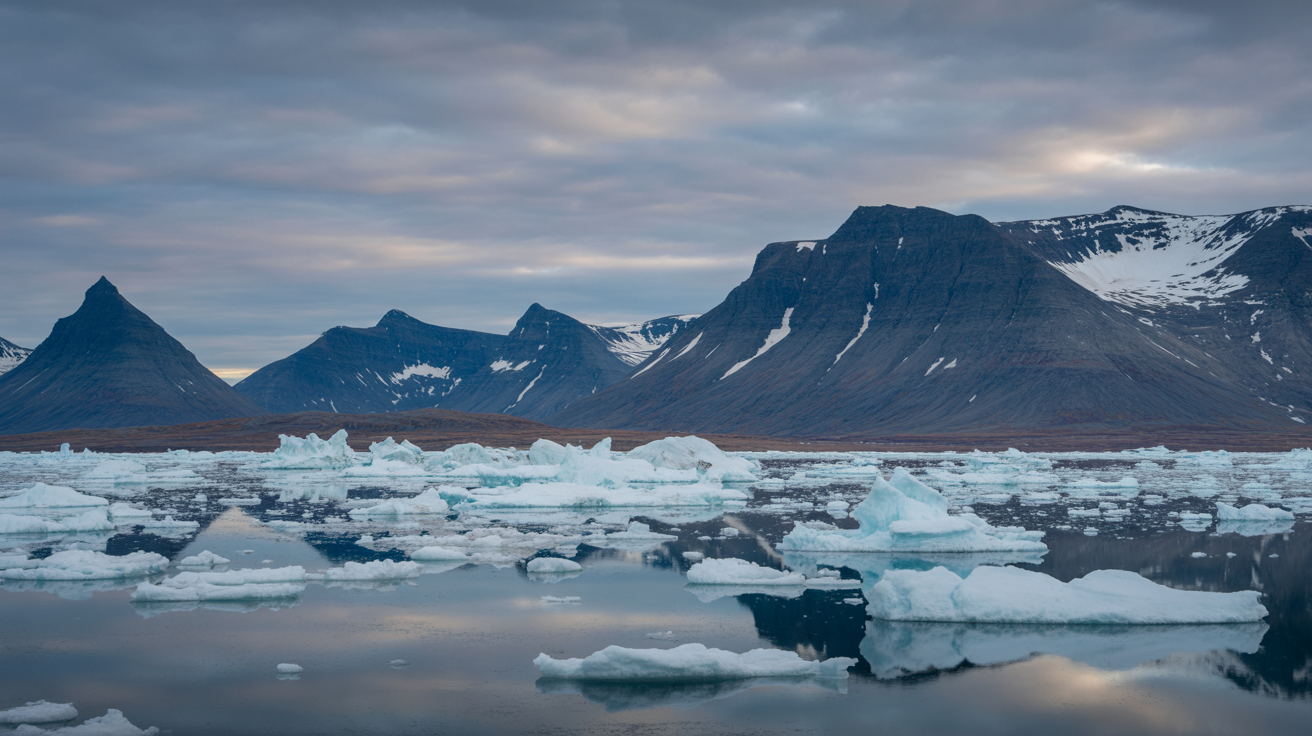
Arctic
Cold, frozen landscapes around the North Pole with specialized wildlife adapted to extreme cold.
 Polar and Subpolar Regions
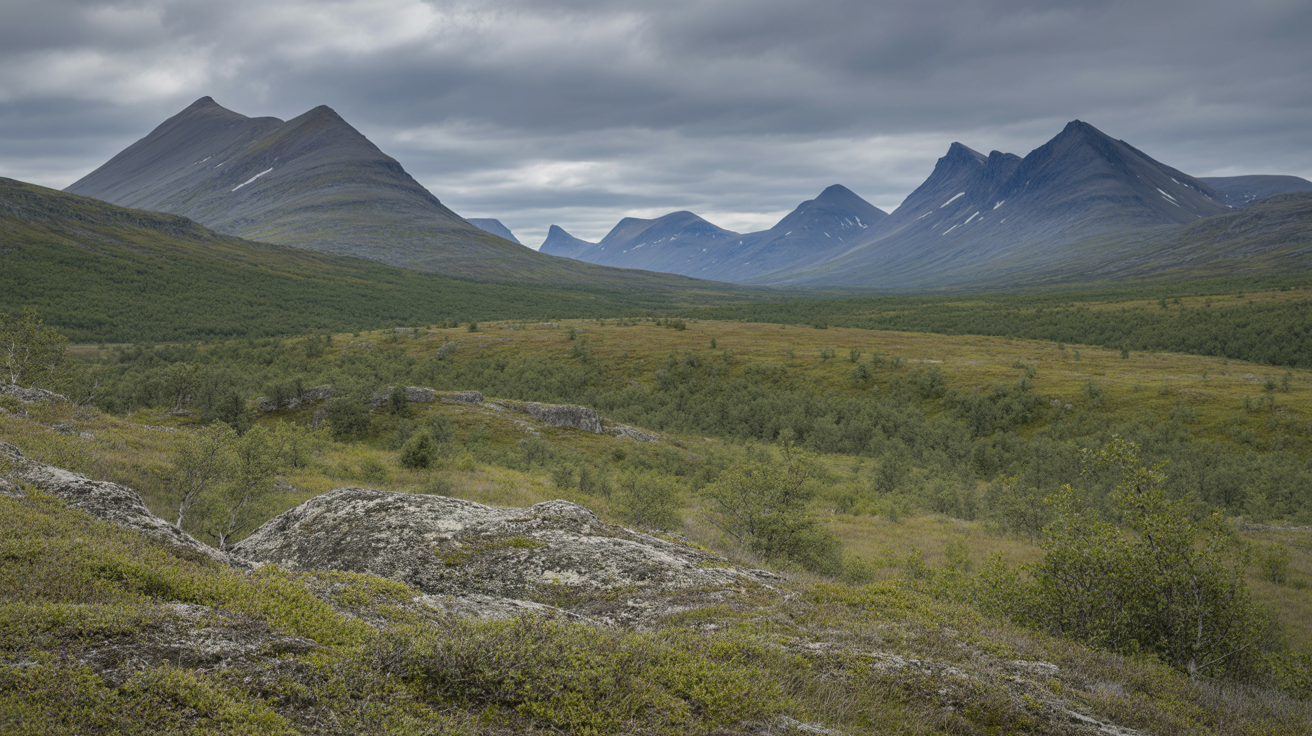
Tundra
Cold, treeless regions with permafrost supporting specialized cold-adapted wildlife.
 Global Waters
Ocean
Saltwater environments covering more than 70% of the Earth's surface, home to a vast variety of marine life.
Conservation
The Orca (Killer Whale) is currently classified as Data Deficient (IUCN); some regional populations Endangered on the IUCN Red List.
Threats & challenges
While orcas are apex predators with no natural enemies, they face significant anthropogenic threats. These include depletion of prey species (notably salmon for resident populations), pollution (especially bioaccumulation of PCBs and heavy metals), noise disturbance from shipping and naval activities, entanglement in fishing gear, and habitat degradation. Some populations, such as the Southern Resident killer whales of the Pacific Northwest, are critically endangered due to a combination of prey scarcity, toxin accumulation, and vessel disturbance. Climate change is altering prey distributions and sea ice habitats, impacting orca foraging and migration. Live captures for marine parks, historically significant, have declined but still affect some regions. Population trends vary: while some ecotypes are stable, others are declining, and global abundance is estimated at 50,000–100,000 individuals, though precise numbers are uncertain due to data deficiencies.
Taxonomy
Scientific name
Orcinus orca
- Kingdom
- Animalia
- Phylum
- Chordata
- Class
- Mammalia
- Order
- Cetacea
- Family
- Delphinidae
- Genus
- Orcinus
- Species
- orca
Where to see an orca (killer whale)
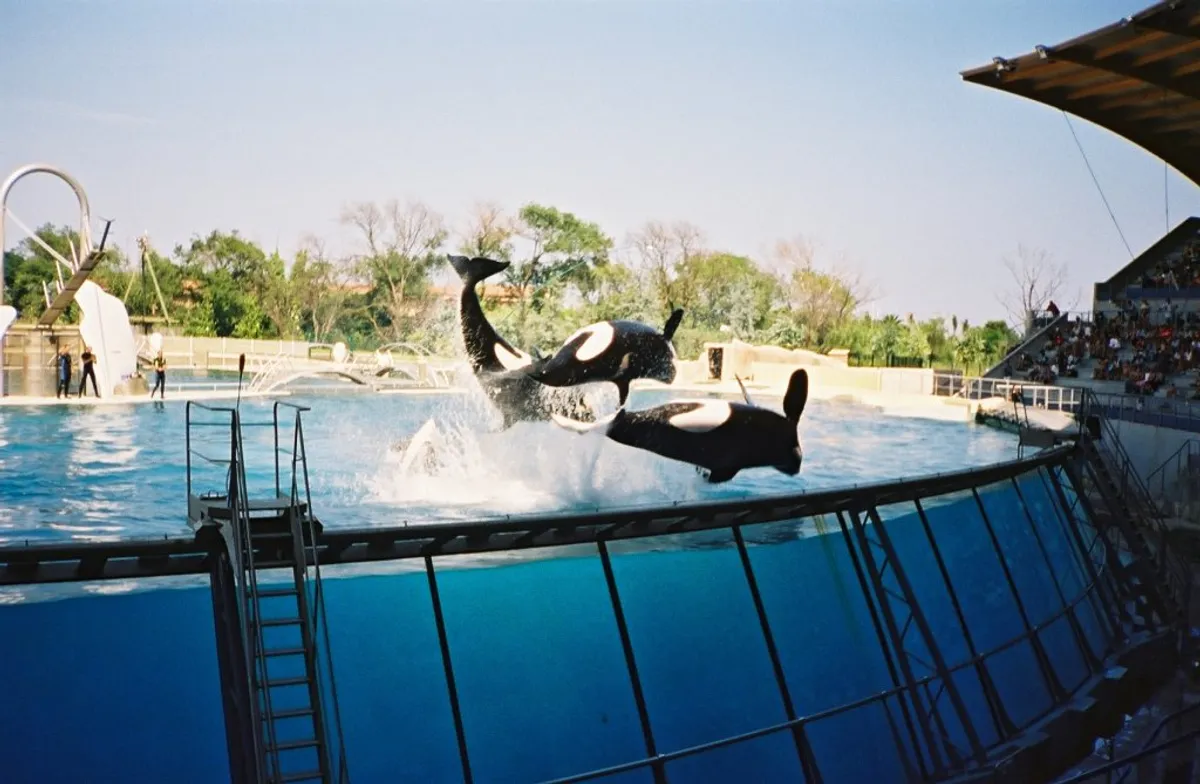
1 zoo and aquarium in 1 country are recorded as keeping this species.
Community notes
Share your observations about the Orca (Killer Whale).
No community notes yet. Be the first!
Discover more wildlife
More fascinating animals from the encyclopedia.