
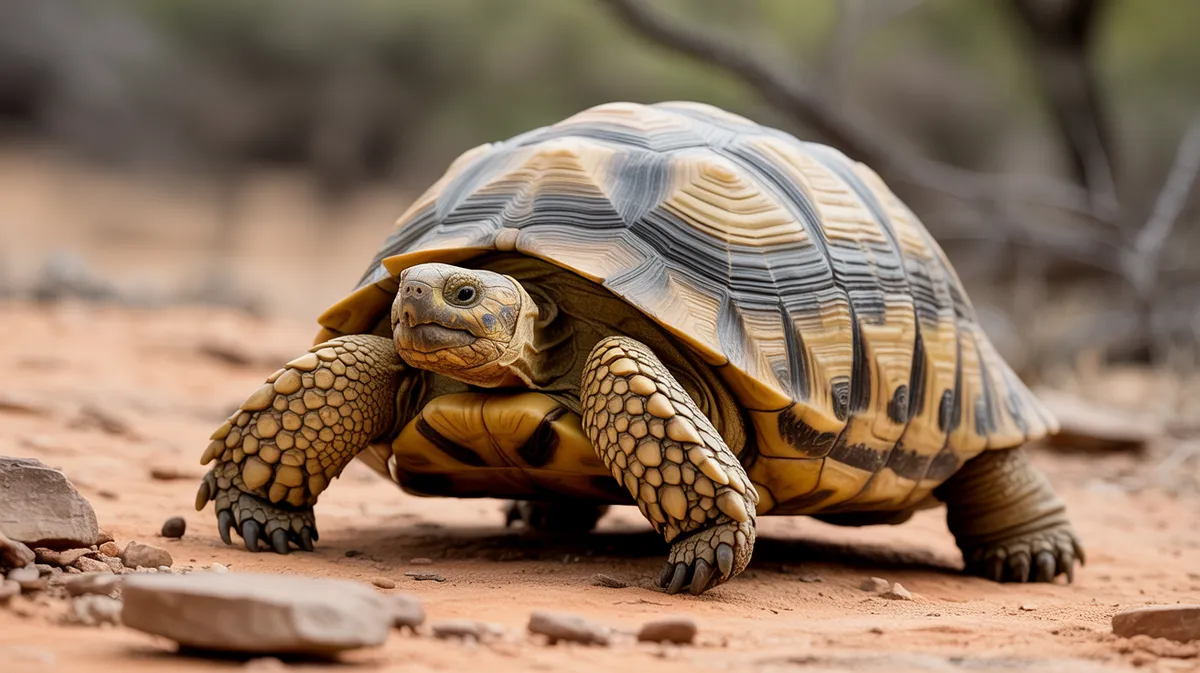
About the African Pancake Tortoise
The African Pancake Tortoise is a unique species of tortoise known for its exceptionally flat, flexible shell, which allows it to squeeze into narrow crevices in rocky outcrops. Native to East Africa, particularly in Kenya and Tanzania, this tortoise is adapted to arid, rocky environments where it can avoid predators by hiding in inaccessible cracks. Unlike most tortoises, its shell is not rigid but lightweight and pliable, giving it agility not commonly seen in other tortoise species. Its coloration and flattened shape provide excellent camouflage among the rocks and dry grasses of its habitat.
Fascinating facts
Crevice Expert
Its flat, flexible shell lets it wedge itself deep into rock crevices where predators cannot reach.
Surprisingly Agile
Unlike most tortoises, it can move quickly and climb well, making use of its unique shell structure.
Shell Adaptation
Its shell is thin and lightweight with large openings in the bone, providing both flexibility and reduced weight.
Detailed description
The African Pancake Tortoise (Malacochersus tornieri) is a small, highly distinctive tortoise species, reaching an adult carapace length of 15–18 cm (6–7 inches) and weighing between 340–400 grams. Its shell is remarkably flat, thin, and flexible, composed of reduced bony elements and wide fontanelles, which allows the animal to compress its body and wedge itself securely into narrow rock crevices. The carapace is yellow-brown with dark brown radiating patterns, providing effective camouflage against the rocky, sun-drenched landscapes of its native East African range. Unlike most tortoises, the plastron is also flattened and slightly upturned at the edges. Pancake tortoises are diurnal and most active during the cooler hours of early morning and late afternoon, spending the hottest part of the day hidden in crevices. They are primarily herbivorous, feeding on dry grasses, leaves, and occasional succulents, but have been observed consuming seeds and flowers when available. Socially, they are unusual among tortoises in that multiple individuals may share the same crevice, sometimes forming loose aggregations. Their agility and speed, both on flat surfaces and among rocks, are exceptional for a tortoise, aiding in both predator avoidance and foraging. The species exhibits a low reproductive rate, with females laying only one or occasionally two eggs per clutch, and their eggs are unusually hard-shelled and resistant to desiccation, an adaptation to their arid environment.
Did you know?
Unlike almost all other tortoise species, the African Pancake Tortoise's shell is soft and flexible, allowing it to quickly slip into rock crevices, making it very difficult for predators to extract.
Research & sources
Behaviour & social structure
African Pancake Tortoises are primarily crevice dwellers, spending much of their time wedged into narrow rock fissures for protection from predators and extreme temperatures. They emerge to forage during cooler periods, displaying a cautious but surprisingly agile locomotion. Unlike most tortoises, they can climb and scramble over rocky surfaces with ease, using their flattened bodies and strong, clawed limbs. Feeding is opportunistic, focusing on available vegetation such as grasses, leaves, and sometimes flowers. Social interactions are generally peaceful, with several individuals often sharing the same shelter without significant aggression, though minor disputes over prime crevices may occur. They are not territorial and do not exhibit complex social hierarchies. When threatened, instead of retracting into their shells, they rely on rapid retreat and wedging themselves tightly into crevices, making extraction by predators nearly impossible.
Reproduction & life cycle
Breeding typically occurs during the dry season, from January to February, though timing may vary with local climate. Males court females with gentle nudges and circling behaviors. After mating, females lay a single, large, elongated egg (occasionally two) in a shallow nest dug in sandy soil or concealed under vegetation. The egg measures approximately 30–40 mm in length and has a hard, calcareous shell, which helps prevent water loss. Incubation lasts between 4–6 months, depending on ambient temperature, with hatchlings emerging at the onset of the rainy season. There is no parental care post-oviposition; hatchlings are independent from birth and must find shelter and food on their own. The low reproductive output and slow maturation (sexual maturity reached at 5–8 years) contribute to the species’ vulnerability.
Adaptations & survival
The most striking adaptation of Malacochersus tornieri is its flattened, flexible shell, which is unique among tortoises and allows it to exploit narrow rock crevices for shelter. The shell’s reduced ossification and presence of fontanelles make it lightweight, enhancing agility and climbing ability. Its cryptic coloration provides camouflage in its rocky habitat. Behavioral adaptations include crevice-sharing and crevice-wedging for predator avoidance, and temporal activity patterns that minimize exposure to heat and desiccation. The hard-shelled, desiccation-resistant eggs are an evolutionary response to the arid conditions of their habitat. Their diet is adapted to sparse, fibrous vegetation, and their digestive system efficiently extracts moisture from dry plant material.
Cultural significance
The African Pancake Tortoise does not have significant roles in traditional African folklore or mythology, likely due to its secretive nature and limited distribution. However, in recent decades, it has become highly sought after in the exotic pet trade, which has contributed to its decline in the wild. Some local communities may use tortoises as minor symbols of longevity or resilience, but there are no widespread traditional uses or symbolic associations documented for this species.
Recent research
Recent research has focused on the species’ unique shell morphology and biomechanics, revealing insights into the evolutionary trade-offs between protection and mobility. Genetic studies are underway to assess population structure and inform conservation strategies. Ongoing field surveys in Kenya and Tanzania are monitoring population trends and habitat use, while captive breeding programs in Europe and the United States are investigating optimal incubation conditions and juvenile survival. Studies on the impact of the pet trade have highlighted the need for improved enforcement and public education. There is also growing interest in the species as a model for understanding morphological adaptation to extreme environments among reptiles.
Sources
Malacochersus tornieri (Pancake Tortoise): Natural History and Conservation
Branch, B. & Spawls, S. (2015)
scientificIUCN Red List of Threatened Species: Malacochersus tornieri
IUCN SSC Tortoise and Freshwater Turtle Specialist Group
conservationMalacochersus tornieri (Pancake Tortoise): Natural History, Ecology, and Conservation
Loehr, V.J.T., Horne, B.D., & Loehr, J. (2020)
scientificMalacochersus tornieri: The IUCN Red List of Threatened Species 2021
IUCN SSC Tortoise and Freshwater Turtle Specialist Group
conservationVideos
Habitat
Rocky outcrops in dry savanna and scrublands
 Various Continental Regions
Grassland
Open areas dominated by grasses rather than trees, supporting numerous herbivores and their predators.
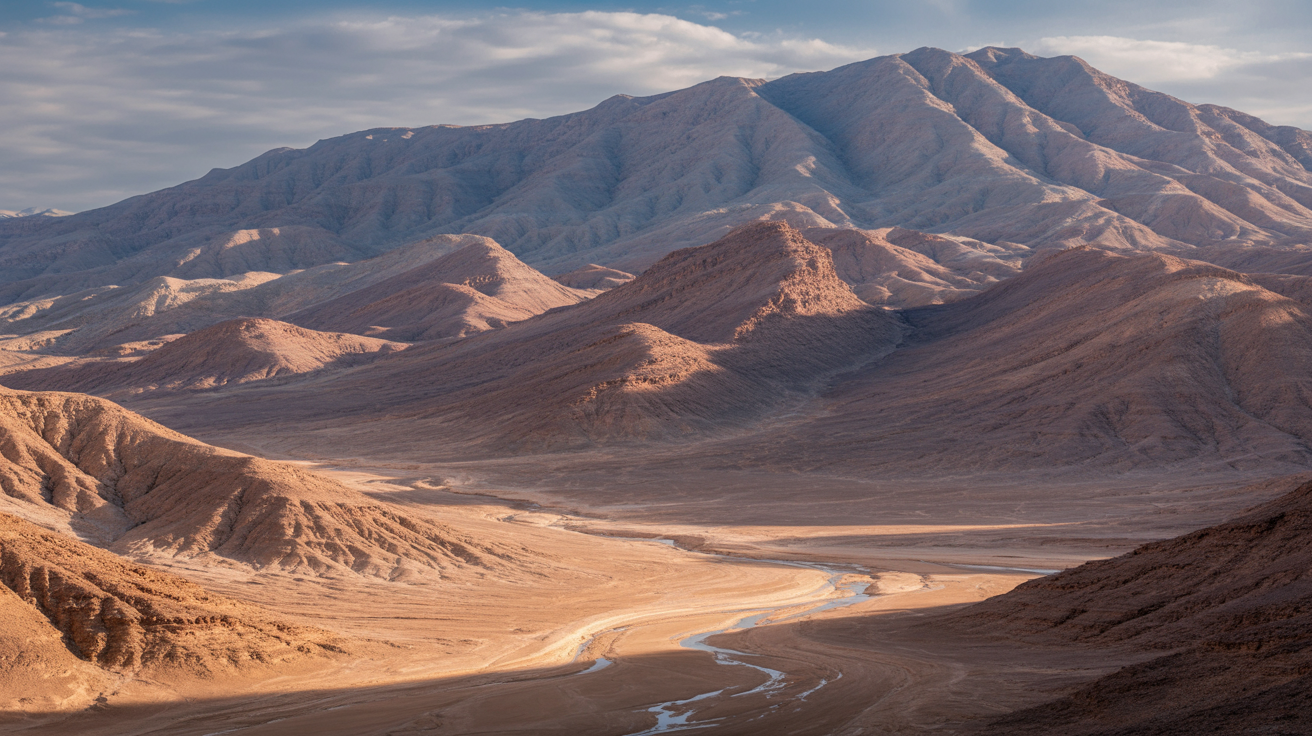 Arid Regions
Desert
Arid lands with minimal rainfall, extreme temperatures, and specialized wildlife adapted to harsh conditions.
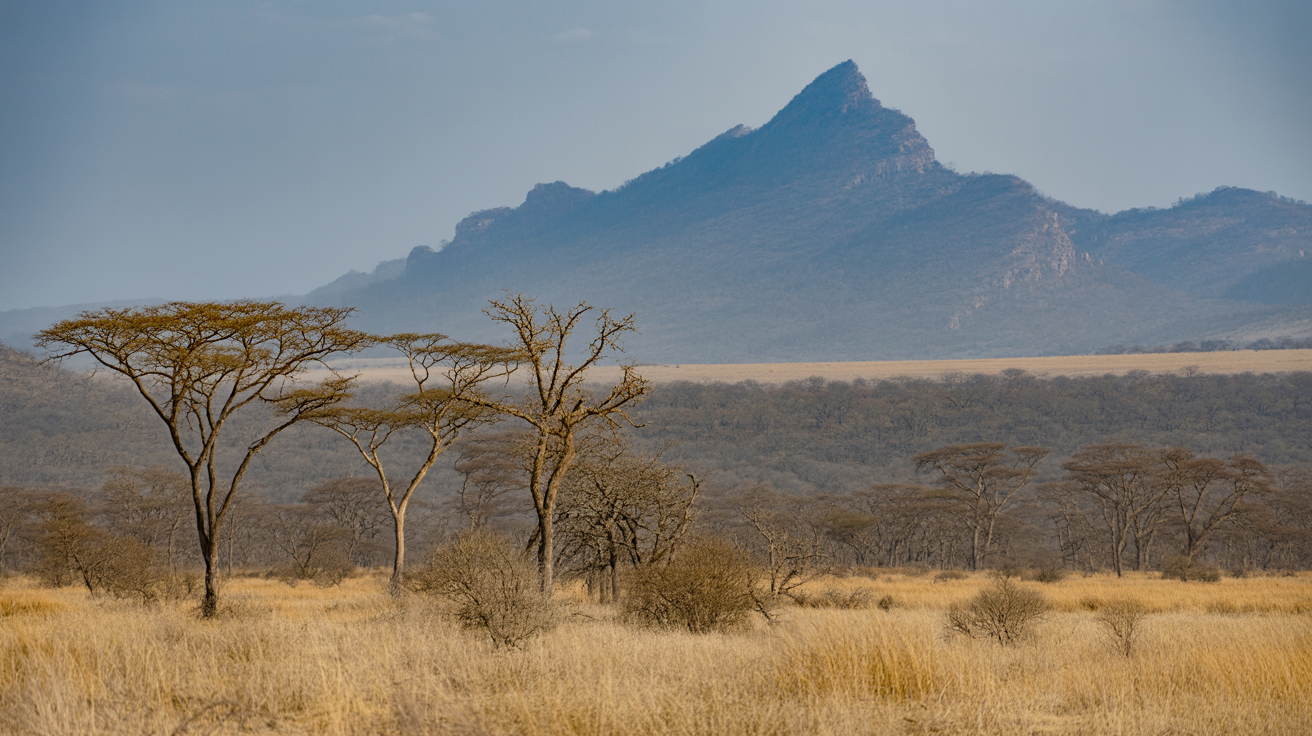 Africa
Savanna
Grasslands with scattered trees, characterized by seasonal rainfall and home to diverse grazing animals and predators.
 Elevated Terrain
Mountain
High-altitude environments with varying climates and specialized wildlife adapted to rugged terrain and thin air.
Conservation
The African Pancake Tortoise is currently classified as Vulnerable on the IUCN Red List.
Threats & challenges
The primary threats to the African Pancake Tortoise are over-collection for the international pet trade and habitat destruction due to agricultural expansion, quarrying, and human settlement. Their specialized habitat requirements make them particularly sensitive to environmental changes and fragmentation. Wild populations are declining, with some local extirpations reported, especially in easily accessible areas. The species is listed as Vulnerable by the IUCN, and international trade is regulated under CITES Appendix II. Conservation challenges include enforcing trade restrictions, protecting critical habitats, and promoting captive breeding to reduce wild collection. Climate change, with its potential to alter rainfall patterns and increase aridity, may further threaten their survival.
Taxonomy
Scientific name
Malacochersus tornieri
- Kingdom
- Animalia
- Phylum
- Chordata
- Class
- Reptilia
- Order
- Testudines
- Family
- Testudinidae
- Genus
- Malacochersus
- Species
- tornieri
Community notes
Share your observations about the African Pancake Tortoise.
No community notes yet. Be the first!
Discover more wildlife
More fascinating animals from the encyclopedia.