
About the Pink Sea Fan
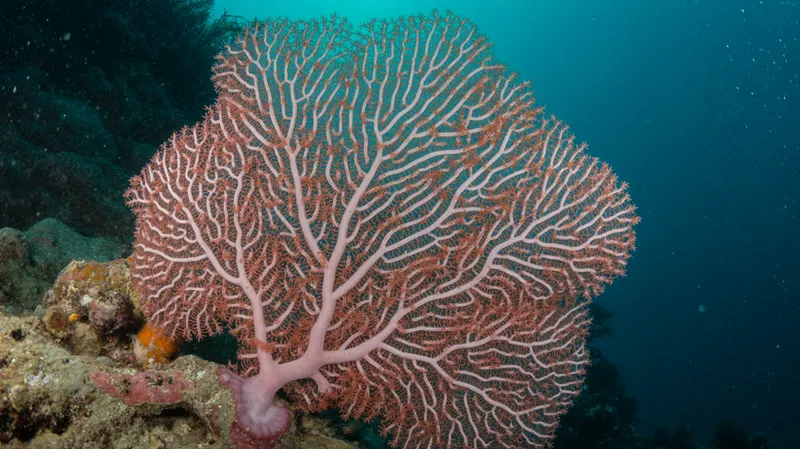
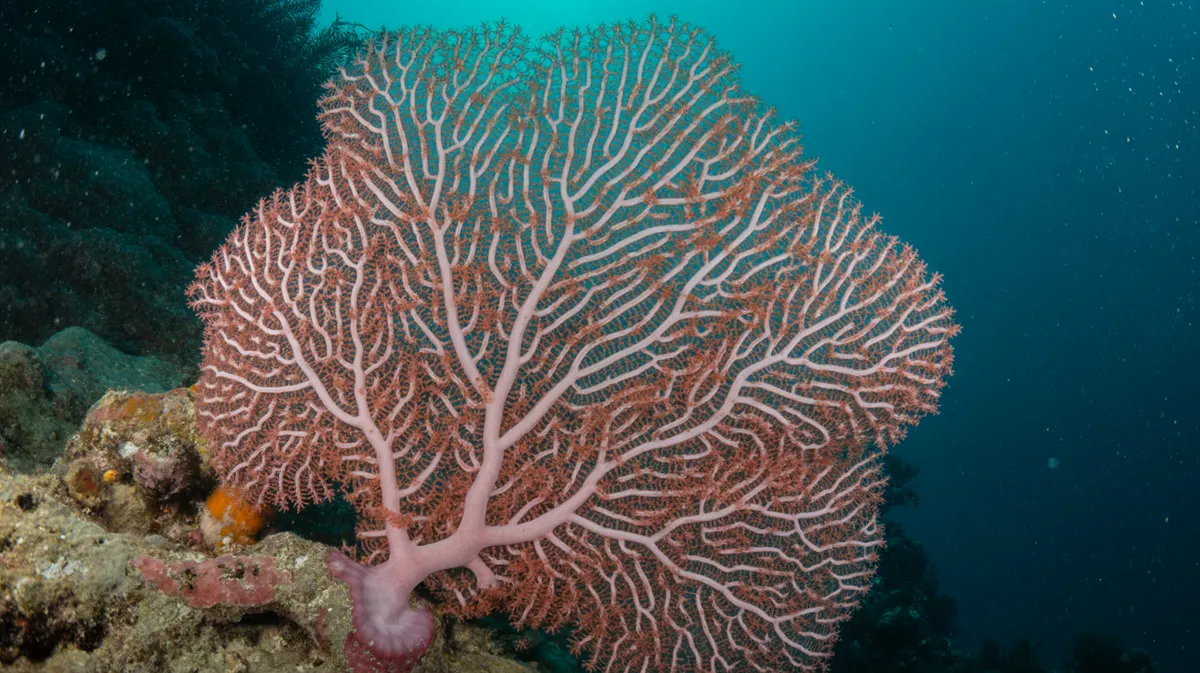
The Pink Sea Fan is a striking colonial soft coral found predominantly in the northeast Atlantic Ocean. Its delicate, fan-shaped branches are often pink or pale purple and serve as a habitat for many small marine creatures. Attached to rocks or stable substrates, the Pink Sea Fan thrives in moderate to strong currents, filtering plankton from the water with its polyps. This species is slow-growing and sensitive to disturbance, making it vulnerable to environmental changes and human activities such as trawling.
Fascinating facts
Currents Are Key
Pink Sea Fans rely on strong water currents to deliver plankton and oxygen to their polyps, making them most common on exposed rocky reefs.
Miniature Ecosystem
Their branches host a variety of marine life including the rare sea fan anemone and numerous tiny crustaceans.
Slow to Recover
Damaged colonies regenerate very slowly, and heavy fishing or anchor damage can take decades to repair.
Detailed description
The Pink Sea Fan (Eunicella verrucosa) is a colonial octocoral belonging to the family Gorgoniidae, notable for its intricate, fan-shaped branching structure that can reach up to 50 cm in height and 40 cm in width. Each colony is composed of thousands of tiny, individual polyps, each with eight tentacles, which collectively form a meshwork of flexible, yet tough, axial skeletons made of gorgonin protein and calcite. The coloration of E. verrucosa ranges from pale pink to deep mauve, attributed to pigments in the coenenchyme, the living tissue covering the skeleton. Colonies are anchored to hard substrates such as bedrock or stable boulders, typically at depths of 10–50 meters, where moderate to strong water movement ensures a steady supply of plankton. The polyps extend primarily at night or during periods of strong current to maximize feeding efficiency. Pink Sea Fans are slow-growing, with annual linear extension rates estimated at 0.5–2 cm per year, and individual colonies can live for several decades. The complex three-dimensional structure provides microhabitats for a range of associated fauna, including the rare sea fan anemone (Amphianthus dohrnii) and the sea fan nudibranch (Gastrodyction turberculatum). E. verrucosa lacks a centralized nervous system but coordinates polyp activity through a diffuse nerve net. The species is highly sensitive to physical disturbance and environmental changes, making it an important indicator of reef health in temperate waters.
Did you know?
Although they look like plants, Pink Sea Fans are actually colonies of tiny animals closely related to jellyfish.
Research & sources
Behaviour & social structure
Pink Sea Fans are sessile filter feeders, relying on water currents to deliver planktonic food particles to their extended polyps. Polyps typically extend their tentacles during periods of increased water flow, such as tidal changes or nighttime, when plankton abundance is higher. There is no active hunting; instead, prey is captured passively by the mucus-coated tentacles, which then transfer food to the mouth. Colonies do not exhibit social behavior in the traditional sense, but polyps within a colony can coordinate contraction and expansion in response to environmental stimuli. The species does not migrate, and its daily routine is largely dictated by current patterns and light levels. Pink Sea Fans can regenerate damaged branches, although recovery is slow.
Reproduction & life cycle
Eunicella verrucosa is gonochoric, meaning colonies are either male or female. Reproduction occurs via broadcast spawning, typically in late summer (August–September in the northeast Atlantic), when gametes are released into the water column for external fertilization. Fertilized eggs develop into free-swimming planula larvae, which remain planktonic for several days to weeks before settling on suitable hard substrates. There is no parental care; survival of larvae is dependent on finding optimal settlement sites. Sexual maturity is reached after several years, reflecting the species' slow growth and longevity. Asexual reproduction via fragmentation can also occur, particularly following physical disturbance.
Adaptations & survival
The Pink Sea Fan exhibits several adaptations for survival in dynamic temperate reef environments. Its flexible, fan-shaped branches maximize surface area for efficient plankton capture while minimizing resistance to strong currents. The tough gorgonin skeleton provides resilience against wave action and predation. Polyps are equipped with nematocysts for prey capture and defense. The species can retract its polyps into calyces to reduce desiccation and predation risk. Pigmentation may provide some protection against UV radiation and microbial colonization. The ability to regenerate damaged tissue and branches enhances survival following sub-lethal injury.
Cultural significance
While the Pink Sea Fan does not have a prominent role in folklore or traditional human use, it is highly valued by divers and naturalists for its aesthetic beauty and as a flagship species for temperate reef conservation. Its presence is often used as an indicator of healthy, undisturbed reef systems in the British Isles and western Europe. The species is occasionally featured in marine art and educational materials to promote awareness of marine biodiversity.
Recent research
Recent research has focused on the genetic diversity and population connectivity of E. verrucosa across its range, revealing limited gene flow between isolated populations, which has implications for conservation management. Studies using remotely operated vehicles (ROVs) and photogrammetry have improved understanding of colony growth rates and recovery following disturbance. Investigations into associated fauna have highlighted the Pink Sea Fan's role as a biodiversity hotspot. Ongoing research is examining the impacts of climate change, particularly ocean acidification, on skeletal formation and reproductive success. There is also interest in the species' microbiome and its role in disease resistance.
Videos
Habitat
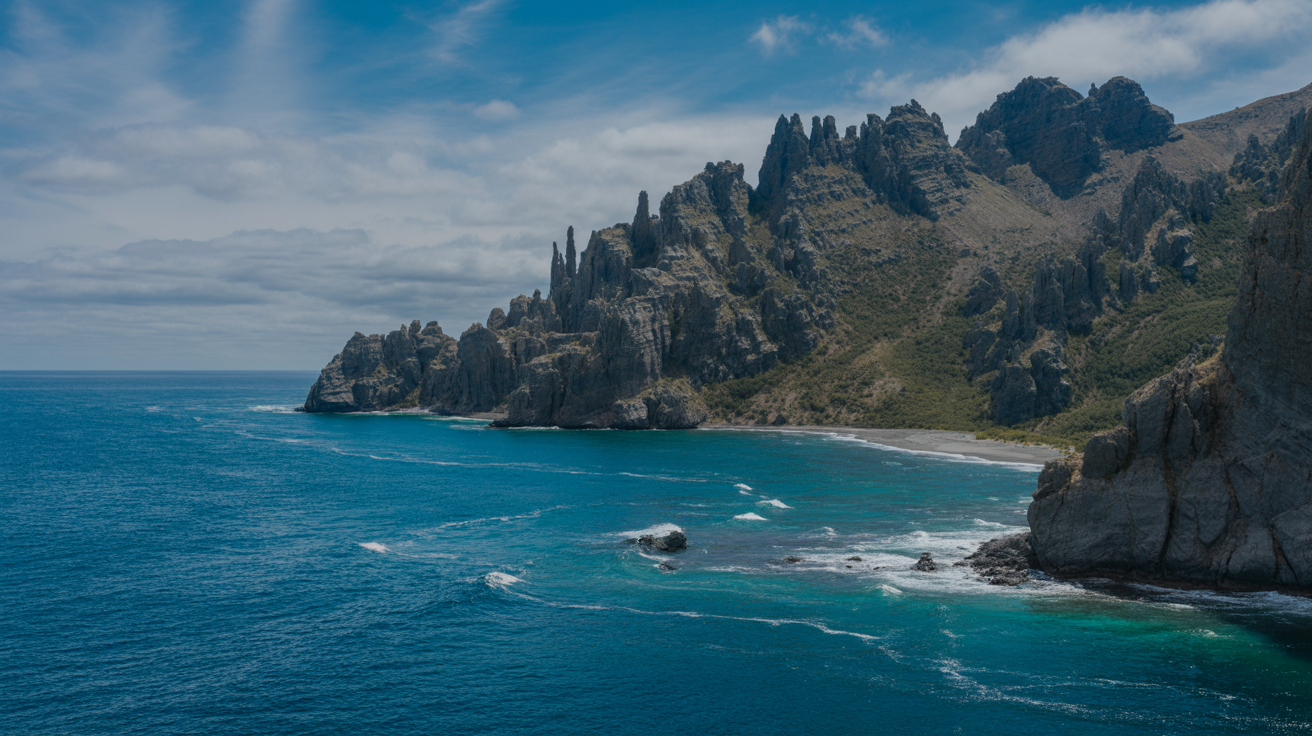
Temperate rocky reefs
Conservation
The Pink Sea Fan is currently classified as Vulnerable on the IUCN Red List.
Threats & challenges
Major threats to E. verrucosa include bottom trawling, dredging, and other destructive fishing practices that physically damage or remove colonies. Coastal development, sedimentation, and pollution (especially from antifouling chemicals and microplastics) further degrade habitats. Climate change poses additional risks through ocean warming, acidification, and increased storm frequency, which can impair growth and reproduction. Disease outbreaks, such as necrosis linked to environmental stress, have been reported. Population declines have been observed in several regions, leading to its listing as Vulnerable by the IUCN. Conservation challenges include slow recovery rates, limited larval dispersal, and the need for effective marine protected areas.
Taxonomy
Scientific name
Eunicella verrucosa
- Kingdom
- Animalia
- Phylum
- Cnidaria
- Class
- Anthozoa
- Order
- Alcyonacea
- Family
- Gorgoniidae
- Genus
- Eunicella
- Species
- verrucosa
Community notes
Share your observations about the Pink Sea Fan.
No community notes yet. Be the first!
Discover more wildlife
More fascinating animals from the encyclopedia.