
About the Schneider's Skink
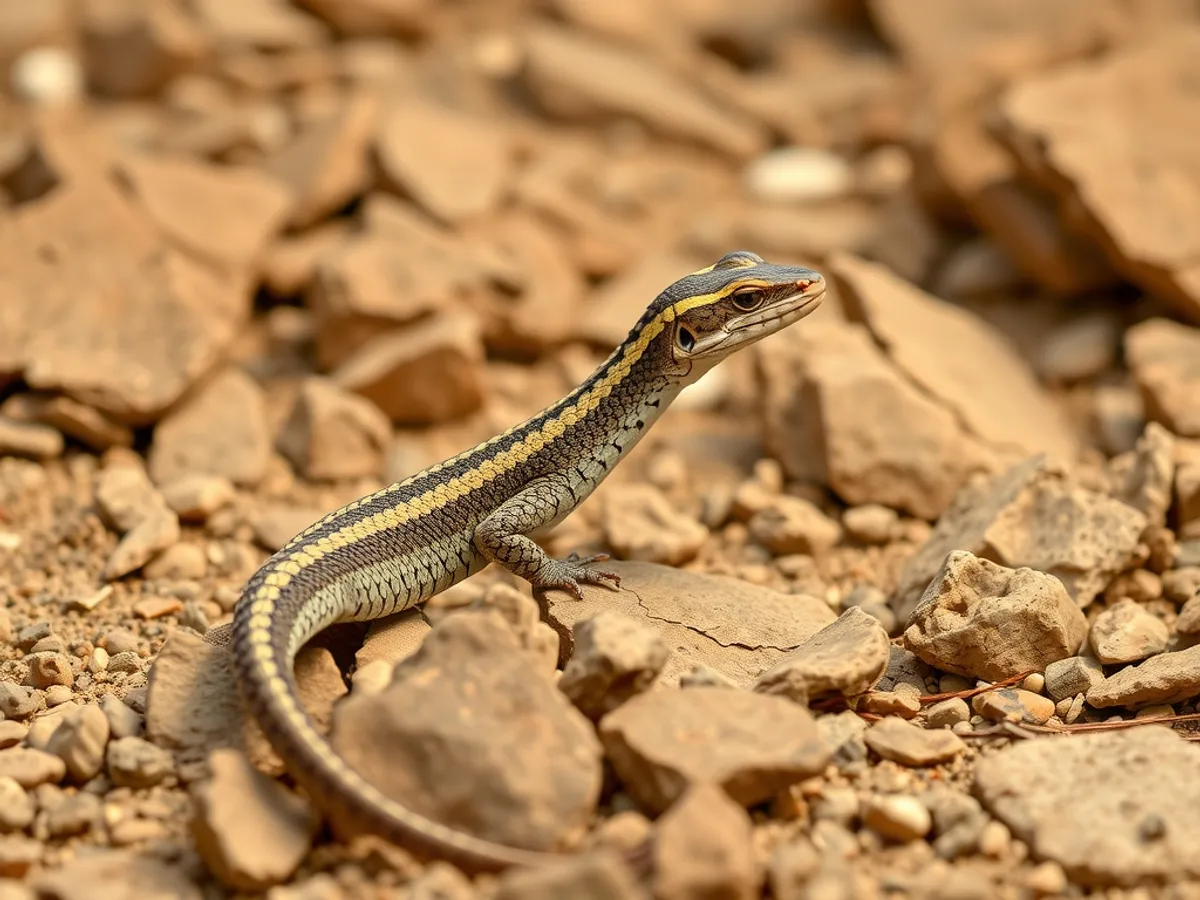
Schneider's Skink is a medium to large lizard species notable for its robust body, smooth, shiny scales, and bright coloration, often featuring yellow to orange flanks with dark spots or stripes. Native to arid and semi-arid regions across North Africa, the Middle East, and Central Asia, this skink is highly adaptable and can be found in rocky deserts, scrublands, and steppes. It is a diurnal reptile, spending much of its time basking in the sun or foraging for food among rocks and loose soil. Schneider's Skink is well known for its burrowing behavior, often digging to escape predators or extreme temperatures.
Fascinating facts
Tail Autotomy
Schneider's Skinks can deliberately shed their tails when threatened, distracting predators and allowing the skink to escape.
Desert Dwellers
These skinks are highly adapted to survive in harsh desert and semi-desert environments, using burrows for shelter and temperature regulation.
Diurnal Lifestyle
Schneider's Skinks are active during the day, often seen basking in the sun to warm up before foraging.
Detailed description
Schneider's Skink (Eumeces schneiderii) is a robust, medium-to-large lizard, typically reaching a snout-vent length of 25–35 cm, with some individuals exceeding 40 cm including the tail. The body is cylindrical and muscular, covered in smooth, glossy scales that reduce water loss and facilitate movement through loose substrates. Coloration is highly variable but generally features olive, brown, or gray dorsal surfaces, with striking yellow to orange lateral stripes or blotches and dark spots, particularly prominent in juveniles and males during the breeding season. The head is broad with a blunt snout, and the limbs are well-developed, ending in five strong, clawed toes adapted for digging. Schneider's Skink is primarily diurnal, emerging in the early morning to bask and forage, and retreating to self-dug burrows or under rocks during the hottest parts of the day. Its omnivorous diet includes a wide array of arthropods, small vertebrates, and plant matter such as fruits and flowers. Social structure is generally solitary, though individuals may aggregate in favorable microhabitats. Reproduction is oviparous, with females laying clutches of 5–16 eggs in moist, protected burrows. Adaptations such as autotomy (tail-shedding) and rapid burrowing enhance survival in predator-rich, arid environments.
Did you know?
Despite living in dry habitats, Schneider's Skinks obtain much of their water from the food they eat, rarely needing direct water sources.
Research & sources
Behaviour & social structure
Schneider's Skink exhibits a largely solitary lifestyle, with individuals maintaining overlapping but loosely defined home ranges. It is most active during the morning and late afternoon, spending midday hours in burrows to avoid thermal stress. Foraging behavior is opportunistic; the skink actively hunts insects, spiders, and small lizards, using rapid bursts of speed and keen vision to capture prey, while also consuming plant material when available. Feeding bouts are interspersed with frequent basking, which is essential for thermoregulation and digestion. Defensive behaviors include rapid retreat into burrows, tail autotomy when seized by predators, and body inflation to wedge itself into crevices. While generally non-aggressive, males may display territoriality during the breeding season, engaging in ritualized posturing or brief combat.
Reproduction & life cycle
Breeding typically occurs in spring (March to May), triggered by rising temperatures and increased daylight. Courtship involves tactile and chemical cues, with males pursuing and nuzzling receptive females. Females lay a single clutch per year, depositing 5–16 leathery eggs in deep, humid burrows or under stones. Incubation lasts 40–60 days, depending on ambient temperature and humidity. There is no parental care post-oviposition; hatchlings are independent and exhibit adult-like behaviors immediately. Sexual maturity is generally reached at 2–3 years of age. In some regions, reproductive timing may shift in response to local climatic conditions.
Adaptations & survival
Schneider's Skink is highly adapted to xeric environments. Its smooth, overlapping scales minimize water loss and facilitate rapid burrowing, while the robust limbs and claws are specialized for digging and navigating rocky substrates. The ability to autotomize the tail provides an effective escape mechanism from predators, with regeneration occurring over several months. Behavioral adaptations include crepuscular activity during extreme heat and the use of deep burrows for thermoregulation and moisture retention. The species' omnivorous diet allows flexibility in resource-scarce environments, and its keen vision aids in detecting both prey and predators. Coloration provides camouflage among rocks and sand, reducing predation risk.
Cultural significance
Schneider's Skink holds limited but notable cultural significance in some regions of its range. In parts of North Africa and the Middle East, it has been referenced in local folklore as a symbol of agility and resilience. Occasionally, it is kept as a pet due to its striking appearance and manageable size. There are anecdotal reports of its use in traditional medicine, though such practices are rare and not well-documented. Overall, the species does not have major economic or symbolic importance compared to other reptiles in the region.
Recent research
Recent research has focused on the phylogeography and genetic diversity of Eumeces schneiderii, revealing significant population structure across its wide range, likely resulting from historical climatic fluctuations and geographic barriers. Studies on thermal biology have demonstrated the species' remarkable tolerance to high temperatures and its reliance on behavioral thermoregulation. Ongoing research is investigating the impacts of habitat fragmentation and climate change on population connectivity. Additionally, the skink's diet and role in local food webs are being studied to better understand its ecological significance in arid ecosystems.
Sources
Eumeces schneiderii (Schneider's Skink): Taxonomy, Distribution, and Ecology
Sindaco, R., Jeremčenko, V.K. (2008)
scientificEumeces schneiderii: The IUCN Red List of Threatened Species 2009
IUCN SSC Amphibian Specialist Group
conservationEumeces schneiderii (Schneider's Skink): Taxonomy, Distribution, and Ecology
Sindaco, R., Jeremčenko, V.K. (2008)
scientificIUCN Red List of Threatened Species: Eumeces schneiderii
IUCN SSC Amphibian and Reptile Specialist Group
conservationVideos
Habitat
Arid and semi-arid rocky deserts and scrublands
 Arid Regions
Desert
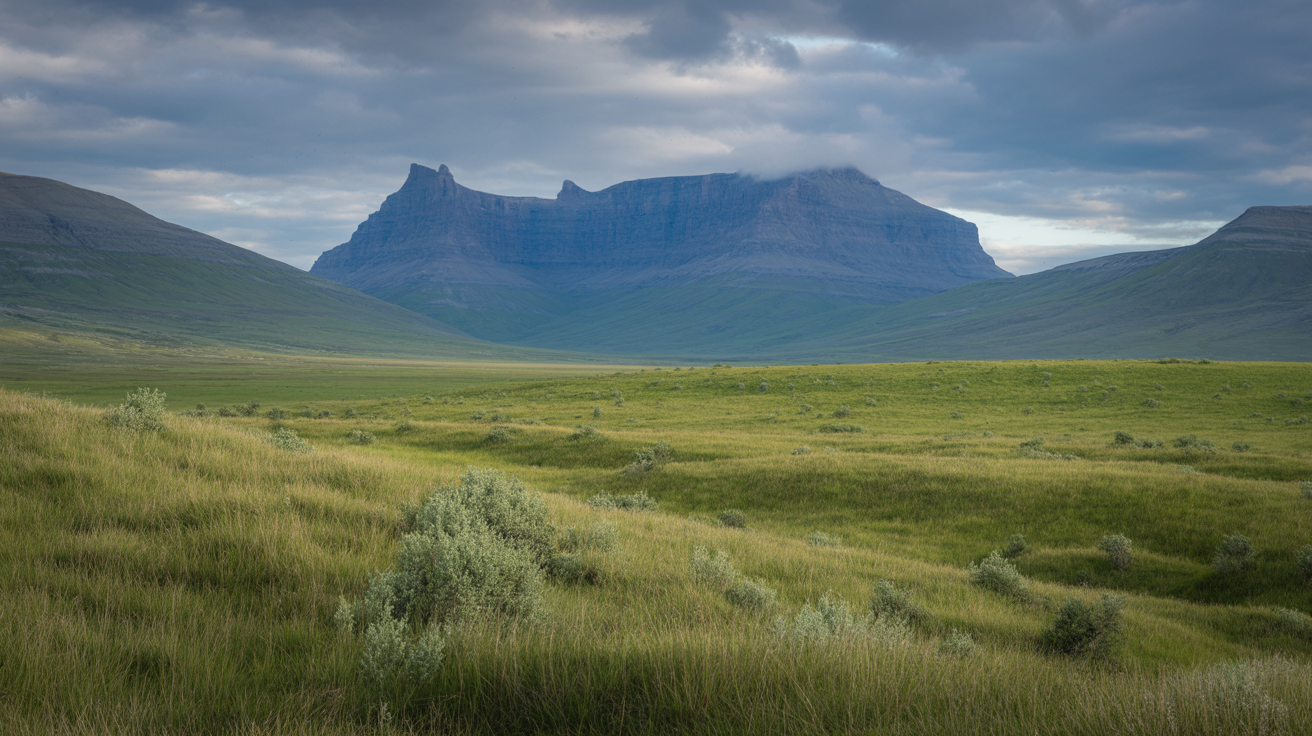
Arid lands with minimal rainfall, extreme temperatures, and specialized wildlife adapted to harsh conditions.
 Various Continental Regions
Grassland
Open areas dominated by grasses rather than trees, supporting numerous herbivores and their predators.
 Elevated Terrain
Mountain
High-altitude environments with varying climates and specialized wildlife adapted to rugged terrain and thin air.
 Global
Forest
Wooded areas with significant tree cover and diverse plant and animal communities.
Conservation
The Schneider's Skink is currently classified as Least Concern on the IUCN Red List.
Threats & challenges
Currently assessed as Least Concern by the IUCN, Schneider's Skink faces localized threats from habitat degradation due to agricultural expansion, urbanization, and overgrazing. In some areas, collection for the pet trade poses additional pressure, although this is not considered a major threat at present. Climate change, resulting in increased aridity and altered precipitation patterns, may impact future distribution and reproductive success. Road mortality and predation by introduced species (e.g., domestic cats) are emerging concerns in peri-urban areas. Despite its adaptability, ongoing habitat fragmentation could lead to population declines if not monitored.
Taxonomy
Scientific name
Eumeces schneiderii
- Kingdom
- Animalia
- Phylum
- Chordata
- Class
- Reptilia
- Order
- Squamata
- Family
- Scincidae
- Genus
- Eumeces
- Species
- schneiderii
Community notes
Share your observations about the Schneider's Skink.
No community notes yet. Be the first!
Discover more wildlife
More fascinating animals from the encyclopedia.