
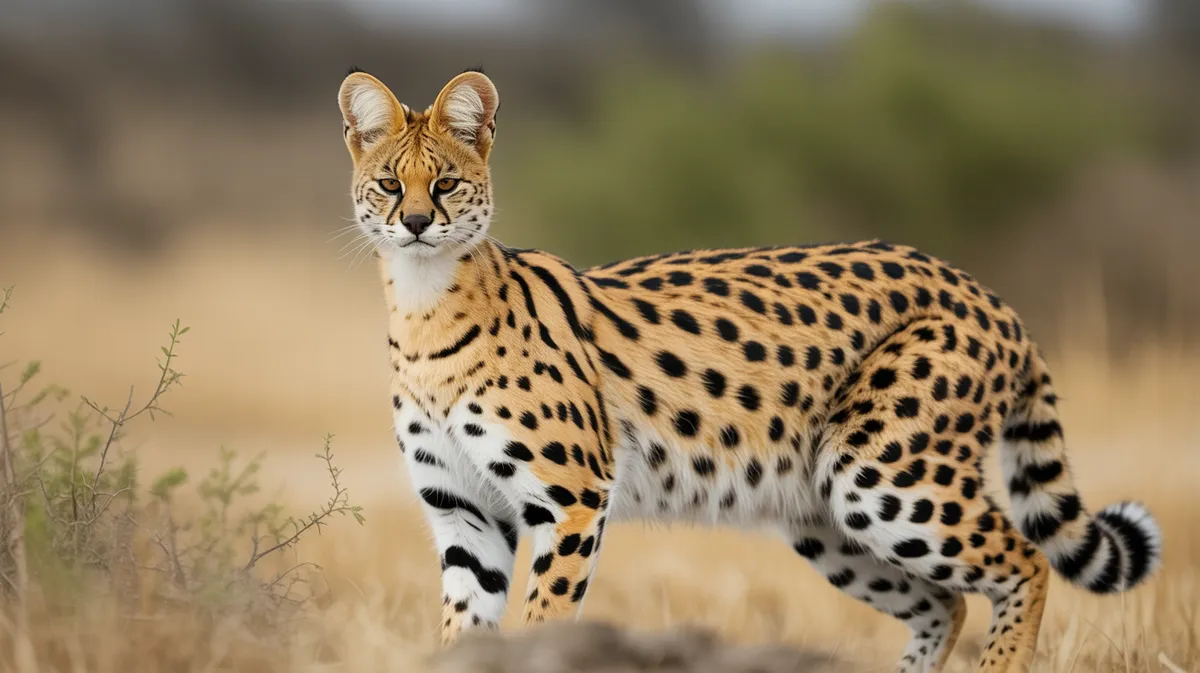
About the Serval
The serval has the largest ears, relative to head size, of any cat, and they are not decorative — they are the hunting instrument. It hunts in tall grass where it usually cannot see its prey at all, so it stands still, swivels those enormous ears, and locates a rodent purely by the sound of it moving beneath the vegetation. Then it leaps: a high, arcing pounce, sometimes several metres, landing with both forepaws on a target it never laid eyes on. Its legs are the longest of any cat relative to body size, which is what gives it the height and the arc. The results are remarkable — the serval succeeds on roughly half of its hunts, which is far above the rate of a lion or a leopard, and makes it one of the most effective hunters among the cats, albeit against very small prey. It will also leap several metres straight up to swat birds out of the air, and it can hook fish and frogs out of water with a paw.
Fascinating facts
Long Legs
The serval’s long legs help it see above tall grasses and make powerful leaps to catch prey.
Exceptional Hearing
Servals have oversized ears and highly developed hearing, allowing them to detect the faint movements of small animals underground.
Nocturnal Hunter
Servals are most active at night, using stealth and agility to hunt a wide variety of small animals.
Detailed description
The serval (Leptailurus serval) is a slender, medium-sized felid, typically weighing between 8 and 18 kg (18–40 lbs) and measuring 59–92 cm (23–36 in) in body length, with a relatively short tail of 20–38 cm (8–15 in). Its most distinctive anatomical features are its extremely long legs—the longest relative to body size among all cats—and its large, oval ears, which are highly sensitive and aid in pinpointing prey. The serval's coat is golden-yellow to buff, marked with bold black spots and stripes that vary in pattern across its range, providing effective camouflage in tall grasses and reed beds. The underparts are paler, and the tail is ringed with black bands ending in a black tip. Servals have a small head relative to their body, a short muzzle, and a pronounced facial ruff. Their eyes are adapted for nocturnal vision, with a tapetum lucidum that enhances low-light hunting. The serval's build is optimized for agility and explosive leaping, allowing it to jump vertically up to 3 meters (10 feet) to snatch birds in flight or pounce on rodents. Solitary by nature, servals maintain overlapping territories marked with scent, and are primarily crepuscular and nocturnal, though diurnal activity is observed in protected areas. Their vocalizations include growls, high-pitched cries, and purrs, used in communication during mating or territorial disputes. The serval's diet is highly varied, consisting mainly of small mammals, birds, reptiles, amphibians, fish, and large insects, reflecting its opportunistic and adaptable hunting strategy.
Did you know?
A serval can jump up to 3 meters high from a standstill to catch prey in midair.
Research & sources
Wikipedia summary
The serval is a wild small cat native to Africa. It is widespread in sub-Saharan countries, where it inhabits grasslands, wetlands, moorlands and bamboo thickets. Across its range, it occurs in protected areas, and hunting it is either prohibited or regulated in range countries.
Behaviour & social structure
Servals are solitary and territorial, with males occupying larger ranges (up to 30 km²) that may overlap with several females. They are primarily crepuscular and nocturnal, spending daylight hours resting in dense vegetation. Servals rely on acute hearing, often standing motionless with head tilted to detect the slightest rustle of prey underground or in dense grass. Their hunting technique is characterized by a slow, stealthy approach followed by a sudden, high leap or pounce. They use their long legs to probe burrows and flush out rodents, and are adept at catching birds both on the ground and in mid-air. Servals consume their prey quickly, often swallowing small animals whole, and are known to cache surplus food. Social interactions are limited outside of mating and mother-offspring relationships; encounters between adults are usually avoided, but may involve vocalizations, posturing, and scent marking. Servals are also proficient swimmers and will enter water to pursue prey, a rare trait among felids.
Reproduction & life cycle
Servals are polygynous, with males seeking out receptive females during the breeding season, which may occur year-round but often peaks during the rainy season. Courtship involves vocalizations, scent marking, and mutual grooming. After mating, the female undergoes a gestation period of approximately 66–77 days. She gives birth to a litter of 1–4 kittens (typically 2–3) in a concealed den, such as dense grass, abandoned burrows, or thickets. Kittens are born blind and helpless, weighing about 250–300 grams (9–11 oz). Eyes open at 9–13 days, and weaning begins at 1 month, with solid food introduced by the mother. The young remain with the mother for up to a year, learning hunting skills before dispersing to establish their own territories. Sexual maturity is reached at 18–24 months. Parental care is provided exclusively by the female; males do not participate in rearing offspring.
Adaptations & survival
The serval's long legs and neck provide an elevated vantage point for detecting prey in tall grasses, while its large, mobile ears are finely tuned to high-frequency sounds, enabling it to locate subterranean or hidden animals. Its flexible spine and powerful hind limbs facilitate remarkable vertical leaps and rapid acceleration. The serval's spotted coat offers disruptive camouflage, and its retractable claws and sharp teeth are specialized for grasping and dispatching small, agile prey. Behavioral adaptations include a highly varied diet and opportunistic hunting, allowing survival in diverse habitats from wetlands to savannas. The serval's solitary, secretive nature reduces competition and predation risk, while its ability to swim and exploit aquatic environments is unusual among cats and expands its ecological niche.
Cultural significance
In African folklore, the serval is often admired for its grace, agility, and hunting prowess. Its spotted coat and elegant form have inspired traditional art and symbolism, sometimes associated with stealth and cunning. In some regions, serval skins have been used in ceremonial attire or as status symbols. The serval is occasionally featured in myths as a trickster or as a spirit animal representing independence and adaptability. In recent times, servals have gained attention in the exotic pet trade, though this practice is controversial and discouraged by conservationists due to welfare and ecological concerns.
Recent research
Recent genetic studies have clarified the serval's evolutionary relationships within the Felidae, placing it in the Caracal lineage alongside the caracal (Caracal caracal) and African golden cat (Caracal aurata). Ongoing research focuses on serval population genetics, habitat use, and the effects of habitat fragmentation. Camera trap and radio-collar studies have provided insights into serval home range sizes, movement patterns, and adaptability to human-modified landscapes. Studies in South Africa and East Africa have highlighted the serval's role as a key predator of rodents, contributing to ecosystem balance and potentially benefiting agriculture by controlling pest populations. There is growing interest in the serval's susceptibility to diseases such as feline immunodeficiency virus (FIV) and its interactions with domestic cats in peri-urban areas.
Videos
Habitat
Savanna
 Africa
Savanna
Grasslands with scattered trees, characterized by seasonal rainfall and home to diverse grazing animals and predators.
 Various Continental Regions
Grassland
Open areas dominated by grasses rather than trees, supporting numerous herbivores and their predators.
 Global
Forest
Wooded areas with significant tree cover and diverse plant and animal communities.
Conservation
The Serval is currently classified as Least Concern on the IUCN Red List.
Threats & challenges
While the serval is classified as Least Concern by the IUCN due to its wide distribution and adaptability, it faces several localized threats. Habitat loss and fragmentation from agriculture, urbanization, and wetland drainage reduce suitable living areas. Servals are sometimes persecuted for preying on poultry, and illegal hunting for their pelts and the pet trade persists in some regions. Road mortality and accidental snaring also pose risks. In West and North Africa, populations are declining and increasingly isolated. Climate change may further impact wetland habitats critical to serval survival. Conservation challenges include enforcing hunting regulations, maintaining habitat connectivity, and mitigating human-wildlife conflict. Despite these threats, servals remain relatively resilient compared to other African felids.
Taxonomy
Scientific name
Leptailurus serval
- Kingdom
- Animalia
- Phylum
- Chordata
- Class
- Mammalia
- Order
- Carnivora
- Family
- Felidae
- Genus
- Leptailurus
- Species
- serval
Where to see a serval
15 zoos and aquariums in 4 countries are recorded as keeping this species.
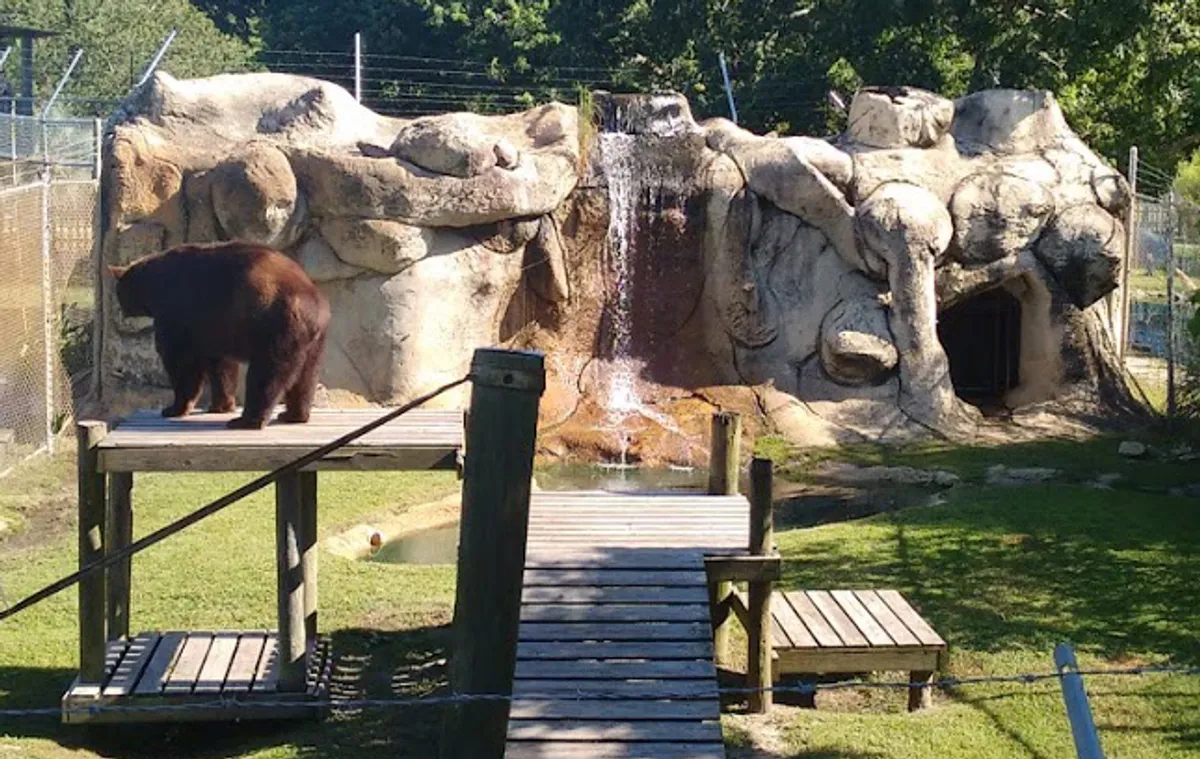 Alabama Gulf Coast Zoo🇺🇸 Gulf Shores, United States
 Kansas City Zoo & Aquarium🇺🇸 Kansas City, United States
 Marwell Zoo🇬🇧 Winchester, United Kingdom
 Metro Richmond Zoo🇺🇸 Moseley, United States
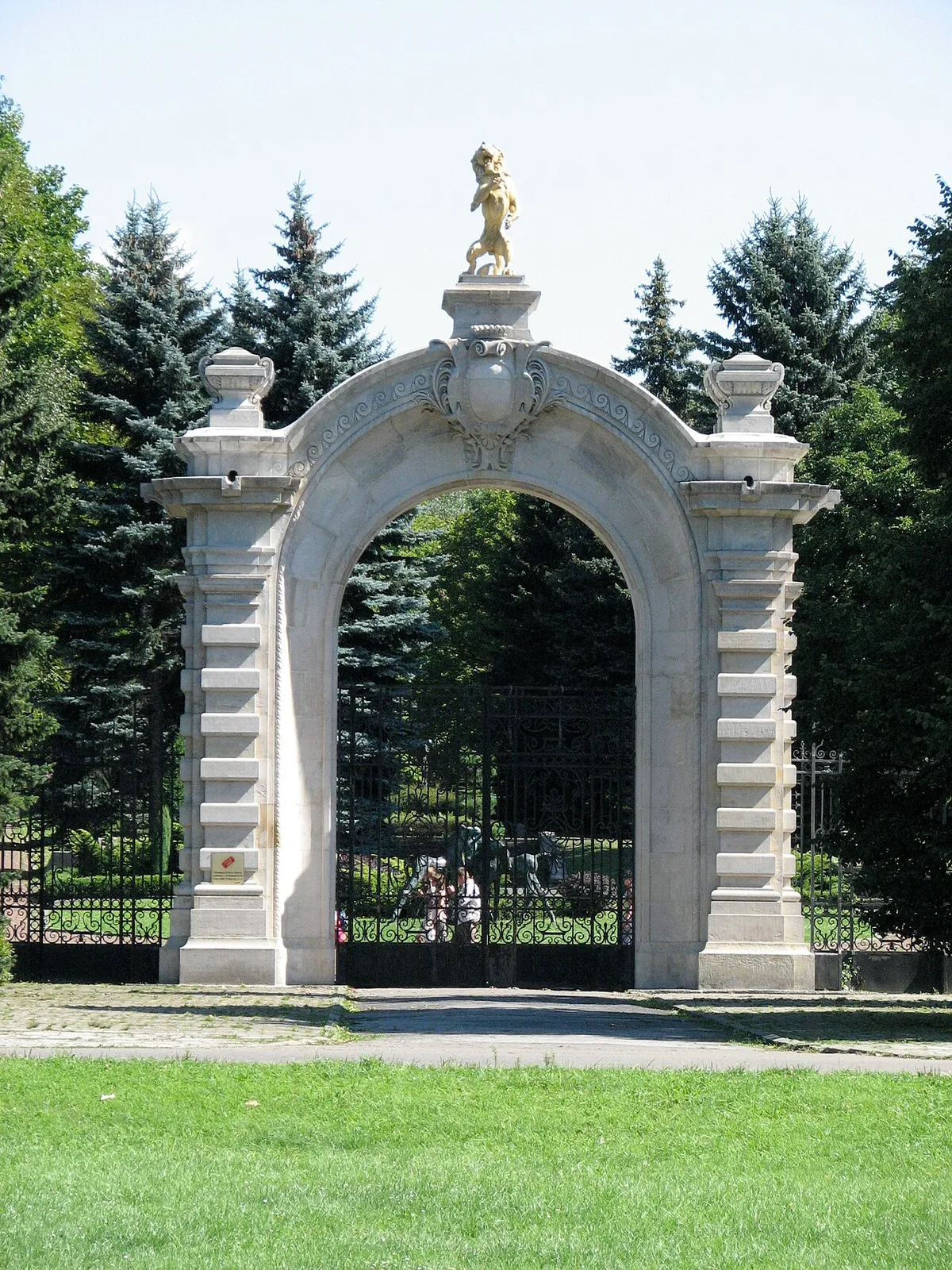 Śląski Ogród Zoologiczny🇵🇱 Chorzów, Poland
Community notes
Share your observations about the Serval.
No community notes yet. Be the first!
Discover more wildlife
More fascinating animals from the encyclopedia.