
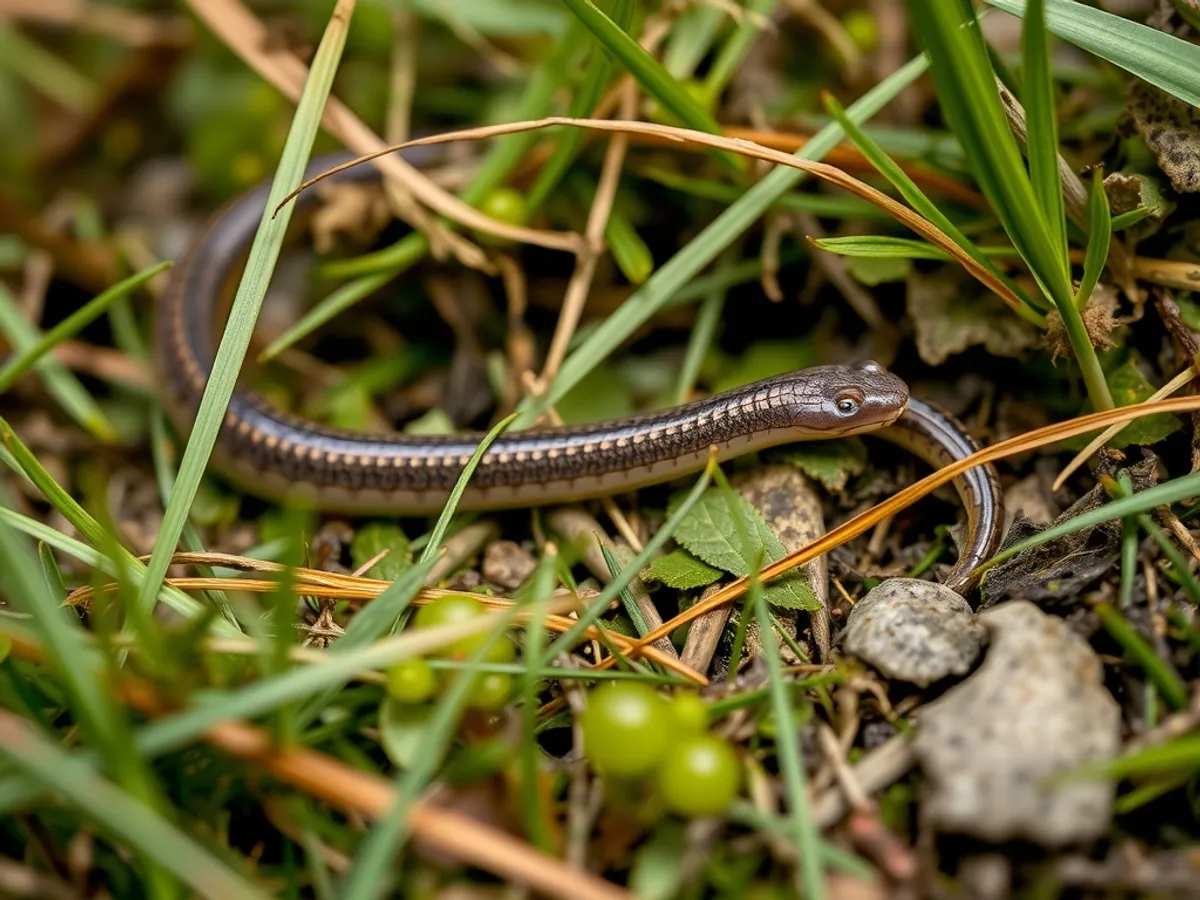
About the Slow Worm
The slow worm (Anguis fragilis) is neither slow nor a worm nor a snake: it is a legless lizard, and the giveaways are all visible up close. It has movable eyelids and blinks, which no snake can do; it has small ear openings behind the eye; its tongue is notched rather than deeply forked; and, most tellingly, it can shed its tail when seized, the discarded piece thrashing while the animal escapes. That last trick is the origin of the species name fragilis, and the regrown tail is a stubby, blunt substitute that never matches the original. Slow worms live across most of Europe in rough grassland, hedgerows, allotments and compost heaps, and they are the gardener's ally, feeding on slugs and snails, which they seize and swallow with a slow, deliberate chewing action, their small backward-curved teeth designed for holding slippery prey. They are secretive, spending most of the day hidden beneath stones, logs or sheets of corrugated iron, warming by conduction rather than open basking. Females give birth to live young, typically six to twelve, in late summer. Slow worms are also strikingly long-lived for such a small animal: one kept at Copenhagen Zoo survived at least 54 years, believed to be the longevity record for any lizard.
Fascinating facts
Not a Snake!
Despite their appearance, slow worms are legless lizards and can be distinguished from snakes by their ability to blink and shed their tails.
Secretive Lifestyle
Slow worms are rarely seen in the open, preferring to hide under stones, logs, and leaf litter to avoid predators and maintain moisture.
Pest Controllers
Their diet consists mainly of slugs, snails, and other invertebrates, making them valuable allies for gardeners.
Detailed description
The slow worm (Anguis fragilis) is a small, secretive legless lizard, typically measuring 30–50 cm in total length, with females generally larger than males. Its body is cylindrical, smooth, and covered in small, shiny scales that give it a metallic bronze, grey, or coppery appearance; juveniles often display a striking gold or silver dorsal stripe with dark flanks. Unlike snakes, slow worms possess movable eyelids and external ear openings, and their tongue is broad and notched rather than forked. The head is slightly flattened and indistinct from the neck, with small, round eyes adapted for low-light environments. Slow worms are ectothermic and primarily crepuscular, emerging at dawn and dusk to forage. They are known for their remarkable ability to autotomize, or shed, their tail when threatened, which can distract predators but results in a shorter, blunt regrown tail. Their diet consists mainly of soft-bodied invertebrates such as slugs, earthworms, and insect larvae, which they locate using a keen sense of smell. Slow worms are long-lived reptiles, with some individuals in captivity recorded to live over 50 years, though wild lifespans are typically 10–20 years. They are ovoviviparous, giving birth to live young rather than laying eggs, which is an adaptation to cooler climates. Slow worms are generally solitary outside of the breeding season, and their cryptic lifestyle makes them difficult to observe in the wild.
Did you know?
Some slow worms have been recorded living over 50 years in captivity, making them among the longest-lived lizards in the world.
Research & sources
Wikipedia summary
The common slow worm is a species of legless lizard native to western Eurasia. It is also called a deaf adder, blindworm, or regionally, a long-cripple, steelworm, and hazelworm. The "blind" in blindworm refers to the lizard's small eyes, similar to a blindsnake. The common slow worm, i.e. the species Anguis fragilis, is often called simply "slow worm", though all species of the species complex comprising the genus Anguis are also called "slow worms".
Behaviour & social structure
Slow worms are primarily fossorial and secretive, spending much of their time hidden under rocks, logs, or dense vegetation to avoid predation and desiccation. They are most active during warm, humid conditions, especially after rainfall, and their activity peaks at dawn and dusk (crepuscular). Hunting is done by slow, deliberate movement through leaf litter, using their well-developed Jacobson's organ to detect chemical cues from prey. They subdue prey with rapid bites and swallow it whole. Social interactions are minimal, though during the breeding season, males may engage in ritualized combat, intertwining and wrestling to establish dominance. Slow worms hibernate communally from October to March in frost-free refuges such as burrows, compost heaps, or beneath stones, sometimes sharing these sites with other reptiles or amphibians. They exhibit site fidelity, often returning to the same hibernation and basking spots annually.
Reproduction & life cycle
Breeding occurs in spring, typically from April to June, following emergence from hibernation. Males court females by grasping them with their jaws, sometimes resulting in visible mating scars. Fertilization is internal, and females are ovoviviparous, retaining eggs within their bodies until the young are ready to hatch. Gestation lasts approximately 3–5 months, depending on ambient temperature. In late summer (August–September), females give birth to 5–26 live young, each measuring about 7–10 cm at birth and encased in a thin membrane that is quickly shed. There is no parental care post-birth; juveniles are independent from the outset. Females typically breed every 2–3 years, as reproduction is energetically costly.
Adaptations & survival
The slow worm's legless, streamlined body allows it to move efficiently through dense vegetation, soil, and leaf litter, aiding both in hunting and predator avoidance. Its smooth, overlapping scales reduce water loss and facilitate burrowing. Autotomy, or tail-shedding, is a key anti-predator adaptation; the detached tail continues to wriggle, distracting predators and allowing the slow worm to escape. The ability to regenerate the tail, though imperfectly, is another survival trait. Ovoviviparity is an adaptation to temperate climates, ensuring embryonic development occurs in stable, maternal body conditions rather than in vulnerable eggs exposed to environmental fluctuations. Slow worms also exhibit cryptic coloration, blending into their surroundings to avoid detection by predators such as birds, mammals, and domestic cats.
Cultural significance
Slow worms have featured in European folklore for centuries, often misidentified as snakes and associated with superstitions or medicinal uses. In some regions, they were believed to be venomous or to bring good luck if encountered. The name 'blindworm' derives from Old English, referencing their small eyes rather than any lack of vision. In traditional medicine, slow worms were sometimes used in remedies for rheumatism or as ingredients in charms. Today, they are valued in gardens for their role in controlling pest populations, particularly slugs and insects.
Recent research
Recent genetic studies have revealed that Anguis fragilis is part of a complex of cryptic species, leading to taxonomic revisions and the recognition of additional species within the genus Anguis. Research into their longevity has documented individuals living over 50 years in captivity, making them among the longest-lived lizards. Studies on their thermal ecology have shown that slow worms select microhabitats that optimize body temperature for digestion and reproduction. Ongoing research focuses on their population genetics, responses to habitat fragmentation, and the impacts of climate change on their distribution and phenology. Citizen science initiatives in the UK and Europe are contributing valuable data on slow worm distribution and abundance.
Sources
Videos
Habitat
Grassland, woodland edges, gardens, heathland
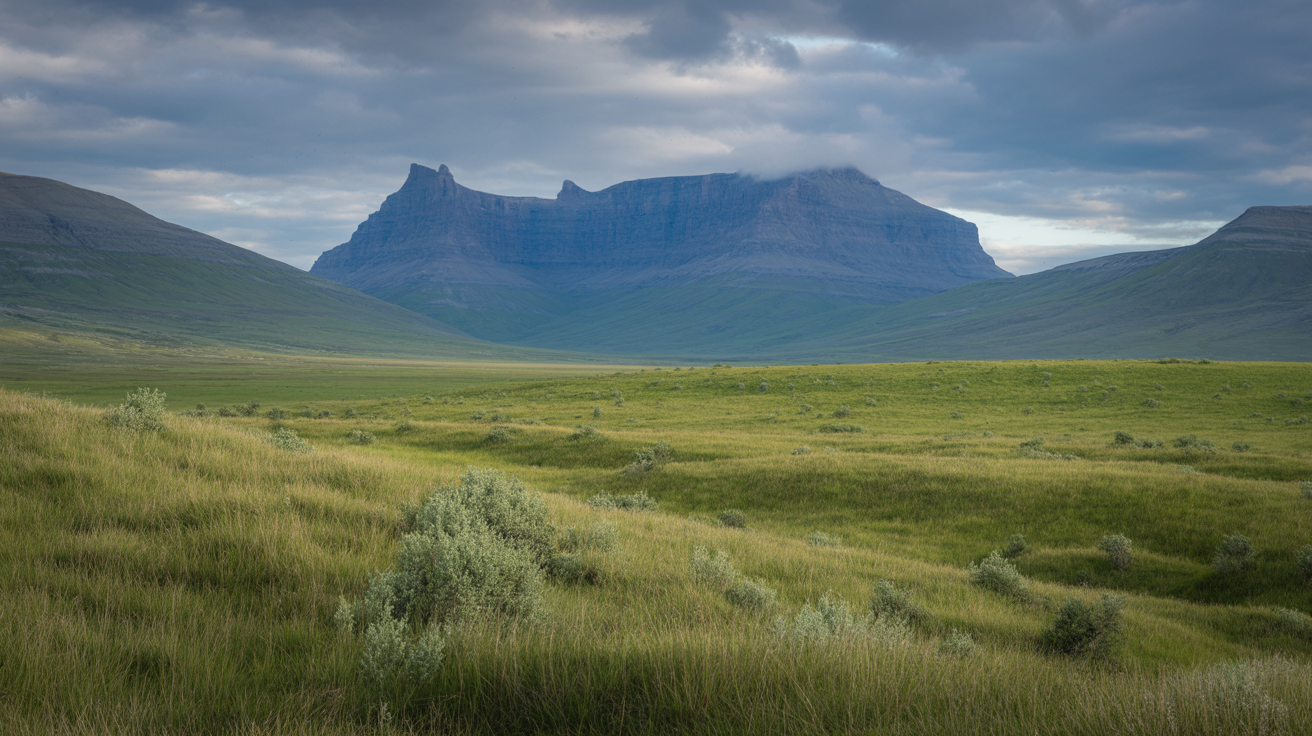 Various Continental Regions
Grassland
Open areas dominated by grasses rather than trees, supporting numerous herbivores and their predators.
 Elevated Terrain
Mountain
High-altitude environments with varying climates and specialized wildlife adapted to rugged terrain and thin air.
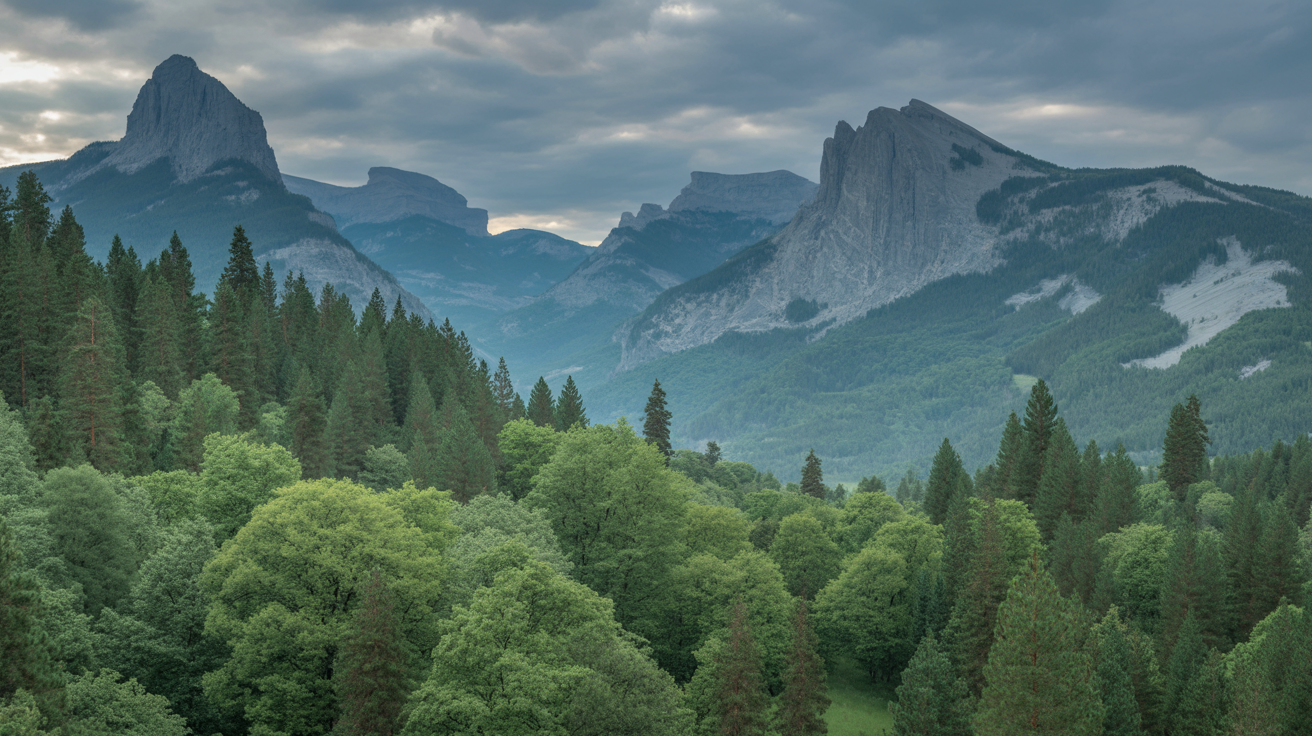 Global
Forest
Wooded areas with significant tree cover and diverse plant and animal communities.
Conservation
The Slow Worm is currently classified as Least Concern on the IUCN Red List.
Threats & challenges
While the slow worm is currently classified as Least Concern by the IUCN, local populations face threats from habitat loss due to urbanization, agricultural intensification, and the removal of hedgerows and field margins. Road mortality, predation by domestic cats, and the use of pesticides (which reduce prey availability) are additional challenges. Garden management practices, such as frequent mowing and removal of refuges, can also negatively impact populations. Climate change poses a long-term threat by altering hibernation patterns and habitat suitability. Despite these pressures, slow worms have shown some adaptability to suburban gardens and allotments, provided suitable cover and prey are available.
Taxonomy
Scientific name
Anguis fragilis
- Kingdom
- Animalia
- Phylum
- Chordata
- Class
- Reptilia
- Order
- Squamata
- Family
- Anguidae
- Genus
- Anguis
- Species
- fragilis
Community notes
Share your observations about the Slow Worm.
No community notes yet. Be the first!
Discover more wildlife
More fascinating animals from the encyclopedia.