
About the Spiny Orb-Weaver
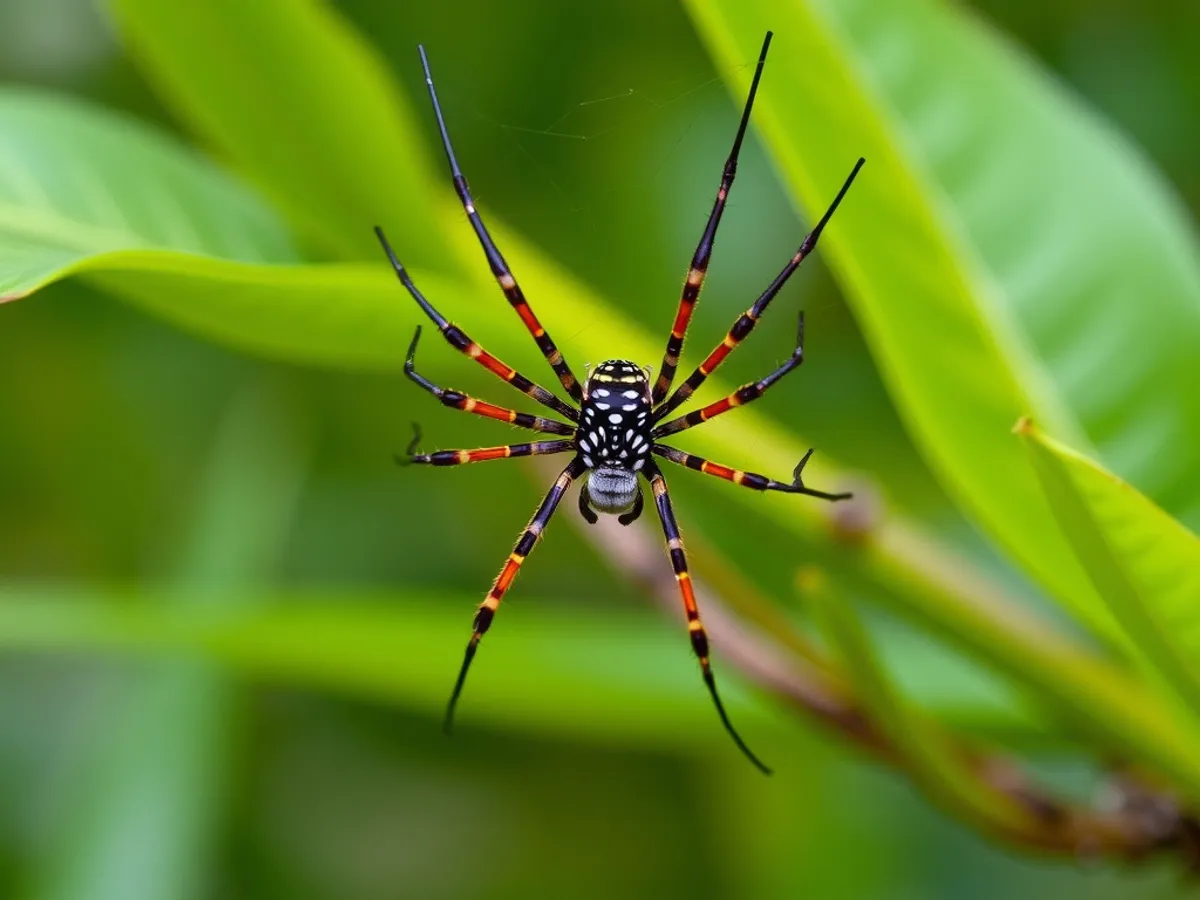
The Spiny Orb-Weaver is a small, brightly colored spider known for its distinctively spiny, crab-like body. Its hard, flattened abdomen is often adorned with six prominent spines and features striking colors such as white, yellow, or red with black markings. This species constructs classic circular orb webs to trap flying insects and is a common sight in gardens, forests, and shrublands across the Americas. Despite its fearsome appearance, the Spiny Orb-Weaver is harmless to humans and plays an important role in controlling insect populations.
Fascinating facts
Web Builder
Spiny Orb-Weavers spin intricate orb-shaped webs to catch flying insects, often placing them in open areas between trees or shrubs.
Crab-like Body
Their spiny, flattened abdomen and sideways movement have earned them the nickname 'crab spiders,' though they are not true crab spiders.
Colorful Appearance
They display a wide range of vibrant colors, including white, yellow, red, and orange, often with black spots or markings.
Detailed description
The Spiny Orb-Weaver (Gasteracantha cancriformis) is a small but visually striking spider, typically measuring 5–9 mm in width (females) and 2–4 mm in length, with males being considerably smaller and less ornamented. Its most distinctive feature is the hard, flattened, and often vividly colored abdomen, which is adorned with six prominent lateral spines that give it a crab-like appearance. The dorsal surface of the abdomen can be white, yellow, orange, or red, often marked with contrasting black spots or bands, while the ventral side is generally darker. The cephalothorax and legs are black or dark brown, and the legs are relatively short compared to other orb-weavers. G. cancriformis constructs classic orb-shaped webs, typically 20–30 cm in diameter, suspended between shrubs or tree branches at heights of 1–3 meters above ground. Females are almost always found at the center of their webs, while males are more elusive and often remain at the web's periphery. This species is diurnal, relying on visual cues for prey detection and mate recognition. Spiny Orb-Weavers are solitary and non-aggressive, and their spines are believed to serve as a deterrent against avian predators. Their life cycle includes egg, spiderling, and adult stages, with females producing a single egg sac containing up to 260 eggs. G. cancriformis is widespread in the Americas, ranging from the southern United States through Central America and into northern South America and the Caribbean, thriving in both natural and urbanized habitats.
Did you know?
Despite their intimidating looks, Spiny Orb-Weavers are completely harmless to humans and rarely bite.
Research & sources
Behaviour & social structure
Gasteracantha cancriformis is primarily active during daylight hours, a trait uncommon among many orb-weavers. Females spend most of their time at the hub of their web, monitoring vibrations to detect and locate prey. When a flying insect becomes ensnared, the spider quickly immobilizes it with silk before delivering a venomous bite to subdue it. Their diet consists mainly of small flying insects such as flies, moths, and beetles. Males do not build webs and instead wander in search of females, often residing on the periphery of a female's web prior to mating. Spiny Orb-Weavers are solitary, exhibiting little to no social interaction outside of mating. Webs are often rebuilt daily, with the spider consuming the old web in the morning and constructing a new one by afternoon. Defensive behaviors include remaining motionless or dropping from the web if threatened.
Reproduction & life cycle
Breeding typically occurs during the warmer months, with peak activity in late spring and summer. Males approach females cautiously, using vibratory signals to avoid being mistaken for prey. After mating, females lay eggs in a single, flattened, disc-shaped egg sac, which is attached to vegetation near the web. Each sac contains 100–260 eggs, and the female may guard the sac for a short period before dying. Incubation lasts about 11–14 days, after which spiderlings emerge and disperse by ballooning—using silk threads to catch the wind and travel to new locations. There is no parental care beyond initial egg sac protection. The life span is typically one year, with adults dying after the reproductive season.
Adaptations & survival
The spiny, hardened abdomen of G. cancriformis is a key adaptation, providing physical protection against predators, particularly birds. The bright coloration and spines may function as aposematic (warning) signals, deterring predation by suggesting toxicity or unpalatability, though the species is not known to be venomous to vertebrates. The orb web structure is highly efficient for capturing flying insects, and the spider's ability to rapidly rebuild its web allows it to maintain foraging efficiency. Diurnal activity may reduce competition with nocturnal orb-weavers and exploit different prey availability. Silk production is specialized, with sticky spiral threads for prey capture and non-sticky radii for movement.
Cultural significance
While not a major figure in folklore, the Spiny Orb-Weaver is often noted in local cultures for its unusual appearance, sometimes referred to as 'crab spider' or 'jewel spider.' In some regions, it is considered a symbol of good luck or admired for its role in controlling pest insects. Its distinctive webs and bright colors make it a subject of interest for nature enthusiasts and educators, but there are no known traditional medicinal or ritual uses.
Recent research
Recent studies have examined the function of abdominal spines and coloration in predator deterrence, with evidence suggesting that both visual and tactile cues reduce predation risk. Genetic research has revealed significant variation in color morphs across the species’ range, possibly linked to local environmental conditions and selective pressures. Ongoing research includes the impact of urbanization on web-building behavior and prey capture success, as well as the species’ role in local food webs. Molecular phylogenetic studies have clarified relationships within the genus Gasteracantha and the broader family Araneidae.
Sources
The Spiny Orb-Weaver Gasteracantha cancriformis (Araneae: Araneidae): Natural History and Taxonomic Review
Levi, H.W. (1978)
scientificMorphological and Behavioral Adaptations of Gasteracantha cancriformis
Gawryszewski, F.M. (2011)
scientificThe Biology of Spiny Orb-Weaver Spiders (Araneidae: Gasteracantha cancriformis): Morphology, Behavior, and Ecology
Levi, H.W. (1978)
scientificVideos
Habitat
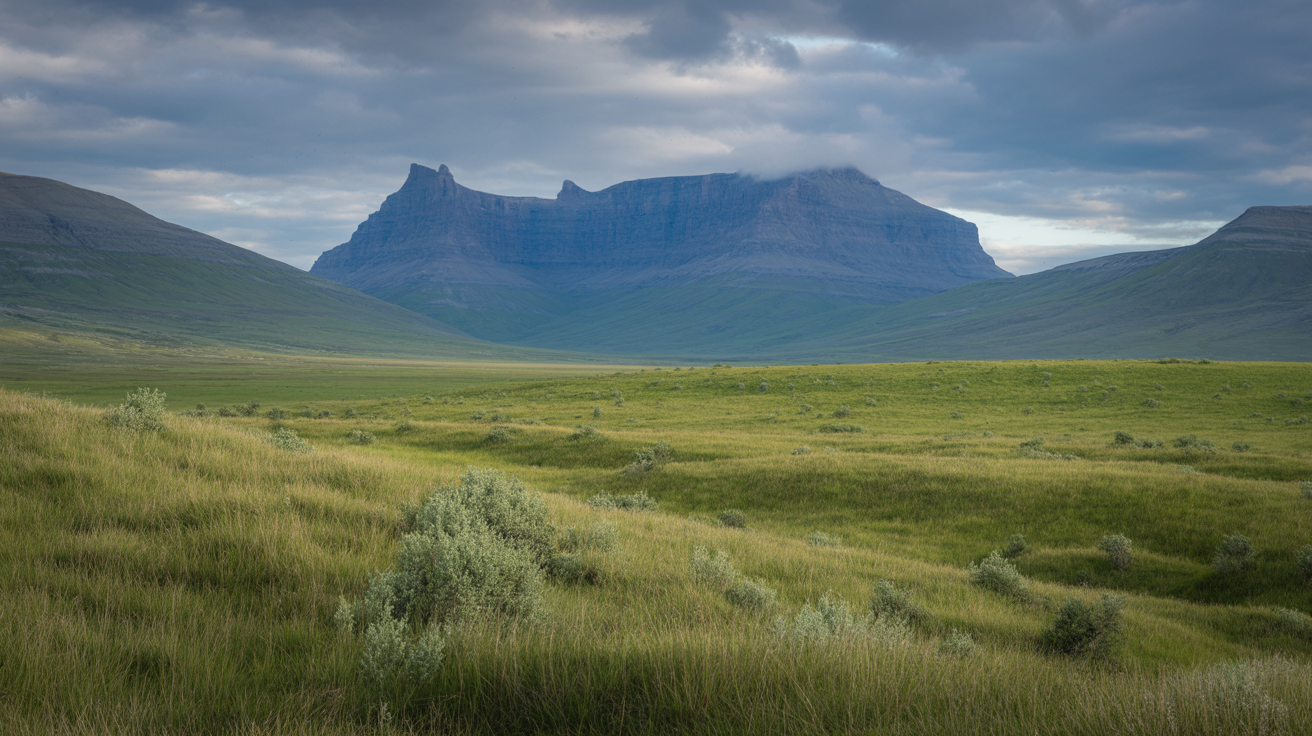
Forests, gardens, shrublands

Conservation
The Spiny Orb-Weaver is currently classified as Least Concern on the IUCN Red List.
Threats & challenges
Currently, G. cancriformis faces few significant threats and is classified as Least Concern by the IUCN. Its adaptability to disturbed habitats, including gardens and urban areas, contributes to its stable population. However, localized threats include habitat loss due to deforestation, pesticide use, and urban development, which can reduce prey availability and suitable web-building sites. Climate change may also impact distribution and phenology, but the species’ broad range and ecological flexibility buffer against severe declines. There is no evidence of targeted persecution or collection for the pet trade.
Taxonomy
Scientific name
Gasteracantha cancriformis
- Kingdom
- Animalia
- Phylum
- Arthropoda
- Class
- Arachnida
- Order
- Araneae
- Family
- Araneidae
- Genus
- Gasteracantha
- Species
- cancriformis
Community notes
Share your observations about the Spiny Orb-Weaver.
No community notes yet. Be the first!
Discover more wildlife
More fascinating animals from the encyclopedia.