
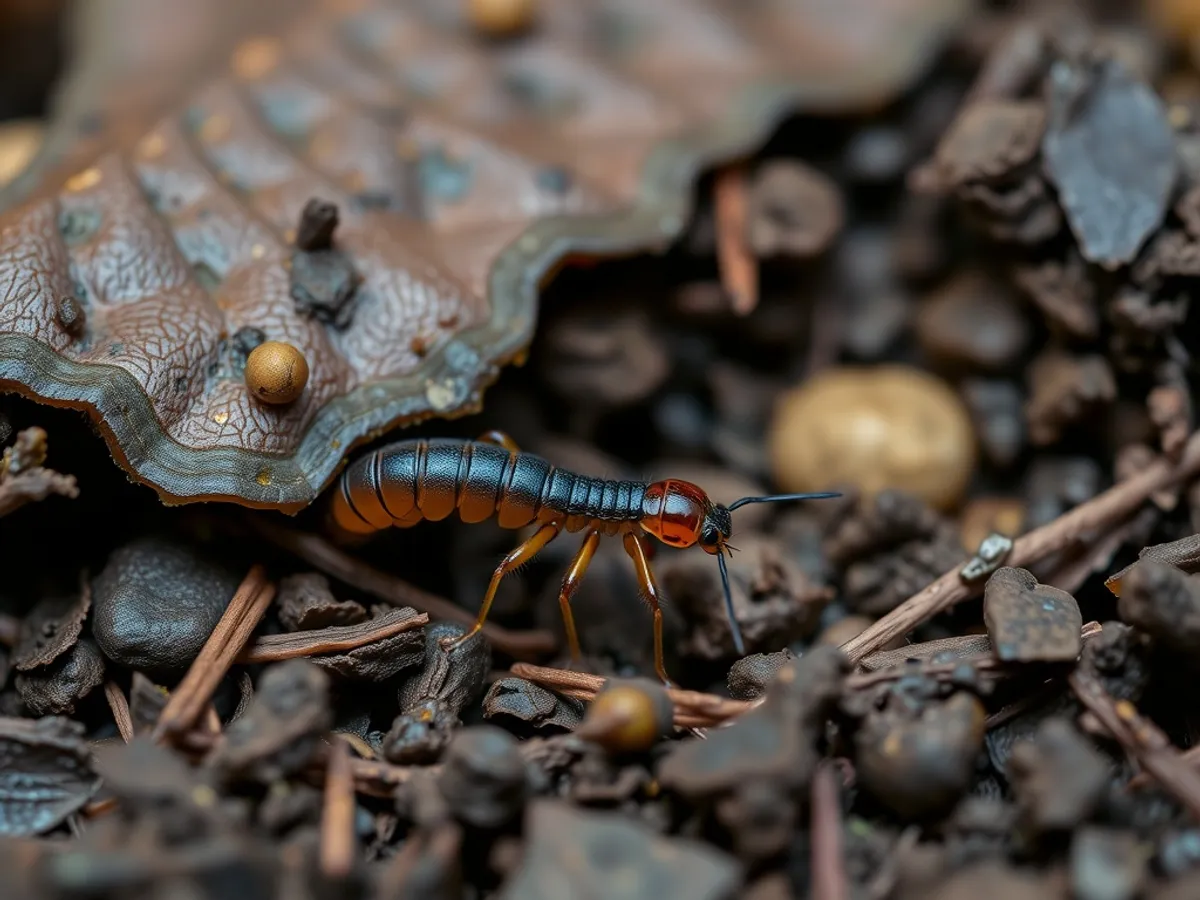
About the Springtail
Springtails (Collembola) are among the most abundant animals on Earth, with populations that can exceed 100,000 individuals per square metre of temperate soil, yet they are not insects. They belong to the Entognatha, a group whose mouthparts are held inside a pouch in the head rather than exposed, and they diverged from insects extremely early; a Devonian fossil, Rhyniella praecursor, is one of the oldest known land arthropods. The name comes from the furcula, a forked appendage folded beneath the abdomen and held under tension by a catch called the retinaculum. Released, it slams against the ground and flings the animal many times its own body length in an unsteerable, random-direction escape leap, an entirely passive latch-mediated spring rather than a muscular jump. A second tube-shaped organ, the collophore, on the underside of the first abdominal segment, handles water balance and adhesion. Springtails eat fungal hyphae, decaying plant material and bacteria, and are central to the formation of soil. Some are extraordinarily cold-hardy: Antarctic species survive well below minus 20 degrees Celsius using antifreeze proteins and are among the few animals native to the continent's ice-free ground. Their cuticle is patterned with a nanoscale honeycomb that repels water and oil, and is being copied for anti-fouling surfaces.
Fascinating facts
Incredible Jumpers
Springtails use a tail-like structure called a furcula, which they snap against the ground to launch themselves away from predators.
Fungi Eaters
They primarily feed on fungal hyphae, spores, and decaying plant material, helping decompose organic matter.
Worldwide Distribution
Springtails are found on every continent, including Antarctica, making them one of the most widespread animal groups on Earth.
Detailed description
Springtails (Collembola) are minute, wingless hexapods typically measuring between 0.2 and 6 mm in length, though most species are under 2 mm. Their bodies are soft and can be elongated, globular, or cylindrical, depending on the order. A defining anatomical feature is the furcula, a forked, tail-like appendage folded beneath the abdomen and held under tension; when released, it propels the animal into the air, allowing rapid escape from predators. Springtails possess internal mouthparts (entognathy), simple eyes (ocelli), and antennae with varying segmentation. Their cuticle is often covered with hydrophobic scales or setae, aiding survival in moist environments. Respiration occurs through the cuticle or, in some species, via a tracheal system. They are among the most numerous soil arthropods, with densities reaching up to 100,000 individuals per square meter in rich soils. Springtails are ecologically vital, fragmenting organic matter and stimulating microbial activity, thus enhancing soil fertility. They exhibit remarkable tolerance to cold, with some Arctic and Antarctic species producing antifreeze proteins. Their diversity is reflected in over 9,000 described species, occupying habitats from rainforests to deserts and even snowfields.
Did you know?
Springtails are so numerous that a single square meter of soil can contain tens of thousands of individuals.
Research & sources
Wikipedia summary
Springtails form the largest of the three lineages of modern hexapods that are no longer considered insects. Although the three lineages are sometimes grouped together in a class called Entognatha because they have internal mouthparts, they do not appear to be any more closely related to one another than they are to insects, which have external mouthparts.
Behaviour & social structure
Springtails are primarily detritivores, feeding on decaying plant material, fungal hyphae, spores, bacteria, and algae. Some species show selectivity for particular fungal species, influencing soil fungal communities. They are generally solitary but can aggregate in large numbers, especially in favorable microhabitats with high humidity and food availability. Aggregation is sometimes mediated by pheromones or environmental cues. Springtails are most active during periods of high humidity, avoiding desiccation by seeking moist microhabitats or becoming quiescent during dry spells. Their jumping behavior is a rapid escape response to disturbance, but they also crawl and climb using their legs. Some species exhibit negative phototaxis, avoiding light to reduce predation risk and water loss. Daily activity patterns are influenced by moisture and temperature, with peak activity often at dawn or dusk.
Reproduction & life cycle
Springtails reproduce via indirect fertilization; males deposit spermatophores (packets of sperm) on the substrate, which females pick up with their genital opening. Courtship behaviors vary, with some species engaging in complex dances or tactile interactions to guide females to spermatophores. There is no true copulation. Females lay eggs singly or in clusters, often in moist crevices or soil. Embryonic development lasts from several days to a few weeks, depending on temperature and species. There is no parental care after egg-laying. Juveniles resemble adults and undergo several molts before reaching maturity, with some species continuing to molt throughout life (anamorphosis). Breeding can occur year-round in stable environments, but in temperate regions, reproduction may be seasonal, peaking in spring and autumn.
Adaptations & survival
Key adaptations include the furcula for rapid jumping, hydrophobic cuticular scales to prevent water loss, and the ability to absorb water vapor directly from the atmosphere. Many species produce antifreeze proteins and polyols (e.g., glycerol) to survive subzero temperatures. Some springtails can enter cryptobiotic states, suspending metabolism during drought or freezing. Their small size and flattened bodies allow them to exploit narrow soil pores and leaf litter spaces. Chemoreceptors on antennae and mouthparts enable detection of food and pheromones. Some species have symbiotic relationships with gut microbes that aid in digesting recalcitrant plant material.
Cultural significance
Springtails rarely feature in folklore or mythology due to their small size and cryptic habits. However, they are increasingly recognized as bioindicators of soil health and are used in ecotoxicological testing (e.g., Folsomia candida) to assess the impact of chemicals on soil ecosystems. In some cultures, mass aggregations of springtails on snow ("snow fleas") have been noted as curiosities. There are no known traditional uses, but their ecological importance is increasingly acknowledged in sustainable agriculture and soil management.
Recent research
Recent research has focused on the biomechanics of the furcula and the nanostructure of the cuticle, which exhibits remarkable water-repellent properties. Genomic studies have revealed unique genes involved in antifreeze protein production and cuticular adaptations. Springtails are model organisms in soil ecology, used to study nutrient cycling, microbe-arthropod interactions, and the effects of pollutants. Ongoing research explores their role in suppressing plant pathogens and their potential as indicators of climate change impacts on soil biodiversity. The taxonomy of Collembola is also under revision, with molecular phylogenetics reshaping our understanding of their evolutionary relationships.
Videos
Habitat
Moist soil and leaf litter
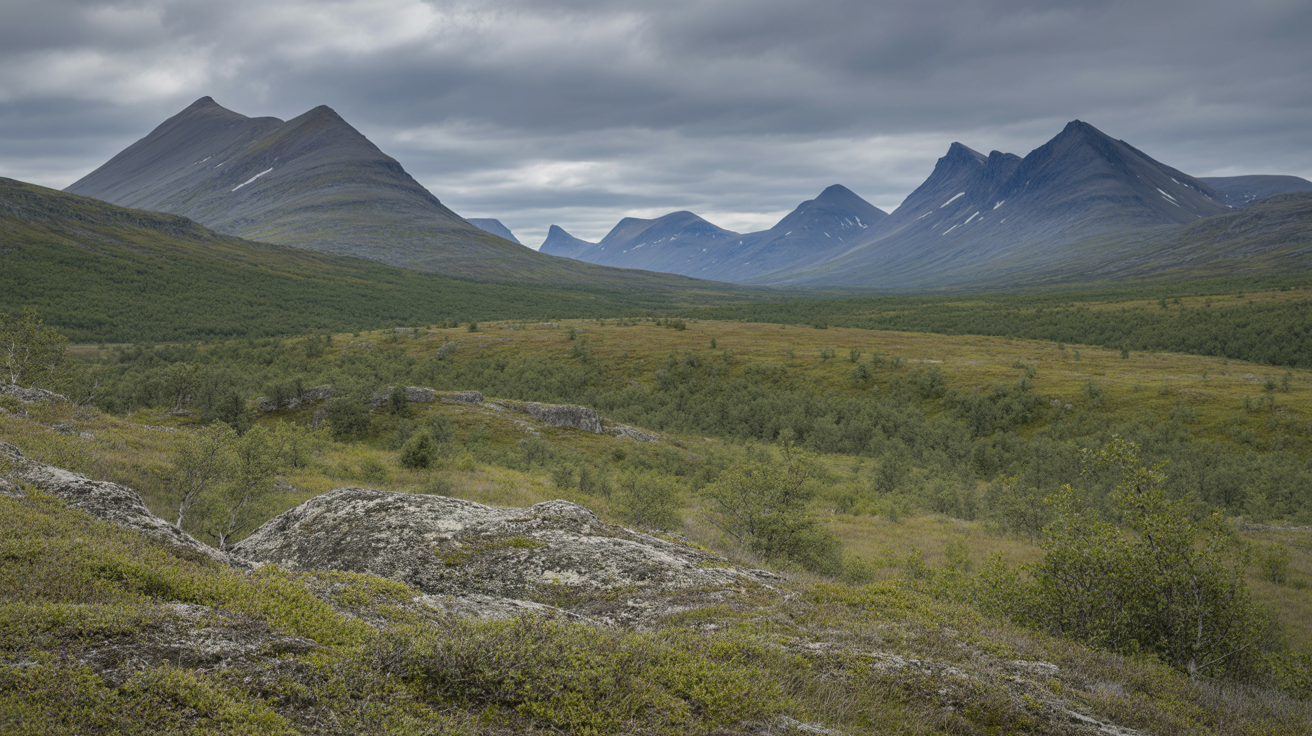 Polar and Subpolar Regions
Tundra
Cold, treeless regions with permafrost supporting specialized cold-adapted wildlife.
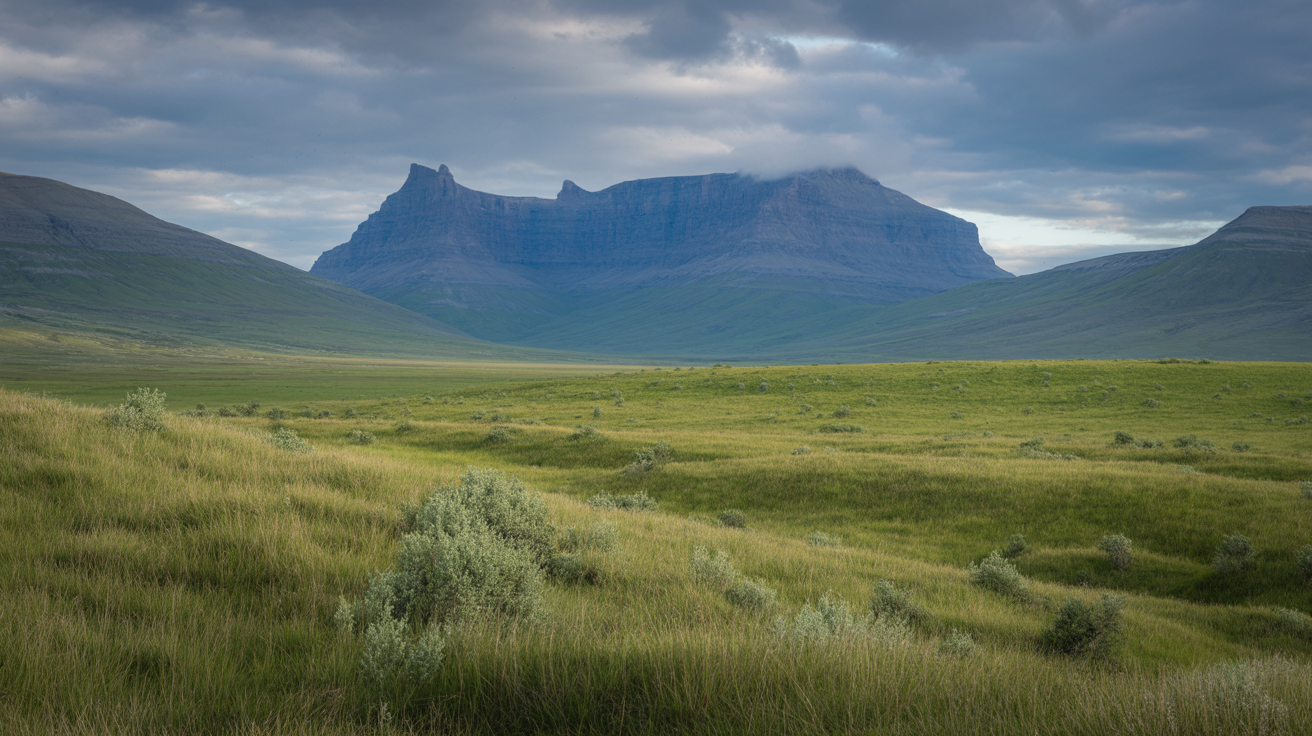 Various Continental Regions
Grassland
Open areas dominated by grasses rather than trees, supporting numerous herbivores and their predators.
 Elevated Terrain
Mountain
High-altitude environments with varying climates and specialized wildlife adapted to rugged terrain and thin air.
 Global
Forest
Wooded areas with significant tree cover and diverse plant and animal communities.
 Global
Freshwater
Lakes, rivers, and wetlands with diverse aquatic ecosystems.
Conservation
The Springtail is currently classified as Least Concern on the IUCN Red List.
Threats & challenges
Springtails are generally resilient and widespread, but their populations can be affected by intensive agriculture, pesticide use, soil pollution (heavy metals, hydrocarbons), and habitat destruction. Soil acidification and loss of organic matter reduce their abundance and diversity. Climate change may alter their distribution, especially for cold-adapted species. Despite these threats, most species are not currently endangered, and their global population trends are stable. However, some localized declines have been recorded in areas of severe soil degradation.
Taxonomy
Scientific name
Collembola
- Kingdom
- Animalia
- Phylum
- Arthropoda
- Class
- Collembola
- Order
- Collembola
- Family
- Varies (e.g., Entomobryidae, Isotomidae, Sminthuridae)
- Genus
- Varies
- Species
- collembola
Community notes
Share your observations about the Springtail.
No community notes yet. Be the first!
Discover more wildlife
More fascinating animals from the encyclopedia.