
About the Tibetan Fox
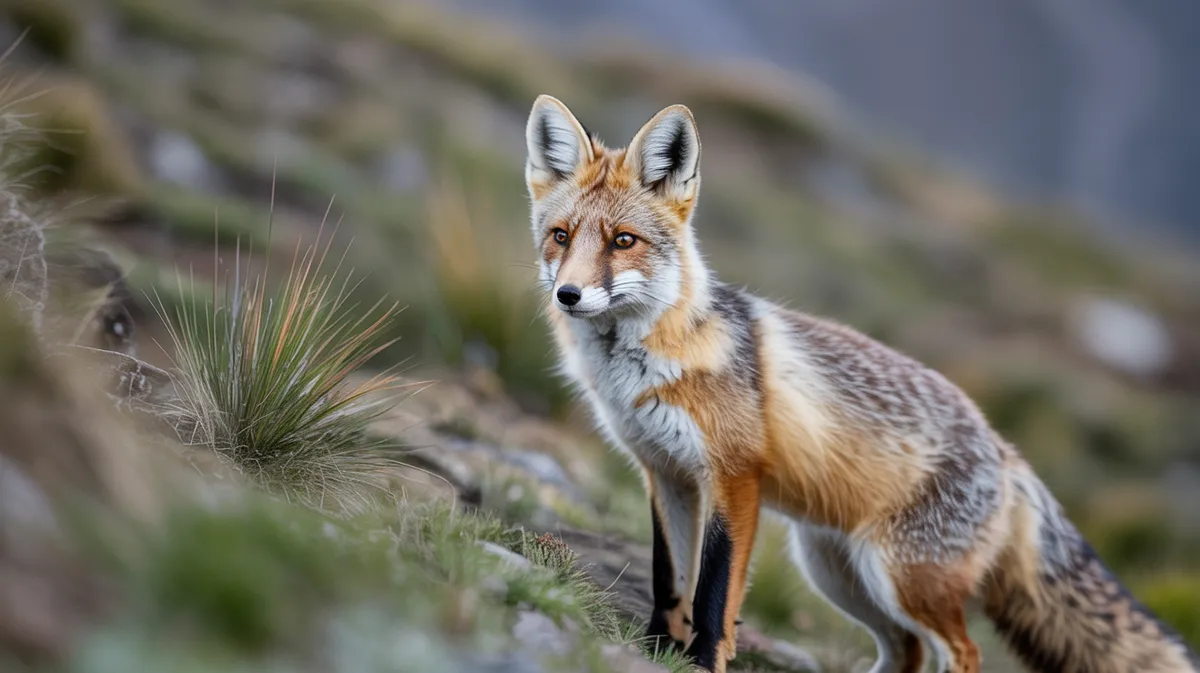
The Tibetan fox (Vulpes ferrilata) has the most unusual face of any canid: a narrow, tubular muzzle set into a broad, squared-off head, with small eyes that seem permanently half-shut, giving it a look of profound and unshakeable disdain that has made it an internet fixture. The squareness is largely an illusion produced by an extremely dense ruff of cheek fur; the skull beneath is long and narrow. It lives on the Tibetan Plateau at 3,500 to 5,200 metres, some of the highest ground any fox occupies, and it is a specialist, taking plateau pikas above all else. This has generated one of the best examples of commensal hunting in mammals. Tibetan brown bears dig pikas out of their burrows, an operation that takes time and throws up a lot of soil, and Tibetan foxes shadow the bears at close range, waiting motionless beside the excavation and grabbing any pika that bolts out of a back entrance; the bear tolerates the fox, and the fox gets prey it could not otherwise reach. Tibetan foxes appear to pair for the long term and hunt as a pair, dividing prey between them, and they den among rock crevices and boulder fields. Poisoning campaigns against pikas, mounted on the disputed argument that pikas degrade rangeland, are their main threat.
Fascinating facts
Square-Shaped Face
The Tibetan Fox's square, blocky face with narrow eyes is an adaptation that helps it blend into the rocky terrain and surprise its prey.
High-Altitude Specialist
This fox lives at elevations between 3,500 and 5,300 meters, making it one of the highest-dwelling wild canids in the world.
Expert Pika Hunter
Pikas make up the majority of the Tibetan Fox's diet, and the fox is specially adapted to hunt these fast, burrowing rodents.
Detailed description
The Tibetan fox (Vulpes ferrilata) is a medium-sized canid uniquely adapted to the high-altitude environments of the Tibetan Plateau and surrounding regions. Adults typically measure 60–70 cm in body length, with a bushy tail adding an additional 29–40 cm, and weigh between 4 and 5.5 kg. Its most distinctive feature is the broad, square-shaped head with a short, pointed muzzle and narrow, forward-facing eyes, giving it a somewhat 'cubist' facial appearance. The dense, soft fur is pale gray to sandy brown on the back, with a paler underside and a white-tipped tail, providing excellent insulation against subzero temperatures and camouflage among the plateau's grasses and rocks. The Tibetan fox is primarily diurnal, a rare trait among foxes, likely an adaptation to the activity patterns of its main prey. Its limbs are relatively short, aiding in maneuverability across rocky and uneven terrain. The species is generally solitary or found in mated pairs, with territories marked by scent. Tibetan foxes are specialized hunters of plateau pikas (Ochotona curzoniae), but their diet also includes rodents, marmots, hares, ground-nesting birds, and occasionally carrion. Their keen hearing and vision are essential for detecting prey in open landscapes. Breeding occurs annually, with litters of 2–5 pups born in underground dens excavated in well-drained soils. The Tibetan fox is an integral part of the plateau ecosystem, acting as both predator and scavenger.
Did you know?
Despite their solitary nature, Tibetan Foxes sometimes form temporary hunting partnerships with brown bears to flush out prey.
Research & sources
Wikipedia summary
The Tibetan fox, also known as the Tibetan sand fox, is a species of true fox endemic to the high Tibetan Plateau, Nepal, China, Bhutan and the Indian states of Ladakh and Sikkim, up to elevations of about 5,300 m (17,400 ft). It is listed as Least Concern in the IUCN Red List, on account of its widespread range in the Tibetan Plateau's steppes and semi-deserts.
Behaviour & social structure
Tibetan foxes are predominantly diurnal, actively hunting during daylight hours, which aligns with the activity of their primary prey, the plateau pika. They exhibit solitary hunting behavior but may be seen in pairs during the breeding season or when raising young. Their hunting technique involves stealthy stalking and sudden pouncing, often observed waiting patiently near pika burrows. Tibetan foxes are territorial, using scent marking to delineate their home ranges, which can span several square kilometers depending on prey abundance. Social interactions are generally limited to mated pairs and their offspring; there is little evidence of complex pack structures. They are known to occasionally scavenge from kills made by larger predators such as Tibetan wolves or snow leopards. Resting sites are typically shallow scrapes or dens, which also serve as shelter from harsh weather and predators.
Reproduction & life cycle
The Tibetan fox is monogamous, with pairs forming stable bonds during the breeding season, which occurs from late February to March. After a gestation period of approximately 50–60 days, females give birth to litters of 2–5 pups, typically in April or May. Births occur in underground dens, which may be reused over multiple years and are often located on slopes for drainage. Both parents participate in rearing the young, with the male providing food while the female remains with the pups during the early weeks. Pups are weaned at around 8–10 weeks and begin to accompany adults on hunting forays by late summer. Juveniles disperse in autumn to establish their own territories.
Adaptations & survival
The Tibetan fox exhibits several key adaptations to its high-altitude, cold, and arid environment. Its dense, double-layered fur provides insulation against extreme cold, while the pale coloration offers camouflage in the open steppe. The square-shaped head and forward-facing eyes enhance binocular vision, aiding in the detection of small, fast-moving prey at a distance. Short, sturdy limbs and compact body size reduce heat loss and facilitate movement across rocky terrain. Physiologically, the species is adapted to hypoxic (low oxygen) conditions typical of elevations above 3,500 meters, with evidence of increased red blood cell counts and efficient oxygen utilization. Behavioral adaptations include diurnal activity and the use of extensive burrow systems for shelter and rearing young.
Cultural significance
The Tibetan fox features in local folklore and is sometimes regarded as a symbol of cunning and adaptability. Its distinctive appearance has made it a subject of interest in wildlife photography and documentaries, often highlighting its role in the plateau ecosystem. There is limited evidence of direct use in traditional medicine or hunting, as its fur is not highly valued and its remote habitat limits human interaction. In some Tibetan and Himalayan cultures, foxes are believed to be omens or messengers, though the Tibetan fox itself is less prominent in mythology than the red fox.
Recent research
Recent research has focused on the Tibetan fox's ecological role as a specialist predator of plateau pikas, which are considered keystone species in the grassland ecosystem. Studies have examined the fox's dietary flexibility, showing that it can switch to alternative prey when pika populations decline. Genetic analyses have clarified its evolutionary relationships within the genus Vulpes, confirming its status as a distinct species. Ongoing research includes the impact of human-induced changes on its habitat and prey base, as well as physiological adaptations to high-altitude hypoxia. Camera trap studies and GPS collaring have improved understanding of its home range, movement patterns, and interactions with sympatric carnivores such as wolves and snow leopards.
Sources
Notice of the Mammals of Tibet, with Descriptions and Plates of some new Species
B. H. Hodgson (1842)
scientificEcology and conservation of the Tibetan fox Vulpes ferrilata in the Qinghai-Tibet Plateau
Wang, X. et al. (2015)
scientificVideos
Habitat
Mountain grasslands and steppes
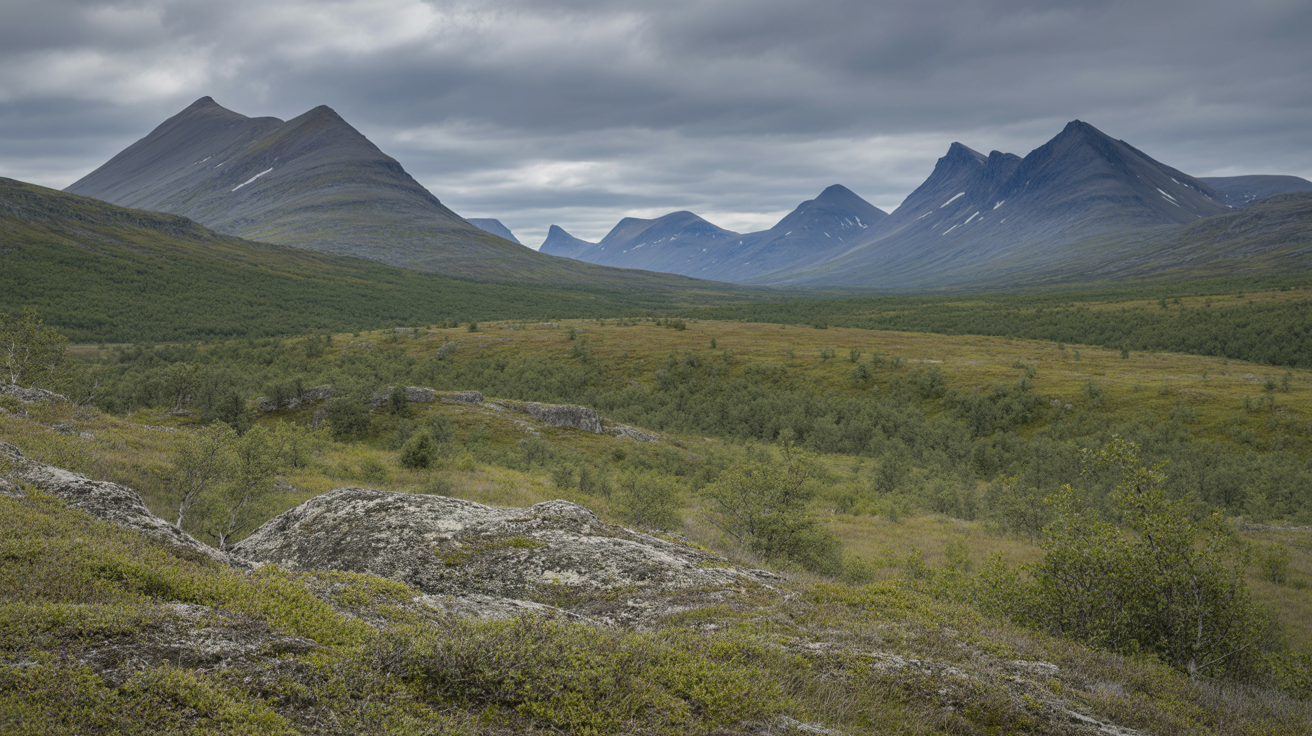 Polar and Subpolar Regions
Tundra
Cold, treeless regions with permafrost supporting specialized cold-adapted wildlife.
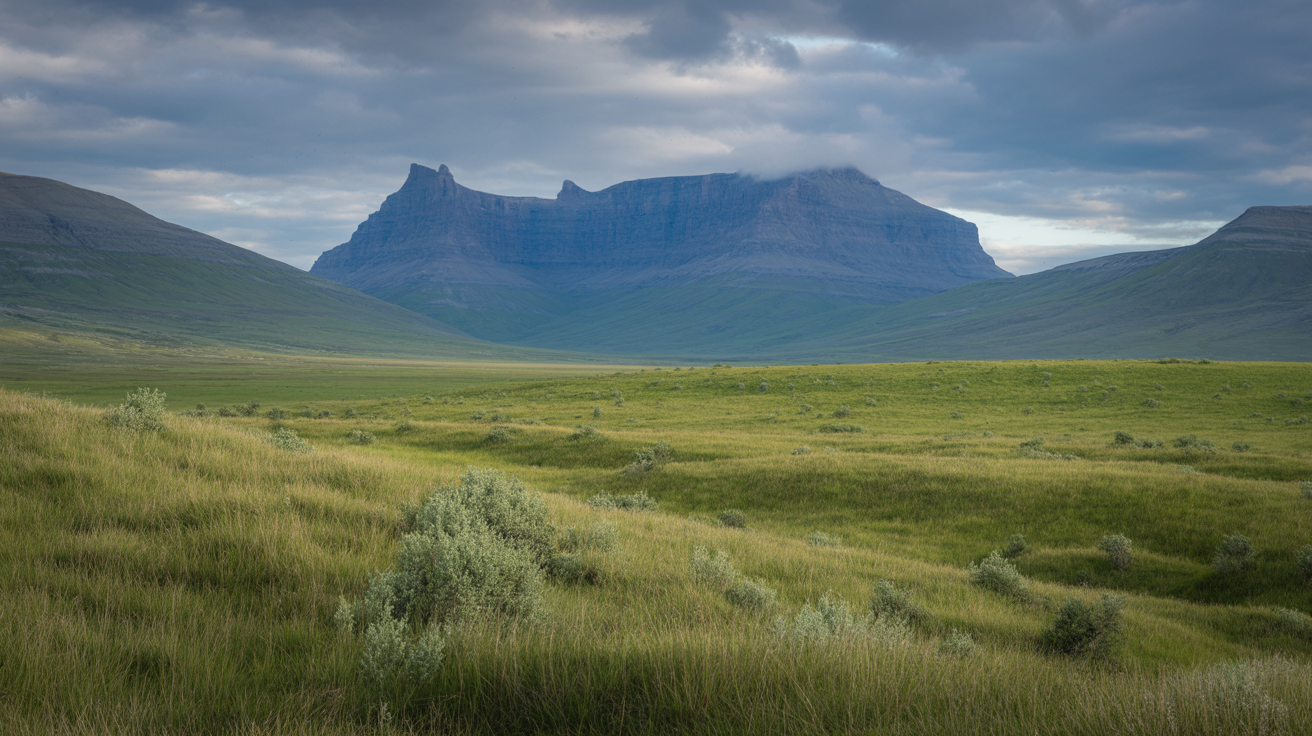 Various Continental Regions
Grassland
Open areas dominated by grasses rather than trees, supporting numerous herbivores and their predators.
 Elevated Terrain
Mountain
High-altitude environments with varying climates and specialized wildlife adapted to rugged terrain and thin air.
Conservation
The Tibetan Fox is currently classified as Least Concern on the IUCN Red List.
Threats & challenges
Currently, the Tibetan fox faces relatively few direct threats due to its remote range and adaptability. However, indirect threats include habitat degradation from overgrazing by livestock, which can reduce prey (pika) populations. Large-scale poisoning campaigns targeting pikas, considered agricultural pests, can inadvertently reduce food availability for the fox and cause secondary poisoning. Infrastructure development, such as roads and mining, may fragment habitats. Despite these challenges, the species is considered stable and is listed as Least Concern by the IUCN, with no evidence of significant population declines. Climate change poses a potential long-term threat by altering the plateau's fragile ecosystems.
Taxonomy
Scientific name
Vulpes ferrilata
- Kingdom
- Animalia
- Phylum
- Chordata
- Class
- Mammalia
- Order
- Carnivora
- Family
- Canidae
- Genus
- Vulpes
- Species
- ferrilata
Community notes
Share your observations about the Tibetan Fox.
No community notes yet. Be the first!
Discover more wildlife
More fascinating animals from the encyclopedia.