
About the Timber Rattlesnake
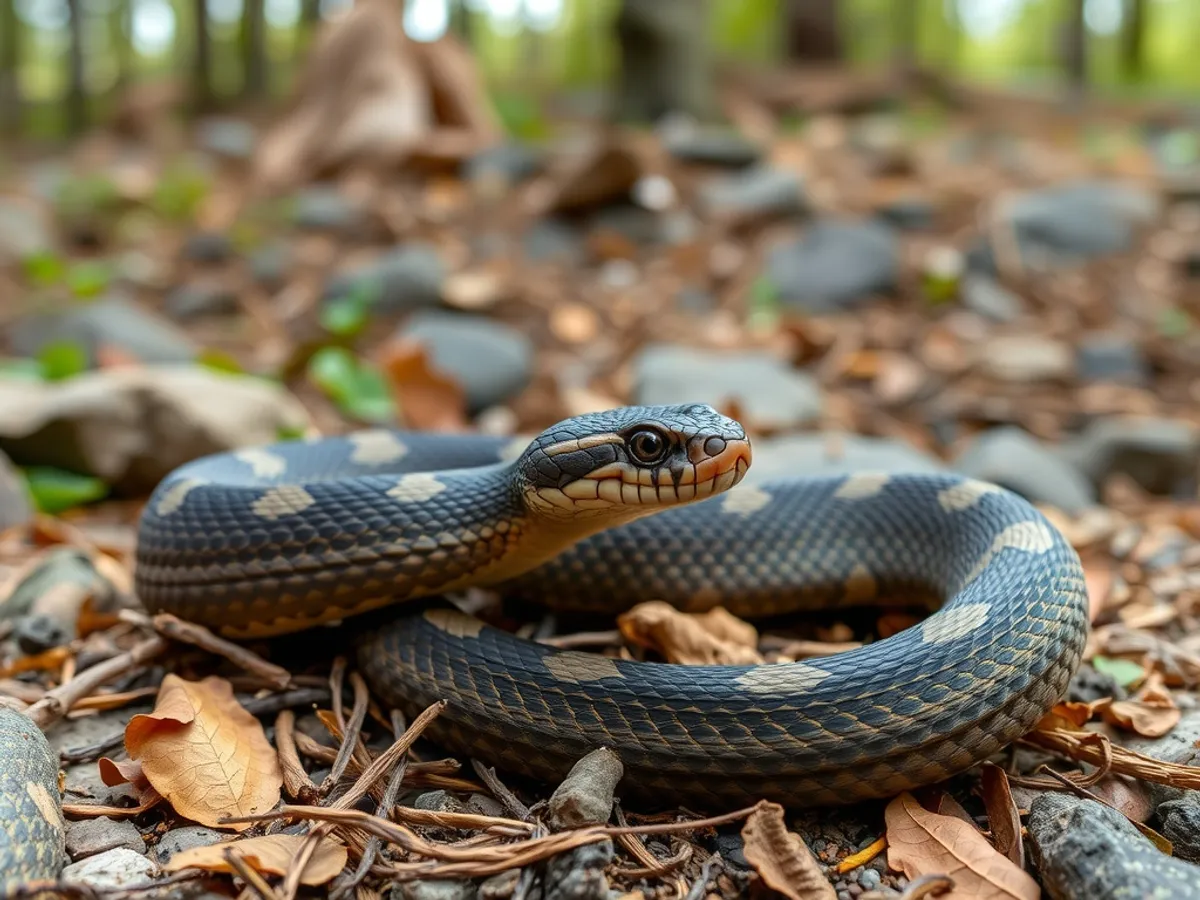
The timber rattlesnake (Crotalus horridus) is the woodland rattlesnake of the eastern United States, and it is a far more patient and less aggressive animal than its reputation implies. It hunts by ambush, coiling at the base of a fallen log along a rodent runway and waiting, sometimes for days, with its head resting on the log; before choosing a site it flicks its tongue over the wood, apparently reading chemical traces left by passing mice, so it can select a productive log rather than a random one. It is notably reluctant to strike or even to rattle, and many people walk past one without knowing it. Its real vulnerability is its life history. Females do not mature until seven to eleven years old and then breed only every three to five years, so a population turns over very slowly. Timber rattlesnakes also den communally, returning across generations to the same ancestral rock crevices, sometimes with dozens or over a hundred snakes overwintering together, and gravid females bask together at traditional rookeries. Because a whole local population may share one den, killing the snakes at a single den site can eliminate rattlesnakes from an entire valley, which is exactly what happened across much of New England. Its venom varies geographically, with some southern populations carrying a potent neurotoxin absent in northern snakes.
Fascinating facts
Distinctive Rattle
The rattle on its tail is made of interlocking keratin segments that produce a buzzing sound when vibrated, warning predators and humans alike.
Forest Dweller
Timber Rattlesnakes are primarily found in mature deciduous forests, often near rocky outcrops or bluffs, where they bask and hunt for prey.
Cold Tolerance
Unlike many rattlesnake species, Timber Rattlesnakes are adapted to survive cold winters and are found farther north than most other rattlesnakes.
Detailed description
The Timber Rattlesnake (Crotalus horridus) is a large, heavy-bodied pit viper, typically ranging from 91 to 152 cm (36–60 inches) in length, though individuals exceeding 180 cm (71 inches) have been recorded. Adults exhibit a distinctive pattern of dark, jagged crossbands over a background that varies from yellow, brown, gray, to nearly black, with a characteristic rusty or orange dorsal stripe in some populations. The head is broad and triangular, with prominent heat-sensing loreal pits located between the eyes and nostrils, facilitating the detection of warm-blooded prey. The tail ends in a keratinous rattle, composed of interlocking segments added with each shed, which produces a warning buzz when vibrated. Timber Rattlesnakes are highly cryptic, relying on their coloration and stillness to avoid detection by both predators and prey. They are primarily terrestrial but may climb into low shrubs or trees, especially during foraging or thermoregulation. The species is largely solitary outside of the breeding season, though communal denning is common in colder regions, where dozens may overwinter together in deep rock crevices. Their lifespan in the wild can exceed 20 years, with sexual maturity typically reached at 4–7 years. This species plays a crucial ecological role as both predator and prey within its forested habitats.
Did you know?
Timber Rattlesnakes can deliver a 'dry bite,' injecting little or no venom, as a warning to potential threats.
Research & sources
Wikipedia summary
The timber rattlesnake, also known commonly as the canebrake rattlesnake and the banded rattlesnake, is a species of pit viper in the family Viperidae. The species is native to the eastern United States. Like all other pit vipers, it is venomous, with a very toxic bite. Its venom is extremely potent, both hemorrhagic and neurotoxic venom are present depending on population and location. C. horridus is the only rattlesnake species in most of the populous Northeastern United States and is second only to its relatives to the west, the prairie rattlesnake, as the most northerly distributed venomous snake in North America. There are no subspecies that are recognized as being valid.
Behaviour & social structure
Timber Rattlesnakes are generally sedentary ambush predators, spending long periods coiled and motionless while waiting for prey such as small mammals (mice, voles, chipmunks, squirrels), birds, and occasionally amphibians. They rely on their heat-sensitive pits to detect prey and strike with rapid precision, injecting venom to immobilize and digest their catch. Feeding frequency is low, with adults often consuming only a few large meals per season. Activity is strongly seasonal; they are most active from late spring through early fall, with peak activity during warm, humid days and at dusk or night. In northern parts of their range, they hibernate communally in dens from October to April. Home ranges are variable but can span several hectares, with females often returning to traditional birthing sites. Social interactions are limited, though males may engage in combat during the breeding season. Defensive behaviors include remaining motionless, rattling, and, as a last resort, striking.
Reproduction & life cycle
Timber Rattlesnakes are ovoviviparous, with internal fertilization and live birth. Mating occurs primarily in late spring and early summer (May–July), though some populations exhibit a secondary mating period in late summer. Females exhibit biennial or triennial reproductive cycles, likely due to the high energetic costs of gestation. Gestation lasts approximately 4–5 months, with females giving birth in late summer or early fall (August–September) to litters of 4–14 young, averaging 7–9. Neonates are born fully developed, measuring 25–36 cm (10–14 inches) and equipped with a single rattle segment (button) and functional venom glands. Females may exhibit limited parental care, remaining with the young for several days post-birth to provide protection. Juveniles are independent shortly after birth and receive no further care.
Adaptations & survival
Crotalus horridus possesses several key adaptations for survival. Its cryptic coloration and patterning provide effective camouflage in leaf litter and forest understory. The heat-sensing loreal pits enable precise detection of endothermic prey, even in total darkness. The venom is highly variable geographically, with some populations producing primarily neurotoxic (canebrake) venom and others predominantly hemotoxic, reflecting local prey and predator pressures. The rattle serves as an aposematic warning device, reducing unnecessary conflict with large mammals. Physiologically, Timber Rattlesnakes exhibit seasonal metabolic adjustments, allowing them to survive prolonged periods of inactivity during winter hibernation. Their robust bodies and prehensile tails also facilitate limited climbing, an unusual trait among rattlesnakes.
Cultural significance
The Timber Rattlesnake holds significant cultural and historical importance in the United States. It is famously featured on the Gadsden Flag ('Don't Tread on Me'), symbolizing vigilance and resistance during the American Revolution. Indigenous peoples respected the species for its power and role in ecosystem health, and some tribes incorporated rattlesnake motifs into art and mythology. In folklore, the rattle was sometimes used as a charm or warning device. Misconceptions and fear have also led to persecution, with rattlesnake roundups and bounties historically common in some regions.
Recent research
Recent research has focused on the genetic diversity and population structure of C. horridus, revealing significant genetic differentiation between northern and southern populations, likely due to historical glaciation and habitat fragmentation. Studies on venom composition have identified distinct venom phenotypes (neurotoxic vs. hemotoxic), with implications for prey specialization and antivenom development. Ongoing telemetry studies are elucidating movement patterns, den site fidelity, and habitat use, informing conservation management. Investigations into the effects of climate change predict shifts in range and denning behavior, emphasizing the need for adaptive conservation strategies. Emerging research on snake fungal disease is monitoring its impact on population health and resilience.
Videos
Habitat
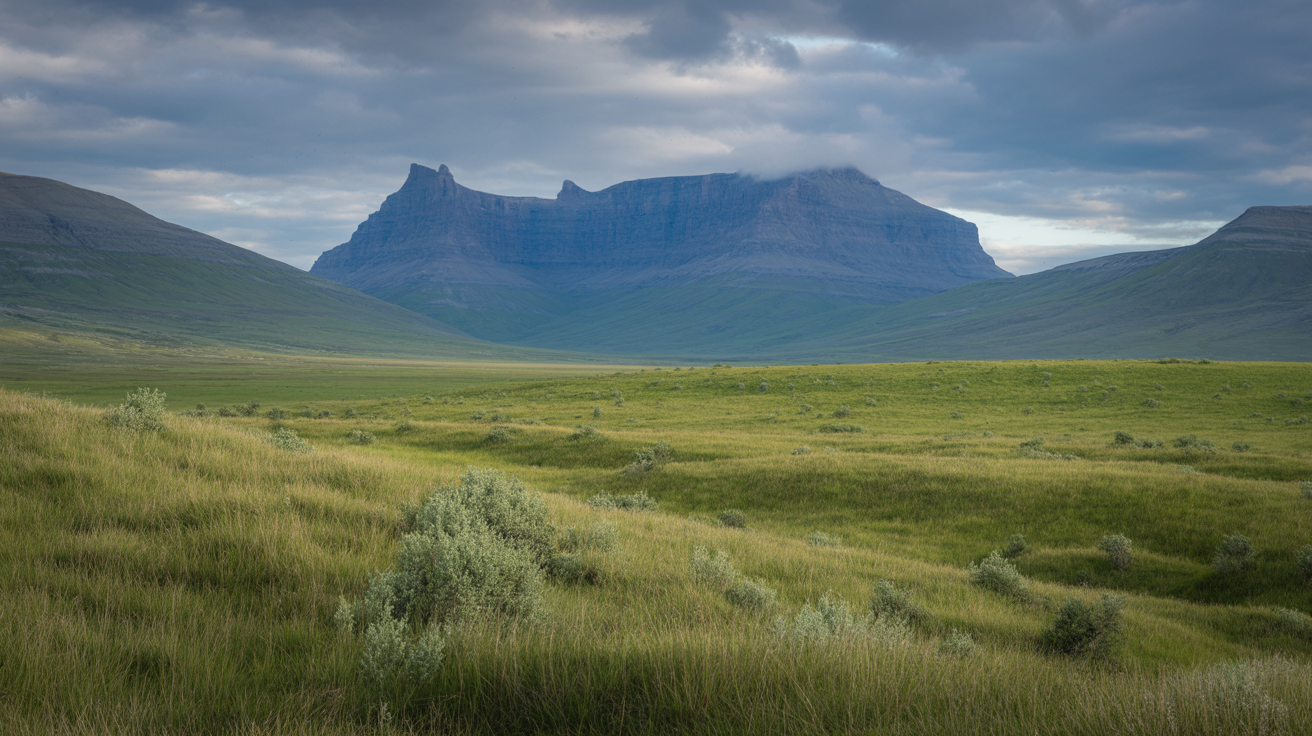
Deciduous forests and rocky hillsides
 Various Continental Regions
Grassland
Open areas dominated by grasses rather than trees, supporting numerous herbivores and their predators.
 Elevated Terrain
Mountain
High-altitude environments with varying climates and specialized wildlife adapted to rugged terrain and thin air.
 Global
Forest
Wooded areas with significant tree cover and diverse plant and animal communities.
Conservation
The Timber Rattlesnake is currently classified as Least Concern on the IUCN Red List.
Threats & challenges
Despite a broad historical range, Timber Rattlesnake populations have declined in many areas due to habitat loss, fragmentation, road mortality, illegal collection, and deliberate persecution. Forest clearing, suburban expansion, and road construction disrupt migration routes and denning sites. In some states, the species is listed as threatened or endangered, and local extirpations have occurred, particularly in the Northeast and Midwest. Disease, such as snake fungal disease (Ophidiomyces ophiodiicola), poses an emerging threat. While the global IUCN status is 'Least Concern,' many local populations are vulnerable and require targeted conservation action. Public education and legal protection are critical to mitigating human-wildlife conflict and ensuring long-term survival.
Taxonomy
Scientific name
Crotalus horridus
- Kingdom
- Animalia
- Phylum
- Chordata
- Class
- Reptilia
- Order
- Squamata
- Family
- Viperidae
- Genus
- Crotalus
- Species
- horridus
Where to see a timber rattlesnake
5 zoos and aquariums in 1 country are recorded as keeping this species.
 National Zoological Park🇺🇸 Washington, United States
- 🦁The Maryland Zoo in Baltimore🇺🇸 Baltimore, United States
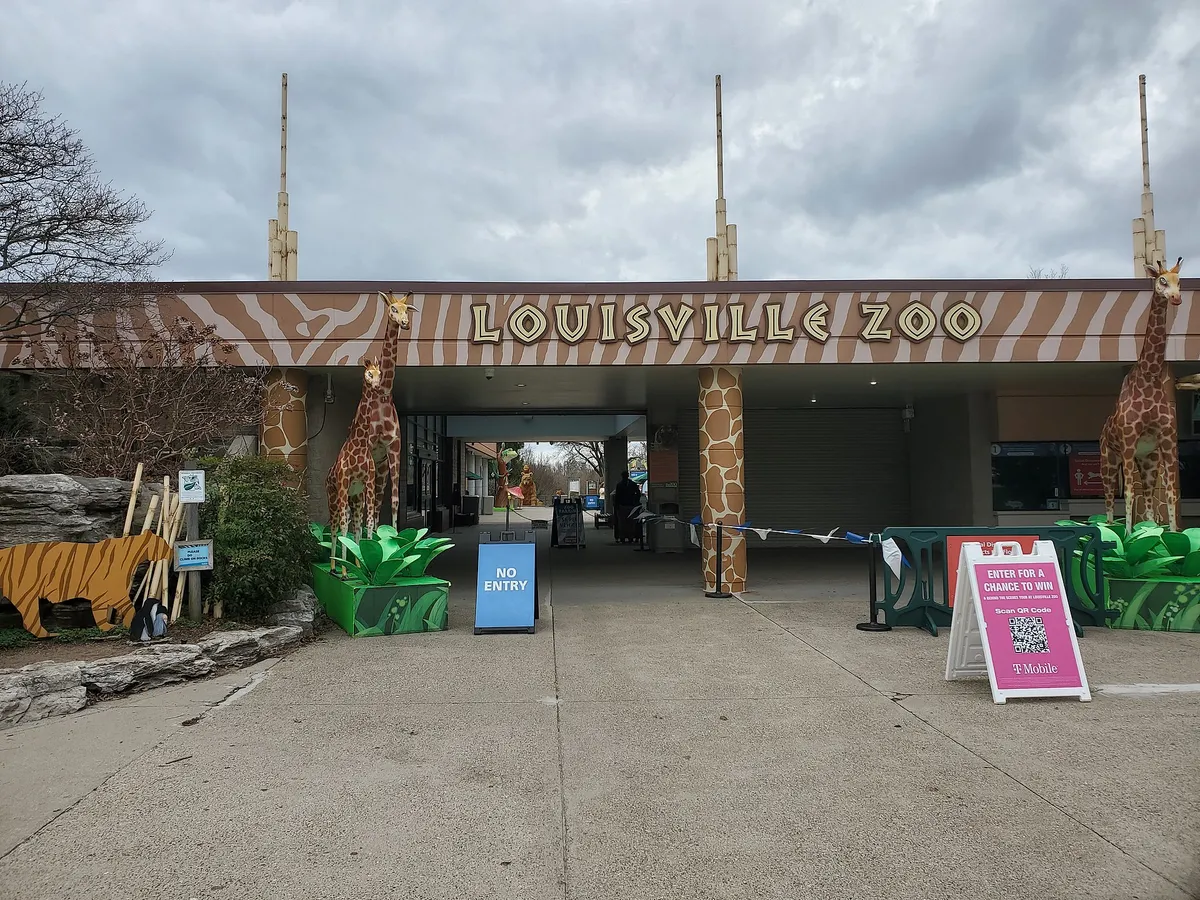 Louisville Zoo🇺🇸 United States
 Birmingham Zoo🇺🇸 United States
 Virginia Zoological Park🇺🇸 Norfolk, United States
Community notes
Share your observations about the Timber Rattlesnake.
No community notes yet. Be the first!
Discover more wildlife
More fascinating animals from the encyclopedia.