
About the Violet ground beetle
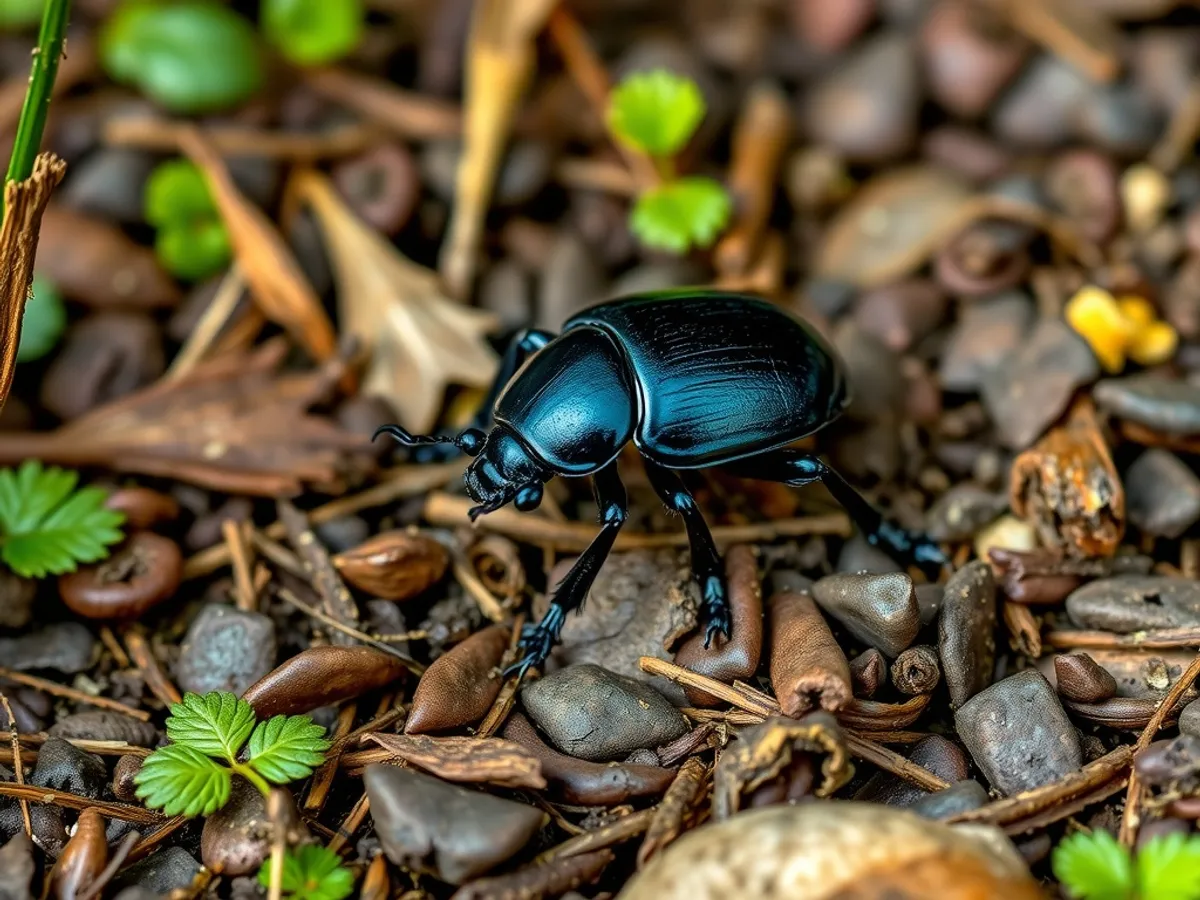
The Violet ground beetle is a large, striking beetle known for its glossy black body with metallic violet or blue edges. This nocturnal predator is commonly found in woodlands, gardens, and grasslands across much of Europe. It is an agile hunter, feeding on slugs, worms, and other invertebrates, often under stones or logs. Its robust body and distinctive coloration make it one of the most recognizable ground beetles in its range.
Fascinating facts
Nocturnal Hunter
Violet ground beetles are most active at night, searching for slugs, worms, and other invertebrates on the forest floor.
Brilliant Colors
The beetle's metallic violet or blue edging is due to structural coloration, not pigments.
Chemical Defense
When threatened, it can secrete a strong-smelling liquid from its abdominal glands to deter predators.
Detailed description
The Violet ground beetle (Carabus violaceus) is a large, robust beetle, typically measuring 20–30 mm in length, with a broad, flattened body adapted for life on the ground. Its elytra (wing cases) are glossy black, bordered with a distinctive metallic violet or blue sheen, and are fused, rendering the beetle flightless. The pronotum is similarly edged in violet, and the surface is finely punctate. The head is proportionally large, with prominent mandibles suited for predation. Its legs are long and well-adapted for rapid running, aiding in both hunting and escape from predators. The antennae are filiform and sensitive, assisting in navigation and prey detection during nocturnal activity. C. violaceus is primarily solitary, emerging at dusk to forage. It is most active in moist, shaded environments such as woodlands, hedgerows, and gardens, often sheltering under stones, logs, or leaf litter during the day. Its lifespan can reach up to two years, with adults overwintering in sheltered locations.
Did you know?
Despite their name, the violet ground beetle’s color can appear blue or greenish depending on the angle of the light.
Research & sources
Wikipedia summary
Carabus violaceus, sometimes called the violet ground beetle, or the rain beetle is a nocturnal species of a beetle, from the family Carabidae.
Behaviour & social structure
Carabus violaceus is a strictly nocturnal predator, emerging after dusk to actively hunt for prey. Its diet consists mainly of soft-bodied invertebrates, particularly slugs, earthworms, and insect larvae, which it subdues using its strong mandibles. The beetle is an opportunistic feeder, sometimes scavenging on dead animals. It relies on chemosensory cues from its antennae to locate prey in the dark. While generally solitary, individuals may aggregate in favorable microhabitats with abundant food or moisture. When threatened, it can secrete a foul-smelling defensive fluid from abdominal glands to deter predators. During the day, it remains hidden to avoid desiccation and predation, exhibiting thigmotactic behavior (preference for close contact with surfaces).
Reproduction & life cycle
Breeding occurs primarily in spring and early summer. Males locate females using pheromonal cues, and courtship involves antennal contact and tactile stimulation. After mating, females lay eggs singly in moist soil or under decaying vegetation. The eggs hatch after 2–3 weeks, depending on temperature and humidity. Larvae are also predatory, with elongated, segmented bodies and well-developed mandibles. Larval development lasts 1–2 months, passing through three instars before pupation in an underground chamber. There is no parental care beyond egg-laying. Adults emerge from pupae in late summer or autumn and may overwinter before reproducing the following year.
Adaptations & survival
C. violaceus exhibits several adaptations for ground-dwelling predation: its fused elytra provide protection and reduce water loss, while the metallic violet margins may serve as aposematic (warning) coloration or camouflage among leaf litter. The beetle's powerful mandibles allow it to tackle large, soft-bodied prey such as slugs. Its nocturnal habits reduce competition and predation risk, and its ability to secrete defensive chemicals deters vertebrate and invertebrate predators. The species' tolerance for a range of habitats, including disturbed environments like gardens, contributes to its ecological success.
Cultural significance
While not prominent in folklore or mythology, the Violet ground beetle is valued by gardeners and farmers as a natural pest controller, particularly for its predation on slugs and other crop pests. Its striking appearance has made it a subject of interest for naturalists and entomologists since the 18th century. In some European traditions, ground beetles are considered beneficial and are sometimes featured in educational materials promoting biodiversity.
Recent research
Recent molecular studies have examined the genetic diversity within the Carabus violaceus species complex, revealing significant morphological and genetic variation across its range, which may warrant further taxonomic revision. Ecological research has focused on its role in controlling pest populations and its responses to habitat management practices. Studies on its chemical defenses have identified unique quinones and hydrocarbons in its defensive secretions. Ongoing research is investigating the impacts of climate change and habitat fragmentation on its distribution and population genetics.
Sources
The Carabus (Megodontus) violaceus species complex: genetic and morphological differentiation
Markus Homburg et al. (2013)
scientificCarabid beetles as bioindicators: their sensitivity to habitat change
Lövei, G.L. & Sunderland, K.D. (1996)
scientificVideos
Habitat
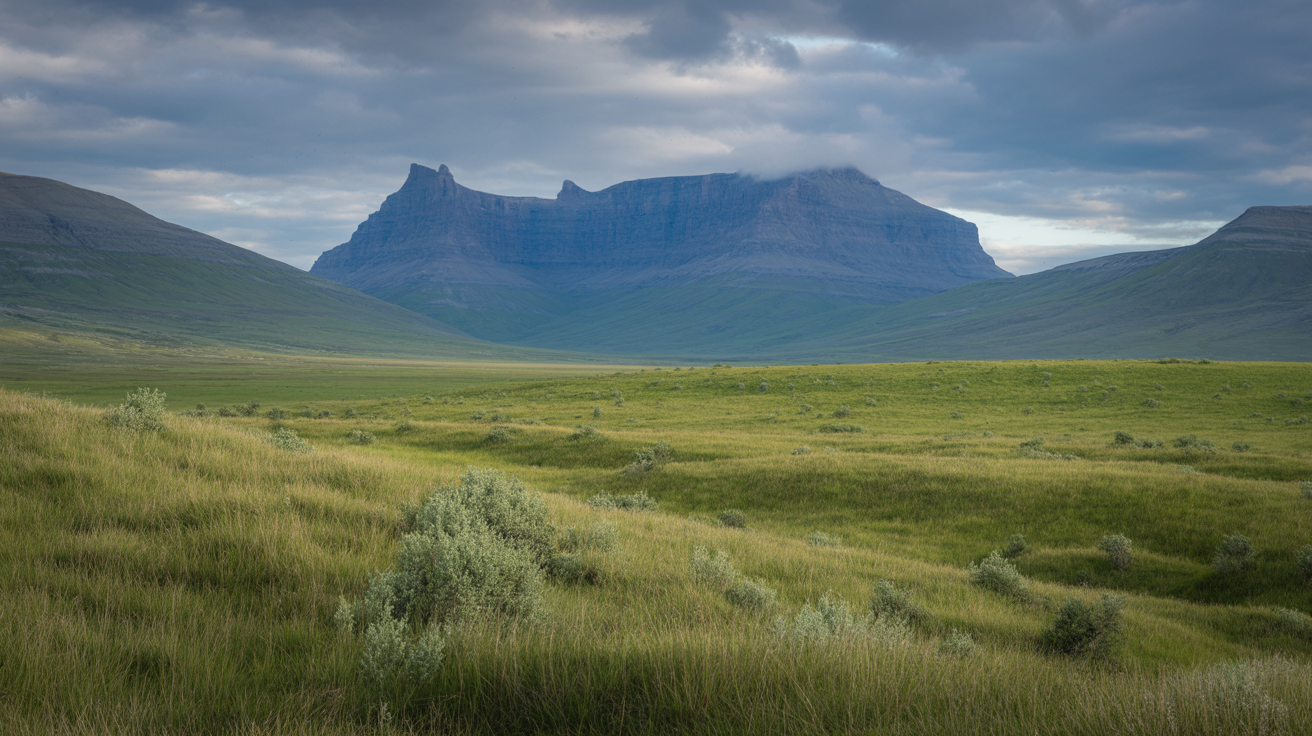
Woodlands and gardens
 Various Continental Regions
Grassland
Open areas dominated by grasses rather than trees, supporting numerous herbivores and their predators.
 Elevated Terrain
Mountain
High-altitude environments with varying climates and specialized wildlife adapted to rugged terrain and thin air.
 Global
Forest
Wooded areas with significant tree cover and diverse plant and animal communities.
 Global
Freshwater
Lakes, rivers, and wetlands with diverse aquatic ecosystems.
Conservation
The Violet ground beetle is currently classified as Least Concern on the IUCN Red List.
Threats & challenges
Currently assessed as Least Concern, C. violaceus populations are stable across much of their range. However, local declines may occur due to habitat loss from intensive agriculture, pesticide use, and urbanization, which reduce prey availability and suitable refuges. Fragmentation of woodland habitats can limit dispersal and genetic exchange. Climate change may alter moisture regimes, potentially affecting survival and reproductive success. Despite these pressures, the species' adaptability to a range of habitats buffers it against major declines.
Taxonomy
Scientific name
Carabus violaceus
- Kingdom
- Animalia
- Phylum
- Arthropoda
- Class
- Insecta
- Order
- Coleoptera
- Family
- Carabidae
- Genus
- Carabus
- Species
- violaceus
Community notes
Share your observations about the Violet ground beetle.
No community notes yet. Be the first!
Discover more wildlife
More fascinating animals from the encyclopedia.