
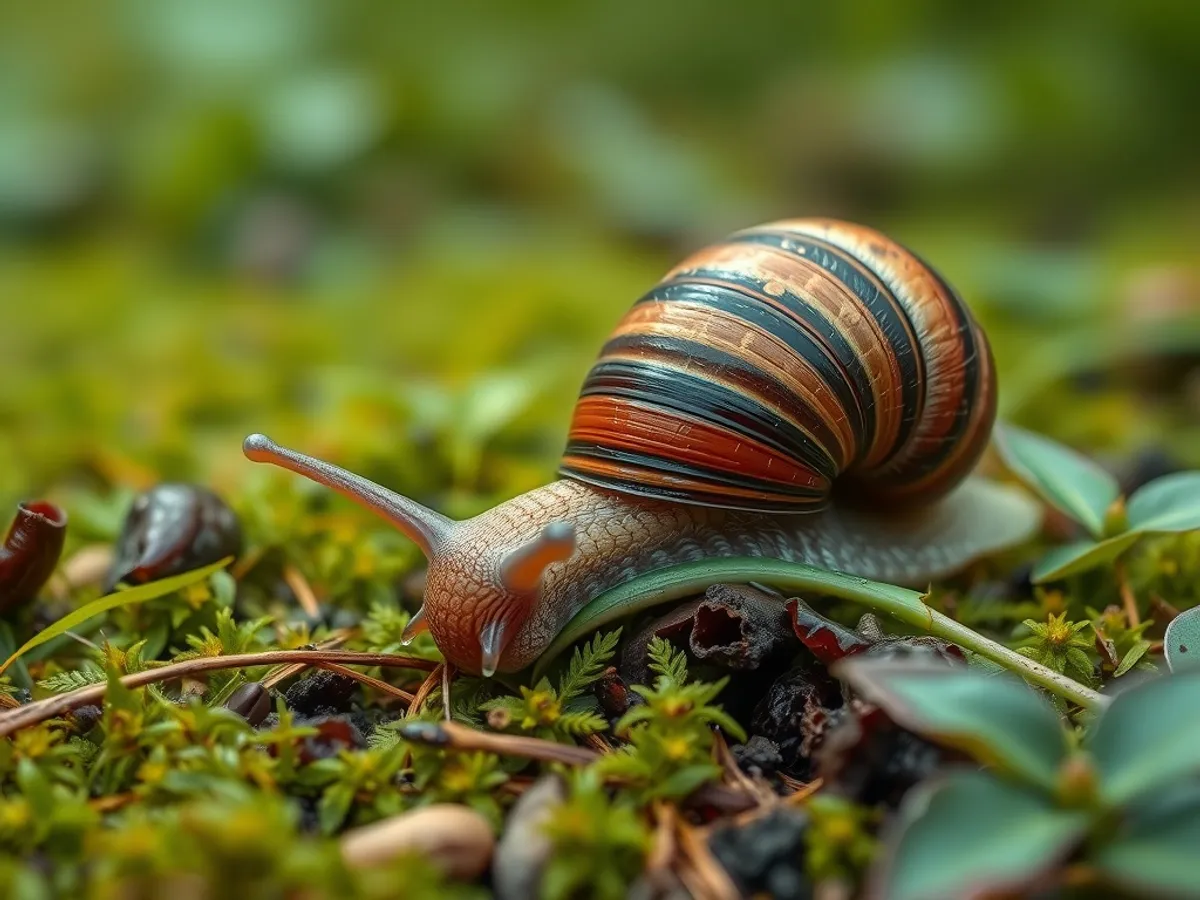
About the Wandering Snail
The Wandering Snail, scientifically known as Arianta arbustorum, is a medium-sized terrestrial gastropod native to Europe and parts of northern Asia. It is recognized by its globular shell, which typically features brown with lighter bands or mottled patterns. This snail is highly adaptable, found from woodlands to gardens, and even marshy environments. Known for its slow but persistent movement, the Wandering Snail plays an important role in decomposing organic matter and enriching soil ecosystems.
Fascinating facts
Love Darts
Wandering Snails use specialized calcareous structures called 'love darts' during mating rituals to increase reproductive success.
Important Decomposer
By feeding on decaying plant material, these snails help recycle nutrients and maintain healthy soil ecosystems.
Moisture Dependent
Wandering Snails are most active during damp conditions and can seal themselves in their shells with a mucus layer called an epiphragm to survive dry periods.
Detailed description
Arianta arbustorum, commonly known as the Wandering Snail, is a medium-sized terrestrial pulmonate gastropod mollusk in the family Helicidae. Adult shells typically measure 20–25 mm in diameter and 18–22 mm in height, with a robust, globular shape and a low spire. The shell coloration is highly variable, ranging from brown to yellowish with lighter spiral bands and irregular mottling, often providing camouflage among leaf litter. The body is soft, moist, and grayish to brown, with two pairs of retractable tentacles; the upper pair bears the eyes, while the lower pair is used for tactile sensing. Arianta arbustorum is hermaphroditic, possessing both male and female reproductive organs, and is capable of self-fertilization, though cross-fertilization is preferred. The species is primarily nocturnal or crepuscular, emerging during damp conditions to forage and retreating to sheltered microhabitats during dry periods. It is an important decomposer, feeding on a wide range of plant material, decaying organic matter, fungi, and occasionally carrion. The snail produces a thick mucus that aids in locomotion, moisture retention, and protection from predators and pathogens. Its ecological role extends to soil aeration and nutrient cycling, making it a key component of temperate terrestrial ecosystems.
Did you know?
Despite their slow movement, Wandering Snails can disperse over surprisingly large areas, often hitching rides on birds or mammals.
Research & sources
Behaviour & social structure
Arianta arbustorum is mostly solitary but may aggregate in favorable microhabitats, especially during periods of high humidity. It is primarily active at night or during overcast, moist weather, minimizing desiccation risk. Locomotion is achieved via muscular contractions of the foot, aided by mucus secretion that reduces friction and facilitates movement over rough surfaces. Feeding behavior is generalized; the snail uses a radula (a toothed, chitinous ribbon) to rasp plant material, algae, fungi, and decomposing organic matter. It is an opportunistic feeder and may occasionally consume animal matter, such as dead invertebrates. During dry or cold conditions, the snail enters a state of dormancy (aestivation or hibernation), sealing its shell aperture with a calcareous epiphragm to conserve moisture. Social interactions are limited but become more pronounced during the breeding season, when individuals seek out mates through chemical cues.
Reproduction & life cycle
Arianta arbustorum is a simultaneous hermaphrodite, with both male and female reproductive organs functional at the same time. Courtship involves reciprocal tactile and chemical signaling, often lasting several hours and including the exchange of 'love darts'—calcareous or chitinous spikes that are shot into the partner's body to increase reproductive success. Copulation typically occurs from late spring to early summer, with both individuals exchanging sperm. Fertilized eggs are laid in moist soil or under leaf litter, in clutches of 20–50 eggs, each measuring about 2–3 mm in diameter. Incubation lasts 2–4 weeks, depending on temperature and humidity. There is no parental care post-oviposition; juveniles hatch fully formed and begin independent life. Sexual maturity is reached after 2–3 years, and individuals can live up to 6–8 years in the wild.
Adaptations & survival
Arianta arbustorum exhibits several adaptations for terrestrial life. Its thick, calcified shell provides protection from predators and environmental extremes, while the ability to seal the aperture with an epiphragm helps prevent desiccation during unfavorable conditions. The production of copious mucus not only aids in locomotion but also deters some predators and reduces water loss. The snail's radula allows it to exploit a wide variety of food sources, enhancing its ecological flexibility. Behavioral adaptations include nocturnal and crepuscular activity patterns to avoid desiccation and predation. The use of love darts during mating is a unique evolutionary trait that increases the likelihood of successful fertilization.
Cultural significance
While Arianta arbustorum does not have significant mythological or symbolic roles in human culture, it has been studied extensively in European malacology and is sometimes used in ecological and evolutionary research due to its variable shell morphology and reproductive behaviors. In some regions, it is considered a minor garden pest due to its feeding on cultivated plants, but it also contributes positively to soil health through decomposition. The species has occasionally been featured in educational materials to illustrate gastropod biology and terrestrial adaptation.
Recent research
Recent research on Arianta arbustorum has focused on its population genetics, shell polymorphism, and the ecological impacts of its introduction to non-native areas, such as North America and New Zealand. Studies have examined the role of environmental factors in shaping shell morphology and coloration, as well as the evolutionary significance of love dart use in reproductive success. Ongoing research includes the effects of climate change on distribution and phenology, and the species’ interactions with native gastropod communities in introduced ranges. Arianta arbustorum is also used as a model organism in studies of terrestrial gastropod dispersal and colonization dynamics.
Videos
Habitat
Moist forests, gardens, grasslands, and marshes
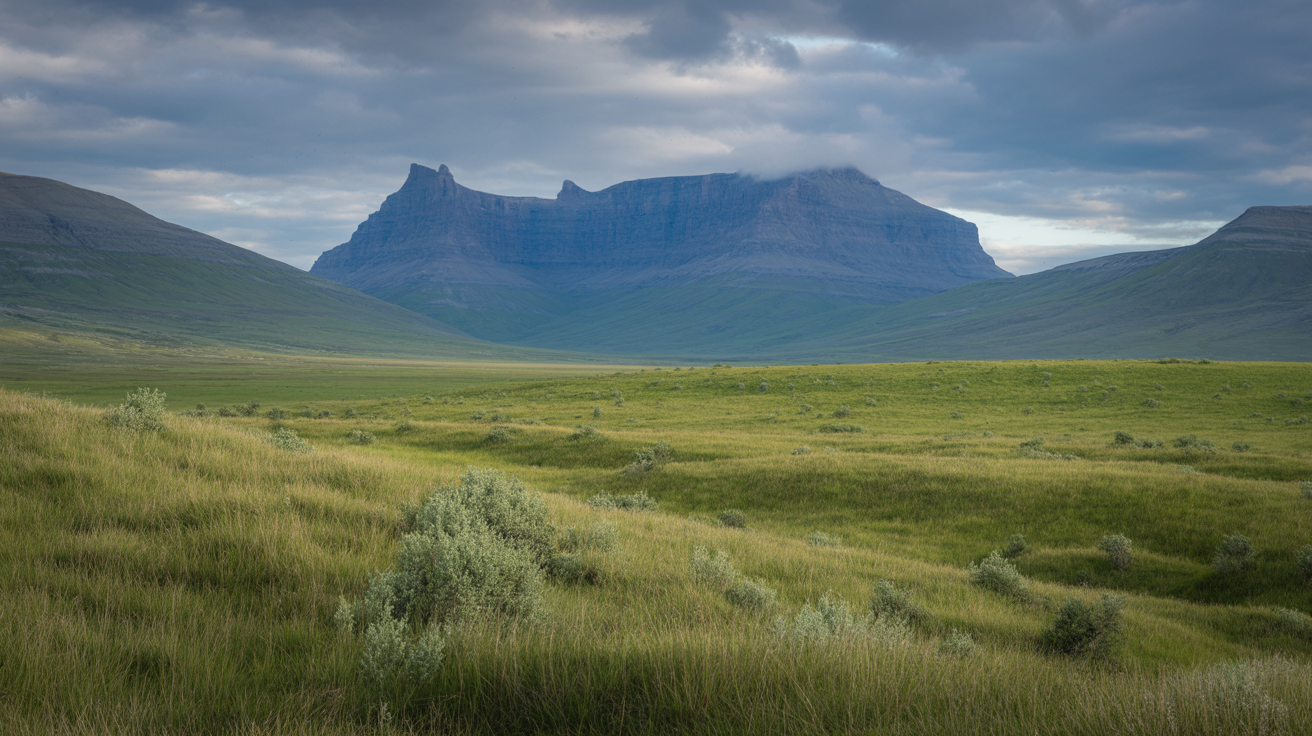 Various Continental Regions
Grassland
Open areas dominated by grasses rather than trees, supporting numerous herbivores and their predators.
 Elevated Terrain
Mountain
High-altitude environments with varying climates and specialized wildlife adapted to rugged terrain and thin air.
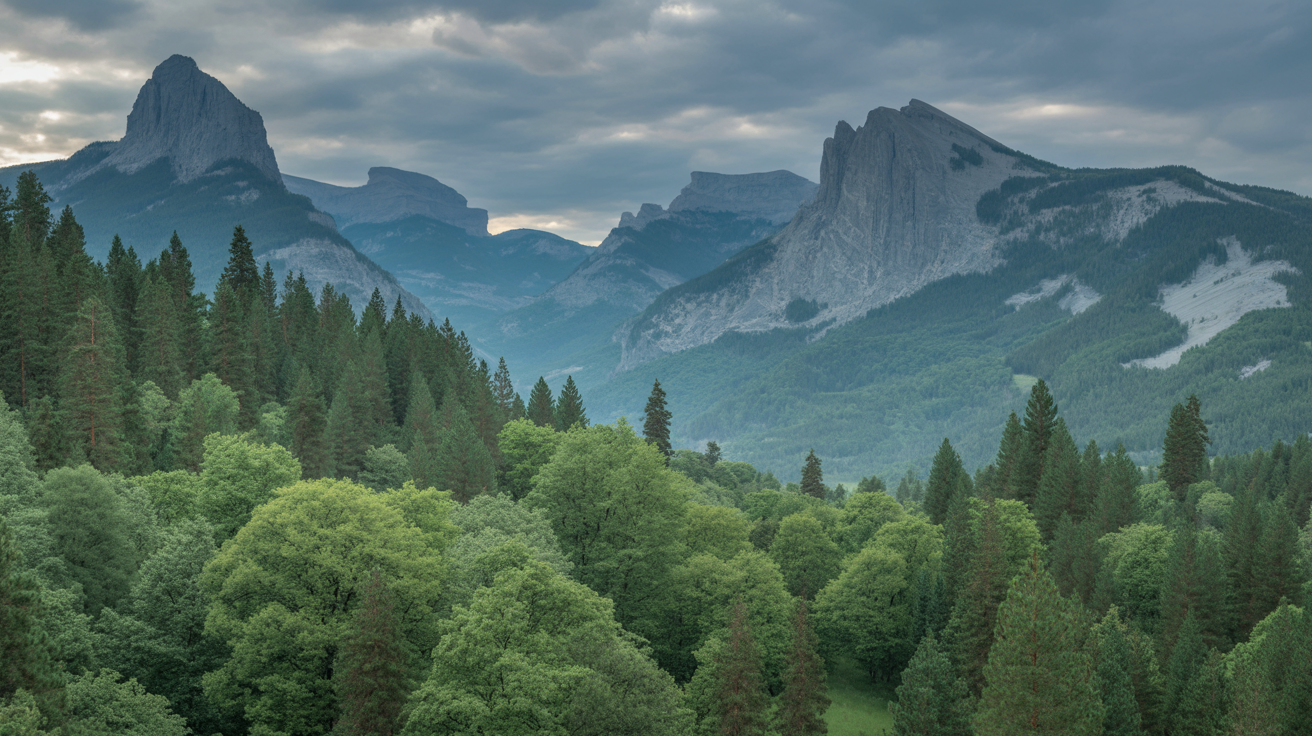 Global
Forest
Wooded areas with significant tree cover and diverse plant and animal communities.
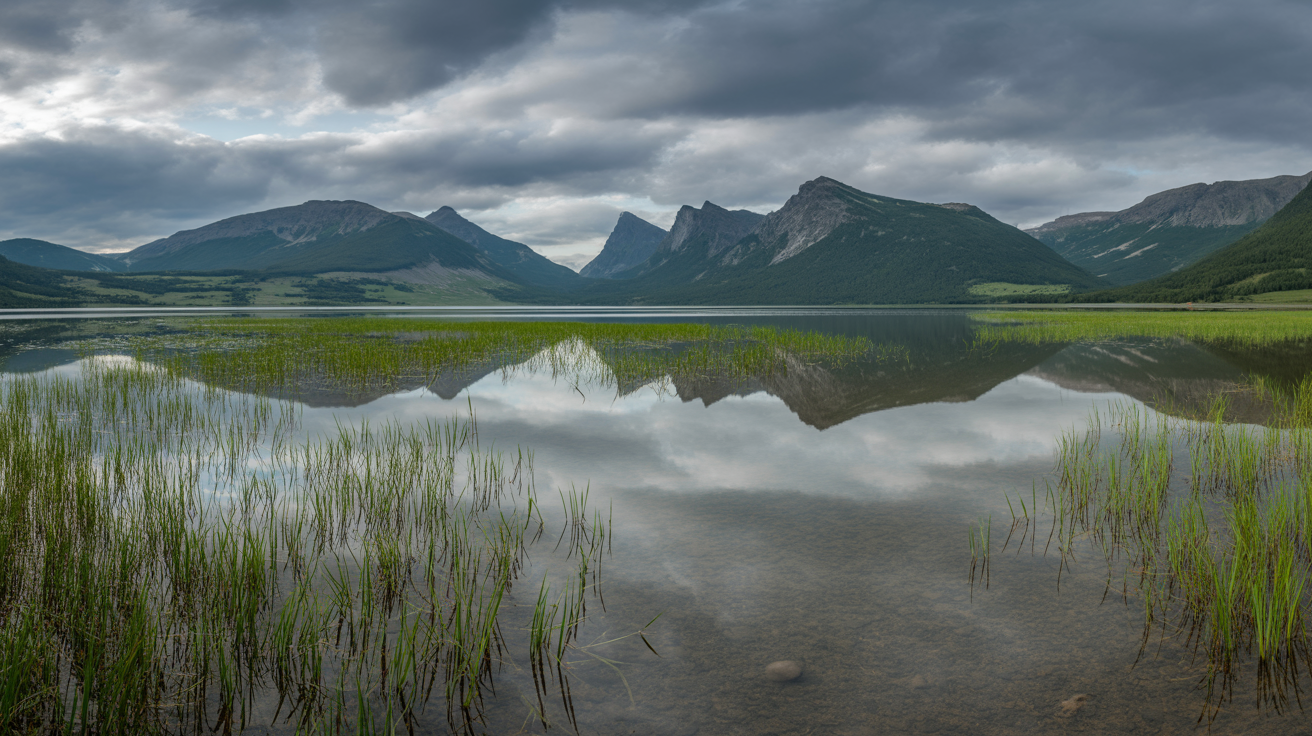 Global
Freshwater
Lakes, rivers, and wetlands with diverse aquatic ecosystems.
Conservation
The Wandering Snail is currently classified as Least Concern on the IUCN Red List.
Threats & challenges
Currently classified as Least Concern by the IUCN, Arianta arbustorum faces few major threats across its broad range. However, local populations may be impacted by habitat destruction, pollution, and the use of pesticides in agricultural and garden settings. Climate change poses a potential long-term threat by altering moisture regimes and suitable habitat availability. In some regions, the species has been introduced outside its native range, where it may become invasive and compete with native gastropods. Overall, populations are stable, but ongoing monitoring is recommended, especially in areas of habitat fragmentation.
Taxonomy
Scientific name
Arianta arbustorum
- Kingdom
- Animalia
- Phylum
- Mollusca
- Class
- Gastropoda
- Order
- Stylommatophora
- Family
- Helicidae
- Genus
- Arianta
- Species
- arbustorum
Community notes
Share your observations about the Wandering Snail.
No community notes yet. Be the first!
Discover more wildlife
More fascinating animals from the encyclopedia.