
About the Western Sand Viper
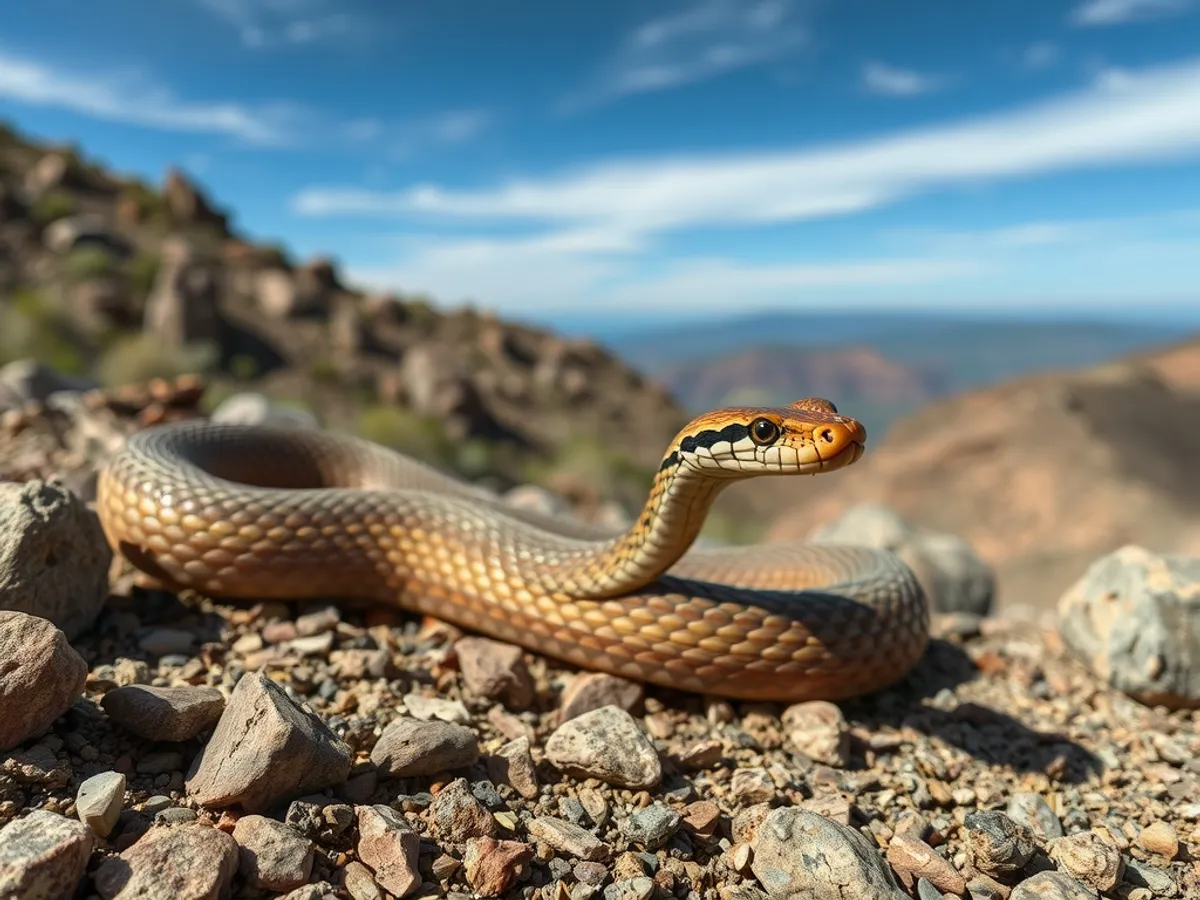
The Western Sand Viper, also known as the Nose-horned Viper, is a venomous snake native to southern Europe and parts of the Balkans. Distinguished by the prominent 'horn' on its snout, this viper has a robust body with a distinctive zigzag dorsal pattern in shades of grey or brown. The Western Sand Viper prefers dry, rocky habitats with sparse vegetation, often basking in the sun during the day. Its potent venom is used primarily for subduing prey, but bites can be dangerous to humans if untreated.
Fascinating facts
Distinctive Snout Horn
The Western Sand Viper sports a soft, flexible horn on its snout, which is unique among European snakes and may help with camouflage.
Daytime Basking
These vipers are often seen basking on sun-warmed rocks during the day, especially in cooler months, to regulate their body temperature.
Potent Venom
While its venom is highly effective against prey, bites to humans are rarely fatal due to medical advances, but can cause severe pain and swelling.
Detailed description
The Western Sand Viper (Vipera ammodytes), also known as the Nose-horned Viper, is a medium-sized venomous snake, typically reaching lengths of 60–85 cm, with some females occasionally exceeding 90 cm. Its most distinctive anatomical feature is the soft, flexible 'horn' on the tip of its snout, formed by a series of small, upturned scales, which is more prominent in males. The dorsal coloration consists of a well-defined zigzag pattern running the length of the back, set against a background of gray, brown, or reddish hues, providing effective camouflage among rocky substrates. The viper's body is robust and muscular, with a triangular head clearly demarcated from the neck, and vertical pupils adapted for low-light hunting. Scales are keeled, aiding in movement over rough terrain. This species is primarily terrestrial and exhibits a sit-and-wait predatory strategy, remaining motionless for extended periods to ambush prey. Western Sand Vipers are generally solitary outside the breeding season, displaying territoriality, especially among males. Reproduction is ovoviviparous, with females giving birth to live young. Their venom, containing potent hemotoxins and neurotoxins, is highly effective against small mammals, birds, and lizards, but also poses a medical risk to humans. The species is well-adapted to arid environments, with behavioral and physiological mechanisms to conserve water and regulate body temperature.
Did you know?
The Western Sand Viper can flatten its body and hiss loudly as a warning when threatened, mimicking the appearance and sound of a much larger snake.
Research & sources
Behaviour & social structure
Vipera ammodytes is primarily diurnal in spring and autumn, becoming more crepuscular or nocturnal during the hottest summer months to avoid overheating. It spends much of its time basking on sunlit rocks in the morning and late afternoon, retreating to crevices or burrows during the heat of the day. The viper employs an ambush predation strategy, relying on its cryptic coloration and immobility to surprise prey such as rodents, small birds, and lizards. It strikes rapidly, injecting venom and then tracking the envenomated prey by scent. Feeding frequency is low, with adults often consuming large meals at intervals of several weeks. Social interactions are minimal outside of the breeding season, though males may engage in ritualized combat ('male-male combat dances') during mating periods. Defensive behaviors include hissing, coiling, and striking if threatened, but the species generally prefers to flee if possible.
Reproduction & life cycle
Breeding occurs in spring (April–May) after hibernation, though in some southern populations a secondary autumn mating season is observed. Males locate receptive females by following pheromone trails and may compete with rivals through combat displays. Copulation can last several hours. Females are ovoviviparous, with embryos developing inside the mother for a gestation period of 3–4 months. Parturition typically occurs in late summer (August–September), with litters ranging from 4 to 20 live young, depending on the size and age of the female. Neonates measure 14–20 cm at birth and are fully independent, receiving no parental care. Sexual maturity is reached at 3–5 years of age.
Adaptations & survival
The Western Sand Viper exhibits several key adaptations for survival in arid, rocky habitats. Its cryptic coloration and zigzag dorsal pattern provide camouflage against predators and prey. The upturned nasal 'horn' may aid in breaking up the outline of the head, enhancing concealment, though its precise function remains debated. Keeled scales improve traction on loose or uneven surfaces. The viper's venom is highly specialized, containing a complex mixture of hemotoxins, proteases, and neurotoxins that rapidly immobilize prey and begin the digestive process. Behavioral thermoregulation, such as selective basking and retreating to shaded microhabitats, allows the snake to maintain optimal body temperatures. Water conservation is achieved through efficient renal function and reduced activity during peak heat.
Cultural significance
The Western Sand Viper has a prominent place in Balkan and Mediterranean folklore, often regarded with fear and superstition due to its potent venom and distinctive appearance. In some rural communities, it is associated with omens or used as a symbol of danger. Historically, its venom has been studied for potential medicinal applications, particularly in the development of antivenoms and research into blood coagulation. There are no widespread traditional uses of the species, but it occasionally appears in local myths and cautionary tales.
Recent research
Recent research on Vipera ammodytes has focused on the biochemical composition of its venom, revealing significant geographic variation in toxin profiles, which has implications for antivenom development and medical treatment of bites. Studies on its phylogeography have identified distinct genetic lineages correlating with geographic barriers in the Balkans, suggesting historical population fragmentation and local adaptation. Ongoing ecological research investigates the species' role in controlling rodent populations and its responses to environmental changes, such as habitat fragmentation and climate shifts. Conservation genetics studies are also underway to assess genetic diversity and connectivity among isolated populations.
Sources
Vipera ammodytes (Linnaeus, 1758): Biology, Ecology, and Conservation
Ursenbacher, S. et al. (2020)
scientificVipera ammodytes: The IUCN Red List of Threatened Species 2021
IUCN SSC Amphibian and Reptile Specialist Group
conservationVipera ammodytes (Linnaeus, 1758): Taxonomy, Distribution, and Ecology
Ursenbacher, S. et al. (AmphibiaWeb, The Reptile Database) (2023)
scientificVipera ammodytes: The IUCN Red List of Threatened Species 2021
IUCN SSC Amphibian and Reptile Specialist Group
conservationVideos
Habitat
Rocky hillsides, scrublands, and dry forests
 Arid Regions
Desert
Arid lands with minimal rainfall, extreme temperatures, and specialized wildlife adapted to harsh conditions.
 Various Continental Regions
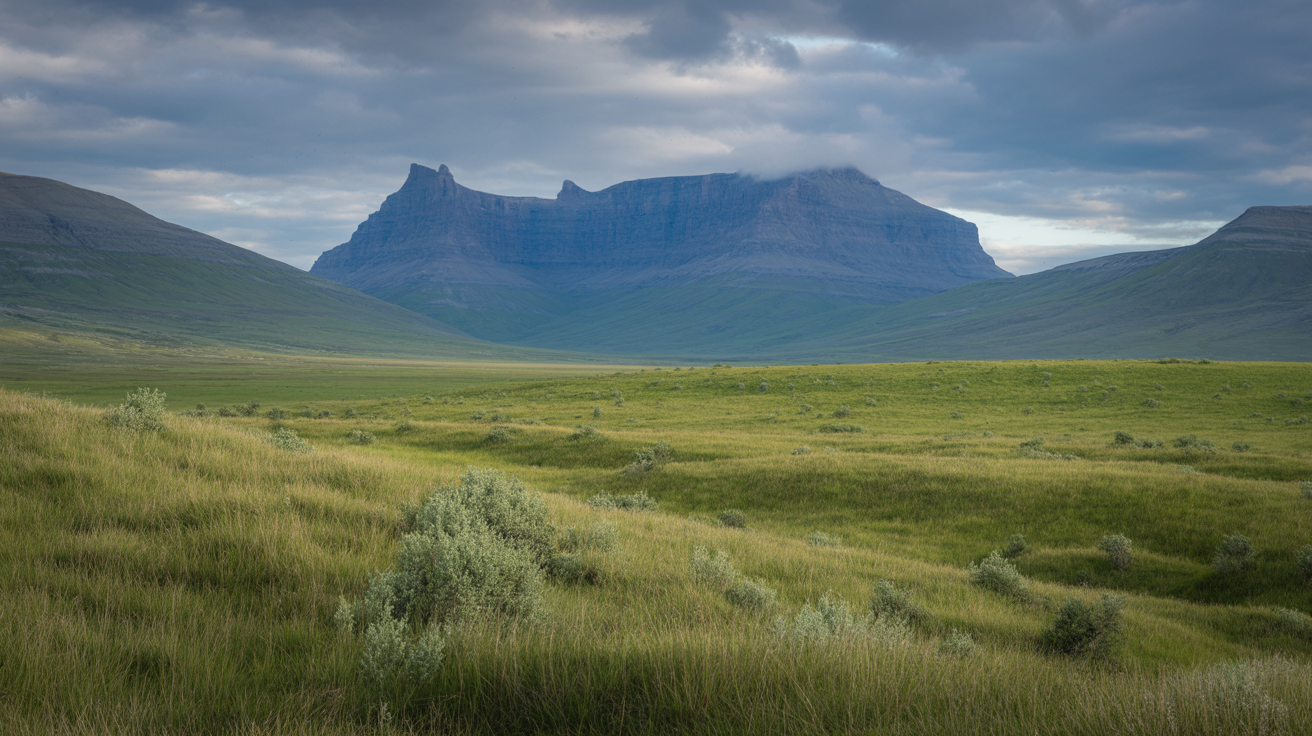
Grassland
Open areas dominated by grasses rather than trees, supporting numerous herbivores and their predators.
 Elevated Terrain
Mountain
High-altitude environments with varying climates and specialized wildlife adapted to rugged terrain and thin air.
 Global
Forest
Wooded areas with significant tree cover and diverse plant and animal communities.
Conservation
The Western Sand Viper is currently classified as Least Concern on the IUCN Red List.
Threats & challenges
Although classified as Least Concern by the IUCN, local populations of Vipera ammodytes face threats from habitat destruction due to agriculture, urbanization, and quarrying. Road mortality and intentional killing by humans, driven by fear or persecution, also impact numbers. Illegal collection for the exotic pet trade and for venom extraction poses additional risks in some regions. Climate change may alter habitat suitability and prey availability, potentially affecting long-term population stability. Despite these pressures, the species remains widespread and locally abundant in suitable habitats, with stable population trends in most areas.
Taxonomy
Scientific name
Vipera ammodytes
- Kingdom
- Animalia
- Phylum
- Chordata
- Class
- Reptilia
- Order
- Squamata
- Family
- Viperidae
- Genus
- Vipera
- Species
- ammodytes
Community notes
Share your observations about the Western Sand Viper.
No community notes yet. Be the first!
Discover more wildlife
More fascinating animals from the encyclopedia.